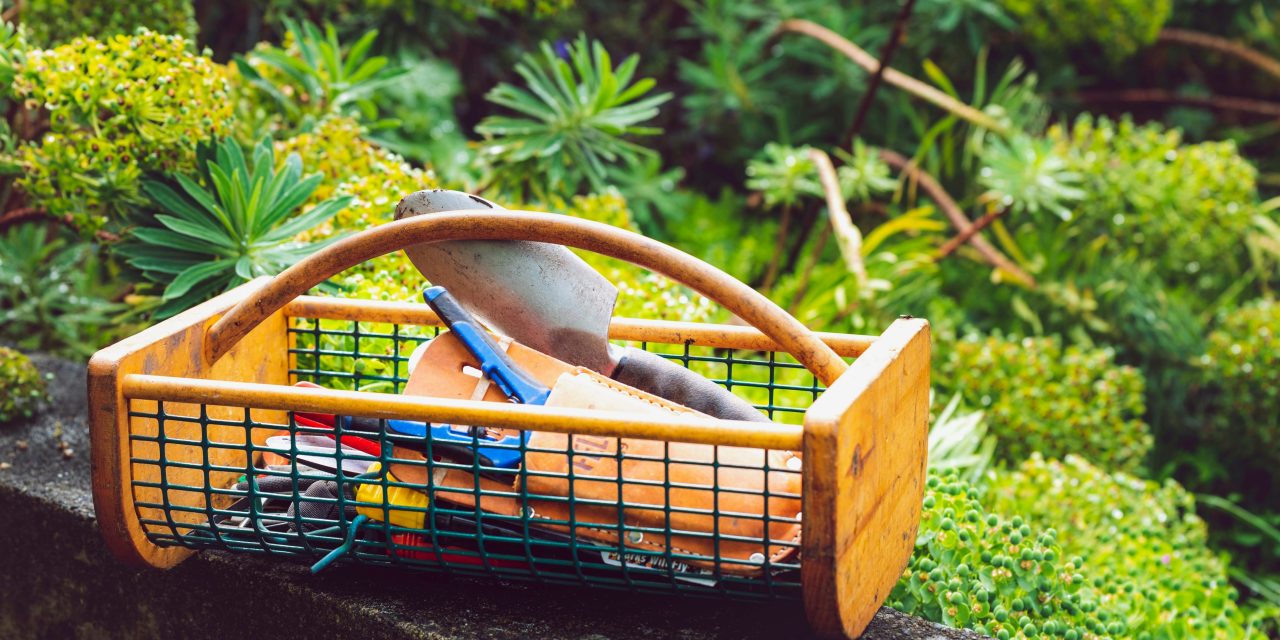
The hand trowel is an indispensable tool for any gardener, serving as the primary instrument for a multitude of tasks. This small, handheld implement is designed with a pointed, scoop-shaped blade that allows for precise digging, planting, and transplanting of seedlings and small plants. Its compact size makes it ideal for maneuvering in tight spaces, such as flower beds or vegetable patches. The ergonomic handle, often made from wood or rubber, provides a comfortable grip, reducing hand fatigue during prolonged use.
In addition to its primary functions, the hand trowel can also be utilized for mixing soil amendments, such as compost or fertilizers, directly into the planting hole. This versatility enhances its value in the garden, allowing for efficient preparation of planting sites. When selecting a hand trowel, gardeners should consider factors such as blade material—stainless steel is preferred for its durability and resistance to rust—and handle design for optimal comfort and control.
Durable Pruning Shears for Precise Cuts
Pruning shears are essential for maintaining the health and aesthetics of plants. These cutting tools are specifically designed to trim and shape plants, ensuring optimal growth and flowering. High-quality pruning shears feature sharp, stainless steel blades that provide clean cuts, minimizing damage to plant tissues. This precision is crucial for preventing disease and promoting healthy regrowth.
When choosing pruning shears, gardeners should look for features such as ergonomic handles that reduce strain on the hands and wrists during extended use. Bypass shears are ideal for live plants, as they cut like scissors, while anvil shears are better suited for dead wood. Regular maintenance, including sharpening blades and oiling moving parts, will prolong the life of these tools and enhance their performance.
Versatile Garden Fork for Soil Aeration

The garden fork is a versatile tool that plays a critical role in soil aeration and preparation. With its sturdy tines, this implement can break up compacted soil, allowing air, water, and nutrients to penetrate more effectively. This aeration process is vital for root development and overall plant health. Additionally, garden forks can be used to mix organic matter into the soil, improving its structure and fertility.
Gardeners should consider the fork’s tine length and material when making a selection. Stainless steel tines are preferred for their strength and resistance to bending or breaking under pressure. A fork with a comfortable handle will also enhance usability, making it easier to perform labor-intensive tasks such as turning compost or breaking up hard soil.
Heavy-Duty Garden Hoe for Weed Control

A heavy-duty garden hoe is an essential tool for effective weed control and soil cultivation. This implement features a wide blade that can easily slice through weeds at their roots, preventing them from competing with desired plants for nutrients and water. The hoe’s design allows gardeners to work efficiently in larger areas, making it an invaluable asset during the growing season.
When selecting a garden hoe, consider the blade shape—both triangular and rectangular blades have their advantages depending on the type of soil and weeds being addressed. A long handle can provide better leverage and reduce back strain during use. Regular maintenance, including cleaning and sharpening the blade, will ensure optimal performance and longevity of this essential gardening tool.
Ergonomic Garden Gloves for Protection and Comfort
Garden gloves are crucial for protecting hands from thorns, sharp tools, and soil contaminants while providing comfort during gardening tasks. Ergonomic designs that fit snugly yet allow for dexterity are essential for effective handling of tools and plants. High-quality gloves are often made from breathable materials that wick moisture away from the skin, preventing discomfort during extended use.
When selecting garden gloves, consider factors such as material—leather offers durability while synthetic options provide flexibility—and cuff length for added protection against debris. Gloves with reinforced fingertips can enhance durability in high-wear areas. Regular cleaning and proper storage will extend the life of gardening gloves, ensuring they remain a reliable companion in the garden.
Reliable Watering Can for Efficient Irrigation
A reliable watering can is fundamental for maintaining optimal moisture levels in the garden. Available in various sizes and designs, these containers allow gardeners to deliver water precisely where it is needed most—whether it be delicate seedlings or established plants. A well-designed watering can features a comfortable handle for easy pouring and a spout that allows for controlled water flow.
When choosing a watering can, consider factors such as capacity—larger cans reduce the frequency of refills but may be cumbersome—and material—plastic cans are lightweight while metal options offer durability. Some models come equipped with detachable spouts or rose attachments that disperse water gently over plants, minimizing soil disturbance.
Sturdy Garden Rake for Soil and Debris Management
A sturdy garden rake is essential for managing soil and debris in the garden. This tool features a long handle with a wide head equipped with multiple tines that can effectively gather leaves, grass clippings, and other organic matter. Additionally, rakes can be used to level soil surfaces or break up clumps of dirt before planting.
When selecting a garden rake, consider the material of the tines—steel tines offer durability while plastic options may be lighter but less effective on tough debris. The handle length should also be appropriate for the gardener’s height to ensure comfortable use without straining the back. Regular maintenance will keep the rake in optimal condition, ensuring it remains effective throughout the gardening season.
Multipurpose Garden Spade for Digging and Planting
The multipurpose garden spade is an essential tool for digging holes, edging beds, and transplanting plants. With its flat blade design, this implement allows gardeners to slice through soil efficiently while providing leverage for lifting and moving earth. A well-constructed spade features a sturdy handle that can withstand significant force without bending or breaking.
When choosing a garden spade, consider factors such as blade material—stainless steel is preferred for its strength—and handle design—longer handles provide better leverage while shorter ones offer more control in tight spaces. Regular cleaning after use will prevent rusting and prolong the life of this vital gardening tool.
Practical Kneeling Pad to Ease Garden Work
A practical kneeling pad is an often-overlooked accessory that can significantly enhance comfort during gardening tasks performed at ground level. These pads provide cushioning against hard surfaces, reducing strain on knees while planting or weeding. Many kneeling pads are designed with waterproof materials that protect against moisture while being easy to clean.
When selecting a kneeling pad, consider thickness—thicker pads offer more cushioning but may be bulkier—and portability—some models come with handles or foldable designs for easy transport. Investing in a quality kneeling pad can make gardening more enjoyable by alleviating discomfort associated with prolonged kneeling.
Handy Wheelbarrow for Transporting Tools and Plants
A handy wheelbarrow is an invaluable asset in any garden setting, facilitating the transport of tools, plants, soil amendments, and debris with ease. Designed with a single wheel at the front and two handles at the rear, wheelbarrows allow gardeners to maneuver heavy loads efficiently without straining their backs or arms.
When choosing a wheelbarrow, consider factors such as load capacity—most models can carry between 300 to 600 pounds—and material—steel offers durability while plastic provides lightweight convenience. Features such as pneumatic tires enhance mobility over uneven terrain while a rust-resistant finish prolongs the lifespan of this essential gardening tool.
Soil Testing Kit for Optimal Plant Growth
A soil testing kit is an essential tool for any serious gardener aiming to optimize plant growth and health. These kits allow gardeners to analyze soil pH levels, nutrient content (such as nitrogen, phosphorus, and potassium), and organic matter composition. Understanding these factors enables gardeners to make informed decisions regarding fertilization and soil amendments.
When selecting a soil testing kit, consider ease of use—some kits provide instant results while others require laboratory analysis—and comprehensiveness—look for kits that test multiple parameters to gain a holistic view of soil health. Regular testing can help maintain optimal growing conditions by ensuring that plants receive the necessary nutrients throughout their growth cycles.
In summary, equipping oneself with essential gardening tools enhances efficiency and effectiveness in maintaining a thriving garden. From hand trowels to soil testing kits, each tool serves a specific purpose that contributes to overall plant health and productivity. By investing in high-quality implements tailored to individual gardening needs, enthusiasts can cultivate their green spaces with confidence and ease.
FAQs
What are the essential garden tools for beginners?
Essential garden tools for beginners typically include a hand trowel, pruners, a garden fork, a spade, and a watering can. These tools help with planting, pruning, digging, and watering, making them fundamental for starting a garden.
How do I maintain my garden tools?
To maintain garden tools, clean them after each use to remove dirt and debris, sharpen blades regularly to ensure efficiency, and oil metal parts to prevent rust. Storing tools in a dry place and using protective covers can also prolong their lifespan.
What materials are commonly used for garden tool handles?
Garden tool handles are commonly made from wood, fiberglass, or metal. Wooden handles provide a traditional feel and good grip, fiberglass is lightweight and durable, while metal handles offer strength and longevity.
Are there ergonomic garden tools available?
Yes, there are many ergonomic garden tools designed to reduce strain on the hands and back. These tools often feature padded grips, curved handles, and lightweight materials to make gardening more comfortable and accessible for users.
How can I choose the right size of garden tools?
Choosing the right size of garden tools involves considering your own height and strength, as well as the scale of your gardening tasks. Tools should feel comfortable in your hands, allowing for easy maneuverability without excessive strain.