Before embarking on the journey of cleaning your vehicle, it is imperative to assemble the appropriate cleaning supplies. A well-prepared toolkit not only streamlines the process but also enhances the effectiveness of your efforts. Essential items include microfiber cloths, a vacuum cleaner with various attachments, a soft-bristle brush, and a bucket. Additionally, consider acquiring specialized automotive cleaners, such as upholstery shampoo, leather conditioner, and glass cleaner.
Moreover, having a set of gloves can protect your hands from harsh chemicals while ensuring a firm grip on tools. A detailing brush is also beneficial for reaching intricate areas that require meticulous attention. By gathering these supplies beforehand, you can avoid interruptions during the cleaning process and maintain a focused approach to achieving a pristine vehicle interior.
If you’re looking to elevate your car cleaning skills, you might find it helpful to read an article that provides insights on maintaining a clean and pest-free environment in your home. For instance, understanding how to check for bed bugs in your mattress and bed frame can enhance your overall cleaning routine. You can find valuable tips in this article: How to Check for Bed Bugs in a Mattress and Bed Frame. By applying similar attention to detail in both your car and home, you can ensure a spotless and comfortable space.
Remove All Trash and Personal Items from the Car
The first step in any thorough cleaning regimen is to declutter the space. Begin by removing all trash and personal items from the vehicle. This includes wrappers, empty bottles, and any miscellaneous items that may have accumulated over time. Not only does this step create a clean slate for your cleaning efforts, but it also allows you to assess the condition of your car’s interior more accurately.
Once the obvious debris is cleared, take a moment to check under seats and in storage compartments for hidden items. This thorough approach ensures that no remnants of past journeys are left behind, allowing for a more comprehensive cleaning experience. By eliminating clutter, you also create an environment that is more conducive to maintaining cleanliness in the future.
Vacuum Thoroughly to Eliminate Dust and Debris

With the clutter removed, the next step involves vacuuming the entire interior of the vehicle. Utilize a vacuum cleaner equipped with various attachments to reach every nook and cranny. Pay special attention to areas such as under the seats, between cushions, and in the footwells where dust and debris tend to accumulate.
A thorough vacuuming not only removes visible dirt but also eliminates allergens such as dust mites and pet dander that may be lurking within the upholstery. For optimal results, consider using a vacuum with a HEPA filter, which can trap microscopic particles effectively. This step is crucial in preparing the surfaces for deeper cleaning and ensures that your vehicle’s interior is free from irritants that could affect your health.
Use a Soft Brush to Clean Air Vents and Crevices

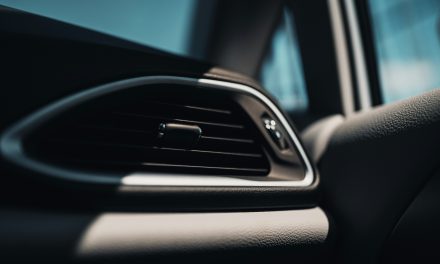
After vacuuming, it is essential to address areas that are often overlooked during routine cleaning—air vents and crevices. These spaces can harbor dust and grime that contribute to poor air quality within the vehicle. Employing a soft brush allows you to gently dislodge debris without damaging delicate components.
Carefully brush around the air vents, ensuring that you reach deep into the slats where dust tends to accumulate. Additionally, use the brush to clean around buttons, knobs, and other intricate areas that may require extra attention. This meticulous approach not only enhances the overall cleanliness of your vehicle but also promotes better airflow and ventilation.
If you’re looking to achieve a spotless car interior like a professional, you might find it helpful to explore some expert tips and techniques. One useful resource is an article that discusses effective methods for cleaning various surfaces and materials within your vehicle. For more insights on this topic, check out this informative piece on how to clean a car interior. By following these guidelines, you can ensure that your car looks and feels as good as new.
Choose the Best Cleaner for Your Upholstery Material
Selecting the appropriate cleaner for your upholstery material is paramount in achieving optimal results without causing damage. Different materials—such as fabric, leather, or vinyl—require specific cleaning agents tailored to their unique properties. For fabric upholstery, look for a pH-balanced upholstery cleaner that effectively removes stains while being gentle on fibers.
Conversely, leather requires specialized cleaners that not only cleanse but also nourish the material to prevent cracking and fading. Always refer to manufacturer guidelines when selecting cleaning products to ensure compatibility with your vehicle’s interior. By choosing the right cleaner, you can maintain the integrity of your upholstery while achieving a fresh and revitalized appearance.
Deep Clean Fabric Seats with a Steam Cleaner or Shampoo
For fabric seats that have seen better days, deep cleaning is essential to restore their original luster. Utilizing a steam cleaner or upholstery shampoo can effectively remove embedded dirt and stains while sanitizing the fabric. Steam cleaning employs high-temperature steam to penetrate fibers, loosening dirt and grime without the need for harsh chemicals.
If opting for shampooing, apply a small amount of upholstery cleaner to a microfiber cloth or sponge and work it into the fabric using circular motions. Be sure to follow up with a damp cloth to remove any residue left behind. This process not only revitalizes the appearance of your seats but also eliminates odors trapped within the fabric.
Condition Leather Seats to Prevent Cracking and Fading
Leather seats require special care to maintain their luxurious appearance and longevity. Conditioning leather is crucial in preventing cracking and fading caused by exposure to sunlight and wear over time. Begin by cleaning the leather with a gentle leather cleaner to remove dirt and oils.
Once clean, apply a high-quality leather conditioner using a soft cloth, working it into the material in circular motions. This step replenishes moisture lost over time and creates a protective barrier against environmental factors. Regular conditioning—ideally every three to six months—ensures that your leather seats remain supple and visually appealing.
Clean and Protect the Dashboard and Console Surfaces
The dashboard and console surfaces are often subjected to dust accumulation and fingerprints, detracting from the overall aesthetic of your vehicle’s interior. To clean these areas effectively, use a microfiber cloth along with an appropriate dashboard cleaner designed for automotive use.
After cleaning, consider applying a protectant specifically formulated for dashboards to shield against UV rays that can cause fading and cracking over time. This protective layer not only enhances shine but also makes future cleaning easier by preventing dust from adhering to surfaces.
Tackle Stubborn Stains with Specialized Spot Cleaners
Stains are an inevitable part of vehicle ownership; however, addressing them promptly can prevent permanent damage to upholstery or carpeting. For stubborn stains such as coffee spills or ink marks, specialized spot cleaners are invaluable tools in your cleaning arsenal.
Before applying any spot cleaner, test it on an inconspicuous area to ensure compatibility with your upholstery material. Follow the manufacturer’s instructions carefully when applying the cleaner, allowing it to sit for the recommended duration before blotting with a clean cloth. This targeted approach effectively lifts stains while minimizing damage to surrounding areas.
Clean Windows Inside and Out for Crystal Clear Visibility
Crystal clear visibility is essential for safe driving; therefore, cleaning windows both inside and out should not be overlooked during your vehicle cleaning routine. Begin by using an automotive glass cleaner specifically formulated for tinted windows if applicable.
Apply the cleaner using a microfiber cloth or paper towel in a circular motion to avoid streaks. For exterior windows, ensure that you remove any road grime or bird droppings that may have accumulated over time. A thorough window cleaning enhances visibility while contributing to an overall polished appearance.
Finish with a Fresh Scent and Regular Maintenance Tips
After completing the comprehensive cleaning process, consider adding a finishing touch—a pleasant scent that enhances your driving experience. Air fresheners or odor eliminators designed for automotive use can provide long-lasting freshness without overwhelming fragrances.
To maintain cleanliness in your vehicle moving forward, establish a regular maintenance routine that includes weekly vacuuming and monthly deep cleaning sessions. Additionally, encourage passengers to adhere to no-food policies within the car to minimize messes. By implementing these practices, you can enjoy a clean and inviting vehicle interior consistently.
In summary, maintaining a clean vehicle interior requires careful planning and execution of various cleaning tasks. By gathering appropriate supplies, removing clutter, vacuuming thoroughly, utilizing specialized cleaners for different materials, and establishing regular maintenance routines, you can ensure that your car remains in pristine condition for years to come.
FAQs
What tools do I need to clean my car interior like a professional?
To clean your car interior like a professional, you will need a vacuum cleaner with attachments, microfiber cloths, a soft brush, an upholstery cleaner, glass cleaner, and a detailing brush. Optional tools include a steam cleaner and an air compressor for hard-to-reach areas.
How do I remove stains from car upholstery?
To remove stains from car upholstery, first, identify the type of fabric and use an appropriate upholstery cleaner. Blot the stain with a clean cloth to absorb excess liquid, then apply the cleaner according to the manufacturer’s instructions. Gently scrub the area with a soft brush and blot again until the stain is lifted.
What is the best way to clean car windows?
The best way to clean car windows is to use a glass cleaner and a microfiber cloth. Spray the cleaner onto the glass and wipe in a circular motion to avoid streaks. For tough grime, you can use a detailing brush to scrub the edges and corners before wiping down with the cloth.
How often should I clean my car interior?
It is recommended to clean your car interior at least once a month to maintain a fresh and tidy environment. However, if you frequently transport pets, children, or eat in your car, you may need to clean it more often to prevent buildup of dirt and odors.
Can I use household cleaning products on my car interior?
While some household cleaning products can be used on car interiors, it is important to choose those that are safe for automotive surfaces. Avoid products containing bleach or ammonia, as they can damage upholstery and plastics. Always test a small, inconspicuous area first before applying any cleaner widely.