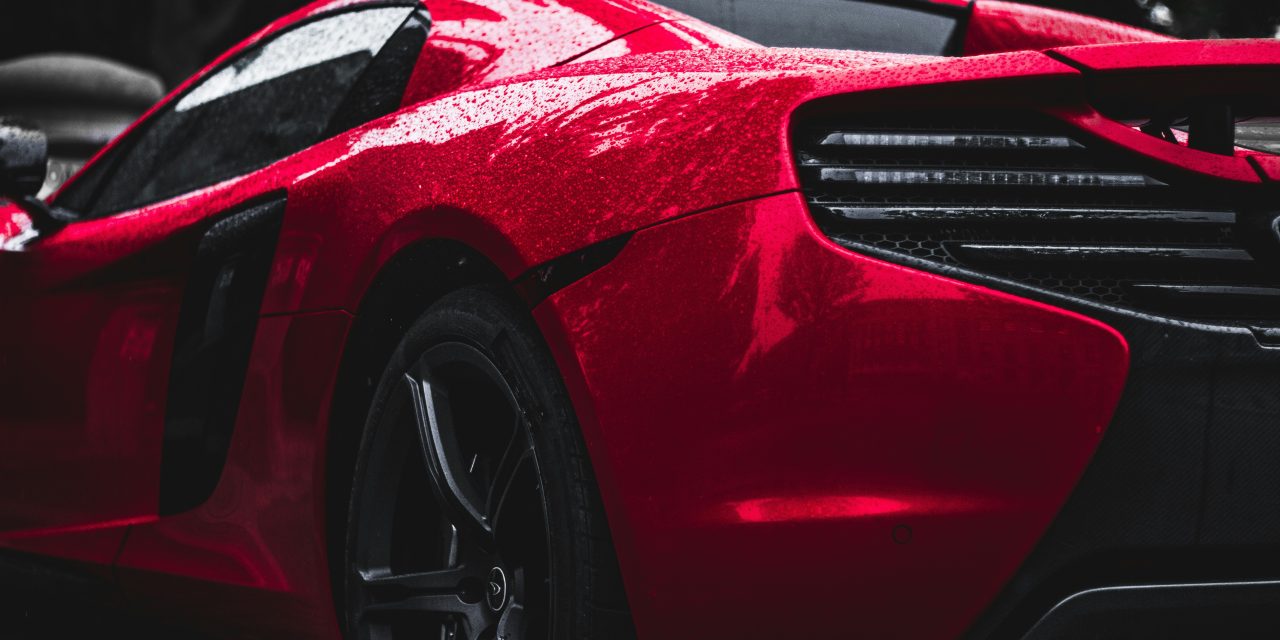
Ceramic coating is a sophisticated protective layer applied to the exterior surfaces of vehicles, primarily composed of silicon dioxide (SiO2) derived from quartz. This advanced technology creates a semi-permanent bond with the vehicle’s paint, resulting in a hydrophobic surface that repels water and contaminants. Unlike traditional wax or sealants, which provide temporary protection, ceramic coatings offer a long-lasting solution that enhances the aesthetic appeal of the vehicle while safeguarding it against environmental damage.
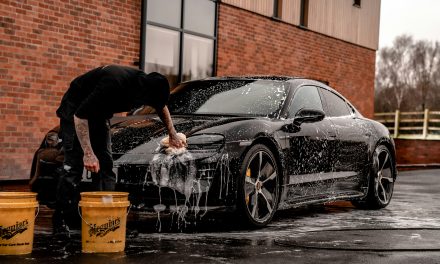
The application of ceramic coating involves a meticulous process that requires thorough preparation of the vehicle’s surface. This includes washing, decontaminating, and polishing to ensure that the paint is free from imperfections. Once the surface is adequately prepared, the ceramic coating is applied in a controlled environment to prevent dust and debris from compromising the finish. The result is a glossy, mirror-like appearance that not only elevates the vehicle’s visual appeal but also provides robust protection against UV rays, chemical stains, and oxidation.
If you’re curious about the longevity of ceramic coatings on vehicles, you might find it helpful to explore related topics that discuss car maintenance and care. For instance, an interesting article on gardening, which might seem unrelated at first, actually provides valuable insights into nurturing and protecting your investments, much like how ceramic coatings protect your car’s paint. You can check out this article on growing vibrant zinnias from seed successfully for some inspiration on how to care for your belongings: 10 Easy Steps to Grow Vibrant Zinnias from Seed Successfully.
How Does Ceramic Coating Protect Your Car?
Ceramic coatings function through a unique chemical bonding process that creates a protective layer on the vehicle’s surface. This layer acts as a barrier against various environmental hazards, including bird droppings, tree sap, road grime, and harmful UV rays. The hydrophobic properties of ceramic coatings cause water to bead up and roll off the surface, effectively carrying away dirt and contaminants in the process. This self-cleaning effect significantly reduces the frequency of washing required to maintain the vehicle’s appearance.
Moreover, ceramic coatings are resistant to chemical etching from acidic substances, which can cause irreversible damage to traditional paint finishes. The durability of ceramic coatings also means they can withstand harsher weather conditions, including extreme heat and cold, without degrading. This level of protection not only preserves the vehicle’s paint but also enhances its resale value by maintaining its aesthetic integrity over time.
The Typical Lifespan of Ceramic Coating on Cars

The longevity of ceramic coatings can vary significantly based on several factors, including the quality of the product used, environmental conditions, and maintenance practices. Generally, high-quality ceramic coatings can last anywhere from two to five years or even longer with proper care. Some premium products boast lifespans exceeding ten years under optimal conditions.
It is essential to note that while ceramic coatings are designed for durability, they are not entirely impervious to wear and tear. Over time, exposure to harsh elements and improper maintenance can lead to degradation of the coating. Therefore, understanding the expected lifespan of a specific product is crucial for vehicle owners looking to invest in this protective solution.
Factors That Influence Ceramic Coating Durability

Several variables can impact the durability of ceramic coatings on vehicles. One significant factor is environmental exposure; vehicles frequently parked outdoors are more susceptible to UV radiation, acid rain, and pollutants that can degrade the coating over time. Additionally, geographical location plays a role; areas with high humidity or extreme temperatures may accelerate wear.
Another critical aspect is the quality of the application process. A poorly applied ceramic coating may not bond effectively with the paint surface, leading to premature failure. Therefore, it is advisable to seek professional installation from certified detailers who have experience with ceramic coatings. Regular maintenance practices, such as routine washing with pH-neutral soaps and avoiding abrasive materials, also contribute significantly to extending the life of the coating.
If you’re curious about the longevity of ceramic coatings on vehicles, you might find it interesting to explore related topics that discuss car maintenance and protection. For instance, understanding the factors that influence the durability of ceramic coatings can help you make informed decisions about your vehicle’s care. You can read more about effective strategies for maintaining your car’s appearance in this informative article on dog sitting tips, which, while seemingly unrelated, emphasizes the importance of proper care and attention in any context. Check it out here: dog sitting tips.
Differences Between Ceramic Coating and Wax
Ceramic coatings and traditional waxes serve similar purposes in protecting vehicle paint but differ significantly in composition and performance. Wax is typically made from natural carnauba or synthetic materials and provides a temporary layer of protection that lasts only weeks to months. In contrast, ceramic coatings form a chemical bond with the paint surface, offering long-lasting protection that can endure for years.
Another notable difference lies in their hydrophobic properties. While both wax and ceramic coatings repel water, ceramic coatings exhibit superior beading effects due to their molecular structure. This results in enhanced self-cleaning capabilities and reduced dirt accumulation on the surface. Furthermore, ceramic coatings provide better resistance against UV rays and chemical stains compared to waxes, making them a more robust option for long-term protection.
If you’re curious about the longevity of ceramic coatings on vehicles, you might find it interesting to explore how different environmental factors can impact their durability. For a deeper understanding of maintenance and protection, check out this related article on how to find a roof leak before it causes major water damage, which highlights the importance of safeguarding your investments. You can read it here.
How to Properly Apply Ceramic Coating
The application of ceramic coating requires precision and attention to detail to achieve optimal results. The first step involves thoroughly washing the vehicle to remove dirt and contaminants. Following this, a clay bar treatment is recommended to eliminate embedded particles that could interfere with adhesion. Once the surface is clean and smooth, polishing may be necessary to correct any imperfections in the paint.
After preparing the surface, the ceramic coating can be applied using an applicator pad in small sections at a time. It is crucial to follow the manufacturer’s instructions regarding curing times and layering techniques. Once applied, the coating must cure in a controlled environment free from dust and moisture for several hours or as specified by the product guidelines. Proper curing ensures a strong bond between the coating and the paint surface.
Maintenance Tips to Extend Ceramic Coating Life
To maximize the lifespan of ceramic coatings, regular maintenance is essential. Vehicle owners should wash their cars frequently using pH-neutral soaps specifically designed for coated surfaces. Avoiding harsh chemicals or abrasive materials during cleaning will help preserve the integrity of the coating.
Additionally, periodic inspections for signs of wear or damage are advisable. If contaminants such as bird droppings or tree sap are left on the surface for extended periods, they can etch into the coating. Using a dedicated maintenance spray designed for ceramic coatings can help enhance hydrophobic properties and restore gloss between washes. Furthermore, applying a topcoat or booster product every six months can provide an additional layer of protection and prolong the life of the ceramic coating.
Signs Your Ceramic Coating Is Wearing Off
Recognizing when a ceramic coating is beginning to degrade is crucial for maintaining optimal protection for your vehicle. One of the first signs is a noticeable decrease in hydrophobic properties; if water no longer beads up on the surface but instead sheets off or pools, it may indicate that the coating is wearing thin.
Other indicators include fading or dullness in the paint’s appearance and increased difficulty in cleaning off dirt and grime. If you notice that contaminants are adhering more stubbornly than before or if swirl marks become more apparent during washing, it may be time to consider reapplication or professional assessment of your ceramic coating.
Common Myths About Ceramic Coating Longevity
Several misconceptions surround ceramic coatings that can mislead potential users regarding their effectiveness and longevity. One prevalent myth is that once applied, ceramic coatings require no maintenance whatsoever. In reality, while they do offer superior protection compared to traditional waxes, regular upkeep is essential for maximizing their lifespan.
Another common misconception is that all ceramic coatings are created equal; however, there is significant variability in quality among different products on the market. High-quality coatings often come with warranties that reflect their durability and performance capabilities. Lastly, some believe that ceramic coatings are impervious to scratches; while they do provide enhanced resistance against minor abrasions, they are not scratch-proof.
When considering whether to invest in ceramic coating for your vehicle, it is essential to weigh the costs against potential benefits. The initial investment for professional application can range from $500 to $2,000 depending on factors such as vehicle size and product quality. However, this upfront cost can be offset by long-term savings associated with reduced maintenance needs and enhanced resale value.
Ceramic coatings provide unparalleled protection against environmental damage, which can prevent costly repainting or repairs down the line. Additionally, their ability to maintain a vehicle’s aesthetic appeal contributes positively to resale value; buyers are often willing to pay more for well-maintained vehicles with preserved paintwork.
Choosing the Right Ceramic Coating Product for Your Vehicle
Selecting an appropriate ceramic coating product involves considering several factors including durability ratings, ease of application, and specific features tailored to your vehicle’s needs. Researching reputable brands known for their high-quality formulations can help ensure you choose a product that meets your expectations.
It is also advisable to consult with professional detailers who can provide insights based on their experience with various products. Some coatings offer specialized features such as enhanced UV protection or self-healing properties that may be beneficial depending on your driving conditions and climate.
In summary, ceramic coating represents an advanced solution for protecting automotive paintwork against environmental hazards while enhancing aesthetic appeal. Its longevity surpasses traditional waxes due to its chemical bonding properties; however, proper application and maintenance are crucial for maximizing its effectiveness. Understanding factors influencing durability and recognizing signs of wear can help vehicle owners make informed decisions regarding their investment in this protective technology. Ultimately, weighing costs against benefits reveals that ceramic coating can be a worthwhile investment for those seeking long-term protection for their vehicles.
FAQs
How long does ceramic coating typically last on a car?
Ceramic coating can last anywhere from 2 to 5 years, depending on the quality of the product used and the maintenance of the vehicle. Some high-end coatings may even last up to 7 years or more with proper care.
What factors can affect the longevity of ceramic coating?
Several factors can influence the lifespan of ceramic coating, including environmental conditions (such as UV exposure, acid rain, and road salt), the quality of the application, and how well the vehicle is maintained post-application.
Can ceramic coating be removed?
Yes, ceramic coating can be removed, but it typically requires a professional detailing service that uses abrasive compounds or a machine polish to safely strip the coating without damaging the underlying paint.
Is regular maintenance required for ceramic-coated cars?
Yes, regular maintenance is essential to maximize the lifespan of ceramic coating. This includes routine washing with pH-neutral soaps, avoiding harsh chemicals, and periodic inspections to ensure the coating remains intact.
Does ceramic coating provide protection against scratches?
Ceramic coating offers a certain level of scratch resistance, but it is not scratch-proof. It can help minimize minor scratches and swirl marks, but deeper scratches can still penetrate the coating and damage the paint underneath.