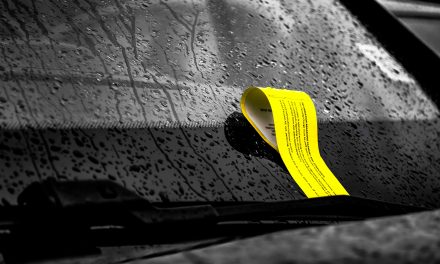
Windshield wipers are an essential component of any vehicle, serving a critical function in ensuring visibility during adverse weather conditions. These devices are designed to clear rain, snow, and debris from the windshield, allowing drivers to maintain a clear line of sight while navigating the road. The importance of functioning wipers cannot be overstated; they play a pivotal role in enhancing safety by reducing the risk of accidents caused by impaired visibility. In fact, studies indicate that poor visibility is a contributing factor in approximately 30% of all vehicular accidents.
Moreover, the effectiveness of windshield wipers is not solely dependent on their mechanical operation but also on the quality of the wiper blades themselves. High-quality wiper blades can significantly improve performance, providing a streak-free wipe and ensuring that water is efficiently removed from the glass surface. As such, understanding the various aspects of windshield wipers, including their types, sizes, and maintenance, is crucial for every vehicle owner.
When selecting the appropriate size for your windshield wipers, it’s essential to consider various factors such as your vehicle’s make and model, as well as the specific weather conditions you often encounter. For further insights on maintaining your vehicle during adverse weather, you might find this article on dealing with roof damage after storms particularly useful. It provides valuable tips on how to protect your home and vehicle from the elements. You can read it here: Missing Roof Shingles: What to Do After Wind or Storm Damage.
Top 10 Windshield Wipers on the Market in 2024
As we delve into the current market offerings, several windshield wipers stand out for their performance, durability, and innovative features. Here are the top ten windshield wipers for 2024:
1. **Bosch ICON**: Renowned for its beam design, the Bosch ICON offers superior performance in extreme weather conditions, featuring a patented tension spring that ensures consistent contact with the windshield.
2. **Rain-X Latitude**: This hybrid wiper blade combines the best features of both conventional and beam blades, providing excellent water removal and a sleek design that reduces wind lift.
3. **Michelin Stealth Ultra**: With its unique Smart-Flex technology, this wiper adapts to the curvature of the windshield for optimal contact and performance.
4. **Anco 31-Series**: A reliable choice for budget-conscious consumers, the Anco 31-Series provides solid performance with easy installation and a durable rubber blade.
5. **Valeo 900 Series**: Known for its quiet operation and aerodynamic design, this wiper blade is engineered to minimize drag while maximizing visibility.
6. **Trico Exact Fit**: Designed specifically for certain vehicle models, Trico Exact Fit blades ensure a perfect match and optimal performance tailored to your car.
7. **PIAA Super Silicone**: This premium option features silicone rubber that not only wipes clean but also repels water, enhancing visibility during heavy rain.
8. **AC Delco Advantage**: A dependable choice for everyday use, AC Delco Advantage blades offer good performance at an affordable price point.
9. **Denso First Time Fit**: These wipers are designed for easy installation and provide reliable performance with a focus on durability.
10. **SWF VisioFlex**: This innovative blade features a unique design that allows for maximum flexibility and contact with the windshield, ensuring a streak-free wipe.
Key Features to Look for in Quality Wiper Blades

When selecting windshield wipers, several key features should be considered to ensure optimal performance and longevity. First and foremost is the **blade material**; high-quality rubber or silicone materials are essential for effective wiping and resistance to wear over time. Silicone blades, in particular, offer enhanced durability and can repel water more effectively than traditional rubber blades.
Another critical feature is the **design type** of the wiper blade. Beam blades are typically more aerodynamic and provide better contact with the windshield compared to conventional blades. Additionally, look for features such as **easy installation mechanisms**, which can save time and effort during replacement. Some blades come with pre-installed adapters that simplify the installation process significantly.
Furthermore, consider the **size compatibility** with your vehicle’s make and model. Using the correct size ensures that the blades function effectively without leaving streaks or uncleaned areas on the windshield. Lastly, check for any **warranty or satisfaction guarantees** offered by manufacturers; this can provide peace of mind regarding your investment in quality wipers.
How Windshield Wiper Sizes Affect Performance

The size of windshield wipers plays a crucial role in their overall performance. Wiper blades come in various lengths, typically ranging from 14 inches to 28 inches or more, depending on the vehicle type. Using the correct size is vital; if the blades are too short, they may not cover enough surface area to clear water effectively. Conversely, if they are too long, they may extend beyond the windshield’s edge, leading to potential damage or ineffective wiping.
Moreover, improperly sized wipers can cause uneven pressure distribution across the blade’s surface, resulting in streaking or missed spots during operation. This can significantly impair visibility during rain or snow conditions, increasing the risk of accidents. Therefore, it is essential to consult your vehicle’s manual or use online resources to determine the appropriate size for your specific make and model.
When selecting the appropriate size for your windshield wipers, it’s essential to consider various factors to ensure optimal performance and safety while driving. For a comprehensive guide on maintaining a clean vehicle interior, you might find this article on removing pet hair from blankets and bedding particularly useful, as it highlights the importance of keeping your car free from distractions and debris. Properly sized wipers not only enhance visibility during adverse weather conditions but also contribute to a more pleasant driving experience.
Step-by-Step Guide to Measuring Your Current Wiper Blades
Measuring your current windshield wiper blades is a straightforward process that can be accomplished with just a few simple steps:
1. **Gather Tools**: You will need a measuring tape or ruler for accurate measurements.
2. **Lift the Wiper Arm**: Gently lift the wiper arm away from the windshield until it locks into place.
3. **Measure Blade Length**: Using your measuring tape or ruler, measure from one end of the blade to the other in inches. Be sure to measure only the rubber part of the blade and not any metal or plastic components.
4. **Record Measurements**: Write down your measurements for both driver-side and passenger-side blades, as they may differ in length.
5. **Check Vehicle Manual**: Cross-reference your measurements with your vehicle’s manual or manufacturer specifications to confirm accuracy.
6. **Consider Seasonal Changes**: If you live in an area with varying weather conditions, consider measuring again before winter or summer seasons to ensure optimal performance.
When it comes to maintaining your vehicle, choosing the right size windshield wipers is essential for ensuring clear visibility during rain or snow. If you’re unsure about how to select the perfect wipers for your car, you might find it helpful to read a related article that discusses various factors to consider. For more insights on this topic, check out this informative piece on how to choose the right size windshield wipers. Understanding the right dimensions and types of wipers can significantly enhance your driving experience and safety on the road.
Understanding Different Types of Wiper Blades: Beam, Conventional, and Hybrid
Windshield wipers come in three primary types: beam blades, conventional blades, and hybrid blades. Each type has its unique characteristics and advantages.
**Beam Blades**: These are designed without a traditional frame and feature a sleek aerodynamic shape that allows them to conform better to the curvature of modern windshields. Beam blades provide superior performance in heavy rain and snow due to their consistent pressure distribution across the entire blade length.
**Conventional Blades**: The most common type found on older vehicles, conventional blades consist of a metal frame that holds the rubber blade in place. While they are generally less expensive than beam blades, they may not perform as well in extreme weather conditions due to their susceptibility to ice buildup.
**Hybrid Blades**: As the name suggests, hybrid blades combine elements from both beam and conventional designs. They typically feature a rigid frame covered by a protective shell that enhances aerodynamics while maintaining structural integrity. Hybrid blades offer excellent performance across various weather conditions and are often favored by drivers seeking versatility.
How to Choose the Right Wiper Blade Size for Your Car Model
Selecting the appropriate wiper blade size for your vehicle involves several considerations:
1. **Consult Your Owner’s Manual**: The most reliable source for determining wiper blade size is your vehicle’s owner’s manual. It will provide specific measurements for both front and rear wipers if applicable.
2. **Use Online Resources**: Many automotive websites offer tools where you can input your vehicle’s make, model, and year to find compatible wiper sizes.
3. **Visit an Auto Parts Store**: Local auto parts retailers often have reference charts available that list compatible sizes based on vehicle specifications.
4. **Consider Seasonal Variations**: If you frequently drive in harsh weather conditions, you may want to opt for slightly longer blades that provide better coverage during heavy rain or snow.
5. **Check Existing Blades**: If you are replacing old blades, simply measure them as previously described to ensure you purchase an equivalent size.
Installation Tips for Replacing Your Windshield Wipers
Replacing windshield wipers is a relatively simple task that can be accomplished with minimal tools:
1. **Purchase Compatible Blades**: Ensure you have selected the correct size and type of wiper blades based on your measurements or vehicle specifications.
2. **Lift Wiper Arms**: Gently lift each wiper arm away from the windshield until they lock into an upright position.
3. **Remove Old Blades**: Locate the release tab on your existing wiper blade; press it down while sliding the blade off the arm.
4. **Attach New Blades**: Align the new blade with the arm’s hook or attachment point; slide it into place until you hear a click indicating it is securely attached.
5. **Lower Wiper Arms**: Carefully lower each wiper arm back onto the windshield once both new blades are installed.
6. **Test Functionality**: Turn on your vehicle’s ignition and activate the wipers to ensure they operate smoothly without any obstructions or noise.
Maintenance Tips to Extend the Life of Your Wiper Blades
To maximize the lifespan of your windshield wipers and maintain optimal performance, consider implementing these maintenance tips:
1. **Regular Cleaning**: Periodically clean both the windshield and wiper blades using a soft cloth and mild detergent to remove dirt and debris that can cause wear over time.
2. **Inspect for Damage**: Routinely check your wiper blades for signs of wear such as cracks or fraying rubber edges; replace them immediately if any damage is detected.
3. **Avoid Dry Wiping**: Always ensure that your windshield is wet before activating your wipers; dry wiping can lead to premature wear on both blades and glass surfaces.
4. **Store Properly During Off-Season**: If you live in an area with harsh winters or extreme heat, consider lifting your wipers off the windshield when parked for extended periods to prevent them from sticking or warping.
5. **Use Quality Products**: Invest in high-quality washer fluid that contains cleaning agents; this will help keep both your windshield and wipers clean while enhancing visibility during inclement weather.
Common Mistakes to Avoid When Buying Windshield Wipers
When purchasing windshield wipers, several common pitfalls should be avoided:
1. **Ignoring Size Specifications**: Failing to verify compatibility with your vehicle’s specifications can lead to purchasing incorrect sizes that do not fit properly.
2. **Opting for Cheap Alternatives**: While budget options may seem appealing initially, investing in high-quality blades will yield better performance and longevity over time.
3. **Neglecting Seasonal Changes**: Not considering seasonal variations can result in inadequate performance during extreme weather conditions; always choose blades suited for your local climate.
4. **Overlooking Installation Instructions**: Skipping installation guidelines can lead to improper attachment or functionality issues; always follow manufacturer instructions carefully.
5. **Failing to Replace Regularly**: Many drivers underestimate how often wiper blades should be replaced; aim for replacement every six months to one year depending on usage and environmental factors.
Final Recommendations: Matching the Best Wipers to Your Driving Needs
In conclusion, selecting the right windshield wipers involves careful consideration of various factors including size compatibility, blade type, and maintenance practices. For those who frequently drive in heavy rain or snow conditions, investing in high-quality beam or hybrid blades will provide superior performance and safety benefits. Conversely, drivers who primarily navigate milder climates may find conventional blades sufficient for their needs.
Ultimately, understanding your driving habits and environmental conditions will guide you toward making informed decisions regarding windshield wiper selection and maintenance practices. By prioritizing quality over cost and adhering to recommended replacement schedules, you can ensure optimal visibility and safety on every journey you undertake.
FAQs
How do I determine the correct size for my windshield wipers?
To determine the correct size for your windshield wipers, you can consult your vehicle’s owner manual, which typically lists the appropriate sizes for both the driver and passenger side wipers. Alternatively, you can measure the existing wipers from end to end or use an online wiper size lookup tool by entering your vehicle’s make, model, and year.
Are windshield wipers sold in pairs or individually?
Windshield wipers are generally sold both individually and in pairs. It’s common to purchase them in pairs for optimal performance, as the driver and passenger side wipers may differ in size. However, if only one wiper needs replacement, you can buy a single wiper blade.
What happens if I use the wrong size windshield wipers?
Using the wrong size windshield wipers can lead to inadequate coverage of the windshield, resulting in poor visibility during rain or snow. Additionally, improperly sized wipers may not fit securely, which can cause them to lift off the windshield at high speeds or create streaks and noise during operation.
Can I use different sizes for the driver and passenger side wipers?
Yes, it is common for vehicles to have different sizes for the driver and passenger side wipers. It is important to use the correct size for each side to ensure optimal performance and coverage. Always refer to your vehicle’s specifications to find the appropriate sizes for both wipers.
How often should I replace my windshield wipers?
Windshield wipers should typically be replaced every 6 to 12 months, depending on usage and environmental conditions. Factors such as exposure to sunlight, extreme temperatures, and frequent use can wear out the wipers more quickly. Regularly inspecting your wipers for signs of wear, such as streaking or skipping, can help determine when it’s time for a replacement.