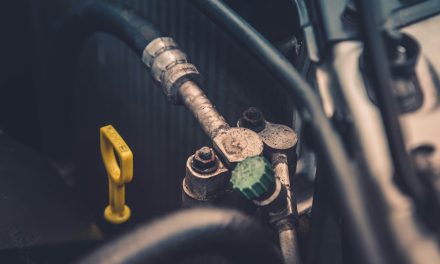
The car thermostat is a critical component of the vehicle’s cooling system, serving as a temperature-regulating valve that controls the flow of coolant between the engine and the radiator. Its primary function is to maintain optimal engine temperature, ensuring that the engine operates efficiently and preventing overheating. When the engine is cold, the thermostat remains closed, allowing the engine to warm up quickly. Once the desired temperature is reached, typically around 195°F to 220°F (90°C to 105°C), the thermostat opens, enabling coolant to circulate through the engine and radiator, dissipating excess heat.
In addition to regulating temperature, the thermostat plays a vital role in enhancing fuel efficiency and reducing emissions. An engine that operates at its optimal temperature burns fuel more efficiently, leading to improved performance and lower greenhouse gas emissions. Therefore, understanding the function of the thermostat is essential for maintaining vehicle health and performance.
If you’re experiencing issues with your vehicle’s cooling system, it may be time to check if your car’s thermostat is functioning properly. A related article that offers practical tips on maintaining an organized home can be found at 10 Easy Ways to Organize Paper Clutter and Household Mail Fast. While it may not directly address automotive concerns, staying organized can help you keep track of important vehicle maintenance records and reminders.
Common Causes of Thermostat Failure
Thermostat failure can occur due to various factors, including age, corrosion, and mechanical wear. Over time, the internal components of the thermostat may degrade, leading to malfunction. Corrosion can result from prolonged exposure to coolant, especially if it has not been changed regularly or contains contaminants. Mechanical wear can also occur due to thermal cycling, where repeated heating and cooling cycles cause stress on the thermostat’s materials.
Another common cause of failure is the accumulation of debris or sludge within the cooling system. This buildup can obstruct the thermostat’s movement, preventing it from opening or closing properly. Additionally, improper installation or using substandard replacement parts can lead to premature thermostat failure. Regular maintenance and timely replacement of coolant can help mitigate these issues.
Sign 1: Engine Overheating Frequently

One of the most apparent signs of a failing thermostat is frequent engine overheating. When the thermostat fails to open, coolant cannot circulate through the engine, causing temperatures to rise dangerously high. This overheating can lead to severe engine damage, including warped cylinder heads or blown head gaskets. If you notice that your engine temperature gauge consistently reads in the red zone or if you experience steam rising from under the hood, it is crucial to address this issue immediately.
In some cases, a stuck-open thermostat can also cause overheating by allowing too much coolant to flow through the radiator too quickly, preventing adequate heat exchange. Regardless of the specific failure mode, consistent overheating is a clear indication that your thermostat may need inspection or replacement.
Sign 2: Temperature Gauge Fluctuations

Another significant indicator of a malfunctioning thermostat is erratic fluctuations in the temperature gauge. A properly functioning thermostat should maintain a steady temperature reading within the normal operating range. If you observe that your temperature gauge bounces between high and low readings without any apparent reason, this inconsistency may suggest that the thermostat is stuck in an open or closed position.
Fluctuations can also lead to inconsistent engine performance and fuel efficiency issues. When the engine temperature is not stable, it can affect fuel combustion and overall vehicle operation. If you experience these fluctuations, it is advisable to have your cooling system inspected by a qualified technician.
If you’re experiencing issues with your vehicle’s temperature regulation, it might be time to check if your car thermostat is bad. Symptoms such as overheating or fluctuating temperature gauges can indicate a malfunctioning thermostat. For a deeper understanding of how to diagnose and resolve this issue, you can refer to a related article that provides valuable insights on car maintenance. Additionally, if you’re looking for tips on keeping your furry friend comfortable while you’re away, you might find this article on dog boarding facilities particularly helpful.
Sign 3: Heater Not Working Properly
A malfunctioning thermostat can also impact your vehicle’s heating system. If you find that your cabin heater is blowing cold air or only producing lukewarm air when set to high heat, this could indicate that the thermostat is stuck open. In this scenario, coolant continuously flows through the radiator without allowing enough hot coolant to reach the heater core.
Conversely, if your heater suddenly starts blowing hot air after being cold for a while, it may suggest that the thermostat has intermittently opened and closed. This inconsistency can lead to discomfort during colder months and may require immediate attention to ensure proper heating functionality.
If you’re experiencing issues with your vehicle’s temperature gauge or suspect that your engine is overheating, it may be time to check the thermostat. A malfunctioning thermostat can lead to a range of problems, including poor engine performance and increased fuel consumption. To learn more about diagnosing this issue, you can read a helpful article on how to tell if a car thermostat is bad. Additionally, if you’re looking for tips on cooking, you might find this article on cooking frozen shrimp without thawing quite interesting.
Sign 4: Coolant Leaks Near the Thermostat
Coolant leaks are another telltale sign of thermostat issues. If you notice puddles of coolant forming beneath your vehicle or around the thermostat housing, it may indicate that the gasket has failed or that there is a crack in the housing itself. A leaking thermostat can lead to a loss of coolant, which exacerbates overheating problems and can cause significant engine damage if not addressed promptly.
Regularly inspecting your vehicle for signs of coolant leaks can help catch these issues early on. If you suspect a leak near the thermostat area, it is essential to have it checked by a professional mechanic who can diagnose and repair any underlying problems.
Sign 5: Poor Fuel Economy
A malfunctioning thermostat can also contribute to poor fuel economy. When an engine runs too cold due to a stuck-open thermostat, it may not reach its optimal operating temperature. This inefficiency leads to incomplete combustion of fuel and increased emissions. As a result, drivers may notice a decrease in miles per gallon (MPG) and an increase in fuel consumption.
If you find yourself refueling more frequently than usual without any other changes in driving habits or conditions, it may be time to investigate whether your thermostat is functioning correctly. Addressing this issue can lead to improved fuel efficiency and reduced costs at the pump.
Sign 6: Engine Running Too Cold
Conversely, if your engine consistently runs too cold—typically below 195°F (90°C)—it may indicate that your thermostat is stuck open. An engine that does not reach its optimal operating temperature can lead to increased wear and tear on internal components over time. Additionally, running too cold can result in poor fuel combustion and increased emissions.
If you notice that your temperature gauge rarely rises above its normal range or if you feel that your engine takes an unusually long time to warm up during colder weather, it is essential to have your thermostat evaluated by a professional technician.
Sign 7: Check Engine Light Comes On
The check engine light (CEL) serves as an alert for various issues within your vehicle’s systems, including potential problems with the cooling system and thermostat. If your CEL illuminates alongside other symptoms such as overheating or fluctuating temperature readings, it may indicate that your thermostat requires attention.
Modern vehicles are equipped with onboard diagnostic systems that monitor various parameters related to engine performance and emissions control. A malfunctioning thermostat can trigger error codes related to engine temperature regulation, prompting the check engine light to activate. If this occurs, it is advisable to have your vehicle scanned for diagnostic trouble codes (DTCs) to identify any underlying issues.
How to Visually Inspect Your Car Thermostat
Visually inspecting your car’s thermostat can provide valuable insights into its condition without requiring extensive mechanical knowledge. Begin by locating the thermostat housing; this is typically situated near where the upper radiator hose connects to the engine block. Once located, check for any visible signs of leakage or corrosion around the housing area.
Next, inspect the hoses connected to the thermostat for any cracks or bulges that could indicate wear or damage. Additionally, look for any signs of coolant residue around the housing or hoses, which may suggest leaks. If you notice any abnormalities during your inspection, it may be time for further evaluation by a qualified mechanic.
Step-by-Step Guide to Testing Your Thermostat at Home
Testing your car’s thermostat at home can be accomplished with some basic tools and knowledge. Follow these steps for an effective evaluation:
1. **Gather Tools**: You will need a thermometer (preferably an infrared thermometer), pliers, and safety gloves.
2. **Warm Up Engine**: Start your vehicle and allow it to reach normal operating temperature while monitoring the temperature gauge.
3. **Check Temperature**: Use your thermometer to measure the temperature at the upper radiator hose after approximately 10-15 minutes of running time.
4. **Observe Thermostat Behavior**: As the engine reaches its operating temperature (around 195°F), feel for warmth in the upper radiator hose; it should become hot as coolant begins circulating.
5. **Evaluate Results**: If the hose remains cool while the engine overheats or if there are significant discrepancies in temperature readings, this indicates a faulty thermostat that requires replacement.
6. **Consult Professional**: If you suspect a malfunction but are unsure about performing repairs yourself, consult with a qualified mechanic for further diagnosis and service.
In summary, understanding your car’s thermostat is crucial for maintaining optimal engine performance and preventing overheating issues. Recognizing signs of failure—such as frequent overheating, fluctuating temperature gauges, heater malfunctions, coolant leaks, poor fuel economy, low operating temperatures, and check engine light activation—can help you address problems early on. Regular inspections and timely replacements are essential for ensuring your vehicle runs smoothly and efficiently over time.
FAQs
What are the symptoms of a bad car thermostat?
Common symptoms of a bad car thermostat include overheating engine, fluctuating temperature gauge readings, coolant leaks, and poor heater performance. If the engine temperature rises above normal or the gauge fluctuates erratically, it may indicate a malfunctioning thermostat.
How can I test if my car thermostat is working properly?
You can test the thermostat by allowing the engine to reach operating temperature and checking if the upper radiator hose gets hot. If the hose remains cool while the engine is hot, the thermostat may be stuck closed. Alternatively, you can remove the thermostat and place it in boiling water to see if it opens at the correct temperature.
What happens if I drive with a bad thermostat?
Driving with a bad thermostat can lead to engine overheating, which may cause severe engine damage, including warped cylinder heads or a blown head gasket. It can also result in poor fuel efficiency and reduced performance due to improper engine temperature regulation.
How often should I replace my car thermostat?
Typically, a car thermostat should be replaced every 10 to 15 years or as part of regular maintenance, especially if you notice symptoms of failure. However, it’s essential to consult your vehicle’s owner manual for specific recommendations based on your car’s make and model.
Can a bad thermostat cause coolant leaks?
Yes, a bad thermostat can cause coolant leaks. If the thermostat is stuck closed, it can create excessive pressure in the cooling system, leading to leaks at weak points such as hoses or the radiator. Additionally, a malfunctioning thermostat may cause the coolant to overheat and expand, resulting in leaks.