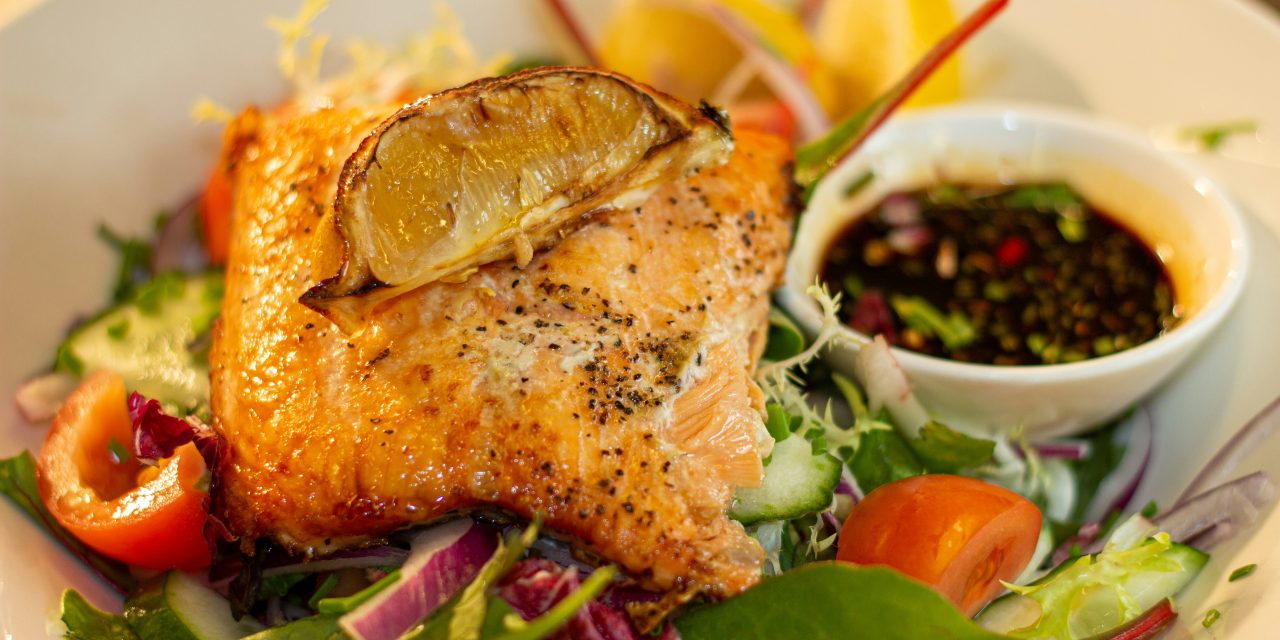
When embarking on the culinary journey of pan-cooking salmon, selecting the appropriate fillet is paramount. The quality of the fish significantly influences the final dish’s flavor and texture. Freshness is the first criterion; opt for salmon that has a vibrant color, firm texture, and a mild oceanic aroma. Wild-caught salmon, such as Sockeye or King, is often preferred for its rich flavor profile and higher omega-3 fatty acid content compared to farmed varieties. However, farmed salmon can also be a viable option if sourced from reputable suppliers that prioritize sustainable practices.
Another critical factor is the cut of the fillet. Salmon fillets can be found in various forms, including skin-on and skinless, as well as center-cut or tail-end pieces. For pan-cooking, skin-on fillets are ideal as they provide a protective layer that helps retain moisture during cooking while also allowing for crispy skin—a hallmark of a well-prepared salmon dish. Center-cut fillets are generally thicker and more uniform in size, ensuring even cooking throughout.
If you’re looking to elevate your culinary skills, mastering the art of cooking salmon in a pan with crispy skin is a fantastic technique to learn. Not only does it result in a deliciously flavorful dish, but it also showcases the beautiful presentation of the fish. For those interested in meal prep, you might also enjoy exploring easy breakfast options that can be made ahead and frozen. Check out this related article on easy breakfast burritos to make ahead and freeze for some quick and convenient meal ideas.
Preparing the Salmon: Cleaning and Patting Dry
Once you have selected your salmon fillet, the next step involves proper preparation to ensure optimal cooking results. Begin by rinsing the fillet under cold running water to remove any residual scales or impurities. This step is crucial for maintaining cleanliness and enhancing the overall flavor of the dish. After rinsing, gently pat the salmon dry using paper towels. This process is essential as excess moisture can hinder the development of a crispy skin during cooking.
In addition to drying, it is advisable to inspect the fillet for any pin bones that may have been left behind during processing. Using a pair of fish tweezers or needle-nose pliers, carefully remove any visible bones to ensure a pleasant dining experience. Properly preparing your salmon not only enhances its flavor but also contributes to a more aesthetically pleasing presentation on the plate.
Seasoning Your Salmon for Maximum Flavor

Seasoning is a critical component in elevating the taste of your pan-cooked salmon. A simple yet effective approach involves using kosher salt and freshly cracked black pepper as your base seasoning. Generously sprinkle salt on both sides of the fillet, allowing it to penetrate the flesh and enhance its natural flavors. The addition of black pepper provides a subtle heat that complements the richness of the fish.
For those seeking to explore more complex flavor profiles, consider incorporating herbs and spices such as dill, thyme, or paprika. A marinade made from olive oil, lemon juice, garlic, and fresh herbs can also be an excellent way to infuse additional flavor into the salmon. Allowing the fillet to marinate for at least 30 minutes before cooking can significantly enhance its taste and tenderness.
Selecting the Best Pan and Oil for Crispy Skin

The choice of cookware plays a pivotal role in achieving perfectly pan-cooked salmon with crispy skin. A heavy-bottomed skillet or cast-iron pan is recommended due to its ability to retain heat evenly, ensuring consistent cooking throughout the fillet. Non-stick pans can also be used but may not yield the same level of crispiness as traditional cookware.
When it comes to oil selection, opt for oils with high smoke points such as canola oil, grapeseed oil, or avocado oil. These oils can withstand higher temperatures without burning, allowing for optimal searing of the salmon skin. A combination of oil and butter can also be employed; starting with oil to achieve a high initial temperature and finishing with butter for added flavor and richness.
If you’re looking to elevate your cooking skills, mastering the art of cooking salmon in a pan with crispy skin is a fantastic technique to learn. Not only does it create a deliciously textured dish, but it also pairs wonderfully with various sides. For those interested in enhancing their culinary repertoire, you might find it helpful to explore how to make bread dough rise in a cold kitchen, as the skills you develop there can complement your salmon dish beautifully. Check out the article for some great tips here.
Heating the Pan to the Perfect Temperature
Achieving the ideal cooking temperature is crucial for pan-cooking salmon effectively. Begin by preheating your chosen pan over medium-high heat for several minutes until it becomes hot enough to create a sizzle when the fish is added. A properly heated pan ensures that the skin crisps up beautifully while preventing the flesh from becoming overcooked.
To test if the pan is ready, drop a small amount of water onto its surface; if it dances and evaporates immediately, you are at the right temperature. If using butter in conjunction with oil, add it once the oil begins to shimmer—this indicates that it has reached an appropriate temperature without burning.
If you’re looking to master the art of cooking salmon in a pan with crispy skin, you might find it helpful to explore some related techniques that enhance your overall cooking skills. For instance, understanding the differences between natural release and quick release methods can significantly impact how you prepare various dishes. You can read more about this in the article on natural release vs. quick release, which provides valuable insights that could complement your salmon cooking experience.
Placing the Salmon Skin-Side Down: Key Techniques
When placing your salmon in the pan, always start with the skin-side down. This technique serves multiple purposes: it protects the delicate flesh from direct heat while allowing the skin to crisp up beautifully. Gently lay the fillet away from you in the pan to prevent any splattering of hot oil.
To ensure even cooking and prevent sticking, avoid moving the salmon around in the pan during the initial cooking phase. Allow it to sear undisturbed for several minutes until you notice a golden-brown crust forming on the skin. This process not only enhances flavor but also creates an appealing texture that contrasts with the tender flesh.
Timing the Cook for Crispy Skin and Tender Flesh
Timing is essential when cooking salmon to achieve both crispy skin and tender flesh. Generally, a rule of thumb is to cook salmon for approximately 4-6 minutes per side, depending on thickness. For fillets that are about one inch thick, start by cooking skin-side down for about 5 minutes before checking for doneness.
To determine if your salmon is cooked through, look for an internal temperature of 145°F (63°C) as measured by an instant-read thermometer inserted into the thickest part of the fillet. The flesh should appear opaque and flake easily with a fork while still retaining moisture. Overcooking can lead to dryness; therefore, monitoring time closely is crucial.
Flipping the Salmon Without Breaking the Fillet
Flipping salmon can be a daunting task due to its delicate nature; however, with proper technique, it can be accomplished seamlessly. After allowing sufficient time for searing, use a thin spatula to gently lift one edge of the fillet. If it releases easily from the pan without sticking, it is ready to be flipped.
Carefully slide the spatula underneath the fillet while supporting it with your other hand or another spatula on top. In one smooth motion, turn it over onto its other side without applying excessive pressure that could cause it to break apart. This technique ensures that both sides receive equal exposure to heat while maintaining an intact presentation.
Finishing Touches: Adding Butter and Aromatics
Once your salmon has been flipped and cooked through, consider adding finishing touches that elevate its flavor profile further. A tablespoon of unsalted butter can be introduced into the pan during the last minute of cooking; this not only adds richness but also helps baste the fish as it melts.
Incorporating aromatics such as minced garlic or fresh herbs like thyme or rosemary into the butter creates an aromatic infusion that enhances both taste and aroma. As you spoon this mixture over the salmon, it will absorb these flavors while continuing to cook gently in its own juices.
Resting the Salmon Before Serving
Resting is an often-overlooked step in cooking fish but is essential for achieving optimal texture and flavor. After removing your salmon from the pan, allow it to rest on a plate for about 3-5 minutes before serving. This resting period enables juices within the fish to redistribute evenly throughout its flesh, resulting in a moist and flavorful bite.
Covering the salmon loosely with aluminum foil during this time can help retain warmth without causing it to steam excessively. This simple yet effective technique ensures that each serving remains succulent and enjoyable.
Serving Suggestions to Complement Pan-Cooked Salmon
To create a well-rounded meal featuring your pan-cooked salmon, consider pairing it with complementary sides that enhance its flavors without overpowering them. Roasted vegetables such as asparagus or Brussels sprouts provide a delightful crunch and earthy notes that balance out the richness of the fish.
For starch options, consider serving alongside quinoa or wild rice pilaf infused with herbs and citrus zest for added brightness. A light salad featuring mixed greens dressed in a lemon vinaigrette can also serve as a refreshing accompaniment that cuts through any richness from sauces or butter used during cooking.
In conclusion, mastering pan-cooked salmon involves careful selection of ingredients, precise techniques, and thoughtful presentation. By following these guidelines—from choosing quality fillets to perfecting cooking methods—you can create an exquisite dish that showcases this beloved fish’s natural flavors while delighting your guests’ palates.
### FAQ Section
1. **What type of salmon is best for pan-cooking?**
– Wild-caught varieties like Sockeye or King are preferred due to their rich flavor and higher omega-3 content.
2. **How do I know if my salmon is fresh?**
– Look for vibrant color, firm texture, and a mild oceanic smell; avoid any fish with dull coloration or strong odors.
3. **Can I use frozen salmon?**
– Yes, but ensure it is fully thawed before cooking for even results.
4. **What’s the best way to store leftover cooked salmon?**
– Store in an airtight container in the refrigerator for up to three days; reheat gently to avoid drying out.
5. **How do I prevent my salmon from sticking to the pan?**
– Ensure your pan is adequately heated before adding oil and avoid moving the fish until it’s ready to flip.
6. **What internal temperature should cooked salmon reach?**
– Salmon should reach an internal temperature of 145°F (63°C) for safe consumption.
7. **Can I use olive oil instead of other oils?**
– While olive oil can be used, choose light olive oil with a higher smoke point for best results when searing.
8. **What are some good marinades for salmon?**
– Marinades made from olive oil, lemon juice, garlic, soy sauce, or honey work well to enhance flavor.
9. **How long should I cook salmon on each side?**
– Generally 4-6 minutes per side depending on thickness; monitor closely to avoid overcooking.
10. **What sides pair well with pan-cooked salmon?**
– Roasted vegetables, quinoa pilaf, or light salads complement salmon beautifully without overpowering its flavor.
In summary, mastering pan-cooked salmon involves selecting quality ingredients and employing precise techniques throughout preparation and cooking processes. By focusing on freshness, seasoning appropriately, utilizing proper cookware, and timing your cooking accurately, you can create an exquisite dish that highlights this beloved fish’s natural flavors while delighting your guests’ palates.
FAQs
What type of salmon is best for pan-searing with crispy skin?
For pan-searing with crispy skin, wild-caught salmon, such as sockeye or king salmon, is often preferred due to its rich flavor and firmer texture. However, farmed salmon can also work well if it has a good layer of fat under the skin, which helps achieve crispiness.
How do I prepare the salmon skin for cooking?
To prepare the salmon skin, start by patting the fillet dry with paper towels to remove excess moisture. This step is crucial for achieving crispy skin. You can also score the skin lightly with a sharp knife to prevent it from curling during cooking.
What cooking oil is best for achieving crispy skin on salmon?
Using an oil with a high smoke point, such as canola oil, grapeseed oil, or avocado oil, is ideal for cooking salmon with crispy skin. These oils can withstand higher temperatures without burning, allowing the skin to crisp up nicely.
What temperature should the pan be before adding the salmon?
The pan should be preheated over medium-high heat before adding the salmon. A properly heated pan will help sear the skin quickly, creating a crispy texture. You can test the heat by adding a drop of water; it should sizzle and evaporate immediately.
How long should I cook the salmon skin-side down?
Cook the salmon skin-side down for about 5 to 7 minutes, depending on the thickness of the fillet. Avoid moving the salmon during this time to allow the skin to crisp up. Once the skin is golden brown and crispy, you can flip the fillet to cook the other side for an additional 2 to 4 minutes.