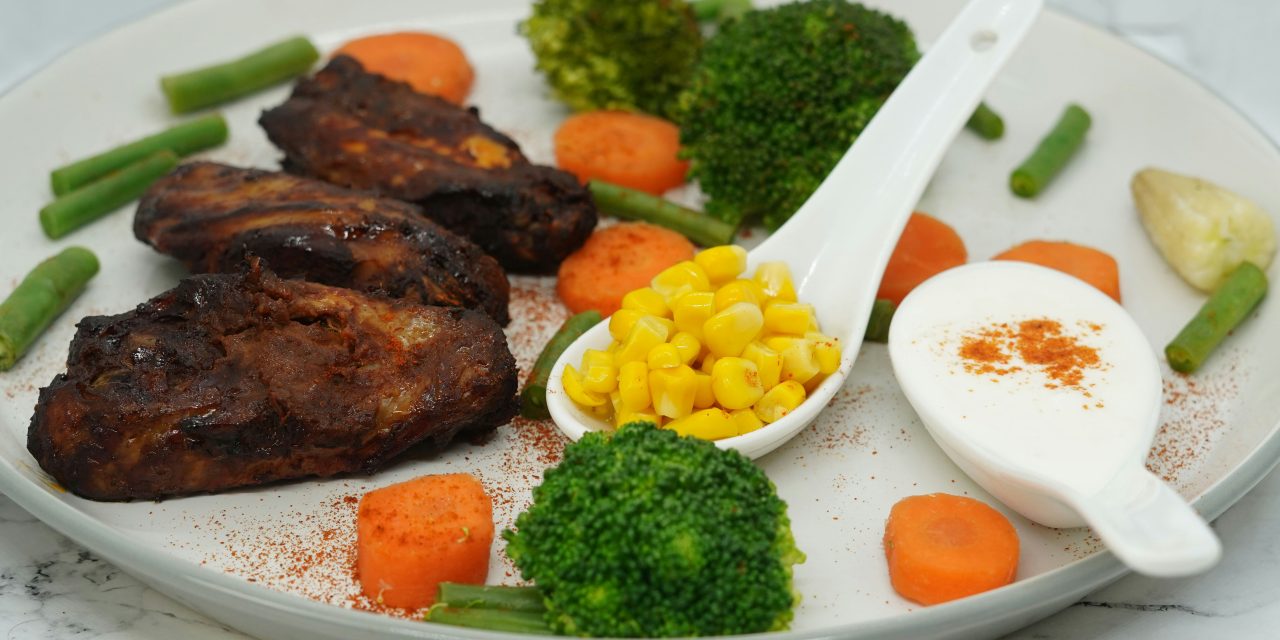
When embarking on the culinary journey of preparing pork ribs, selecting the appropriate cut is paramount. The two most popular types of pork ribs are baby back ribs and spare ribs. Baby back ribs, also known as loin ribs, are shorter and leaner, typically measuring about 3 to 6 inches in length. They are prized for their tenderness and mild flavor, making them a favorite among many barbecue enthusiasts. On the other hand, spare ribs are larger and meatier, originating from the belly area of the pig. They possess a richer flavor profile due to their higher fat content, which contributes to their juiciness when cooked properly.
In addition to baby back and spare ribs, St. Louis-style ribs are another option worth considering. These are spare ribs that have been trimmed to create a more uniform shape, removing the sternum bone and cartilage. This cut is favored for its presentation and ease of cooking. When choosing your ribs, look for a cut with a good amount of marbling, as this intramuscular fat will render during cooking, enhancing flavor and tenderness. Always opt for fresh ribs over frozen ones, as freezing can compromise texture and taste.
If you’re looking to elevate your BBQ pork ribs experience, you might find it interesting to explore how to create a delicious pan sauce using the drippings from your meat. This technique can add an extra layer of flavor to your meal, making it even more enjoyable. For a detailed guide on making a pan sauce from steak or chicken drippings, check out this informative article here.
Preparing the Ribs: Trimming and Removing the Membrane
Preparation is crucial in achieving succulent pork ribs. Begin by trimming excess fat from the surface of the ribs. While some fat is beneficial for flavor and moisture, too much can lead to greasy results. Use a sharp knife to carefully remove any large chunks of fat, ensuring not to cut into the meat itself. This step not only improves the overall taste but also allows for better seasoning penetration.
Another essential preparation step is removing the membrane from the back of the ribs. This thin, silvery skin can hinder flavor absorption and create a chewy texture if left intact. To remove it, slide a knife under one corner of the membrane and gently lift it away from the meat. Once you have a firm grip, pull it off slowly; using a paper towel can help provide traction. Properly prepared ribs will yield a more enjoyable eating experience, allowing flavors to meld beautifully during cooking.
Crafting the Perfect Dry Rub for Flavor

A well-crafted dry rub is integral to enhancing the flavor profile of your pork ribs. The foundation of any dry rub typically includes salt and sugar, which work together to create a balanced taste while aiding in moisture retention during cooking. Beyond these basics, consider incorporating spices such as paprika for smokiness, garlic powder for depth, and black pepper for heat. Experimenting with additional ingredients like cumin or cayenne pepper can elevate your rub to new heights.
To create your dry rub, combine your chosen spices in a bowl and mix thoroughly. Generously apply the rub to both sides of the ribs, ensuring an even coating. For optimal flavor infusion, allow the seasoned ribs to rest for at least 30 minutes before cooking; however, letting them marinate overnight in the refrigerator will yield even more pronounced flavors. The dry rub not only enhances taste but also forms a delicious crust during cooking, contributing to the overall texture of the finished dish.
Marinating: How Long and Why It Matters

Marinating pork ribs is an excellent way to infuse them with flavor while also tenderizing the meat. The duration of marination can significantly impact the final outcome; typically, a minimum of 30 minutes is recommended for surface flavor absorption. However, marinating for several hours or overnight allows deeper penetration of flavors and enzymes that break down tough muscle fibers.
When selecting a marinade, consider using acidic components such as vinegar or citrus juice, which help tenderize the meat while adding brightness to the flavor profile. Additionally, incorporating ingredients like soy sauce or Worcestershire sauce can enhance umami notes. After marinating, be sure to pat the ribs dry before applying your dry rub; this ensures that the seasoning adheres properly and creates a flavorful crust during cooking.
If you’re looking to elevate your barbecue game, you might want to check out this delicious recipe for 3-ingredient peanut butter cookies that pairs perfectly with oven baked BBQ pork ribs. The simplicity of the cookie recipe complements the rich flavors of the ribs, making for a delightful meal. Whether you’re hosting a gathering or just enjoying a cozy dinner at home, these two dishes together create a memorable dining experience.
Setting the Oven Temperature for Slow Cooking
The key to achieving tender and juicy pork ribs lies in slow cooking at a low temperature. Preheat your oven to 225°F (107°C) for optimal results. This low-and-slow method allows collagen in the meat to break down gradually, resulting in fall-off-the-bone tenderness without drying out the meat.
Cooking at this temperature also allows flavors to develop fully while maintaining moisture levels. If you prefer a slightly faster method without sacrificing tenderness, you can increase the temperature to 250°F (121°C), but be cautious not to exceed this range as higher temperatures can lead to tougher meat. Using an oven thermometer can help ensure accuracy in temperature settings.
When it comes to cooking pork ribs, one critical decision is whether to wrap them in foil or leave them uncovered during baking. Wrapping ribs in aluminum foil creates a steaming effect that helps retain moisture and tenderness throughout the cooking process. This method is particularly beneficial for tougher cuts like spare ribs, as it accelerates cooking while ensuring juiciness.
Alternatively, cooking ribs uncovered allows for better bark formation on the exterior due to direct exposure to heat. This method is ideal if you prefer a crispy crust on your ribs. A popular compromise is to start cooking uncovered for a few hours before wrapping them in foil for the final stages of cooking; this approach combines both tenderness and texture.
Timing Your Bake: How Long to Cook for Juicy Ribs
Timing is crucial when baking pork ribs to achieve that perfect balance of tenderness and juiciness. Generally, baby back ribs require about 2.5 to 3 hours of cooking time at 225°F (107°C), while spare ribs may take closer to 3 to 4 hours due to their larger size and higher fat content. It’s essential to monitor internal temperatures; pork should reach an internal temperature of at least 190°F (88°C) for optimal tenderness.
Using a meat thermometer can help ensure accuracy without opening the oven door frequently, which can disrupt cooking temperatures. Additionally, consider checking for doneness by observing how easily the meat pulls away from the bone; this visual cue can be just as telling as temperature readings.
Applying BBQ Sauce: When and How to Glaze
The application of barbecue sauce is an art form that can elevate your pork ribs from delicious to extraordinary. Timing is critical; applying sauce too early can lead to burning due to high sugar content in most sauces. Instead, wait until the last 30 minutes of cooking before glazing your ribs with sauce.
To apply BBQ sauce effectively, use a basting brush or spoon to coat both sides evenly without overwhelming the dry rub underneath. For added depth of flavor, consider layering sauces; start with a base layer of your favorite BBQ sauce followed by a sprinkle of additional dry rub before applying another layer of sauce. This technique creates complexity in flavor while ensuring that each bite is packed with deliciousness.
Finishing Techniques: Broiling for a Perfect Caramelized Crust
Once your pork ribs have reached their desired tenderness and have been glazed with BBQ sauce, it’s time for finishing touches that will create an irresistible caramelized crust. Broiling is an excellent technique for achieving this effect; simply transfer your ribs under the broiler for 5-10 minutes until they develop a beautiful charred exterior.
Keep a close eye on them during this process; broiling can quickly turn from perfect caramelization to burnt if left unattended. Rotate the ribs halfway through broiling for even browning on all sides. The result will be a mouthwatering crust that contrasts beautifully with the tender meat beneath.
Resting the Ribs Before Serving
Resting is an often-overlooked step that plays a vital role in ensuring juicy pork ribs upon serving. After removing them from the oven or broiler, allow your ribs to rest for at least 10-15 minutes before slicing into them. This resting period enables juices within the meat to redistribute evenly throughout, preventing them from spilling out when cut.
Covering the ribs loosely with aluminum foil during this time can help retain warmth without trapping steam that could make them soggy. Once rested, slice between the bones using a sharp knife for clean cuts that showcase your beautifully cooked ribs.
Serving Suggestions and Side Dishes to Complement Your BBQ Ribs
To create a well-rounded meal featuring your succulent pork ribs, consider pairing them with complementary side dishes that enhance their flavors while providing balance on the plate. Classic options include coleslaw—a crunchy counterpart that adds freshness—and baked beans that offer sweetness and depth.
Cornbread is another excellent choice; its slightly sweet flavor pairs wonderfully with smoky BBQ flavors while providing satisfying texture contrast. For those seeking lighter options, grilled vegetables or a simple green salad can provide refreshing elements alongside rich pork dishes.
In summary, preparing pork ribs involves careful selection of cuts, meticulous preparation techniques such as trimming and marinating, and precise cooking methods that ensure tenderness and flavor development. By mastering these steps—from crafting an ideal dry rub to perfecting glazing techniques—you can create mouthwatering BBQ ribs that will impress family and friends alike while enjoying delicious side dishes that complement this beloved dish perfectly!
FAQs
What type of ribs are best for oven-baked BBQ pork ribs?
For oven-baked BBQ pork ribs, baby back ribs and spare ribs are the most popular choices. Baby back ribs are leaner and more tender, while spare ribs have more meat and fat, which can result in a richer flavor. Both types can be delicious when cooked properly.
How long should I cook ribs in the oven?
Ribs should typically be cooked in the oven for about 2.5 to 3 hours at a low temperature, around 275°F (135°C). This slow cooking method helps to break down the connective tissues, making the ribs tender and flavorful. You can finish them off with a higher temperature or broil for a few minutes to caramelize the BBQ sauce.
Should I wrap the ribs in foil while baking?
Yes, wrapping the ribs in foil during the first part of the cooking process helps to retain moisture and steam the meat, resulting in tender ribs. After a couple of hours, you can unwrap them to allow the BBQ sauce to caramelize and develop a nice glaze.
What is the best way to season BBQ pork ribs?
The best way to season BBQ pork ribs is to use a dry rub made from a combination of spices such as paprika, brown sugar, garlic powder, onion powder, salt, and pepper. You can also add cayenne pepper for heat or other spices to suit your taste. Apply the rub generously and let the ribs marinate for at least an hour or overnight for maximum flavor.
Can I use store-bought BBQ sauce for my ribs?
Absolutely! Store-bought BBQ sauce can be a convenient and tasty option for your ribs. You can choose from a variety of flavors and styles, such as sweet, tangy, or spicy. For a homemade touch, consider mixing in additional ingredients like honey, mustard, or hot sauce to customize the flavor to your liking.