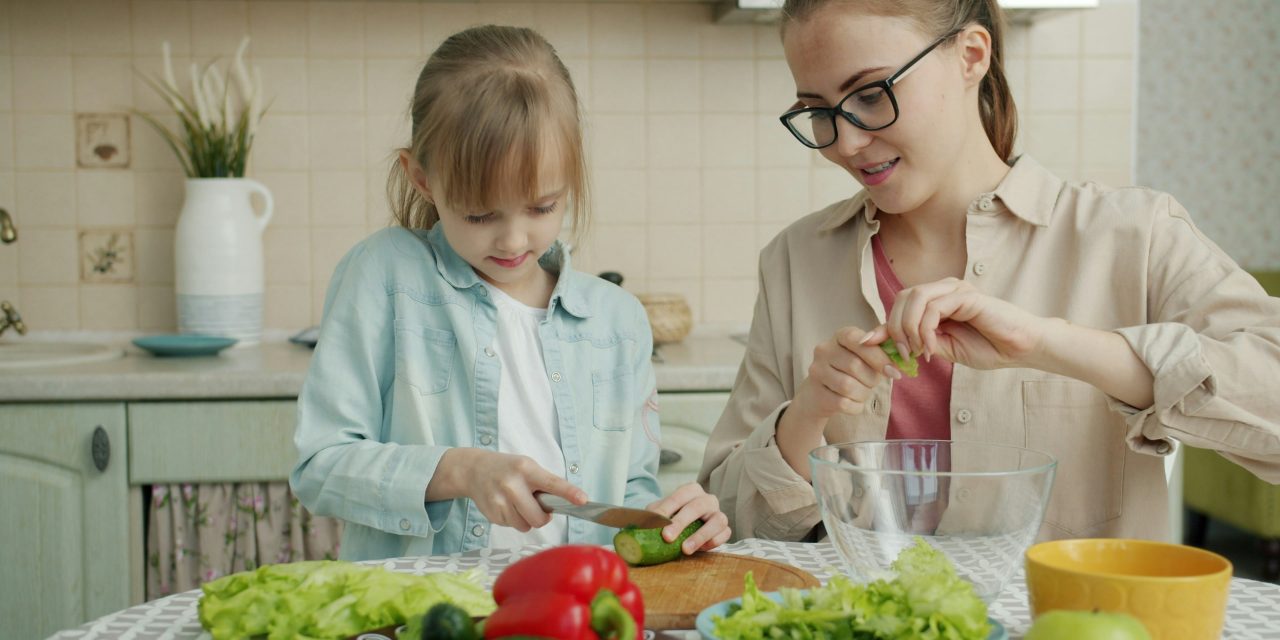
Engaging children in the culinary arts offers a multitude of benefits that extend far beyond the kitchen. Cooking with kids fosters essential life skills, enhances cognitive development, and promotes healthy eating habits. When children participate in meal preparation, they gain hands-on experience that cultivates their fine motor skills, such as chopping, stirring, and measuring. These activities not only improve dexterity but also boost their confidence as they see their efforts culminate in a delicious dish.
Moreover, cooking together serves as an excellent opportunity for family bonding. It encourages communication and teamwork, allowing parents and children to collaborate on a shared goal. This interaction can strengthen relationships and create lasting memories. Additionally, involving kids in the kitchen can instill a sense of responsibility and independence, as they learn to follow recipes and make choices about ingredients. Ultimately, cooking with children is a delightful way to nurture their creativity while imparting valuable lessons about nutrition and healthy living.
Recipe 1: No-Bake Chocolate Peanut Butter Bars
No-bake chocolate peanut butter bars are a delightful treat that combines simplicity with indulgence. This recipe requires minimal ingredients and no oven time, making it perfect for young chefs eager to create something sweet without the complexities of baking. To prepare these bars, gather the following ingredients: 1 cup of creamy peanut butter, 1 cup of rolled oats, ½ cup of honey, and 1 cup of chocolate chips.
Begin by mixing the peanut butter, honey, and oats in a large bowl until well combined. Once the mixture reaches a uniform consistency, press it into a lined baking dish. Melt the chocolate chips in a microwave-safe bowl or over a double boiler, then pour the melted chocolate over the oat mixture. Refrigerate for at least two hours until firm, then cut into squares. These bars are not only delicious but also provide a nutritious energy boost thanks to the protein from peanut butter and fiber from oats.
Recipe 2: Mini Pita Pizzas

Mini pita pizzas are an excellent way to introduce children to the concept of customizing their meals while enjoying a classic favorite. This recipe is versatile and allows kids to choose their toppings, making it an interactive culinary experience. To create these delightful pizzas, you will need whole wheat pita bread, marinara sauce, shredded mozzarella cheese, and an assortment of toppings such as pepperoni, bell peppers, olives, and mushrooms.
Start by preheating the oven to 400°F (200°C). Spread a thin layer of marinara sauce on each pita bread, followed by a generous sprinkle of mozzarella cheese. Encourage children to get creative by adding their favorite toppings. Place the assembled mini pizzas on a baking sheet and bake for approximately 10-12 minutes or until the cheese is bubbly and golden brown. These mini pizzas are not only fun to make but also provide an opportunity for kids to explore different flavors and textures.
Recipe 3: Fruit and Yogurt Parfait

Fruit and yogurt parfaits are a nutritious and visually appealing option that encourages children to enjoy healthy snacks. This recipe is simple yet allows for endless variations based on seasonal fruits and personal preferences. Gather ingredients such as Greek yogurt, granola, and a selection of fresh fruits like strawberries, blueberries, bananas, or kiwi.
To assemble the parfaits, start by layering Greek yogurt at the bottom of a clear cup or bowl. Next, add a layer of granola followed by a layer of fresh fruit. Repeat the layers until the cup is filled to the top. This colorful treat not only looks enticing but also provides essential vitamins and minerals from the fruits while delivering protein from the yogurt. Encourage children to experiment with different combinations to discover their favorite flavor profiles.
Recipe 4: Rainbow Veggie Wraps
Rainbow veggie wraps are an excellent way to introduce children to a variety of vegetables while promoting healthy eating habits. This recipe is not only visually appealing but also packed with nutrients. To create these vibrant wraps, gather whole wheat tortillas, hummus or cream cheese, and an assortment of colorful vegetables such as bell peppers, carrots, cucumbers, and spinach.
Begin by spreading a layer of hummus or cream cheese on each tortilla. Next, arrange the sliced vegetables in a rainbow pattern across the tortilla. Roll it tightly from one end to the other and slice it into pinwheels or halves for easy handling. These wraps are not only nutritious but also provide an opportunity for children to learn about different vegetables and their health benefits while enjoying a delicious meal.
Recipe 5: Easy Cheese Quesadillas
Cheese quesadillas are a quick and satisfying dish that can be easily prepared with minimal supervision from adults. This recipe requires just two main ingredients: flour tortillas and shredded cheese. However, children can personalize their quesadillas by adding ingredients such as cooked chicken, beans, or vegetables.
To prepare the quesadillas, heat a skillet over medium heat and place one tortilla in the pan. Sprinkle a generous amount of shredded cheese on top and cover it with another tortilla. Cook for about 2-3 minutes on each side until the tortillas are golden brown and the cheese has melted. Cut into wedges and serve with salsa or guacamole for dipping. This dish not only satisfies hunger but also teaches children basic cooking techniques such as flipping and timing.
Recipe 6: Homemade Banana Ice Cream
Homemade banana ice cream is a delightful treat that requires only one ingredient: ripe bananas! This recipe is an excellent way to introduce children to healthy dessert alternatives while satisfying their sweet tooth. Begin by peeling ripe bananas and slicing them into small pieces before freezing them for at least two hours.
Once frozen, place the banana slices in a food processor or blender and blend until smooth and creamy. The result is a luscious ice cream-like texture without any added sugars or artificial ingredients. Children can customize their banana ice cream by adding mix-ins such as cocoa powder for chocolate flavor or peanut butter for added richness. This simple recipe not only promotes healthy eating but also encourages creativity in the kitchen.
Recipe 7: Simple Sandwich Sushi Rolls
Simple sandwich sushi rolls are an innovative way to make lunchtime fun while encouraging kids to try new flavors. This recipe transforms traditional sandwiches into bite-sized sushi rolls that are easy to prepare and enjoyable to eat. Gather ingredients such as whole wheat bread, cream cheese, deli meats (like turkey or ham), and thinly sliced vegetables like cucumbers or carrots.
To create these sushi rolls, start by removing the crusts from each slice of bread and flattening them with a rolling pin. Spread cream cheese evenly over each slice before layering deli meat and vegetables on top. Roll the bread tightly from one end to the other and slice into bite-sized pieces resembling sushi rolls. These playful creations not only make lunchtime exciting but also encourage children to explore different flavor combinations.
Recipe 8: Fun Fruit Kabobs
Fun fruit kabobs are an engaging way to encourage children to consume more fruits while promoting creativity in food presentation. This recipe requires minimal preparation and can be customized based on seasonal fruits available in your area. Gather skewers or toothpicks along with an assortment of colorful fruits such as grapes, melon balls, strawberries, pineapple chunks, and blueberries.
To assemble the kabobs, simply thread pieces of fruit onto skewers in any order desired. Encourage children to create patterns or color combinations as they build their kabobs. These fruity creations not only provide essential vitamins but also serve as an interactive snack that can be enjoyed at parties or picnics.
Recipe 9: DIY Trail Mix
DIY trail mix is an excellent way for children to learn about portion control while enjoying a nutritious snack packed with energy-boosting ingredients. This recipe allows kids to customize their trail mix based on personal preferences while incorporating various food groups such as nuts, seeds, dried fruits, and whole-grain cereals.
To create trail mix, provide a selection of ingredients such as almonds, walnuts, sunflower seeds, raisins, dried cranberries, and whole-grain cereal clusters. Allow children to mix their chosen ingredients in a bowl or jar until they achieve their desired combination. This snack not only promotes healthy eating habits but also teaches kids about balancing flavors and textures.
Recipe 10: Mini Pancake Stacks with Berries
Mini pancake stacks with berries are a delightful breakfast option that allows children to take part in preparing their morning meal while enjoying delicious flavors. This recipe requires basic pancake ingredients such as flour, milk, eggs, baking powder, and fresh berries like blueberries or strawberries.
To prepare mini pancakes, combine flour, baking powder, milk, and eggs in a mixing bowl until smooth. Heat a non-stick skillet over medium heat and pour small amounts of batter onto the skillet to form mini pancakes. Cook until bubbles form on the surface before flipping them over until golden brown on both sides. Stack the pancakes high and top them with fresh berries for added flavor and nutrition. This breakfast option not only satisfies hunger but also encourages children to explore cooking techniques like flipping pancakes.
In summary, cooking with kids provides numerous benefits ranging from skill development to fostering healthy eating habits. The recipes outlined above offer simple yet engaging ways for children to participate in meal preparation while exploring various flavors and textures. By involving kids in cooking activities, parents can create lasting memories while instilling valuable life skills that will serve them well into adulthood.
FAQs
What are some easy recipes to cook with kids?
Some easy recipes to cook with kids include homemade pizza, fruit kabobs, pancakes, and simple pasta dishes. These recipes are not only fun to make but also allow kids to participate in various steps, such as mixing, measuring, and decorating.
At what age can children start cooking?
Children can start cooking as early as 2 or 3 years old with simple tasks like washing vegetables or stirring ingredients. As they grow older, they can take on more complex tasks, such as chopping and using the stove, typically around ages 7 to 10, depending on their maturity and skill level.
How can I make cooking more engaging for kids?
To make cooking more engaging for kids, involve them in the planning process by letting them choose recipes, allow them to decorate their dishes, and use colorful ingredients. Additionally, you can turn cooking into a game or challenge, such as a timed cooking contest or a themed dinner night.
What safety tips should I consider when cooking with kids?
When cooking with kids, it’s important to establish safety rules, such as washing hands before cooking, using oven mitts when handling hot items, and supervising them closely when using sharp utensils or the stove. Teaching them about kitchen safety can help prevent accidents and build their confidence.
How can cooking help children develop skills?
Cooking helps children develop various skills, including fine motor skills through chopping and mixing, math skills through measuring ingredients, and reading skills by following recipes. Additionally, cooking fosters creativity and encourages teamwork when preparing meals together.