The culinary world is a vibrant tapestry woven from the diverse threads of culture, tradition, and history. Each region of the globe boasts its own unique flavors, techniques, and ingredients that reflect the local environment and the people who inhabit it. From the rich, hearty dishes of Europe to the delicate, intricate flavors of Asia, global cuisine offers an endless array of tastes and experiences. This exploration of international gastronomy not only tantalizes the palate but also serves as a gateway to understanding different cultures and their histories.
As we embark on this gastronomic journey, we will delve into various cuisines that have captivated food enthusiasts worldwide. Each section will highlight the distinctive characteristics of these culinary traditions, showcasing signature dishes, cooking methods, and the cultural significance behind them. By examining these global flavors, we can appreciate the artistry involved in cooking and the communal joy that food brings to people across continents.
Italian Cuisine: A Symphony of Pasta and Pizza
Italian cuisine is renowned for its emphasis on fresh ingredients, simplicity, and regional diversity. At its core lies a deep appreciation for quality produce, meats, and cheeses, which are often sourced locally. The hallmark of Italian cooking is its pasta, which comes in countless shapes and sizes, each suited to specific sauces and preparations. From the delicate strands of angel hair to the robust tubes of rigatoni, pasta serves as a canvas for a myriad of flavors.
Pizza, another iconic Italian dish, has transcended borders to become a global favorite. Originating from Naples, traditional Neapolitan pizza features a thin crust topped with San Marzano tomatoes, fresh mozzarella di bufala, basil, and a drizzle of extra virgin olive oil. The balance of flavors and textures creates a harmonious experience that is both comforting and satisfying. Italian cuisine also celebrates regional specialties such as risotto from Lombardy and osso buco from Milan, showcasing the diversity within this beloved culinary tradition.
Japanese Cuisine: The Art of Sushi and Ramen

Japanese cuisine is characterized by its meticulous attention to detail and presentation. The philosophy of “umami,” often referred to as the fifth taste, plays a crucial role in Japanese cooking, emphasizing savory flavors derived from ingredients like soy sauce, miso, and dashi. Sushi is perhaps the most recognized aspect of Japanese gastronomy, where vinegared rice is paired with fresh seafood or vegetables. The artistry involved in sushi-making is evident in the precision required to slice fish and assemble each piece with care.
Ramen, another staple of Japanese cuisine, has gained immense popularity worldwide. This noodle soup dish varies significantly across regions, with variations such as tonkotsu (pork bone broth), shoyu (soy sauce), and miso ramen offering distinct flavor profiles. The combination of rich broth, chewy noodles, and an array of toppings such as soft-boiled eggs, green onions, and nori creates a comforting meal that warms both body and soul. Japanese cuisine embodies a deep respect for seasonal ingredients and culinary traditions that have been passed down through generations.
Mexican Cuisine: Bold and Spicy Street Food

Mexican cuisine is a vibrant celebration of flavors that reflects its indigenous roots and Spanish influences. Known for its bold spices and colorful presentations, this culinary tradition emphasizes the use of fresh ingredients such as corn, beans, avocados, and chilies. Street food plays a significant role in Mexican culture, with vendors offering an array of tantalizing options like tacos, tamales, and elote (grilled corn on the cob).
Tacos are perhaps the most iconic Mexican dish, featuring a variety of fillings ranging from marinated meats to grilled vegetables. The versatility of tacos allows for endless combinations of flavors and textures. Salsas made from roasted tomatoes or tomatillos add an extra layer of complexity to each bite. Additionally, mole sauce—a rich blend of spices, chocolate, and chilies—exemplifies the depth of flavor found in Mexican cooking. This cuisine not only satisfies hunger but also fosters community through shared meals and festive gatherings.
Indian Cuisine: A Journey Through Aromatic Spices
Indian cuisine is renowned for its complex flavors and aromatic spices that create an explosion of taste in every dish. The use of spices such as cumin, coriander, turmeric, and cardamom is integral to Indian cooking, contributing to both flavor and health benefits. Each region in India boasts its own culinary traditions influenced by geography, climate, and cultural practices.
Curries are a cornerstone of Indian cuisine, with variations ranging from creamy butter chicken to spicy vindaloo. The art of balancing spices is crucial in achieving the desired flavor profile. Additionally, Indian cuisine features an array of vegetarian dishes that highlight lentils, chickpeas, and seasonal vegetables. Biryani—a fragrant rice dish layered with marinated meat or vegetables—showcases the intricate layering of flavors that defines Indian cooking. The communal aspect of dining is also significant in Indian culture, where meals are often shared among family and friends.
French Cuisine: Elegance in Every Bite
French cuisine is synonymous with sophistication and culinary artistry. Renowned for its techniques and presentation, French cooking emphasizes precision and attention to detail. Classic dishes such as coq au vin (chicken braised in red wine) and bouillabaisse (a fish stew) exemplify the depth of flavor achieved through careful preparation.
The French culinary tradition also places great importance on sauces—ranging from velouté to hollandaise—that elevate dishes to new heights. Pastry-making is another hallmark of French cuisine; delicate creations like croissants and éclairs showcase the skill involved in achieving flaky textures and rich flavors. Dining in France is often viewed as an experience rather than just a meal; the emphasis on ambiance and presentation reflects the cultural significance placed on food.
Thai Cuisine: Balancing Sweet, Sour, and Spicy
Thai cuisine is celebrated for its harmonious balance of flavors—sweetness, sourness, spiciness, and saltiness—all working together to create a symphony on the palate. Fresh herbs such as cilantro and basil play a vital role in enhancing dishes while providing aromatic qualities that are characteristic of Thai cooking.
Signature dishes like pad Thai—a stir-fried noodle dish with shrimp or chicken—showcase the interplay between sweet tamarind sauce and spicy chili flakes. Tom Yum soup exemplifies the bold flavors found in Thai cuisine with its combination of lemongrass, lime juice, chili paste, and shrimp or chicken. The use of coconut milk in curries adds richness while balancing out spiciness. Thai cuisine invites diners to explore a diverse range of textures and flavors that leave a lasting impression.
Lebanese Cuisine: Fresh and Flavorful Mediterranean Delights
Lebanese cuisine embodies the essence of Mediterranean cooking with its emphasis on fresh ingredients and vibrant flavors. Known for its use of herbs like parsley and mint along with spices such as sumac and za’atar, Lebanese dishes are both healthy and delicious. Mezze—a selection of small dishes served as appetizers—offers a delightful introduction to this culinary tradition.
Hummus (a chickpea dip) and tabbouleh (a parsley salad) are staples that showcase the freshness inherent in Lebanese cooking. Grilled meats such as kebabs are marinated with aromatic spices before being cooked over an open flame, imparting smoky flavors that enhance their appeal. The communal aspect of dining is central to Lebanese culture; meals are often enjoyed with family and friends around a shared table laden with colorful dishes.
Chinese Cuisine: Diverse Regional Specialties
Chinese cuisine is one of the most diverse culinary traditions globally, encompassing a wide range of regional specialties that reflect local ingredients and cooking techniques. From the fiery dishes of Sichuan province to the delicate flavors found in Cantonese cooking, each region offers unique interpretations that contribute to China’s rich gastronomic heritage.
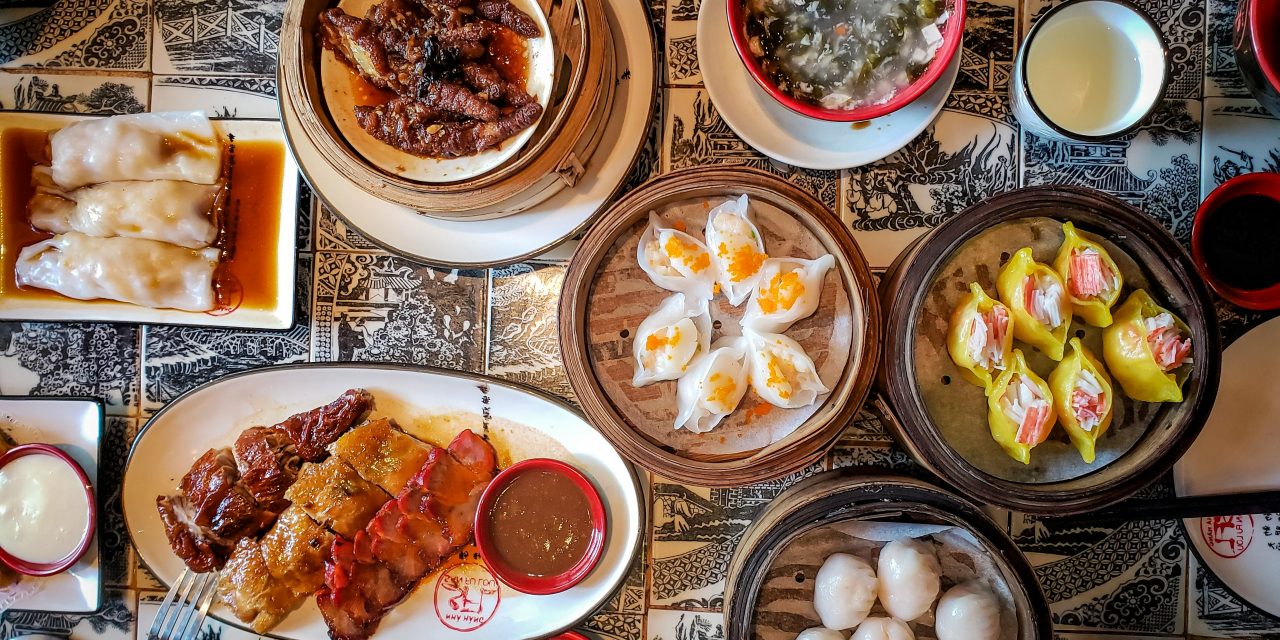
Dim sum—a collection of bite-sized dishes served in steamer baskets—exemplifies Cantonese culinary artistry while providing an interactive dining experience. In contrast, Peking duck showcases the mastery involved in preparing crispy-skinned duck served with thin pancakes and hoisin sauce. Noodles play a significant role across various regions; hand-pulled noodles from Lanzhou are celebrated for their chewy texture while stir-fried noodles from Shanghai offer bold flavors enhanced by soy sauce.
Ethiopian Cuisine: Communal Eating and Unique Flavors
Ethiopian cuisine is distinguished by its communal dining style centered around injera—a sourdough flatbread that serves as both a plate and utensil. Diners gather around a shared platter filled with an array of stews known as wot made from lentils or meats seasoned with berbere spice blend—a hallmark flavor profile in Ethiopian cooking.
The use of spices such as fenugreek and cardamom adds depth to dishes while highlighting Ethiopia’s rich agricultural heritage. Meals are often enjoyed without utensils; instead, diners tear off pieces of injera to scoop up flavorful stews—a practice that fosters connection among those sharing the meal. Ethiopian coffee ceremonies further emphasize hospitality within this culture; coffee beans are roasted before being brewed in front of guests—a ritual steeped in tradition.
Peruvian Cuisine: Fusion of Indigenous and International Tastes
Peruvian cuisine represents a fusion of indigenous ingredients with influences from Spanish colonization as well as Asian immigration—creating a unique culinary landscape characterized by bold flavors and innovative techniques. Staples such as potatoes (of which Peru boasts thousands of varieties) play a central role alongside corn and quinoa.
Ceviche—a dish made from fresh raw fish marinated in citrus juices—is perhaps Peru’s most famous culinary export; it showcases the country’s commitment to freshness while highlighting local seafood. Additionally, dishes like lomo saltado—a stir-fry combining beef with Asian-inspired flavors—illustrate how diverse influences have shaped Peruvian gastronomy over time. The vibrant colors found in Peruvian dishes reflect not only their aesthetic appeal but also the rich agricultural biodiversity present within this South American nation.
In summary, global cuisines offer an extraordinary exploration into diverse cultures through their unique flavors and culinary traditions. From Italian pasta to Ethiopian communal meals, each cuisine tells a story that connects people across borders through shared experiences centered around food. As we continue to embrace these global flavors in our own kitchens or dining experiences abroad, we celebrate not only the artistry involved but also the connections forged through shared meals across cultures worldwide.
FAQs
What are some popular international cuisines?
Some popular international cuisines include Italian, Chinese, Indian, Mexican, and French. Each of these cuisines is known for its unique flavors, ingredients, and cooking techniques that reflect the culture and traditions of their respective countries.
How do international cuisines vary by region?
International cuisines vary significantly by region due to differences in climate, geography, and available ingredients. For example, Mediterranean cuisines often feature olive oil and fresh vegetables, while Asian cuisines may emphasize rice and spices. These regional variations contribute to the diversity of flavors and dishes found around the world.
What are some common ingredients used in international cuisines?
Common ingredients used in international cuisines include rice, pasta, beans, spices, herbs, and various meats and vegetables. Each cuisine has its own staple ingredients that are essential for creating traditional dishes, such as basil in Italian cooking or soy sauce in Asian dishes.
How has globalization affected international cuisines?
Globalization has led to the fusion of different culinary traditions, resulting in new dishes that combine elements from various cuisines. This has made international foods more accessible and popular worldwide, allowing people to experience diverse flavors and cooking styles that were previously limited to specific regions.
What role does culture play in international cuisines?
Culture plays a significant role in shaping international cuisines, as food is often intertwined with traditions, rituals, and social practices. Cultural influences can dictate cooking methods, meal presentation, and even the significance of certain dishes during festivals or celebrations, making cuisine a vital aspect of cultural identity.