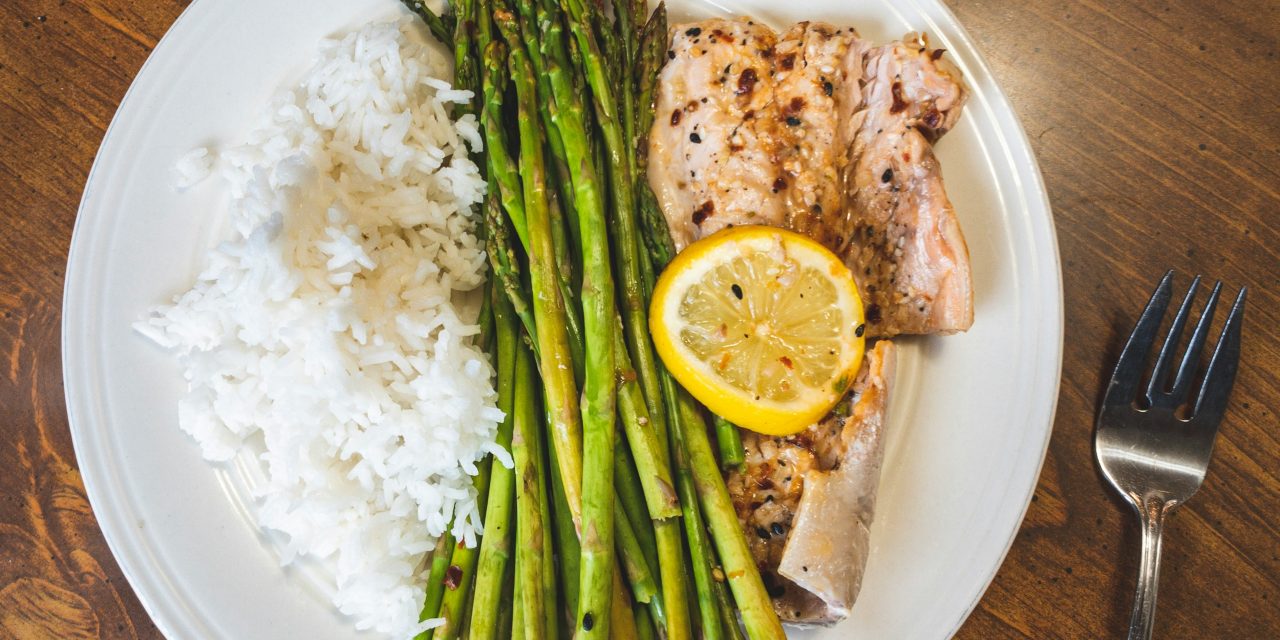
Moisture retention is a critical factor in preparing salmon, as it directly influences the texture and flavor profile of the fish. Salmon, being a fatty fish, contains natural oils that contribute to its rich taste and succulent mouthfeel. However, when improperly cooked or stored, salmon can easily become dry and unpalatable. The moisture content not only enhances the sensory experience but also plays a vital role in preserving the nutritional integrity of the fish. Salmon is an excellent source of omega-3 fatty acids, high-quality protein, and essential vitamins such as B12 and D. Therefore, maintaining its moisture during preparation and cooking is paramount for both culinary enjoyment and health benefits.
The importance of moisture extends beyond just taste; it also affects the cooking process. When salmon is adequately hydrated, it cooks more evenly, reducing the risk of overcooking. Overcooked salmon can lead to a rubbery texture and loss of flavor, making it less appealing. Understanding how to manage moisture levels can significantly elevate your culinary skills and ensure that every meal featuring salmon is a delightful experience.
If you’re looking to enhance your culinary skills while ensuring your salmon remains moist and flavorful, you might find it helpful to explore techniques for sautéing garlic without burning it. Properly sautéed garlic can elevate the taste of your salmon dishes, adding depth and richness. For more tips on this essential cooking technique, check out this informative article on how to sauté garlic without burning it.
Choosing the Right Cut of Salmon for Meal Prep
Selecting the appropriate cut of salmon is essential for meal preparation, as different cuts offer varying textures and flavors. The most common cuts include fillets, steaks, and whole fish. Salmon fillets are the most popular choice due to their convenience and versatility. They can be easily portioned and cooked in various ways, making them ideal for meal prep. Fillets from the belly section are particularly rich in fat, providing a moist and flavorful option.
Salmon steaks, cut perpendicular to the spine, offer a thicker piece of fish that retains moisture well during cooking. They are perfect for grilling or baking, as their robust structure allows for even heat distribution. Whole salmon can be an excellent choice for special occasions or gatherings, as it provides a stunning presentation and allows for maximum flavor retention. When choosing your cut, consider factors such as cooking method, desired flavor intensity, and portion sizes to ensure optimal results.
How to Properly Thaw Frozen Salmon

Thawing frozen salmon correctly is crucial to preserving its moisture and texture. The best method for thawing is to transfer the salmon from the freezer to the refrigerator and allow it to thaw slowly overnight. This gradual process helps maintain the fish’s cellular structure and prevents moisture loss. If time is of the essence, you can also use a cold-water thawing method. Place the sealed salmon in a bowl of cold water for approximately 30 minutes to an hour, changing the water every 15 minutes to ensure it remains cold.
Avoid using hot water or microwave thawing methods, as these can lead to uneven thawing and potential cooking of the outer layers while leaving the center frozen. Proper thawing techniques are essential for maintaining the quality of the fish and ensuring that it remains moist during cooking.
The Best Marinades and Brines to Enhance Moisture

Marinades and brines are excellent tools for enhancing moisture in salmon while infusing it with flavor. A simple marinade can consist of olive oil, lemon juice, garlic, and herbs such as dill or parsley. The oil helps create a barrier that locks in moisture during cooking, while the acidity from lemon juice tenderizes the fish and adds brightness to its flavor profile. Allowing the salmon to marinate for at least 30 minutes can significantly enhance its taste and juiciness.
Brining is another effective method for moisture retention. A basic brine solution consists of water, salt, and sugar, which helps draw moisture into the fish through osmosis. Soaking salmon in a brine for 30 minutes to an hour before cooking can result in a more succulent final product. Experimenting with different herbs, spices, and flavorings in your marinades or brines can lead to exciting variations that keep your meals fresh and enjoyable.
If you’re looking to enhance your culinary skills, you might find it helpful to explore techniques for meal prepping salmon without drying it out. One effective method involves marinating the fish to lock in moisture and flavor. For more insights on budgeting for home maintenance, which can help you allocate funds for a well-equipped kitchen, check out this informative article on how much you should budget for home maintenance each year. This can ultimately support your cooking endeavors by ensuring you have the right tools and appliances at your disposal.
Optimal Cooking Methods for Moist Salmon
The cooking method chosen can greatly impact the moisture content of salmon. Several techniques are particularly effective at retaining moisture while enhancing flavor. Baking is one of the most popular methods; wrapping salmon in foil or parchment paper creates a steaming effect that locks in moisture. This technique allows for even cooking while preventing dryness.
Grilling is another excellent option that imparts a smoky flavor while maintaining moisture if done correctly. Using a grill basket or aluminum foil can help prevent sticking and ensure even cooking. Poaching is also an effective method for keeping salmon moist; gently simmering it in broth or seasoned water allows for delicate cooking without drying out the fish.
If you’re looking to enhance your meal prep skills, especially when it comes to cooking salmon without drying it out, you might find it helpful to explore some gardening tips as well. For instance, growing your own herbs can elevate the flavor of your dishes significantly. You can check out this informative article on how to grow cucumbers on a trellis successfully, which offers great insights into home gardening. Incorporating fresh herbs from your garden can make your salmon meals even more delicious. For more details, visit this link.
Temperature Tips: Avoiding Overcooking
Monitoring cooking temperatures is crucial for preventing overcooked salmon, which can lead to dryness and an undesirable texture. The ideal internal temperature for perfectly cooked salmon is between 125°F (51°C) and 145°F (63°C), depending on personal preference for doneness. Using an instant-read thermometer can help achieve precise results.
To avoid overcooking, consider removing the salmon from heat when it reaches about 120°F (49°C) and allowing it to rest for a few minutes; residual heat will continue cooking the fish while keeping it moist. Additionally, using visual cues such as color changes can help gauge doneness; perfectly cooked salmon should appear opaque but still slightly translucent in the center.
Using Foil and Parchment for Steaming and Baking
Utilizing foil or parchment paper when baking or steaming salmon is an effective way to retain moisture during cooking. Wrapping salmon in foil creates a sealed environment that traps steam, allowing the fish to cook evenly while preventing moisture loss. This method is particularly beneficial when adding vegetables or aromatics alongside the fish, as they will also steam together, enhancing flavor.
Parchment paper offers a similar effect while providing a more elegant presentation when serving. The “en papillote” technique involves folding parchment around the salmon and sealing it tightly before baking. This method not only retains moisture but also allows for creative combinations of flavors from herbs, spices, and vegetables.
Resting Time: Letting Salmon Retain Juices
Allowing salmon to rest after cooking is an often-overlooked step that significantly impacts moisture retention. Resting enables the juices within the fish to redistribute evenly throughout the flesh, resulting in a more succulent final product. A resting period of about 5-10 minutes is recommended after removing salmon from heat.
During this time, cover the fish loosely with foil to keep it warm without trapping steam that could lead to sogginess. This simple step can elevate your dish from good to exceptional by ensuring that every bite is packed with flavor and moisture.
Portioning and Storing Salmon for Meal Prep
Proper portioning and storage techniques are essential for maintaining moisture in salmon during meal prep. When preparing salmon for multiple meals, consider cutting it into individual portions before cooking; this allows for even cooking times and easier reheating later on.
For storage, wrap each portion tightly in plastic wrap or place it in airtight containers to minimize exposure to air, which can lead to dryness. Refrigerated cooked salmon should be consumed within three days for optimal freshness; however, freezing cooked portions can extend shelf life up to three months without significant loss of quality.
Reheating Techniques to Maintain Moisture
Reheating cooked salmon requires careful attention to prevent drying out the fish. The best method involves using low heat in an oven or stovetop rather than microwaving, which can lead to uneven heating and loss of moisture. Preheat your oven to 275°F (135°C) and place the salmon on a baking sheet covered with foil; heat until warmed through, approximately 15-20 minutes.
Alternatively, reheating on the stovetop with a splash of broth or water in a covered skillet can help retain moisture while gently warming the fish. Avoid high temperatures that can cause rapid evaporation of moisture; instead, focus on gradual heating techniques that preserve texture and flavor.
Creative Meal Prep Ideas to Keep Salmon Delicious
Incorporating salmon into meal prep doesn’t have to be monotonous; there are countless creative ideas to keep your meals exciting while ensuring they remain deliciously moist. Consider preparing salmon tacos with fresh salsa and avocado crema for a vibrant twist on traditional flavors. Alternatively, create a hearty grain bowl featuring quinoa or brown rice topped with roasted vegetables and flaked salmon drizzled with tahini dressing.
Another innovative idea is to make salmon patties by combining flaked cooked salmon with breadcrumbs, herbs, and spices before pan-frying them until golden brown. These versatile patties can be served with various dipping sauces or added to salads for an extra protein boost.
In summary, understanding how to maintain moisture in salmon is essential for achieving flavorful and enjoyable meals. From selecting the right cut to employing effective cooking methods and storage techniques, each step plays a vital role in preserving this delectable fish’s quality. By incorporating marinades, proper thawing methods, resting times, and creative meal prep ideas into your routine, you can ensure that every dish featuring salmon remains moist and delicious while maximizing its nutritional benefits.
FAQs
What is the best way to season salmon for meal prep?
The best way to season salmon for meal prep is to use a combination of olive oil, lemon juice, salt, pepper, and your choice of herbs or spices. Marinades that include acidic ingredients like citrus or vinegar can help to tenderize the fish and enhance its flavor without drying it out.
How can I prevent salmon from drying out during cooking?
To prevent salmon from drying out during cooking, consider using methods such as baking, poaching, or grilling at lower temperatures. Cooking salmon to an internal temperature of 125°F to 130°F (51°C to 54°C) will help maintain its moisture. Additionally, covering the salmon with foil or parchment paper can help trap steam and keep it moist.
Can I meal prep salmon in advance, and how long will it last?
Yes, you can meal prep salmon in advance. Cooked salmon can be stored in the refrigerator for up to 3-4 days. If you want to keep it longer, consider freezing it, where it can last for up to 2-3 months. Make sure to store it in an airtight container to prevent freezer burn.
What are some good side dishes to pair with meal-prepped salmon?
Good side dishes to pair with meal-prepped salmon include quinoa, brown rice, roasted vegetables, or a fresh salad. These sides complement the flavors of the salmon and provide a balanced meal. Additionally, incorporating healthy fats like avocado or nuts can enhance the nutritional value of your meal prep.
Is it better to cook salmon with the skin on or off for meal prep?
Cooking salmon with the skin on is generally better for meal prep as it helps to retain moisture and flavor during cooking. The skin acts as a barrier, preventing the flesh from drying out. If you prefer skinless salmon, be sure to monitor the cooking time closely to avoid overcooking.