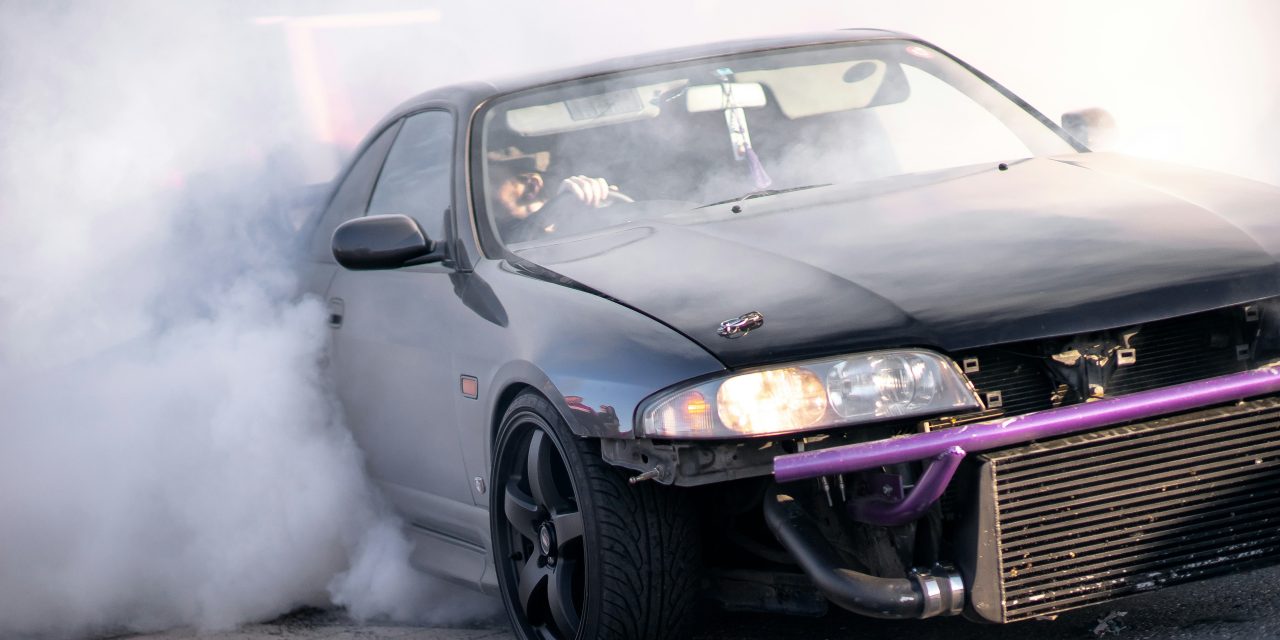
Smoke emission during vehicle acceleration is a phenomenon that can cause concern for drivers and mechanics alike. The presence of smoke can indicate underlying mechanical issues that may compromise engine performance and longevity. Understanding the type of smoke—whether it is blue, white, or black—can provide critical insights into the specific problems affecting the engine. Blue smoke typically signifies oil burning, while white smoke often indicates coolant leakage, and black smoke suggests an overly rich fuel mixture. Identifying the source of the smoke is essential for timely intervention and repair, ensuring optimal vehicle operation.
The implications of smoke emission extend beyond mere aesthetics; they can signal significant mechanical failures that, if left unaddressed, may lead to costly repairs or even engine replacement. This article delves into the various causes of smoke emission during acceleration, offering insights into diagnosis, prevention, and treatment options. By understanding these factors, vehicle owners can take proactive measures to maintain their engines and avoid potential pitfalls associated with smoke production.
If you’ve noticed your car blowing smoke when accelerating, it could be a sign of various underlying issues, such as oil leaks or problems with the fuel system. Understanding these potential causes is crucial for maintaining your vehicle’s performance and longevity. For those interested in making eco-friendly choices, you might also find it helpful to explore how sustainable practices can extend beyond your vehicle. Check out this related article on eco-friendly home repairs that can save you money and benefit the planet: 10 Easy Eco-Friendly Home Repairs to Save Money and the Planet.
Reason 1: Worn Piston Rings Causing Oil Leakage
One of the primary culprits behind blue smoke emission during acceleration is worn piston rings. These components are crucial for maintaining a proper seal between the piston and the cylinder wall. Over time, wear and tear can lead to a compromised seal, allowing engine oil to seep into the combustion chamber. When this oil burns alongside fuel, it produces blue smoke that is visible from the exhaust.
The degradation of piston rings can result from several factors, including prolonged engine operation at high temperatures, inadequate lubrication, or the use of low-quality oil. Symptoms of worn piston rings may include decreased engine performance, increased oil consumption, and a noticeable drop in compression levels. To address this issue, a thorough inspection of the piston rings is necessary. In severe cases, a complete engine rebuild may be required to replace the damaged components and restore proper function.
Reason 2: Faulty Valve Seals Leading to Oil Burning

Another significant reason for blue smoke emission is faulty valve seals. These seals are designed to prevent oil from leaking into the combustion chamber through the valve guides. When valve seals wear out or become damaged, they can allow oil to enter the combustion area during acceleration, resulting in blue smoke production.
The failure of valve seals can be attributed to age, excessive heat exposure, or poor-quality materials. Drivers may notice symptoms such as increased oil consumption, rough idling, or a decrease in overall engine performance. To rectify this issue, replacing the faulty valve seals is essential. This procedure typically involves removing the cylinder head and may require specialized tools and expertise. Regular maintenance checks can help identify early signs of valve seal deterioration, allowing for timely intervention.
Reason 3: Clogged or Damaged PCV Valve Effects

The Positive Crankcase Ventilation (PCV) valve plays a vital role in regulating engine pressure and preventing harmful emissions. A clogged or damaged PCV valve can disrupt this balance, leading to increased pressure within the crankcase. This pressure can force oil past the piston rings and valve seals, resulting in blue smoke during acceleration.
Symptoms of a malfunctioning PCV valve may include rough idling, poor fuel economy, and increased oil consumption. To address this issue, it is crucial to inspect and replace the PCV valve as needed. Regular maintenance of this component can prevent excessive pressure buildup and subsequent oil leakage into the combustion chamber. Additionally, ensuring that the PCV system is functioning correctly can contribute to improved engine efficiency and reduced emissions.
If you’ve noticed that your car is blowing smoke when accelerating, it could be a sign of several underlying issues, such as oil leaks or problems with the engine. Understanding the potential causes is crucial for addressing the problem effectively. For more insights on maintaining your vehicle and troubleshooting common issues, you might find this helpful article on car maintenance particularly useful. Taking the time to investigate these symptoms can save you from more extensive repairs down the line.
Reason 4: Turbocharger Malfunction and Smoke Production
Turbocharged engines are designed to enhance performance by forcing more air into the combustion chamber. However, a malfunctioning turbocharger can lead to significant smoke emission issues. If the turbocharger’s seals fail or if there is damage to its internal components, oil can leak into the intake system or exhaust manifold, resulting in blue smoke during acceleration.
Drivers may notice symptoms such as decreased power output, unusual noises from the turbocharger, or excessive oil consumption. Diagnosing turbocharger issues typically involves inspecting the unit for signs of wear or damage and conducting a boost pressure test. In many cases, replacing the faulty turbocharger or its seals can resolve the problem and restore optimal engine performance.
If you’ve noticed that your car is blowing smoke when accelerating, it could be a sign of various underlying issues, such as oil leaks or problems with the engine. Understanding the reasons behind this phenomenon is crucial for maintaining your vehicle’s health. For more insights on related automotive concerns, you might find this article helpful, which discusses common car problems and their solutions. You can read it here. Taking prompt action can prevent further damage and ensure your car runs smoothly.
Reason 5: Overfilled or Contaminated Engine Oil Issues
Overfilling the engine oil reservoir can lead to excessive pressure within the crankcase, causing oil to escape past seals and gaskets. This situation often results in blue smoke emission during acceleration as excess oil enters the combustion chamber. Additionally, using contaminated or degraded oil can compromise lubrication properties, leading to increased wear on engine components.
To prevent these issues, it is essential to regularly check oil levels and ensure that they remain within manufacturer specifications. If overfilling occurs, draining excess oil is necessary to restore proper levels. Furthermore, adhering to recommended oil change intervals and using high-quality lubricants can help maintain engine health and prevent contamination-related problems.
Reason 6: Coolant Leak Resulting in White Smoke
White smoke emission during acceleration often indicates a coolant leak entering the combustion chamber. This situation can arise from a blown head gasket, cracked cylinder head, or damaged engine block. When coolant mixes with fuel in the combustion process, it produces white smoke that is visible from the exhaust.
Symptoms of coolant leaks may include overheating engines, loss of coolant without visible leaks, or milky oil consistency due to coolant contamination. Diagnosing this issue typically involves conducting a compression test or using a chemical test to detect exhaust gases in the coolant system. Repairing coolant leaks often requires significant engine disassembly and replacement of damaged components.
Reason 7: Fuel Injector Problems Causing Excessive Smoke
Fuel injectors play a critical role in delivering the correct amount of fuel into the combustion chamber for optimal performance. When fuel injectors become clogged or malfunctioning, they may deliver an excessive amount of fuel into the engine, resulting in black smoke emission during acceleration. This condition indicates an overly rich fuel mixture that can lead to poor fuel economy and increased emissions.
Symptoms of fuel injector problems may include rough idling, decreased power output, or difficulty starting the engine. Diagnosing injector issues typically involves inspecting fuel pressure and conducting flow tests on individual injectors. Cleaning or replacing faulty injectors can restore proper fuel delivery and improve overall engine performance.
How to Diagnose the Source of Smoke in Your Car
Diagnosing the source of smoke emission requires a systematic approach that includes visual inspections and mechanical testing. Begin by observing the color of the smoke—blue indicates oil burning; white suggests coolant leakage; black points to an overly rich fuel mixture. Next, check for any visible leaks around gaskets and seals.
Utilizing diagnostic tools such as an OBD-II scanner can provide valuable insights into engine performance metrics and error codes that may indicate specific issues. Compression tests can help assess piston ring integrity while leak-down tests can identify valve seal problems. For coolant leaks, conducting a pressure test on the cooling system can pinpoint sources of leakage effectively.
Preventative Maintenance Tips to Avoid Smoke Issues
Preventative maintenance is crucial for minimizing smoke emission problems in vehicles. Regularly checking fluid levels—engine oil, coolant, and transmission fluid—can help identify potential issues before they escalate. Adhering to recommended oil change intervals using high-quality lubricants ensures optimal lubrication and reduces wear on engine components.
Additionally, routine inspections of critical components such as piston rings, valve seals, and PCV valves can help catch early signs of deterioration. Keeping up with scheduled maintenance services at reputable automotive service centers ensures that any emerging issues are addressed promptly.
When to Seek Professional Help for Smoke Emission Problems
While some minor issues may be manageable by vehicle owners themselves, seeking professional assistance is advisable when smoke emission problems persist or worsen. If you notice significant changes in engine performance accompanied by smoke emissions—such as loss of power or unusual noises—consulting a qualified mechanic is essential.
Professional mechanics possess specialized knowledge and diagnostic tools necessary for accurately identifying complex issues within an engine system. Early intervention can prevent further damage and save on costly repairs down the line.
In summary, understanding smoke emission during acceleration is vital for maintaining vehicle health and performance. Various factors contribute to this phenomenon—from worn piston rings to coolant leaks—each requiring specific diagnostic approaches and treatment options. By adhering to preventative maintenance practices and seeking professional help when necessary, vehicle owners can mitigate risks associated with smoke production and ensure their engines operate efficiently over time.
FAQs
What does it mean if my car is blowing blue smoke when accelerating?
Blue smoke typically indicates that the engine is burning oil. This can happen due to worn piston rings, valve seals, or other internal engine components that allow oil to enter the combustion chamber. If you notice blue smoke, it’s important to have your engine inspected to prevent further damage.
Why is my car emitting white smoke during acceleration?
White smoke usually suggests that coolant is entering the combustion chamber, which can occur due to a blown head gasket, a cracked engine block, or a damaged cylinder head. This issue can lead to serious engine damage, so it’s crucial to address it promptly.
What causes black smoke to come from my exhaust when I accelerate?
Black smoke indicates that the engine is burning too much fuel, which can be caused by a variety of issues such as a clogged air filter, a malfunctioning fuel injector, or a faulty engine control unit (ECU). This condition can lead to poor fuel economy and increased emissions, so it should be diagnosed and repaired as soon as possible.
Is it normal for my car to blow smoke when I first start it?
It can be normal for a car to emit some smoke upon startup, especially in cold weather. However, if the smoke persists or is excessive, it may indicate an underlying issue such as oil leaking into the combustion chamber or coolant problems. Monitoring the situation and consulting a mechanic is advisable if the smoke continues.
How can I determine if the smoke from my car is a serious issue?
To assess the severity of the smoke, consider the color, consistency, and duration. Blue or white smoke that persists after the engine warms up is often a sign of serious problems. Additionally, check for other symptoms like loss of power, unusual noises, or fluid leaks. If you notice any of these signs, it’s best to consult a professional mechanic for a thorough diagnosis.