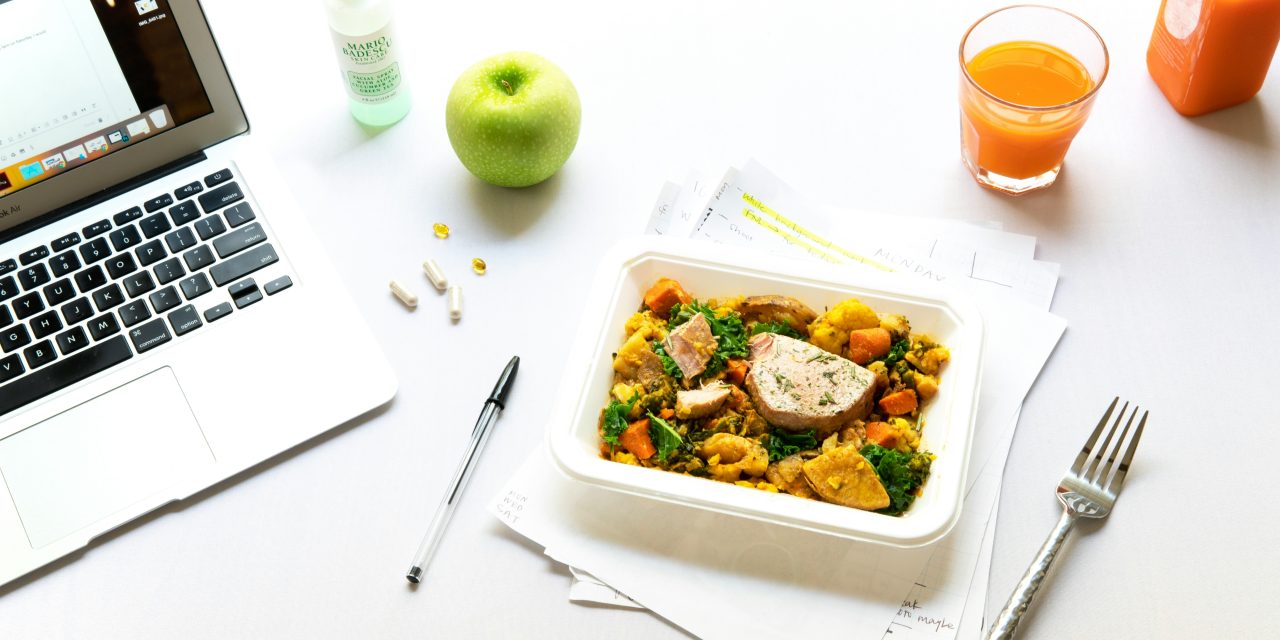
In today’s fast-paced world, the concept of meal prepping has gained significant traction among health-conscious individuals and busy professionals alike. The 5-day meal prep strategy involves preparing a week’s worth of meals in advance, allowing individuals to save time, reduce stress, and maintain a balanced diet. This method not only streamlines the cooking process but also ensures that nutritious options are readily available, minimizing the temptation to resort to unhealthy fast food or takeout. By dedicating a few hours each week to meal preparation, individuals can enjoy the benefits of home-cooked meals without the daily hassle of cooking.
The 5-day meal prep approach is particularly advantageous for those with hectic schedules, as it promotes organization and efficiency in the kitchen. By planning and preparing meals in advance, individuals can focus on their daily responsibilities without the added burden of deciding what to eat or spending excessive time cooking. This article will delve into the various aspects of 5-day meal prep, including its benefits, planning strategies, essential tools, and best practices for storage and reheating.
If you’re looking to streamline your weekly cooking routine, consider checking out this informative article on meal prepping five days of meals at once. Not only does it provide practical tips for efficient meal planning, but it also emphasizes the importance of balancing nutrition and variety in your diet. For additional insights on creating a positive environment while managing your time effectively, you might find this related article on dog training helpful: 10 Care Crate Tips for Positive Intuitive Dog Training Success.
Benefits of Cooking and Storing Meals in Advance
The advantages of meal prepping extend beyond mere convenience; they encompass a range of health, financial, and psychological benefits. One of the primary benefits is the ability to control portion sizes and ingredients, which can lead to healthier eating habits. By preparing meals in advance, individuals can ensure that they are consuming balanced portions of macronutrients—proteins, carbohydrates, and fats—while also incorporating a variety of vitamins and minerals from fruits and vegetables.
Additionally, meal prepping can significantly reduce food waste. By planning meals around ingredients that can be used across multiple dishes, individuals can maximize their grocery purchases and minimize spoilage. This not only contributes to a more sustainable lifestyle but also leads to cost savings over time. Furthermore, having pre-prepared meals readily available can alleviate the stress associated with daily cooking, allowing individuals to enjoy their meals without the pressure of time constraints.
Planning Your 5-Day Meal Prep Menu

Creating a well-structured meal prep menu is crucial for ensuring that all nutritional needs are met while keeping meals exciting and varied. Start by selecting a range of recipes that incorporate diverse ingredients and flavors. Aim for a balance of proteins (such as chicken, fish, legumes), complex carbohydrates (like quinoa, brown rice, sweet potatoes), and healthy fats (such as avocados, nuts, olive oil). Incorporating seasonal produce can enhance flavor profiles while also providing essential nutrients.
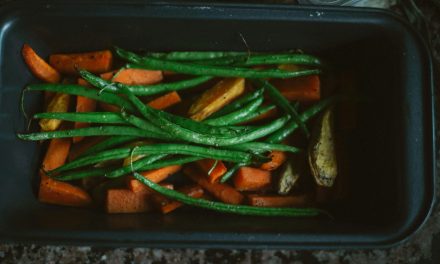
When planning your menu, consider dietary restrictions or preferences within your household. For instance, if someone is vegetarian or gluten-free, ensure that there are suitable options available. It may be beneficial to prepare a few versatile base dishes that can be customized throughout the week with different sauces or toppings. For example, roasted vegetables can be paired with various proteins or grains to create distinct meals without requiring extensive additional preparation.
Creating a Detailed Grocery Shopping List

Once the meal prep menu is established, the next step is to create a comprehensive grocery shopping list. This list should include all necessary ingredients categorized by food groups—produce, proteins, grains, dairy (if applicable), and pantry staples. Organizing the list in this manner can streamline the shopping experience and reduce the likelihood of forgetting essential items.
It is also advisable to check your pantry and refrigerator before heading out to shop. This ensures that you are not purchasing duplicates of items you already have on hand. Additionally, consider buying in bulk for non-perishable items or ingredients that you frequently use; this can lead to further savings over time. When shopping for fresh produce, opt for seasonal fruits and vegetables to ensure optimal flavor and nutritional value.
If you’re looking to streamline your weekly cooking routine, meal prepping five days of meals at once can be a game changer. Not only does it save time, but it also helps you maintain a healthy diet. For those who enjoy using slow cookers, you might find it beneficial to learn how to thicken sauces and stews, which can enhance the flavor of your prepared meals. You can read more about this technique in the article on how to thicken slow cooker sauces and stews. By incorporating these tips, you can elevate your meal prep and enjoy delicious, satisfying dishes throughout the week.
Essential Kitchen Tools for Efficient Meal Prep
Having the right kitchen tools can significantly enhance the efficiency of your meal prep process. Essential items include high-quality knives for precise chopping, cutting boards for food safety, and mixing bowls for combining ingredients. Investing in durable storage containers is also crucial; opt for BPA-free plastic or glass containers with airtight lids to maintain freshness.
Other useful tools include measuring cups and spoons for accurate portioning, a food processor for quick chopping or blending tasks, and an instant-read thermometer for ensuring meats are cooked to safe temperatures. Additionally, slow cookers or pressure cookers can be invaluable for preparing large batches of stews or grains with minimal effort. By equipping your kitchen with these essential tools, you can streamline your meal prep process and make it more enjoyable.
Step-by-Step Cooking Process for Multiple Meals
The cooking process for meal prepping should be systematic to maximize efficiency. Begin by washing and chopping all vegetables at once; this not only saves time but also allows you to visualize your ingredients better. Next, cook proteins using methods such as grilling, baking, or sautéing simultaneously while preparing grains or starches in another pot or appliance.
Consider utilizing batch cooking techniques; for instance, roasting multiple trays of vegetables in the oven while simultaneously boiling quinoa on the stovetop can save considerable time. Once everything is cooked, allow meals to cool slightly before portioning them into individual containers. This prevents condensation from forming inside the containers, which can lead to soggy meals.
Proper Portioning and Packaging Techniques
Proper portioning is essential for maintaining balanced meals throughout the week. Use measuring cups or a kitchen scale to ensure that each container contains appropriate serving sizes based on dietary needs. For example, a standard serving of protein is typically around 3-4 ounces, while carbohydrates may range from ½ to 1 cup depending on individual caloric requirements.
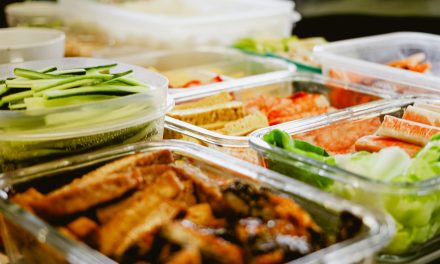
When packaging meals, consider using clear containers that allow you to see the contents easily. Label each container with the meal name and date prepared; this helps keep track of freshness and ensures that meals are consumed within safe timeframes. Additionally, consider separating sauces or dressings in small containers to prevent sogginess until mealtime.
Best Practices for Storing Meals Safely
Food safety is paramount when it comes to storing prepped meals. Ensure that all cooked foods are cooled down to room temperature before placing them in the refrigerator or freezer; this helps prevent bacterial growth. Store meals in airtight containers to maintain freshness and prevent cross-contamination with other foods.
For optimal storage duration, cooked meals can typically be refrigerated for up to four days; beyond this timeframe, freezing is recommended. Label frozen meals with dates and contents to facilitate easy identification later on. When reheating frozen meals, ensure they are heated thoroughly to an internal temperature of at least 165°F (74°C) to eliminate any potential pathogens.
Tips for Reheating and Enjoying Prepped Meals
Reheating prepped meals requires careful attention to ensure they retain their flavor and texture. The microwave is often the quickest option; however, it may lead to uneven heating if not done properly. To achieve even reheating in the microwave, stir food halfway through cooking and cover it with a microwave-safe lid or wrap.
Alternatively, reheating meals in an oven or stovetop can enhance flavors by allowing them to crisp up again. For instance, roasted vegetables may regain their original texture when reheated in an oven rather than a microwave. Experiment with different reheating methods based on the type of meal being consumed; this will help maintain enjoyment throughout the week.
Troubleshooting Common Meal Prep Challenges
Despite careful planning and execution, challenges may arise during meal prep that require troubleshooting skills. One common issue is food spoilage; if meals are not consumed within recommended timeframes or stored improperly, they may become unsafe to eat. To mitigate this risk, always prioritize proper cooling techniques and adhere strictly to storage guidelines.
Another challenge may involve flavor fatigue; eating similar meals repeatedly can lead to boredom with prepped options. To combat this issue, consider incorporating different spices or sauces during reheating or alternating between various meal combinations throughout the week. This approach keeps meals exciting while still adhering to your meal prep plan.
Maintaining Variety and Nutrition Throughout the Week
To sustain interest in prepped meals while ensuring nutritional adequacy throughout the week, it is essential to incorporate variety into your menu planning. Aim for a colorful plate by including a diverse range of fruits and vegetables across different meals; this not only enhances visual appeal but also maximizes nutrient intake.
Experimenting with different cuisines can also introduce new flavors and textures into your meal prep routine. For instance, consider preparing Mediterranean-inspired dishes one week followed by Asian-inspired options the next. By maintaining variety in both flavors and ingredients, individuals can enjoy their prepped meals while adhering to their health goals.
In summary, 5-day meal prep offers numerous benefits including time savings, reduced stress levels, enhanced nutritional control, and minimized food waste. By carefully planning menus, creating detailed grocery lists, utilizing essential kitchen tools, and following best practices for cooking and storage, individuals can enjoy delicious home-cooked meals throughout the week without compromising their busy lifestyles. With proper portioning techniques and attention to food safety during storage and reheating processes, meal prepping becomes an effective strategy for maintaining a balanced diet while navigating daily responsibilities efficiently.
FAQs
What is meal prepping?
Meal prepping is the process of preparing and cooking meals in advance, typically for the week ahead. This practice allows individuals to save time, reduce food waste, and maintain a healthy diet by having ready-to-eat meals on hand.
How do I start meal prepping for five days of meals?
To start meal prepping for five days, first plan your meals for the week, including breakfast, lunch, and dinner. Create a shopping list based on your meal plan, then cook and portion out the meals into containers. Store them in the refrigerator or freezer for easy access throughout the week.
What containers are best for meal prepping?
Glass or BPA-free plastic containers with airtight lids are ideal for meal prepping. They should be microwave and dishwasher safe for convenience. Additionally, consider using portion-controlled containers to help manage serving sizes.
How long can meal prepped food last in the fridge?
Meal prepped food can typically last in the refrigerator for about 3 to 5 days, depending on the ingredients used. Foods that contain perishable items, such as dairy or cooked meats, should be consumed within this timeframe to ensure safety and freshness.
Can I freeze meal prepped meals?
Yes, many meal prepped meals can be frozen for longer storage. Make sure to use freezer-safe containers and label them with the date. Most meals can be frozen for up to 3 months, but be mindful of the texture and quality of certain ingredients after thawing.