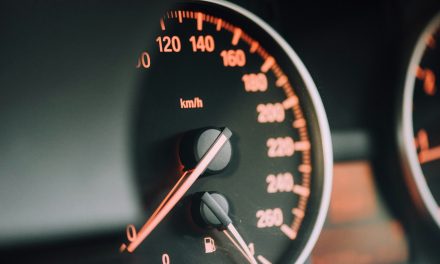
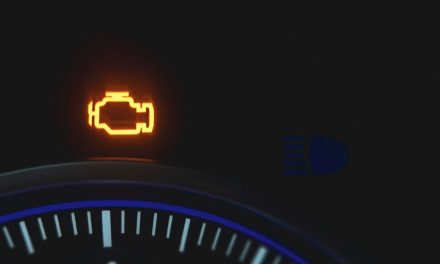
The transmission temperature warning light is a critical indicator on a vehicle’s dashboard, designed to alert drivers when the transmission fluid reaches an unsafe temperature. This light typically resembles a gear or a thermometer symbol, and its illumination signifies that the transmission is operating outside of its optimal thermal range. Understanding the implications of this warning is essential for maintaining vehicle performance and longevity.
Transmission fluid plays a vital role in lubricating the moving parts within the transmission, facilitating smooth gear shifts, and dissipating heat generated during operation. When the temperature exceeds the recommended threshold, it can lead to fluid breakdown, resulting in diminished lubrication and increased wear on transmission components. Ignoring this warning can lead to catastrophic failures, necessitating costly repairs or even complete transmission replacement.
Understanding the implications of the transmission temperature warning light is crucial for maintaining your vehicle’s performance and longevity. When this light illuminates, it typically indicates that the transmission fluid is overheating, which can lead to serious damage if not addressed promptly. For further insights on vehicle maintenance, you might find it helpful to read an article on preparing your home for the heat, as proper upkeep can extend to ensuring your vehicle is ready for summer conditions. Check out the article here: Summer Home Maintenance Checklist.
The Importance of Transmission Temperature Monitoring
Monitoring transmission temperature is paramount for several reasons. First and foremost, it ensures that the vehicle operates efficiently, as excessive heat can lead to significant performance degradation. A well-functioning transmission is crucial for optimal power delivery from the engine to the wheels, and maintaining appropriate fluid temperatures is integral to this process.
Moreover, consistent monitoring can prevent premature wear and tear on transmission components. High temperatures can cause the transmission fluid to oxidize, leading to sludge formation that clogs filters and restricts fluid flow. This can exacerbate existing issues and lead to more severe problems down the line. Regular checks and maintenance can help identify potential issues before they escalate, ultimately saving time and money.
Sign 1: Frequent Illumination of the Warning Light

One of the most apparent signs of transmission trouble is the frequent illumination of the transmission temperature warning light. If this light activates repeatedly, it indicates that the transmission is consistently overheating, which could stem from various underlying issues. These may include low fluid levels, a malfunctioning cooling system, or internal component failures.
Drivers should not dismiss this warning as a mere inconvenience; instead, they should take immediate action to diagnose the problem. Ignoring repeated alerts can lead to severe damage, including burnt clutches or complete transmission failure. It is advisable to consult a qualified mechanic who can perform a thorough inspection and identify the root cause of the overheating.
Sign 2: Transmission Fluid Smell or Leakage

Another critical sign of potential transmission issues is the presence of a burnt smell emanating from the transmission fluid or visible leaks beneath the vehicle. Transmission fluid typically has a sweet odor when in good condition; however, when it overheats, it can develop a burnt smell indicative of thermal breakdown. This change in odor signals that the fluid has lost its effectiveness as a lubricant.
Leakage is another alarming symptom that should not be overlooked. Transmission fluid leaks can occur due to worn seals or gaskets, which may be exacerbated by high temperatures. If drivers notice red or brown fluid pooling under their vehicle, it is essential to address this issue promptly. Failing to do so can lead to low fluid levels, further exacerbating overheating problems and potentially resulting in catastrophic transmission failure.
If you are concerned about your vehicle’s transmission temperature warning light, understanding its implications is crucial for maintaining your car’s health. This warning light typically indicates that the transmission fluid is overheating, which can lead to serious damage if not addressed promptly. For further insights on handling unexpected situations, you might find it helpful to read about how to remove cranberry sauce stains from tablecloths and clothes, as it provides practical tips for dealing with messes that can occur during family gatherings. You can check out the article here.
Sign 3: Delayed or Sluggish Gear Shifts
Delayed or sluggish gear shifts are often indicative of underlying transmission problems that may be linked to overheating. When the transmission fluid becomes too hot, it loses its viscosity and ability to provide adequate lubrication, leading to sluggish performance during gear changes. Drivers may experience hesitation when accelerating or difficulty shifting between gears altogether.
This symptom can also be accompanied by erratic shifting patterns, where the vehicle may unexpectedly shift into higher or lower gears without driver input. Such behavior not only compromises driving safety but also places additional strain on transmission components. If these symptoms are observed, it is crucial to seek professional assistance to diagnose and rectify the issue before it escalates.
If you’re curious about vehicle maintenance, understanding what the transmission temperature warning light means is crucial for keeping your car in good condition. This warning light can indicate that your transmission is overheating, which may lead to serious damage if not addressed promptly. For more insights on maintaining your vehicle and ensuring its longevity, you might find this article on how to clean shower grout and remove stubborn buildup helpful, as it emphasizes the importance of regular maintenance in various aspects of home and vehicle care. You can read it here.
Sign 4: Unusual Noises from the Transmission
Unusual noises emanating from the transmission can serve as an alarming indicator of potential issues related to overheating or internal damage. Drivers may hear grinding, whining, or clunking sounds when shifting gears or during acceleration. These noises often suggest that internal components are not functioning correctly due to inadequate lubrication or excessive wear.
The presence of such sounds should prompt immediate investigation by a qualified technician. Ignoring these auditory warnings can lead to further damage and costly repairs. A thorough inspection will help determine whether the noises are due to overheating-related issues or other mechanical failures within the transmission system.
Sign 5: Overheating Engine Accompanying the Warning
An overheating engine often accompanies the illumination of the transmission temperature warning light, indicating that both systems may be experiencing thermal stress. The engine and transmission are interconnected; thus, if one system overheats, it can adversely affect the other. High engine temperatures can lead to increased strain on the transmission, exacerbating any existing issues.
Drivers should monitor engine temperature closely when experiencing transmission warning lights. If both systems are overheating, it may indicate a failure in the cooling system or insufficient coolant levels. Addressing these concerns promptly is essential for preventing further damage and ensuring optimal vehicle performance.
Sign 6: Burning Smell Inside the Vehicle
A burning smell inside the vehicle can be an alarming sign that something is amiss with the transmission system. This odor may indicate that the transmission fluid has overheated and begun to break down, releasing harmful fumes into the cabin. In some cases, this smell may also be associated with overheating engine components or electrical issues.
If drivers detect a burning smell while operating their vehicle, they should take immediate action by pulling over safely and turning off the engine. Continuing to drive under these conditions can lead to severe damage and pose safety risks for both the driver and passengers. It is advisable to have the vehicle inspected by a professional technician as soon as possible.
Sign 7: Transmission Slipping or Loss of Power
Transmission slipping occurs when the vehicle unexpectedly loses power during acceleration or fails to engage properly in gear. This symptom often correlates with overheating issues, as high temperatures can cause internal components to wear down or malfunction. Drivers may experience a sensation of slipping gears or a lack of responsiveness when pressing on the accelerator.
Loss of power during driving can significantly compromise safety and control over the vehicle. If drivers notice these symptoms, they should refrain from operating the vehicle until it has been thoroughly inspected by a qualified mechanic. Addressing these issues promptly can prevent further damage and ensure safe driving conditions.
Sign 8: Warning Light Stays On After Cooling Down
If the transmission temperature warning light remains illuminated even after allowing the vehicle to cool down, it indicates a persistent issue that requires immediate attention. This situation suggests that there may be an underlying problem with the transmission system that is not resolved simply by cooling down.
Persistent warning lights could indicate faulty sensors or wiring issues within the transmission system itself. Drivers should not ignore this sign; instead, they should seek professional assistance for diagnostic testing and repairs as necessary.
Sign 9: Transmission Fluid Appears Discolored or Burnt
The appearance of discolored or burnt transmission fluid is another critical indicator of potential overheating problems within the transmission system. Healthy transmission fluid typically has a bright red color and a clear consistency; however, when it becomes dark brown or black with a burnt odor, it signifies thermal degradation.
Discolored fluid indicates that it has lost its effectiveness as a lubricant and may no longer provide adequate protection for internal components. Regularly checking fluid levels and condition can help identify potential issues early on, allowing for timely intervention before significant damage occurs.
Sign 10: Reduced Fuel Efficiency Linked to Transmission Issues
Reduced fuel efficiency can often be linked to underlying transmission problems that may arise from overheating conditions. When a vehicle’s transmission struggles due to high temperatures or inadequate lubrication, it can lead to inefficient power transfer from the engine to the wheels, resulting in increased fuel consumption.
Drivers should monitor their fuel efficiency closely; if they notice a sudden decline without any changes in driving habits or conditions, it may indicate an issue with the transmission system that requires further investigation. Addressing these concerns promptly can help restore optimal fuel efficiency and overall vehicle performance.
In summary, understanding and monitoring your vehicle’s transmission temperature warning light is crucial for maintaining optimal performance and preventing costly repairs. Frequent illumination of this light, unusual smells or noises, delayed gear shifts, and other symptoms indicate potential overheating issues that require immediate attention from qualified professionals. Regular maintenance checks and prompt intervention can help ensure your vehicle remains in peak condition while safeguarding against severe damage caused by overheating transmissions.
FAQs
What does the transmission temperature warning light indicate?
The transmission temperature warning light indicates that the transmission fluid temperature is higher than normal. This can be a sign of overheating, which may lead to transmission damage if not addressed promptly.
What causes the transmission to overheat?
Transmission overheating can be caused by several factors, including low transmission fluid levels, a malfunctioning transmission cooler, excessive towing or hauling, or driving in extreme conditions. Poor maintenance can also contribute to overheating issues.
What should I do if the transmission temperature warning light comes on?
If the transmission temperature warning light comes on, it is important to pull over safely and turn off the engine. Allow the transmission to cool down, and check the transmission fluid level. If the light remains on after cooling down or if fluid levels are adequate, it is advisable to consult a mechanic.
Can I continue driving if the transmission temperature warning light is on?
It is not recommended to continue driving if the transmission temperature warning light is on. Continuing to drive can lead to severe transmission damage and costly repairs. It is best to address the issue immediately.
How can I prevent transmission overheating?
To prevent transmission overheating, ensure regular maintenance, including checking and changing the transmission fluid as recommended by the manufacturer. Avoid excessive towing, monitor fluid levels, and ensure that the transmission cooler is functioning properly.