In the culinary world, precision is paramount. Kitchen conversions serve as the backbone of successful cooking and baking, ensuring that recipes yield consistent results. Understanding these conversions is essential for both novice cooks and seasoned chefs alike. When a recipe calls for a specific measurement, adhering to that guideline can mean the difference between a delectable dish and a culinary disaster. The importance of accurate measurements cannot be overstated, as they directly influence the flavor, texture, and overall quality of the final product.
Moreover, kitchen conversions become particularly crucial when adapting recipes from different regions or cultures where measurement systems may vary. For instance, the United States predominantly uses the customary system, while many other countries utilize the metric system. This discrepancy can lead to confusion and potential errors if not properly addressed. By mastering kitchen conversions, cooks can confidently navigate through diverse recipes, ensuring that they achieve the intended results regardless of the measurement system employed.
If you’re curious about kitchen measurements, you might find it helpful to know that there are 4 tablespoons in a quarter cup. Understanding these conversions can make cooking and baking much easier. For more information on practical home-related topics, you can check out this article on homeowners insurance and its coverage for termite damage at this link.
The Basics: What Is a Quarter Cup?
A quarter cup is a fundamental measurement in cooking and baking, representing one-fourth of a standard cup. In terms of volume, a quarter cup is equivalent to approximately 59.15 milliliters. This measurement is commonly used in various recipes, particularly in baking where precision is critical for achieving the desired texture and flavor profile. Understanding what constitutes a quarter cup is essential for anyone looking to create delicious dishes with consistency.
In practical terms, a quarter cup can be visualized as four tablespoons or eight teaspoons. This equivalency makes it easier for cooks to measure out ingredients without needing specialized measuring cups. For instance, if a recipe calls for a quarter cup of sugar, one can simply use four tablespoons instead. This flexibility allows for greater ease in the kitchen, especially when dealing with small quantities of ingredients.
Tablespoons Explained: Measuring Small Quantities

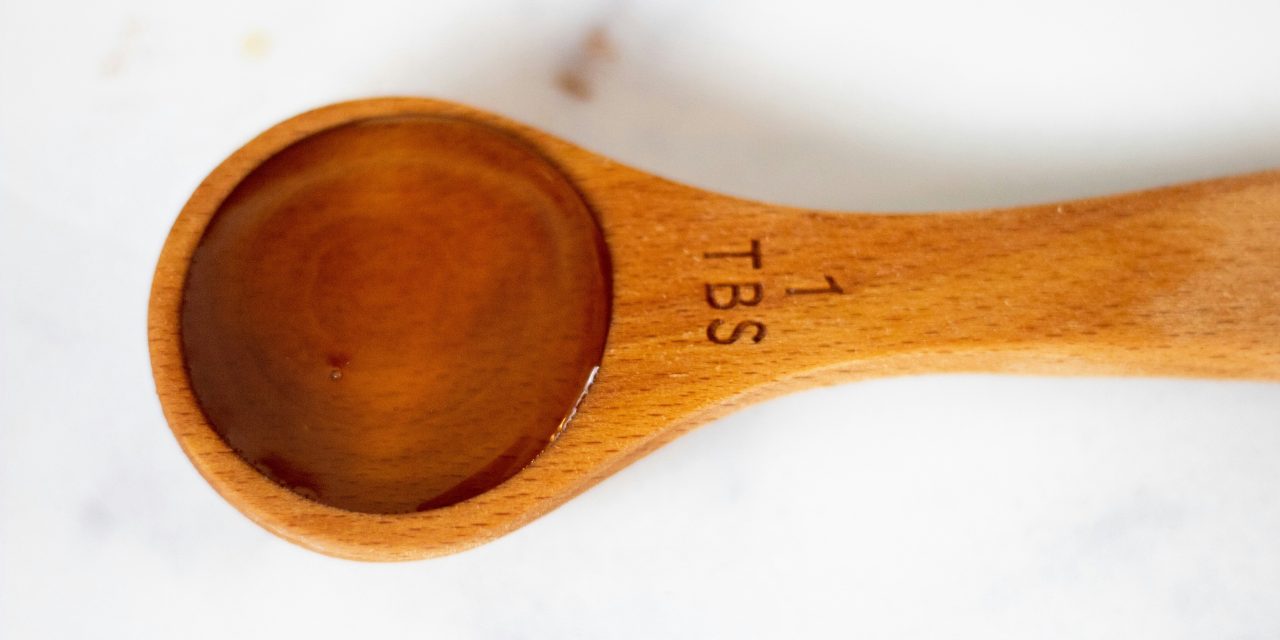
Tablespoons are a common unit of measurement used in cooking, particularly for smaller quantities of ingredients. One tablespoon is equivalent to three teaspoons and is often used to measure liquids such as oils, vinegars, and sauces, as well as dry ingredients like spices and herbs. The tablespoon is a versatile tool that allows cooks to achieve precise measurements without the need for more complex equipment.
When measuring with tablespoons, it is important to use the correct technique to ensure accuracy. For dry ingredients, such as flour or sugar, it is advisable to spoon the ingredient into the tablespoon and level it off with a straight edge for an accurate measurement. For liquids, filling the tablespoon to the brim without spilling ensures that the correct volume is achieved. Mastering this technique can significantly enhance the quality of dishes prepared in the kitchen.
How Many Tablespoons Are in a Quarter Cup?

Understanding how many tablespoons are contained within a quarter cup is essential for accurate cooking and baking. A quarter cup consists of four tablespoons. This straightforward conversion simplifies the measuring process and allows cooks to utilize tablespoons when they may not have a quarter cup measuring tool readily available.
For example, if a recipe requires a quarter cup of milk, one can easily measure out four tablespoons instead. This conversion not only saves time but also reduces the need for multiple measuring tools cluttering the kitchen workspace. By familiarizing oneself with these conversions, cooks can streamline their preparation process and focus on creating delicious meals.
If you’re curious about the conversion between tablespoons and cups, you might find it helpful to explore this related article that discusses common kitchen measurements. Understanding how many tablespoons are in a quarter cup can simplify your cooking and baking tasks, ensuring that your recipes turn out just right.
Converting Cups to Tablespoons: The Simple Math
Converting cups to tablespoons involves simple arithmetic that can be easily mastered with practice. The basic conversion factor is that one cup equals sixteen tablespoons. Therefore, to convert any cup measurement into tablespoons, one simply multiplies the number of cups by sixteen.
For instance, if a recipe calls for half a cup of an ingredient, one would multiply 0.5 by 16 to arrive at eight tablespoons. Similarly, if a recipe requires three-quarters of a cup, multiplying 0.75 by 16 yields twelve tablespoons. This straightforward mathematical approach allows cooks to adapt recipes quickly and accurately without confusion.
If you’re looking to enhance your cooking skills, understanding measurements is essential, especially when it comes to converting between different units. For instance, did you know that there are four tablespoons in a quarter cup? This knowledge can be particularly useful when following recipes that require precise measurements. For more tips on improving your kitchen and garden skills, you might find this article on enhancing clay soil quite informative.
Using Tablespoons for Accurate Baking Measurements
Baking is often regarded as a science due to its reliance on precise measurements and chemical reactions between ingredients. Using tablespoons for accurate measurements is crucial in achieving successful baking outcomes. Whether measuring flour for a cake or sugar for cookies, utilizing tablespoons correctly can significantly impact the final product’s texture and flavor.
When measuring dry ingredients with tablespoons, it is essential to avoid packing them down unless specified in the recipe. For instance, when measuring flour, spoon it lightly into the tablespoon and level it off with a straight edge for an accurate measurement. This technique prevents over-measuring, which can lead to dense or dry baked goods. By mastering these techniques, bakers can ensure their creations turn out perfectly every time.
Common Kitchen Conversion Tools and Tips
In today’s culinary landscape, various tools are available to assist with kitchen conversions and measurements. Digital kitchen scales are invaluable for precise measurements, particularly when working with larger quantities or when accuracy is paramount in baking. These scales allow cooks to measure ingredients by weight rather than volume, providing greater consistency across recipes.
Additionally, conversion charts are handy resources that can be printed or saved on mobile devices for quick reference during cooking sessions. These charts typically outline common conversions between cups, tablespoons, teaspoons, and milliliters, making it easy to switch between measurement systems without hassle. Utilizing these tools can enhance efficiency in the kitchen and minimize errors during meal preparation.
How to Convert Other Cup Measurements to Tablespoons
Converting other cup measurements into tablespoons follows the same principle as converting a quarter cup. The key conversion factor remains that one cup equals sixteen tablespoons. Therefore, to convert any fraction of a cup into tablespoons, one must multiply by sixteen.
For example:
– One-third cup equals approximately 5 tablespoons plus 1 teaspoon (5 + 1/3 tbsp).
– Two-thirds cup equals approximately 10 tablespoons plus 2 teaspoons (10 + 2/3 tbsp).
– One-and-a-half cups equals 24 tablespoons (1.5 x 16).
By familiarizing oneself with these conversions and practicing them regularly, cooks can develop confidence in their measuring abilities and ensure consistent results across various recipes.
The Importance of Precision in Cooking and Baking
Precision in cooking and baking cannot be overstated; it is essential for achieving desired outcomes consistently. In baking especially, where chemical reactions occur between ingredients such as flour, sugar, eggs, and leavening agents, even slight deviations from measurements can lead to undesirable results such as flat cakes or overly dense cookies.
Moreover, precision extends beyond just measurements; it encompasses timing and temperature control as well. For instance, baking at an incorrect temperature can alter the texture and flavor profile of baked goods significantly. Therefore, understanding the importance of precision in all aspects of cooking ensures that dishes are executed flawlessly every time.
Troubleshooting Common Conversion Mistakes
Despite best efforts at precision in measurements, mistakes can still occur in the kitchen. Common conversion errors often arise from misreading recipes or misunderstanding measurement units. For example, confusing teaspoons with tablespoons can lead to significant discrepancies in ingredient quantities.
To troubleshoot these issues effectively:
– Always double-check measurements before adding ingredients.
– Use clear labeling on measuring tools to avoid confusion.
– Keep a conversion chart handy for quick reference.
– When in doubt about a measurement’s accuracy or relevance within a recipe context, consult reliable culinary resources or experts.
By being proactive about potential mistakes and employing strategies to mitigate them, cooks can enhance their overall culinary experience.
Quick Reference Chart: Cups to Tablespoons and Beyond
For quick reference during cooking sessions, here’s a concise chart outlining common conversions between cups and tablespoons:
– 1 Cup = 16 Tablespoons
– ¾ Cup = 12 Tablespoons
– ⅔ Cup = 10 Tablespoons + 2 Teaspoons
– ½ Cup = 8 Tablespoons
– ⅓ Cup = 5 Tablespoons + 1 Teaspoon
– ¼ Cup = 4 Tablespoons
– 1/8 Cup = 2 Tablespoons
This chart serves as an invaluable resource for cooks looking to streamline their preparation process while ensuring accuracy in their measurements.
In summary, mastering kitchen conversions is essential for anyone who enjoys cooking or baking. Understanding measurements such as a quarter cup and how they relate to tablespoons enhances precision in culinary endeavors. By utilizing effective measuring techniques and familiarizing oneself with conversion tools and charts, cooks can achieve consistent results across various recipes while minimizing errors along the way.
FAQs
How many tablespoons are in a quarter cup?
There are 4 tablespoons in a quarter cup. This is a standard measurement used in cooking and baking.
What is the conversion from cups to tablespoons?
To convert cups to tablespoons, you can use the conversion factor where 1 cup equals 16 tablespoons. Therefore, to find the number of tablespoons in any given cup measurement, you multiply the number of cups by 16.
Are there different types of tablespoons used in cooking?
Yes, there are different types of tablespoons, but the most commonly used in cooking is the US tablespoon, which is approximately 14.79 milliliters. In other countries, such as the UK, a tablespoon may be slightly larger, around 15 milliliters.
How can I measure a quarter cup if I don’t have a measuring cup?
If you don’t have a measuring cup, you can use tablespoons to measure a quarter cup. Since a quarter cup equals 4 tablespoons, you can simply fill a tablespoon four times to achieve the correct measurement.
Is it important to use precise measurements in cooking?
Yes, using precise measurements in cooking is important, especially in baking, where the balance of ingredients can significantly affect the outcome of the recipe. Accurate measurements help ensure consistency and desired results.