Engine oil is a vital lubricant that plays a crucial role in the overall functionality and longevity of an automobile’s engine. Composed of base oils and various additives, engine oil serves multiple purposes, including reducing friction between moving parts, preventing corrosion, and dissipating heat generated during combustion. The viscosity of engine oil is specifically formulated to ensure optimal performance across a range of temperatures, allowing it to maintain its protective qualities under varying conditions.
The significance of engine oil cannot be overstated; it acts as a barrier between metal components, minimizing wear and tear while facilitating smooth operation. Furthermore, engine oil aids in the removal of contaminants and debris, ensuring that the engine remains clean and efficient. Regular maintenance of engine oil levels is essential for preserving engine health, enhancing performance, and extending the lifespan of the vehicle.
Driving with low engine oil can lead to severe engine damage, as oil is crucial for lubrication and cooling. If you’re interested in understanding the broader implications of neglecting maintenance, you might find this article on the importance of regular grooming for your well-being insightful. It highlights how taking care of your vehicle is akin to maintaining your personal health. For more information, check out the article here: 10 Reasons Why Regular Grooming is Essential for Your Well-Being.
What Constitutes Low Engine Oil Levels?
Low engine oil levels can be defined as a condition where the quantity of oil in the engine falls below the manufacturer’s recommended specifications. This can occur due to various factors, including oil leaks, consumption during operation, or inadequate maintenance practices. Typically, manufacturers provide a dipstick or an electronic gauge to help vehicle owners monitor oil levels accurately.
A significant drop in oil levels can lead to serious complications. For instance, if the oil level is below the minimum mark on the dipstick, it indicates that the engine may not be receiving adequate lubrication. This deficiency can result from several causes, such as worn seals or gaskets that allow oil to escape or excessive oil consumption due to engine wear. Regularly checking oil levels is crucial for identifying potential issues before they escalate into more severe problems.
Risk I: Increased Engine Wear and Tear

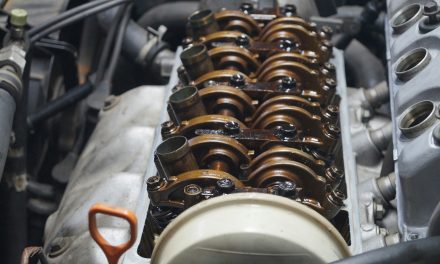
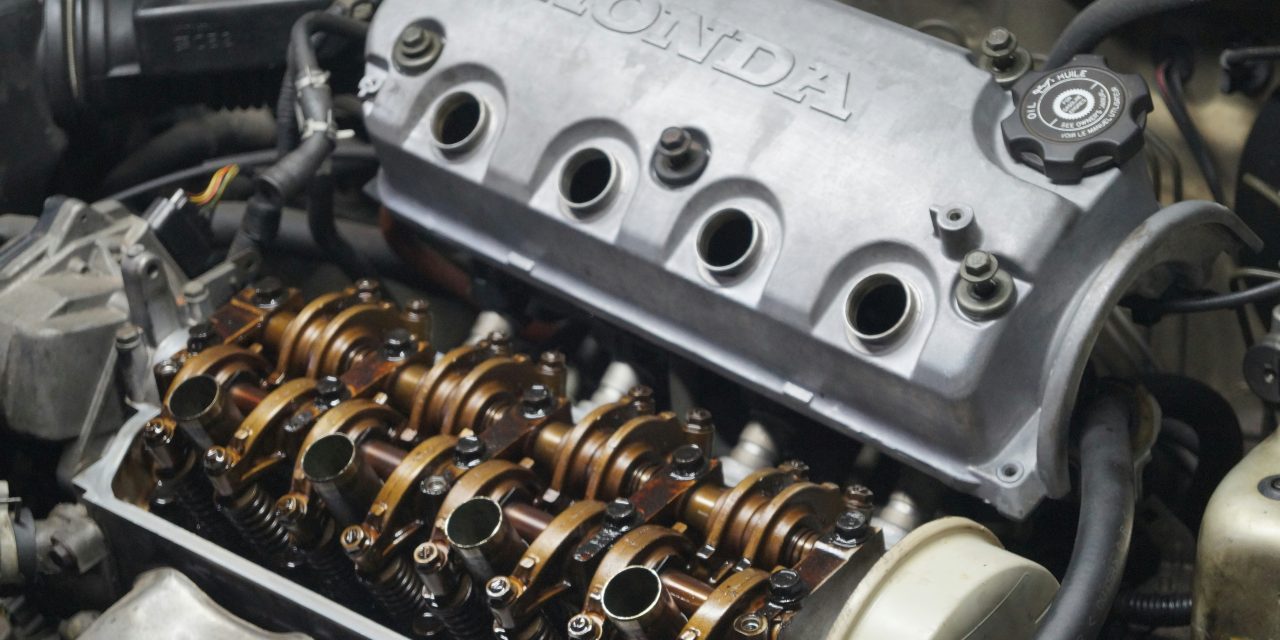
One of the most immediate risks associated with low engine oil levels is increased wear and tear on engine components. When oil levels are insufficient, the lubrication film that protects metal surfaces becomes compromised. This leads to direct metal-to-metal contact, resulting in accelerated wear on critical components such as pistons, crankshafts, and camshafts.
Over time, this excessive wear can lead to significant damage, necessitating costly repairs or even complete engine replacement. The friction generated by inadequate lubrication can also lead to the formation of metal shavings and debris within the engine, further exacerbating wear and potentially causing blockages in oil passages. Regular monitoring of oil levels can help mitigate these risks and ensure that the engine operates smoothly.
Risk II: Overheating of Engine Components

Another critical risk associated with low engine oil levels is overheating of engine components. Engine oil plays a vital role in dissipating heat generated during combustion and friction between moving parts. When oil levels are low, its ability to absorb and transfer heat diminishes significantly.
As a result, certain components may reach dangerously high temperatures, leading to thermal expansion and potential failure. Overheating can cause warping of cylinder heads, damage to gaskets, and even catastrophic engine failure if not addressed promptly. Maintaining proper oil levels is essential for ensuring that the engine remains within its optimal operating temperature range.
Driving with low engine oil can lead to severe engine damage and costly repairs, as the oil is essential for lubricating engine components and preventing overheating. If you’re interested in understanding the broader implications of neglecting vehicle maintenance, you might find this article on identifying ticks quite insightful, as it highlights the importance of being aware of potential issues that can arise from overlooking critical care, whether it’s for your vehicle or your health. Regular checks and maintenance can save you from unexpected troubles down the road.
Risk III: Reduced Lubrication Efficiency
Low engine oil levels directly impact lubrication efficiency, which is critical for maintaining smooth operation within the engine. Insufficient lubrication can lead to increased friction between moving parts, resulting in diminished performance and responsiveness. This inefficiency can manifest as sluggish acceleration, reduced power output, and overall poor driving experience.
Moreover, reduced lubrication efficiency can lead to increased fuel consumption as the engine works harder to overcome frictional resistance. This not only affects performance but also places additional strain on the engine components, further exacerbating wear and tear. Regularly checking and maintaining appropriate oil levels is essential for ensuring optimal lubrication efficiency.
Risk IV: Potential Engine Seizure
One of the most severe consequences of prolonged low engine oil levels is the risk of engine seizure. When lubrication is insufficient, moving parts can become so hot that they weld together due to extreme friction. This catastrophic failure often results in complete engine lock-up, rendering the vehicle inoperable.
Engine seizure typically occurs when low oil levels go unnoticed for an extended period or when an owner neglects regular maintenance checks. The cost of repairing or replacing a seized engine can be exorbitant, often exceeding the value of the vehicle itself. Therefore, it is imperative for vehicle owners to remain vigilant about their engine oil levels to prevent such dire outcomes.
Risk V: Damage to the Oil Pump
The oil pump is a critical component responsible for circulating engine oil throughout the system. Low oil levels can lead to inadequate lubrication of the pump itself, resulting in increased wear and potential failure. A malfunctioning oil pump can exacerbate existing lubrication issues, leading to further complications within the engine.
When an oil pump fails due to low oil levels, it can create a vicious cycle where insufficient lubrication leads to increased friction and heat generation. This not only affects the pump but also compromises the entire lubrication system, potentially resulting in widespread damage throughout the engine. Regular maintenance checks can help identify potential issues with the oil pump before they escalate into more significant problems.
Risk VI: Poor Fuel Efficiency
Low engine oil levels can significantly impact fuel efficiency due to increased friction and reduced lubrication efficiency. When an engine operates with insufficient lubrication, it must work harder to overcome resistance between moving parts. This additional strain leads to higher fuel consumption as the engine compensates for decreased performance.
Increased fuel consumption not only affects the owner’s wallet but also contributes to higher emissions and environmental impact. Maintaining proper oil levels is essential for optimizing fuel efficiency and ensuring that the vehicle operates at its best performance level.
Risk VII: Voiding Your Vehicle Warranty
Many vehicle manufacturers stipulate that regular maintenance practices must be followed to keep warranties valid. Neglecting to maintain proper engine oil levels can lead to warranty voidance if an issue arises related to insufficient lubrication. This means that any repairs or replacements needed due to low oil levels may not be covered under warranty, resulting in significant out-of-pocket expenses for the owner.
To avoid warranty complications, it is crucial for vehicle owners to adhere to recommended maintenance schedules and regularly check their engine oil levels. Keeping detailed records of maintenance activities can also provide evidence of compliance with warranty requirements.
How to Check and Maintain Proper Engine Oil Levels
Checking and maintaining proper engine oil levels is a straightforward process that every vehicle owner should be familiar with. To begin, ensure that your vehicle is parked on a level surface and that the engine has been turned off for at least 10 minutes to allow the oil to settle.
1. Locate the dipstick: Open the hood and find the dipstick, usually marked with a bright handle.
2. Remove and clean: Pull out the dipstick and wipe it clean with a lint-free cloth.
3. Reinsert: Insert the dipstick back into its tube fully and then remove it again.
4. Check level: Observe where the oil level falls on the dipstick; it should be between the minimum and maximum marks.
5. Add oil if necessary: If the level is low, add the appropriate type of oil through the designated fill cap.
Regularly checking your engine oil levels—ideally every month or before long trips—can help prevent many of the risks associated with low oil levels.
Preventative Measures to Avoid Low Engine Oil Risks
Preventative measures are essential for avoiding low engine oil risks and ensuring optimal vehicle performance. Here are several strategies:
1. **Regular Maintenance**: Schedule routine maintenance checks with a qualified mechanic who can inspect your vehicle’s overall health.
2. **Oil Changes**: Follow manufacturer recommendations for oil change intervals based on mileage or time.
3. **Monitor for Leaks**: Regularly inspect your driveway or garage for signs of leaks that may indicate a problem.
4. **Use Quality Oil**: Invest in high-quality motor oils that meet or exceed manufacturer specifications.
5. **Educate Yourself**: Familiarize yourself with your vehicle’s specific requirements regarding oil type and maintenance schedules.
By implementing these preventative measures, vehicle owners can significantly reduce their risk of encountering issues related to low engine oil levels.
In summary, understanding the importance of maintaining proper engine oil levels is crucial for ensuring optimal vehicle performance and longevity. Low engine oil levels pose numerous risks including increased wear and tear on components, overheating, reduced lubrication efficiency, potential engine seizure, damage to the oil pump, poor fuel efficiency, and warranty voidance. Regular checks and adherence to maintenance schedules are essential for preventing these issues while promoting overall vehicle health.
FAQs
What are the symptoms of low engine oil?
Symptoms of low engine oil include a warning light on the dashboard, unusual engine noises such as knocking or ticking, overheating, and a decrease in engine performance. You may also notice oil spots under the vehicle or a burning smell while driving.
What can happen if you continue to drive with low engine oil?
Continuing to drive with low engine oil can lead to severe engine damage, including increased friction between moving parts, overheating, and ultimately engine seizure. This can result in costly repairs or even the need for a complete engine replacement.
How often should you check your engine oil level?
It is recommended to check your engine oil level at least once a month or before long trips. Additionally, you should check it more frequently if your vehicle is older or if you notice any signs of oil leaks or consumption.
Can low engine oil affect fuel efficiency?
Yes, low engine oil can negatively affect fuel efficiency. Insufficient oil can cause the engine to work harder, leading to increased friction and reduced performance, which in turn can result in higher fuel consumption.
What should you do if you find your engine oil is low?
If you find that your engine oil is low, you should add the appropriate type of oil as specified in your vehicle’s owner manual. If the oil level continues to drop, it may indicate a leak or other mechanical issue, and you should have your vehicle inspected by a professional mechanic.