Before embarking on any cleaning endeavor, it is imperative to declutter your living space. This initial step not only enhances the aesthetic appeal of your home but also significantly improves the efficiency of your cleaning process. By removing unnecessary items, you create a more manageable environment that allows for thorough cleaning. Begin by assessing each room and categorizing items into three groups: keep, donate, and discard. This systematic approach ensures that you are left with only those items that serve a purpose or bring joy.
Moreover, decluttering can have psychological benefits. A tidy space can reduce stress and anxiety, fostering a sense of calm and order. It is essential to establish a routine for decluttering, perhaps dedicating a few minutes each day or setting aside specific days each month to tackle different areas of your home. This proactive strategy not only prevents clutter from accumulating but also instills a sense of accomplishment as you witness the transformation of your living space.
For those looking to enhance their housekeeping skills, maintaining a clean and organized kitchen is essential, especially when preparing meals like French toast. A related article that offers valuable tips on cooking without creating a mess can be found here: How to Make French Toast Without Soggy Centers. This guide not only focuses on perfecting the recipe but also emphasizes the importance of cleanliness during the cooking process, making it a great resource for anyone keen on effective housekeeping.
Use the Right Cleaning Tools
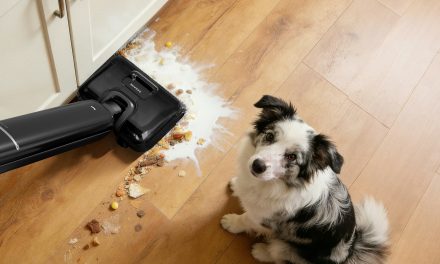
Equipping yourself with the appropriate cleaning tools is crucial for achieving optimal results. The effectiveness of your cleaning efforts can be significantly enhanced by utilizing specialized tools designed for specific tasks. For instance, microfiber cloths are excellent for dusting and wiping surfaces, as they trap dust particles effectively without scratching delicate finishes. Similarly, a high-quality vacuum cleaner with HEPA filters can capture allergens and dust mites, promoting better indoor air quality.
In addition to basic tools like brooms and mops, consider investing in advanced cleaning gadgets such as steam cleaners or robotic vacuums. Steam cleaners utilize high-temperature steam to sanitize surfaces without the need for harsh chemicals, making them an eco-friendly option. Robotic vacuums offer convenience by autonomously navigating your home and maintaining cleanliness on a regular basis. By selecting the right tools tailored to your cleaning needs, you can streamline your efforts and achieve a higher standard of cleanliness.
Establish a Cleaning Schedule

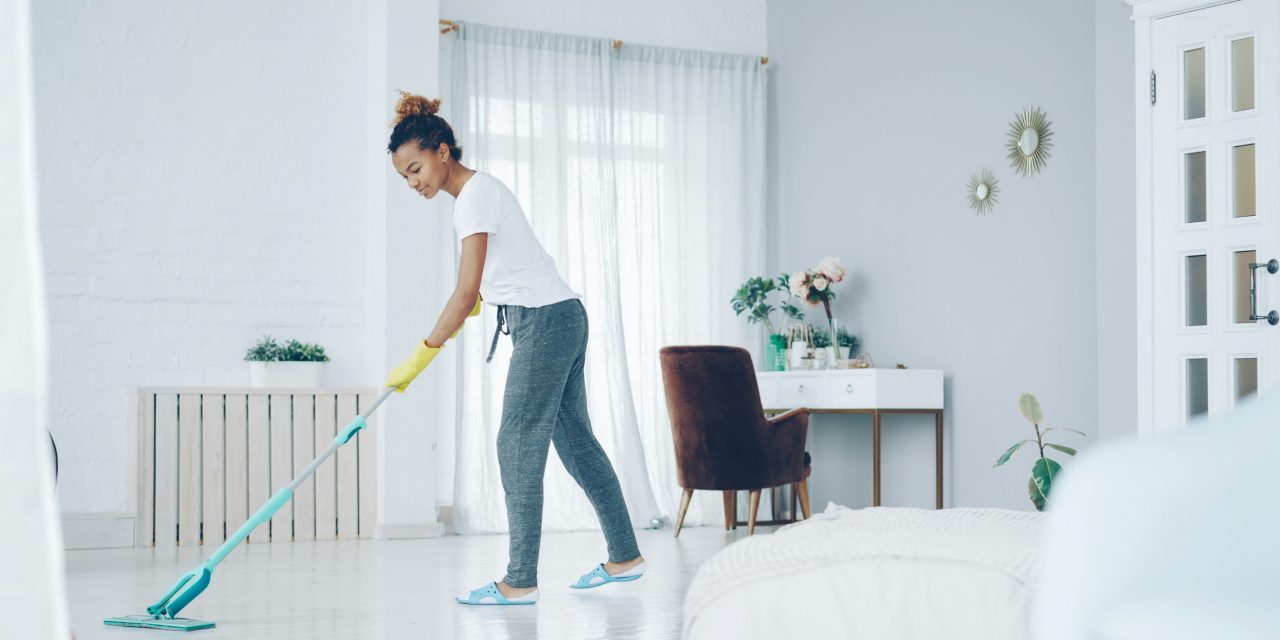
Creating a structured cleaning schedule is essential for maintaining a consistently clean home. A well-organized plan allows you to allocate specific tasks to designated days, ensuring that no area is overlooked. Start by identifying daily, weekly, and monthly cleaning tasks. Daily chores may include making beds, washing dishes, and wiping down kitchen counters, while weekly tasks could encompass vacuuming, mopping floors, and dusting surfaces.
To enhance accountability and motivation, consider using a digital calendar or a physical planner to track your cleaning schedule. This visual representation serves as a reminder of your commitments and helps you stay on track. Additionally, involving family members in the scheduling process fosters a sense of teamwork and shared responsibility. By establishing a routine, you can prevent overwhelming cleaning sessions and maintain a consistently tidy environment.
Focus on High-Traffic Areas

High-traffic areas in your home require special attention due to their susceptibility to dirt and grime accumulation. Spaces such as entryways, living rooms, and kitchens experience frequent use and should be prioritized in your cleaning regimen. Regularly addressing these areas not only enhances the overall cleanliness of your home but also prolongs the lifespan of flooring and furnishings.
When cleaning high-traffic zones, consider implementing preventive measures such as placing mats at entry points to trap dirt before it enters your home. Additionally, establish a routine for deep cleaning these areas more frequently than others. For instance, vacuuming carpets or mopping hard floors in high-traffic zones may be necessary on a weekly basis, while less frequented areas can be addressed bi-weekly or monthly.
In the realm of housekeeping cleaning, maintaining a tidy kitchen is essential, especially when it comes to food storage. For those interested in optimizing their kitchen organization, a helpful resource can be found in an article that discusses the best types of cheese to freeze and offers valuable storage tips. You can read more about this topic by visiting the article on freezing cheese here. Understanding how to properly store food not only helps in reducing waste but also contributes to a cleaner and more efficient kitchen space.
Clean from Top to Bottom
An effective cleaning strategy involves working from top to bottom within each room. This method ensures that dust and debris fall downward, preventing the need for re-cleaning lower surfaces after addressing higher ones. Begin by dusting ceiling fans, light fixtures, and shelves before moving on to furniture and finally the floors.
Utilizing this top-to-bottom approach not only maximizes efficiency but also minimizes the spread of allergens throughout your home. For example, when dusting surfaces, use a damp cloth to capture particles rather than dispersing them into the air. Additionally, consider using an extendable duster for hard-to-reach areas such as ceiling corners or high shelves. By adhering to this systematic method, you can achieve a thorough clean without unnecessary repetition.
For those looking to enhance their housekeeping cleaning skills, exploring various resources can be incredibly beneficial. One such resource is an article that discusses the top dog boarding and training centers, which can provide insights into maintaining a clean and organized environment for pets. You can read more about it in this informative piece on dog care and training centers. This knowledge can be particularly useful for pet owners who want to ensure their homes remain tidy while accommodating their furry friends. Check out the article here for more details.
Don’t Forget Hidden Spots
While visible surfaces often receive the most attention during cleaning sessions, hidden spots are equally important in maintaining a hygienic environment. Areas such as behind appliances, under furniture, and inside cabinets can harbor dust, allergens, and even pests if neglected. Regularly inspecting these concealed spaces is essential for comprehensive cleanliness.
To effectively address hidden spots, create a checklist that includes these often-overlooked areas. Schedule periodic deep-cleaning sessions specifically dedicated to tackling these locations. For instance, consider moving large appliances like refrigerators or stoves to clean behind them at least once every few months. By incorporating hidden spots into your cleaning routine, you can ensure that your home remains free from allergens and potential health hazards.
Use Natural Cleaning Solutions
In recent years, there has been a growing trend towards using natural cleaning solutions as an alternative to harsh chemical cleaners. Many conventional cleaning products contain toxic substances that can pose health risks to both humans and pets. Natural alternatives such as vinegar, baking soda, and lemon juice offer effective cleaning properties without harmful side effects.
For instance, vinegar is an excellent disinfectant that can be used to clean glass surfaces and eliminate odors. Baking soda serves as a gentle abrasive cleaner that can tackle tough stains on various surfaces. Lemon juice possesses natural antibacterial properties and leaves behind a fresh scent. By incorporating these natural solutions into your cleaning routine, you can create a safer environment while still achieving effective results.
Keep Cleaning Products Organized
An organized collection of cleaning products is essential for efficient housekeeping. When cleaning supplies are easily accessible and well-arranged, it streamlines the process and reduces time spent searching for items. Consider designating a specific area in your home for storing cleaning products—such as under the sink or in a dedicated closet.
Utilize storage bins or caddies to categorize products based on their intended use—such as surface cleaners, disinfectants, or laundry detergents. Labeling containers can further enhance organization and ensure that everyone in the household knows where to find specific items. By maintaining an orderly supply of cleaning products, you can enhance productivity during cleaning sessions and foster a more efficient approach to housekeeping.
Maintain Regular Laundry Habits
Laundry is an integral aspect of household cleanliness that often requires consistent attention. Establishing regular laundry habits not only ensures that clothing remains fresh but also contributes to overall hygiene within the home. Create a laundry schedule that accommodates your lifestyle—whether it involves doing small loads daily or larger loads weekly.
In addition to clothing, consider incorporating other textiles into your laundry routine—such as bed linens, towels, and curtains. These items can accumulate dust mites and allergens over time if not washed regularly. Aim to wash bed linens every one to two weeks and towels after every three uses for optimal cleanliness. By prioritizing laundry habits within your cleaning regimen, you can maintain a fresh and hygienic living environment.
Disinfect Commonly Touched Surfaces
Commonly touched surfaces are breeding grounds for germs and bacteria; therefore, regular disinfection is crucial for maintaining health within your home. High-contact areas such as doorknobs, light switches, remote controls, and countertops should be disinfected frequently—ideally daily or several times per week.
Utilize EPA-approved disinfectants that are effective against viruses and bacteria for optimal results. Follow the manufacturer’s instructions regarding contact time—allowing the disinfectant to sit on surfaces for the recommended duration ensures maximum efficacy in killing pathogens. Additionally, consider using disposable wipes for convenience when disinfecting small areas quickly. By prioritizing disinfection of commonly touched surfaces, you can significantly reduce the risk of illness within your household.
Involve the Whole Family in Housekeeping
Housekeeping should not be viewed as an individual task; rather, it is an opportunity for family bonding and shared responsibility. Involving all family members in cleaning efforts fosters teamwork while instilling valuable life skills in children. Assign age-appropriate tasks based on individual capabilities—such as dusting furniture or organizing toys—to encourage participation from everyone.
Consider implementing a chore chart that outlines each family member’s responsibilities for the week. This visual representation promotes accountability while allowing everyone to contribute to maintaining a clean home environment. Additionally, make cleaning sessions enjoyable by incorporating music or setting timers for quick challenges—transforming chores into engaging activities rather than mundane tasks.
In summary, maintaining a clean home requires strategic planning and consistent effort across various aspects of housekeeping. By decluttering before cleaning, utilizing appropriate tools, establishing schedules, focusing on high-traffic areas, addressing hidden spots, using natural solutions, organizing products effectively, maintaining laundry habits, disinfecting surfaces regularly, and involving family members in the process—one can achieve an organized and hygienic living space conducive to overall well-being.
By implementing these strategies into your routine, you will not only enhance the cleanliness of your home but also create an environment that promotes health and harmony among all inhabitants.
FAQs
What are the basic tasks involved in housekeeping cleaning?
Basic tasks in housekeeping cleaning typically include dusting surfaces, vacuuming or sweeping floors, mopping, cleaning bathrooms, changing bed linens, and organizing clutter. These tasks help maintain a clean and hygienic living environment.
How often should housekeeping cleaning be performed?
The frequency of housekeeping cleaning can vary based on individual needs and lifestyle. Generally, light cleaning tasks like dusting and vacuuming should be done weekly, while deep cleaning tasks such as washing windows or deep-cleaning carpets may be performed monthly or seasonally.
What cleaning supplies are essential for housekeeping?
Essential cleaning supplies for housekeeping include all-purpose cleaners, disinfectants, glass cleaners, microfiber cloths, sponges, a broom and dustpan, a vacuum cleaner, mop, and trash bags. Having these supplies on hand makes it easier to maintain cleanliness.
Can housekeeping cleaning be done without harsh chemicals?
Yes, housekeeping cleaning can be effectively done using natural or eco-friendly cleaning products. Common alternatives include vinegar, baking soda, lemon juice, and essential oils, which can clean and disinfect without the use of harsh chemicals.
What are some tips for efficient housekeeping cleaning?
To clean efficiently, consider creating a cleaning schedule, decluttering regularly, using the right tools for each task, and working from top to bottom in each room. Additionally, multitasking by cleaning while waiting for appliances (like laundry) can save time.