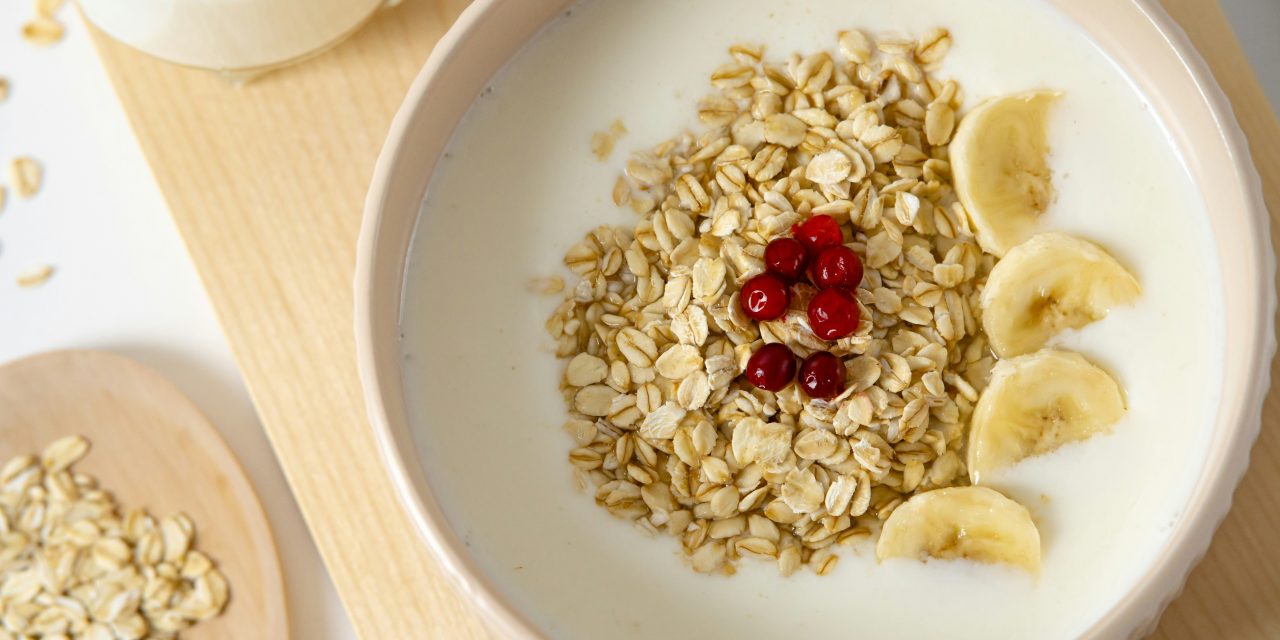
Creamy oatmeal with milk is not merely a breakfast option; it is a wholesome, nutrient-dense meal that offers a plethora of health benefits. Oats are rich in soluble fiber, particularly beta-glucan, which has been shown to lower cholesterol levels and improve heart health. When combined with milk, oatmeal becomes a complete protein source, providing essential amino acids necessary for muscle repair and growth. This combination also enhances the dish’s creaminess, making it more palatable and enjoyable for individuals of all ages.
Moreover, oatmeal is versatile and can be tailored to suit various dietary preferences and restrictions. Whether you are vegan, lactose intolerant, or simply looking for a hearty meal to kickstart your day, creamy oatmeal can be adapted to meet your needs. The comforting texture and rich flavor profile make it an ideal choice for breakfast or even a snack. In this article, we will explore the nuances of preparing creamy oatmeal with milk, ensuring that you achieve the perfect bowl every time.
If you’re looking to enhance your breakfast routine, you might find it helpful to explore how to make creamy oatmeal with milk. This delicious and nutritious dish can be easily prepared and customized to suit your taste. For more tips on achieving the perfect texture and flavor in your meals, check out this informative article on common kitchen problems: Common Problems Explained.
Selecting the Right Oats for Creaminess
The type of oats you choose plays a pivotal role in achieving that desired creamy consistency. There are several varieties available, including steel-cut oats, rolled oats, and instant oats. Steel-cut oats are whole oat groats that have been chopped into pieces; they offer a chewy texture but require longer cooking times. Rolled oats, on the other hand, are steamed and flattened, resulting in a quicker cooking time and a creamier outcome when prepared with milk. Instant oats are pre-cooked and dehydrated, making them the fastest option but often lacking in texture and flavor.
For the creamiest oatmeal, rolled oats are generally the best choice. They absorb liquid efficiently while still retaining some texture, creating a delightful balance between creaminess and chewiness. When selecting oats, look for organic options to avoid pesticides and ensure higher nutritional quality. Additionally, consider the freshness of the oats; older oats may lose their flavor and nutritional value over time.
Measuring Milk and Oats for Perfect Texture

Achieving the perfect texture in your creamy oatmeal hinges on the correct ratio of milk to oats. A common guideline is to use a 2:1 ratio of liquid to oats for rolled oats. For instance, if you are using one cup of rolled oats, you should incorporate two cups of milk (or a combination of milk and water). This ratio allows the oats to absorb enough liquid while maintaining a creamy consistency.
It is essential to measure accurately to avoid overly thick or soupy oatmeal. If you prefer a thicker texture, you can reduce the amount of liquid slightly; conversely, if you enjoy a thinner consistency, increase the liquid proportionally. Experimenting with different ratios can help you discover your ideal creamy oatmeal texture.
When it comes to cooking oatmeal, two primary methods stand out: stovetop cooking and microwave preparation. Each method has its advantages and disadvantages, depending on your time constraints and desired outcome.
Stovetop cooking allows for greater control over the cooking process and typically yields creamier results. To prepare oatmeal on the stove, bring your measured milk to a gentle simmer before adding the oats. Stir occasionally to prevent sticking and ensure even cooking. This method usually takes about 5-10 minutes for rolled oats, allowing them to absorb the milk fully and develop that coveted creamy texture.
Microwave cooking is undoubtedly quicker and more convenient for those with busy schedules. To prepare oatmeal in the microwave, combine your oats and milk in a microwave-safe bowl and heat on high for 2-3 minutes, stirring halfway through. While this method is efficient, it may not achieve the same level of creaminess as stovetop cooking due to less control over heat distribution.
How to Stir and Cook for Creamy Consistency

Stirring is an essential technique when preparing creamy oatmeal. Proper stirring helps to break down the oats and encourages even absorption of liquid, resulting in a smoother texture. When cooking on the stovetop, use a wooden spoon or silicone spatula to stir gently but consistently throughout the cooking process.
As the oatmeal cooks, you may notice it thickening; this is normal as the starches release from the oats. If you find that your oatmeal is becoming too thick before it reaches your desired consistency, feel free to add additional milk gradually while stirring. This will help maintain creaminess without compromising flavor.
If you’re looking to elevate your breakfast game, making creamy oatmeal with milk is a delightful option that can set a comforting tone for your day. This simple recipe allows you to customize your oatmeal with various toppings, ensuring a delicious and nutritious start. For those interested in optimizing their home environment while enjoying their meal, you might find it intriguing to explore how temperature variations can affect your comfort levels in different rooms. Check out this insightful article on why one room can be hotter or colder than the rest of the house by clicking here.
Adding Sweeteners and Flavor Enhancers
To elevate your creamy oatmeal experience, consider incorporating sweeteners and flavor enhancers that complement the dish’s natural taste. Common sweeteners include honey, maple syrup, agave nectar, or brown sugar. Each option brings its unique flavor profile; for instance, maple syrup adds a rich sweetness with earthy undertones.
In addition to sweeteners, flavor enhancers such as cinnamon, vanilla extract, or nutmeg can significantly enhance your oatmeal’s taste. A pinch of salt can also help balance sweetness and bring out the flavors of other ingredients. Experimenting with different combinations can lead to delightful discoveries that cater to your palate.
If you’re looking to enhance your breakfast routine, making creamy oatmeal with milk can be a delightful choice. This comforting dish not only provides a warm start to your day but also offers a canvas for various toppings like fruits and nuts. For those interested in gardening, you might find it interesting to explore how to create the perfect environment for growing your own ingredients. Check out this article on materials to use at the bottom of raised garden beds to ensure your home-grown produce thrives, making your oatmeal even more special.
Tips for Avoiding Lumpy Oatmeal
Lumpy oatmeal can be an unwelcome surprise when you’re expecting a smooth bowl of creamy goodness. To avoid this common issue, start by ensuring that your oats are fresh and properly measured before cooking. Old or stale oats may not cook evenly, leading to lumps.
When adding oats to boiling milk or water, do so gradually while stirring continuously. This technique helps prevent clumping by allowing each oat to absorb liquid evenly as they cook. If lumps do form during cooking, use a whisk or fork to break them apart gently while stirring.
Customizing with Fruits and Nuts
One of the most enjoyable aspects of creamy oatmeal is its versatility in customization. Adding fruits and nuts not only enhances flavor but also boosts nutritional value. Fresh fruits such as bananas, berries, or apples provide natural sweetness and essential vitamins. Dried fruits like raisins or cranberries can also add texture and chewiness.
Nuts such as almonds, walnuts, or pecans contribute healthy fats and protein while adding crunch to your dish. For an extra layer of flavor, consider toasting nuts lightly before adding them to your oatmeal. This simple step can elevate their taste significantly.
Serving Suggestions for Creamy Oatmeal
Presentation matters when it comes to enjoying your creamy oatmeal. Serve it in a deep bowl to allow for easy mixing of toppings without spilling over the sides. Consider garnishing with a drizzle of honey or maple syrup on top for an appealing visual effect.
For added flair, sprinkle cinnamon or nutmeg over your oatmeal before serving. You can also create a beautiful arrangement with sliced fruits on top or layer nuts for an aesthetically pleasing presentation. Don’t forget to include a spoonful of yogurt or nut butter for added creaminess and flavor.
Storing and Reheating Leftover Oatmeal
If you find yourself with leftover oatmeal after breakfast, don’t fret! Proper storage can keep it fresh for future meals. Allow the oatmeal to cool completely before transferring it into an airtight container; this will help prevent moisture buildup that could lead to spoilage.
When reheating leftover oatmeal, add a splash of milk or water to restore its creamy consistency before microwaving or reheating on the stovetop. Stir well during reheating to ensure even warming throughout the dish.
Enjoying Your Perfect Creamy Oatmeal
In conclusion, creamy oatmeal with milk is not only a delicious breakfast option but also a highly nutritious meal that can be customized according to individual preferences. By selecting the right type of oats, measuring ingredients accurately, and employing effective cooking techniques, anyone can achieve that perfect bowl of creamy goodness.
With endless possibilities for flavor enhancements and toppings, oatmeal can easily become a staple in your diet that never gets boring. Whether enjoyed plain or adorned with fruits and nuts, this dish promises satisfaction and nourishment in every bite. Embrace the art of making creamy oatmeal with milk today and savor its delightful benefits!
FAQs
What ingredients do I need to make creamy oatmeal with milk?
To make creamy oatmeal with milk, you will need rolled oats, milk (dairy or non-dairy), water, a pinch of salt, and optional sweeteners or toppings such as honey, maple syrup, fruits, or nuts.
How do I prepare the oatmeal for a creamy texture?
To achieve a creamy texture, combine equal parts of milk and water in a saucepan, add the rolled oats, and a pinch of salt. Bring the mixture to a boil, then reduce the heat and simmer while stirring occasionally until the oats are soft and the mixture thickens, usually about 5-10 minutes.
Can I use only milk instead of water for cooking oatmeal?
Yes, you can use only milk to cook oatmeal for an even creamier texture. However, using a combination of milk and water can help prevent the oatmeal from becoming too thick or scalding.
What are some popular toppings for creamy oatmeal?
Popular toppings for creamy oatmeal include fresh fruits like bananas, berries, or apples, nuts such as almonds or walnuts, seeds like chia or flaxseed, and sweeteners like honey, maple syrup, or brown sugar.
How can I store leftover creamy oatmeal?
Leftover creamy oatmeal can be stored in an airtight container in the refrigerator for up to 3-5 days. To reheat, add a splash of milk or water to loosen the consistency and warm it in the microwave or on the stovetop.