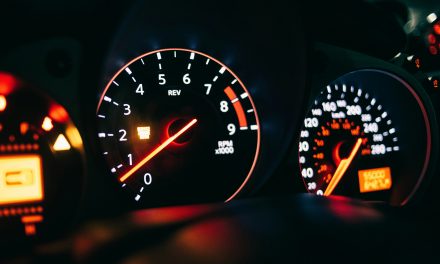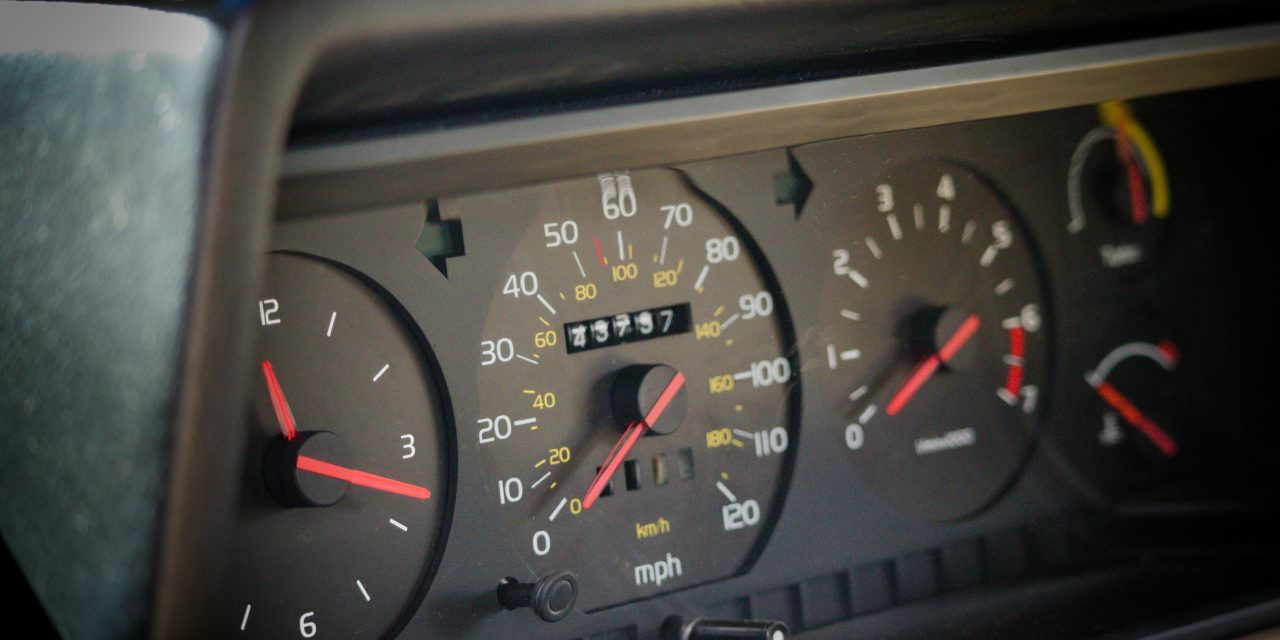
Odometer rollback is a fraudulent practice where the mileage reading on a vehicle’s odometer is intentionally reduced to misrepresent the actual distance traveled. This manipulation can significantly inflate the perceived value of a vehicle, making it appear less used and more desirable to potential buyers. The implications of odometer rollback extend beyond mere deception; they can lead to serious safety concerns, as vehicles with lower mileage may not have undergone necessary maintenance or repairs that would typically be expected with higher usage.
The act of rolling back an odometer is illegal in many jurisdictions and can result in severe penalties for those caught engaging in such practices. Understanding the nuances of odometer rollback is crucial for consumers, as it empowers them to make informed decisions when purchasing used vehicles. Awareness of this issue can help buyers avoid financial loss and ensure they invest in a vehicle that meets their expectations for reliability and performance.
When considering the purchase of a used car, it’s crucial to ensure that the odometer reading is accurate, as a rolled back odometer can significantly misrepresent the vehicle’s true mileage and condition. To learn more about identifying signs of a tampered odometer, you can refer to this informative article that provides essential tips and tricks. Additionally, if you’re interested in enhancing your home environment, you might find this article on starting a native plant garden helpful: 10 Easy Steps to Start a Beautiful Native Plant Garden Today.
Checking the Vehicle’s Maintenance Records
One of the most effective ways to ascertain the authenticity of a vehicle’s mileage is by examining its maintenance records. These documents provide a chronological account of services performed on the vehicle, including oil changes, tire rotations, and major repairs. A well-documented maintenance history can reveal inconsistencies in mileage claims, especially if the recorded service intervals do not align with the odometer reading.
For instance, if a vehicle has a low odometer reading but shows frequent oil changes or other maintenance services that suggest higher usage, this could indicate potential tampering. Buyers should request these records from the seller and verify them against any available service history from dealerships or certified mechanics. A thorough review of maintenance records can serve as a red flag for potential odometer rollback and help buyers make more informed decisions.
Inspecting the Wear and Tear on Pedals and Steering Wheel

Physical wear and tear on a vehicle can provide valuable insights into its actual usage. Inspecting components such as the pedals and steering wheel can reveal discrepancies between the odometer reading and the vehicle’s true condition. For example, excessive wear on the brake and accelerator pedals may suggest that the vehicle has been driven more than indicated by the odometer. Similarly, a worn steering wheel can indicate frequent use, contradicting a low mileage claim.
When assessing these components, buyers should look for signs of wear that are inconsistent with the reported mileage. For instance, if a vehicle claims to have only 30,000 miles but shows significant wear on the pedals or steering wheel, this could be a strong indication of odometer rollback. A comprehensive inspection of these areas can help buyers gauge the authenticity of the mileage reading and make more informed purchasing decisions.
Comparing the Odometer Reading with the Vehicle’s Age

Another critical factor in evaluating a vehicle’s mileage is comparing the odometer reading with its age. Generally, vehicles accumulate an average of 12,000 to 15,000 miles per year. If a car is several years old but has an unusually low mileage reading, this discrepancy may raise suspicions about potential odometer tampering.
For example, a five-year-old vehicle with only 20,000 miles would be considered atypical and warrant further investigation. Buyers should consider not only the mileage but also how it aligns with the vehicle’s age and expected usage patterns. A thorough analysis of these factors can help identify potential red flags and protect buyers from falling victim to odometer fraud.
When considering the purchase of a used car, it’s crucial to be aware of potential odometer fraud, which can significantly impact the vehicle’s value and reliability. To help you navigate this issue, you might find it useful to read a related article that provides insights on identifying signs of a rolled back odometer. This informative piece offers practical tips and techniques that can empower you as a buyer. For more details, check out this article on how to tell if a used car has a rolled back odometer.
Reviewing the Title and Vehicle History Report
A comprehensive review of the vehicle’s title and history report is essential in detecting odometer rollback. The title should reflect accurate mileage readings at various points in time, particularly during ownership transfers. Any discrepancies between reported mileage on the title and current readings should be scrutinized closely.
Vehicle history reports, such as those provided by Carfax or AutoCheck, compile data from various sources, including insurance companies, repair shops, and state agencies. These reports can reveal past accidents, title issues, and previous mileage readings that may indicate tampering. Buyers should obtain these reports before making a purchase to ensure they have a complete understanding of the vehicle’s history and any potential red flags related to odometer manipulation.
When purchasing a used car, it’s crucial to ensure that the odometer reading is accurate, as a rolled back odometer can significantly misrepresent the vehicle’s true mileage and condition. To learn more about identifying potential signs of tampering, you can refer to this informative article on how to tell if a used car has a rolled back odometer. Additionally, if you’re interested in enhancing your culinary skills, you might find this guide on roasting Brussels sprouts with crispy edges quite useful for your next meal preparation.
Examining the Condition of the Seats and Interior
The interior condition of a vehicle can also provide clues about its actual usage. Seats that show excessive wear, such as fraying fabric or cracked leather, may suggest that the vehicle has been driven more than indicated by the odometer reading. Similarly, signs of wear on floor mats or other interior components can indicate higher usage levels.
When inspecting a vehicle’s interior, buyers should look for inconsistencies between the overall condition and the reported mileage. For instance, if a car claims to have low mileage but exhibits significant wear on seats or interior surfaces, this could signal potential tampering. A thorough examination of these areas can help buyers assess whether the vehicle’s condition aligns with its claimed mileage.
Looking for Discrepancies in Tire Wear
Tire wear patterns can also provide valuable insights into a vehicle’s actual usage and potential odometer rollback. Tires typically wear down at predictable rates based on driving habits and conditions. If a vehicle has low mileage but shows uneven or excessive tire wear, this could indicate that it has been driven more than reported.
Buyers should inspect all four tires for signs of wear that are inconsistent with the claimed mileage. For example, if a car has only 25,000 miles but shows significant tread wear or uneven patterns across its tires, this could be a strong indication of tampering. Evaluating tire condition can serve as an additional layer of scrutiny when assessing a vehicle’s authenticity.
Using an OBD-II Scanner to Detect Mileage Tampering
An On-Board Diagnostics II (OBD-II) scanner is a valuable tool for detecting potential mileage tampering in modern vehicles. This device connects to the vehicle’s onboard computer system and retrieves diagnostic trouble codes (DTCs) along with various performance metrics. Some OBD-II scanners can even display historical data related to mileage.
By analyzing this data, buyers can identify discrepancies between reported mileage and actual performance metrics. For instance, if the OBD-II scanner indicates that certain components have been used extensively despite a low odometer reading, this could suggest tampering. Utilizing an OBD-II scanner provides an additional layer of verification for buyers concerned about odometer fraud.
Consulting a Trusted Mechanic for a Thorough Inspection
Engaging a trusted mechanic for a comprehensive inspection is one of the most effective ways to uncover potential odometer rollback. A qualified mechanic can assess various aspects of the vehicle’s condition, including engine performance, transmission function, and overall wear and tear. Their expertise allows them to identify signs of tampering that may not be immediately apparent to an untrained eye.
During this inspection, mechanics will evaluate components such as belts, hoses, and fluid levels to determine whether they align with the reported mileage. They may also conduct tests to assess engine performance and identify any irregularities that could indicate excessive use or tampering. Consulting a trusted mechanic provides buyers with peace of mind and ensures they make informed decisions when purchasing used vehicles.
Verifying the Mileage with Previous Owners or Dealers
Another effective strategy for verifying a vehicle’s mileage is to consult previous owners or dealers who have had direct experience with the car. By reaching out to these individuals, buyers can gain insights into the vehicle’s history and any potential discrepancies related to its mileage.
Previous owners may provide valuable information about maintenance practices or any incidents that could have affected the vehicle’s condition. Additionally, dealers may have access to service records or other documentation that can help verify mileage claims. Establishing communication with previous owners or dealers adds another layer of verification for buyers concerned about odometer rollback.
Recognizing Common Signs of Tampering on the Odometer Display
Finally, recognizing common signs of tampering on the odometer display itself is crucial for identifying potential fraud. Buyers should be vigilant for irregularities such as misaligned numbers or inconsistent lighting on the display panel. Additionally, any signs of physical damage around the odometer area may indicate attempts to manipulate readings.
Buyers should also be cautious if they notice any discrepancies between digital displays and mechanical components in older vehicles. Familiarizing oneself with common signs of tampering empowers buyers to make informed decisions and avoid falling victim to fraudulent practices.
In summary, understanding odometer rollback is essential for anyone considering purchasing a used vehicle. By checking maintenance records, inspecting wear and tear on key components, comparing mileage with age, reviewing titles and history reports, examining interior conditions, assessing tire wear patterns, utilizing OBD-II scanners, consulting trusted mechanics, verifying mileage with previous owners or dealers, and recognizing signs of tampering on displays, buyers can protect themselves from potential fraud. Awareness of these factors not only enhances buyer confidence but also promotes safer transactions in the automotive marketplace.
FAQs
What is an odometer rollback?
An odometer rollback occurs when the mileage reading on a vehicle’s odometer is intentionally reduced to make the car appear less used than it actually is. This fraudulent practice can mislead potential buyers about the vehicle’s true condition and value.
How can I check for signs of odometer rollback?
To check for signs of odometer rollback, look for inconsistencies between the odometer reading and the vehicle’s maintenance records, inspect the wear and tear on the car’s interior and exterior, and check for any discrepancies in the vehicle history report. Additionally, examine the odometer itself for any signs of tampering.
What tools can help detect an odometer rollback?
Tools such as a vehicle history report service (like Carfax or AutoCheck) can provide information on previous mileage readings and any reported discrepancies. Additionally, a digital inspection tool can help assess the vehicle’s condition and identify any signs of tampering with the odometer.
Are there legal consequences for rolling back an odometer?
Yes, rolling back an odometer is illegal in many jurisdictions. It is considered fraud, and individuals caught engaging in this practice can face criminal charges, fines, and civil penalties. Buyers should report any suspected odometer fraud to the authorities.
What should I do if I suspect an odometer rollback?
If you suspect an odometer rollback, it is advisable to walk away from the purchase and report your findings to the seller and local authorities. You can also seek a professional mechanic’s opinion or obtain a vehicle history report to confirm your suspicions before making any decisions.