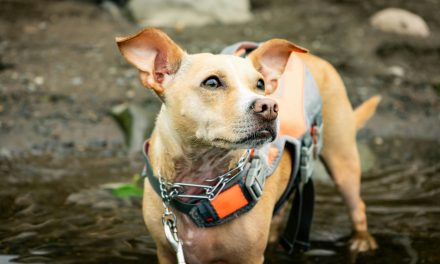
Every pet possesses distinct grooming requirements that are influenced by factors such as breed, coat type, age, and health status. For instance, long-haired breeds like the Afghan Hound or the Shih Tzu necessitate more frequent grooming sessions to prevent matting and tangling. Conversely, short-haired breeds such as Beagles or Boxers may require less intensive grooming but still benefit from regular brushing to remove loose fur and dander. Understanding these unique needs is crucial for maintaining your pet’s overall health and well-being.
Moreover, age plays a significant role in grooming requirements. Puppies and kittens often have softer, finer fur that may require gentler grooming techniques. As pets mature, their coat may change in texture and density, necessitating adjustments in grooming practices. Additionally, senior pets may have specific health concerns that affect their grooming needs, such as arthritis or skin sensitivities. Recognizing these factors will help you tailor a grooming routine that is both effective and comfortable for your furry companion.
If you’re looking to enhance your pet care knowledge, you might find the article on essential cat dentistry tips particularly useful. Proper dental care is crucial for your feline friends, and it complements the grooming services offered at Bonnie’s Dog & Cat Grooming. To learn more about maintaining your cat’s oral health, check out this informative article: 10 Essential Cat Dentistry Tips for a Healthy Feline Smile.
Choosing the Right Grooming Products for Your Pet
Selecting appropriate grooming products is essential for ensuring a positive grooming experience for your pet. The market offers a plethora of tools designed for various coat types and grooming tasks. For instance, slicker brushes are ideal for detangling long-haired breeds, while bristle brushes work well for short-haired pets. Additionally, combs with wide-toothed and fine-toothed options can help address different coat textures and remove debris effectively.
When it comes to shampoos and conditioners, it is vital to choose products specifically formulated for pets. Human shampoos can disrupt the natural pH balance of a pet’s skin, leading to irritation or allergic reactions. Look for hypoallergenic formulas that are free from harsh chemicals and fragrances. Furthermore, consider your pet’s specific needs; for example, if your dog has sensitive skin or allergies, opt for oatmeal-based or medicated shampoos designed to soothe irritation.
Establishing a Regular Grooming Schedule

Creating a consistent grooming schedule is paramount for maintaining your pet’s coat and overall hygiene. Regular grooming not only helps prevent matting and tangling but also allows you to monitor your pet’s skin condition and detect any abnormalities early on. For most pets, a grooming routine should be established based on their coat type and lifestyle. Long-haired breeds may require grooming every few days, while short-haired breeds might only need attention once a week.
In addition to coat maintenance, regular grooming sessions provide an opportunity for bonding between you and your pet. Establishing a routine can help your pet become accustomed to the process, reducing anxiety during grooming sessions. Consider incorporating positive reinforcement techniques, such as treats or praise, to create a more enjoyable experience for your furry friend.
Tips for Effective Brushing and Detangling

Brushing is a fundamental aspect of pet grooming that helps maintain a healthy coat while minimizing shedding and preventing matting. To brush effectively, start by selecting the right brush for your pet’s coat type. For example, use a pin brush for long-haired breeds to gently detangle knots without causing discomfort. Begin brushing at the base of the coat and work your way outwards in sections to ensure thorough coverage.
When encountering tangles or mats, it is essential to approach them with care. Use a detangling spray or conditioner to help loosen the knots before attempting to brush them out. Gently work through the tangles with your fingers or a wide-toothed comb before using a brush. If a mat is particularly stubborn, consider using scissors to carefully cut it away, ensuring you do not accidentally injure your pet’s skin.
If you’re considering taking your furry friend to Bonnie’s Dog & Cat Grooming, you might also want to learn about the importance of maintaining a proper bathing schedule for your pet. Regular grooming not only keeps your pet looking great but also contributes to their overall health. For more insights on this topic, check out this informative article on how often you should bathe your pet here.
Bathing Your Pet: Frequency and Techniques
Bathing is another critical component of pet grooming that contributes to overall hygiene and skin health. The frequency of baths depends on several factors, including your pet’s breed, activity level, and skin condition. Generally, dogs should be bathed every 4-6 weeks, while cats may require less frequent bathing due to their self-grooming habits.
When bathing your pet, it is essential to use lukewarm water and a pet-specific shampoo to avoid skin irritation. Begin by wetting your pet’s coat thoroughly before applying shampoo, working it into a lather while avoiding the eyes and ears. Rinse thoroughly to ensure no residue remains, as leftover shampoo can lead to skin issues. After bathing, consider using a conditioner designed for pets to help maintain coat moisture and manageability.
If you’re looking for tips on maintaining a clean and fresh environment for your pets, you might find it helpful to read an article about how to find and remove old pet urine odors in your home. This can be particularly useful for pet owners who want to complement their grooming routine at Bonnie’s Dog & Cat Grooming. Keeping your home odor-free not only enhances your living space but also contributes to your pets’ overall well-being. For more information, check out this informative piece on removing pet urine odors.
Nail Trimming Best Practices to Avoid Discomfort
Nail trimming is an often-overlooked aspect of pet grooming that is crucial for maintaining your pet’s comfort and mobility. Overgrown nails can lead to pain, difficulty walking, and even joint issues over time. To avoid discomfort during nail trimming sessions, it is essential to familiarize your pet with the process gradually.
Start by handling your pet’s paws regularly to desensitize them to touch. Use high-quality nail clippers designed specifically for pets, as human clippers can cause splintering or cracking of the nail. Trim only the tip of the nail at first, avoiding the quick—the pink area within the nail that contains blood vessels and nerves—since cutting into this area can cause pain and bleeding. If you are unsure about trimming nails yourself, consult with a veterinarian or professional groomer for guidance.
Ear Cleaning: How to Keep Your Pet’s Ears Healthy
Maintaining ear hygiene is vital for preventing infections and other ear-related issues in pets. Regular ear cleaning helps remove wax buildup, debris, and moisture that can lead to infections or irritations. The frequency of ear cleaning depends on your pet’s breed; dogs with floppy ears or those prone to ear infections may require more frequent cleaning than others.
To clean your pet’s ears effectively, use a veterinarian-recommended ear cleaner specifically formulated for pets. Apply the cleaner according to the product instructions and gently massage the base of the ear to distribute the solution. Allow your pet to shake its head to remove excess fluid before wiping away any debris with a cotton ball or soft cloth. Avoid using cotton swabs inside the ear canal, as they can push debris further in or cause injury.
Dental Care: Maintaining Your Pet’s Oral Hygiene
Oral hygiene is often neglected in pet care but is crucial for preventing dental disease and maintaining overall health. Periodontal disease affects a significant percentage of pets over three years old and can lead to serious health issues if left untreated. Regular dental care should include brushing your pet’s teeth at least two to three times per week using toothpaste formulated specifically for pets.
In addition to brushing, consider incorporating dental chews or toys into your pet’s routine to help reduce plaque buildup naturally. Professional dental cleanings performed by veterinarians are also recommended annually or biannually based on your pet’s dental health status. Early intervention can prevent more severe dental issues down the line.
Recognizing Signs of Skin Issues and When to Consult a Vet
Being vigilant about your pet’s skin health is essential for early detection of potential issues such as allergies, infections, or parasites. Common signs of skin problems include excessive scratching or licking, redness or inflammation, hair loss, and unusual odors. If you notice any of these symptoms persisting over time or worsening in severity, it is crucial to consult with a veterinarian promptly.
Veterinarians can perform thorough examinations and diagnostic tests to determine the underlying cause of skin issues. Treatment options may include medicated shampoos, topical ointments, or oral medications depending on the diagnosis. Early intervention can significantly improve outcomes and alleviate discomfort for your pet.
Creating a Calm Environment for Grooming Sessions
Establishing a serene atmosphere during grooming sessions can significantly enhance your pet’s experience and reduce anxiety levels. Choose a quiet space free from distractions where both you and your pet feel comfortable. Consider using calming music or pheromone diffusers designed for pets to create a soothing ambiance.
Additionally, ensure that all grooming tools are organized and within reach before starting the session to minimize interruptions. Take breaks as needed during longer grooming sessions to allow your pet time to relax and adjust. Positive reinforcement through treats or praise can also help create a more enjoyable experience.
Professional Grooming Services: When and Why to Seek Expert Help
While many pet owners can manage basic grooming tasks at home, there are instances when seeking professional grooming services is advisable. Professional groomers possess specialized training and experience in handling various breeds and coat types effectively. They can provide services such as breed-specific haircuts, de-shedding treatments, and thorough cleaning that may be challenging for owners to replicate at home.
Additionally, if you notice persistent skin issues or behavioral changes during grooming sessions—such as excessive fear or aggression—it may be beneficial to consult with a professional groomer who can assess your pet’s needs more accurately. Regular visits to a groomer can also help maintain your pet’s appearance while allowing you to focus on other aspects of their care.
In summary, understanding your pet’s unique grooming needs is essential for maintaining their health and happiness. By choosing appropriate products, establishing regular schedules, employing effective techniques for brushing and bathing, and recognizing signs of potential issues early on, you can ensure that your furry friend remains comfortable and well-groomed throughout their life.
FAQs
What services does Bonnie’s Dog & Cat Grooming offer?
Bonnie’s Dog & Cat Grooming offers a variety of grooming services including bathing, brushing, nail trimming, ear cleaning, and full grooming packages for both dogs and cats. They also provide specialized services such as de-shedding treatments and flea baths.
Are the groomers at Bonnie’s Dog & Cat Grooming certified?
Yes, the groomers at Bonnie’s Dog & Cat Grooming are certified professionals with extensive training in pet grooming techniques and animal handling. They are committed to providing safe and high-quality grooming services.
How can I schedule an appointment at Bonnie’s Dog & Cat Grooming?
Appointments at Bonnie’s Dog & Cat Grooming can be scheduled by calling their office directly or by visiting their website, where you can find an online booking option. It is recommended to book in advance, especially during peak seasons.
What are the operating hours of Bonnie’s Dog & Cat Grooming?
Bonnie’s Dog & Cat Grooming operates Monday through Saturday from 9 AM to 5 PM. They are closed on Sundays. It is advisable to check their website or call for any holiday hours or special events.
Does Bonnie’s Dog & Cat Grooming offer any discounts or loyalty programs?
Yes, Bonnie’s Dog & Cat Grooming offers various discounts for first-time customers and loyalty programs for returning clients. Customers can inquire about current promotions and loyalty rewards when scheduling their appointments.