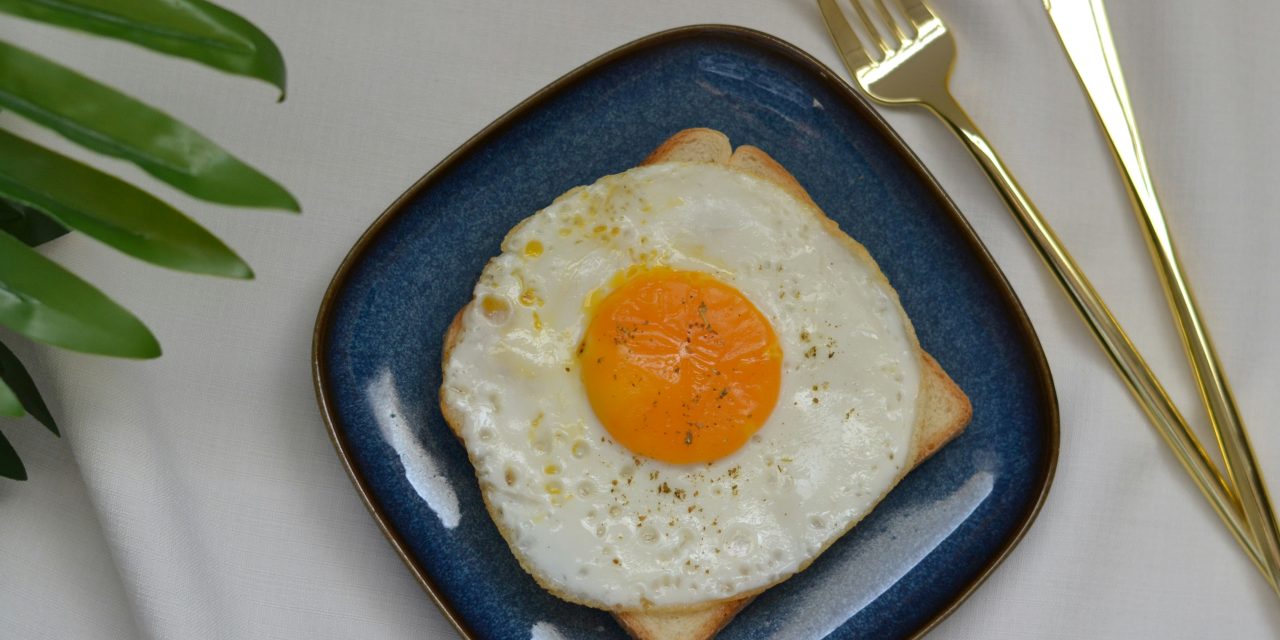
Poached eggs are a culinary delight, often celebrated for their delicate texture and rich flavor. Traditionally, vinegar has been a common ingredient in poaching water, purportedly to help the egg whites coagulate more quickly. However, many chefs and home cooks are now opting to skip this acidic component, believing that it can impart an undesirable taste to the eggs. The absence of vinegar allows for a more natural flavor profile, enhancing the overall experience of the dish. This article will explore various techniques and methods to achieve perfectly poached eggs without the use of vinegar, ensuring that you can enjoy this classic dish in its purest form.
The journey to mastering poached eggs involves understanding several key factors, including the selection of fresh eggs, water temperature, and cooking techniques. By focusing on these elements, you can create a beautifully poached egg that boasts a tender white and a luscious, runny yolk. This guide will provide you with practical tips and tricks to elevate your poaching skills while avoiding the pitfalls associated with vinegar.
If you’re looking for a delicious and healthy breakfast option, poached eggs can be a fantastic choice. While many recipes suggest using vinegar to help the eggs maintain their shape, you can achieve perfectly poached eggs without it. For a delightful twist on breakfast, you might also enjoy making no-bake peanut butter oatmeal energy bites, which provide a quick and nutritious snack. You can find the recipe for these energy bites in this related article: No-Bake Peanut Butter Oatmeal Energy Bites.
Choosing the Freshest Eggs for Perfect Poaching
The foundation of a successful poached egg lies in the quality of the eggs used. Freshness is paramount; eggs that are just a few days old will yield superior results compared to those that have been sitting in your refrigerator for weeks. Fresh eggs have firmer whites that hold their shape better during cooking, resulting in a more aesthetically pleasing presentation. When selecting eggs, look for those with a clean, uncracked shell and a sell-by date that is as recent as possible.
To further ensure freshness, consider purchasing eggs from local farms or farmers’ markets. These sources often provide eggs that have been laid within days of sale, offering optimal quality. Additionally, performing a simple water test can help determine an egg’s freshness: place the egg in a bowl of water; if it sinks and lays flat on the bottom, it is fresh. If it stands upright or floats, it is best to discard it.
Using Water Temperature to Achieve Ideal Poaching

Water temperature plays a crucial role in the poaching process. The ideal temperature for poaching eggs is between 160°F and 180°F (71°C to 82°C). At this range, the egg whites will begin to coagulate without becoming rubbery or overcooked. To achieve this temperature, bring a pot of water to a gentle simmer rather than a rolling boil. A rolling boil can cause the eggs to break apart and lose their shape.
Using a thermometer can help you monitor the water temperature accurately. If you do not have one on hand, look for small bubbles forming on the bottom of the pot; this indicates that the water is hot enough for poaching. Maintaining a consistent temperature throughout the cooking process is essential for achieving perfectly poached eggs.
The Gentle Swirl Technique: Creating a Whirlpool Without Vinegar

One effective technique for poaching eggs without vinegar is the gentle swirl method. This technique involves creating a whirlpool in the simmering water before adding the egg. To do this, use a spoon or spatula to stir the water in a circular motion until you see a vortex forming. Once the whirlpool is established, carefully crack the egg into the center of the vortex. The swirling motion helps to keep the egg whites together, resulting in a more cohesive shape.
This method not only eliminates the need for vinegar but also enhances the visual appeal of your poached eggs. The gentle swirling action encourages even cooking and prevents the whites from spreading too far apart. With practice, you will master this technique and produce beautifully shaped poached eggs every time.
If you’re looking for a way to make poached eggs without vinegar, you might find it interesting to explore alternative cooking methods that enhance flavor and texture. One related article that provides insights into various cooking techniques is this guide on native plants for Texas gardens, which emphasizes the importance of using natural ingredients in your culinary adventures. By incorporating fresh herbs and vegetables from your garden, you can elevate your poached eggs to a whole new level.
Utilizing a Fine Mesh Strainer for Smooth Egg Whites
Another effective strategy for achieving smooth and cohesive egg whites is to use a fine mesh strainer before poaching. This technique involves cracking the egg into the strainer and allowing any excess watery whites to drain away. The remaining egg white will be thicker and more concentrated, which helps it hold its shape during cooking.
Using a fine mesh strainer not only improves the texture of your poached eggs but also reduces the likelihood of wispy strands of egg white dispersing in the water. This results in a cleaner presentation and enhances the overall dining experience. Incorporating this step into your preparation routine can significantly elevate your poaching game.
Cooking Eggs in a Silicone Poaching Cup: A Vinegar-Free Method
For those seeking an alternative method to traditional poaching, silicone poaching cups offer an innovative solution. These cups are designed to hold individual portions of egg while they cook in simmering water, eliminating the need for swirling or straining. Simply grease the inside of each cup lightly with oil or cooking spray, crack an egg into each cup, and place them in a pot of simmering water.
Silicone poaching cups provide consistent results and are particularly useful for beginners or those who may struggle with traditional poaching techniques. They also make cleanup easy, as they are dishwasher safe and can be reused multiple times. This method allows you to enjoy perfectly poached eggs without any fuss or mess.
Adding Salt to the Water to Help Egg Whites Set
Incorporating salt into your poaching water can also aid in achieving perfectly set egg whites without vinegar. Salt increases the density of the water, which can help stabilize the egg whites as they cook. Adding approximately one teaspoon of salt per quart of water is generally sufficient for optimal results.
While salt enhances flavor, it also contributes to better coagulation of the proteins in the egg whites. This results in firmer whites that maintain their shape during cooking. Experimenting with different amounts of salt can help you find your preferred balance between flavor and texture.
Timing Your Poach: How Long to Cook for Runny Yolks
Timing is critical when it comes to achieving perfectly poached eggs with runny yolks. Generally, cooking times range from three to five minutes, depending on your desired level of doneness. For a runny yolk with set whites, aim for approximately three minutes of cooking time.
To ensure accuracy, consider using a timer or stopwatch while cooking. After three minutes, gently remove one egg from the water using a slotted spoon and check its doneness by gently pressing on the yolk with your finger; it should feel soft but not liquidy. If necessary, return it to the water for an additional minute or two until you reach your desired consistency.
Removing and Draining Eggs Properly to Avoid Wateriness
Once your eggs are cooked to perfection, proper removal and draining are essential to avoid excess wateriness on your plate. Using a slotted spoon, gently lift each poached egg from the simmering water and allow it to drain briefly over the pot before transferring it to a plate lined with paper towels.
This step helps absorb any residual moisture that may cling to the egg’s surface, preventing sogginess when served. Additionally, if you plan to serve multiple poached eggs at once, consider placing them in a bowl of warm water while you finish cooking the remaining eggs; this keeps them warm without further cooking them.
Tips for Serving and Storing Poached Eggs Without Vinegar
Serving poached eggs can be as creative as it is delicious. Consider pairing them with toasted bread, sautéed greens, or avocado for a nutritious breakfast or brunch option. Drizzling hollandaise sauce or pesto over your poached eggs can elevate their flavor profile even further.
If you have leftover poached eggs or wish to prepare them in advance, store them in an airtight container submerged in cold water in the refrigerator for up to two days. When ready to serve, gently reheat them by placing them in warm water for about five minutes before serving.
Mastering Poached Eggs the Natural Way
In conclusion, mastering the art of poaching eggs without vinegar is entirely achievable through careful attention to detail and technique. By selecting fresh eggs, controlling water temperature, employing gentle swirling methods, utilizing fine mesh strainers or silicone cups, adding salt for stabilization, timing your cooking accurately, and removing excess moisture effectively, you can create perfectly poached eggs that are both visually appealing and deliciously satisfying.
With practice and experimentation, you will develop your own signature style for preparing this classic dish while enjoying its natural flavors untainted by vinegar’s acidity. Embrace these techniques and enjoy your journey toward becoming an expert in poaching eggs naturally.
### FAQ Section
1. **Can I use older eggs for poaching?**
While fresh eggs yield better results due to firmer whites, older eggs can still be used if necessary; just be aware that they may spread more during cooking.
2. **What if I don’t have a thermometer?**
If you lack a thermometer, look for small bubbles forming at the bottom of your pot as an indicator that your water is at an appropriate temperature for poaching.
3. **Can I add other seasonings besides salt?**
Yes! Feel free to experiment with herbs or spices in your poaching water; just remember that strong flavors may affect the taste of your finished egg.
4. **How do I know when my yolk is runny?**
Gently press on the yolk with your finger after three minutes; if it feels soft but not liquidy, it’s likely ready!
5. **Can I freeze poached eggs?**
Freezing is not recommended as it alters texture; however, storing them submerged in cold water in the refrigerator works well for short-term storage.
6. **What dishes pair well with poached eggs?**
Poached eggs complement various dishes such as avocado toast, salads, grain bowls, or classic Eggs Benedict.
7. **Is there an alternative method besides stovetop poaching?**
Yes! You can also use an Instant Pot or microwave for quick poaching methods if you’re short on time.
8. **How long can I store cooked poached eggs?**
Cooked poached eggs can be stored in cold water in an airtight container in the refrigerator for up to two days.
9. **What should I do if my egg whites are too watery?**
Using a fine mesh strainer before cooking can help eliminate excess watery whites; ensure you’re using fresh eggs as well.
10. **Can I use flavored oils instead of plain oil when greasing silicone cups?**
Absolutely! Flavored oils like olive oil or truffle oil can add an extra layer of taste to your poached eggs.
In summary, mastering vinegar-free poached eggs involves selecting fresh ingredients and employing effective techniques such as temperature control and timing while embracing creativity in serving options. Enjoy experimenting with these methods!
FAQs
Can I poach eggs without vinegar?
Yes, you can poach eggs without vinegar. While vinegar is often used to help the egg whites coagulate more quickly, there are alternative methods to achieve perfectly poached eggs without it.
What are some alternatives to vinegar for poaching eggs?
Some alternatives to vinegar include using fresh eggs, which tend to hold their shape better, or adding a pinch of salt to the water. You can also use a silicone poaching cup or a microwave method to poach eggs without vinegar.
How do I poach eggs using the microwave?
To poach eggs in the microwave, crack an egg into a microwave-safe bowl filled with water, ensuring the egg is submerged. Cover the bowl with a microwave-safe plate and cook on high for about 30-60 seconds, checking for doneness. Adjust the time based on your microwave’s power.
What is the best method for poaching eggs without vinegar?
The best method for poaching eggs without vinegar is to use a gentle simmering water technique. Bring a pot of water to a simmer, create a gentle whirlpool with a spoon, and carefully slide the egg into the center. This helps the egg whites wrap around the yolk, resulting in a nicely shaped poached egg.
How can I ensure my poached eggs have a good texture?
To ensure your poached eggs have a good texture, use the freshest eggs possible, as they hold their shape better. Additionally, avoid boiling the water too vigorously, as this can cause the eggs to break apart. A gentle simmer is ideal for achieving a tender and creamy poached egg.