Detecting slow tire leaks is crucial for maintaining vehicle safety and performance. Tires are the only contact point between a vehicle and the road, making their integrity paramount. A slow leak can lead to under-inflation, which not only affects handling and braking but also increases tire wear and fuel consumption. According to the National Highway Traffic Safety Administration (NHTSA), under-inflated tires can reduce fuel efficiency by up to 3% for every 1 psi drop in pressure. This statistic underscores the importance of regular tire maintenance and leak detection.
Moreover, slow leaks can pose significant safety risks. A tire that loses air pressure gradually may not exhibit immediate symptoms, leading drivers to overlook potential hazards. This can result in blowouts or loss of control while driving, particularly at high speeds or during adverse weather conditions. Therefore, understanding how to detect and address slow tire leaks is essential for ensuring both personal safety and optimal vehicle performance.
If you’re looking to tackle the challenge of finding a slow tire leak at home, you might also be interested in enhancing your living space with some greenery. A related article that could inspire you is about the best indoor plants for your home, which can improve air quality and add a touch of nature to your environment. You can check it out here: 10 Best Indoor Plants for Your Home.
Common Causes of Slow Tire Leaks
Several factors contribute to the occurrence of slow tire leaks. One of the most prevalent causes is punctures from sharp objects such as nails, screws, or glass shards. These foreign bodies can create small holes in the tire tread, allowing air to escape gradually. Additionally, wear and tear over time can lead to cracks or separations in the rubber, further exacerbating the issue.
Another common cause is valve stem damage. The valve stem is a critical component that allows for inflation and deflation of the tire. If it becomes cracked or corroded due to exposure to environmental elements, it can lead to air loss. Furthermore, improper installation of tires or rims can create gaps that allow air to seep out slowly. Regular inspections can help identify these issues before they escalate into more significant problems.
Preparing Your Vehicle and Workspace for Inspection

Before embarking on a tire inspection, it is essential to prepare both your vehicle and workspace adequately. Start by ensuring that your vehicle is parked on a flat, stable surface to prevent any accidents during the inspection process. Engage the parking brake to secure the vehicle in place and gather necessary tools such as a tire pressure gauge, soapy water solution, and a flashlight.
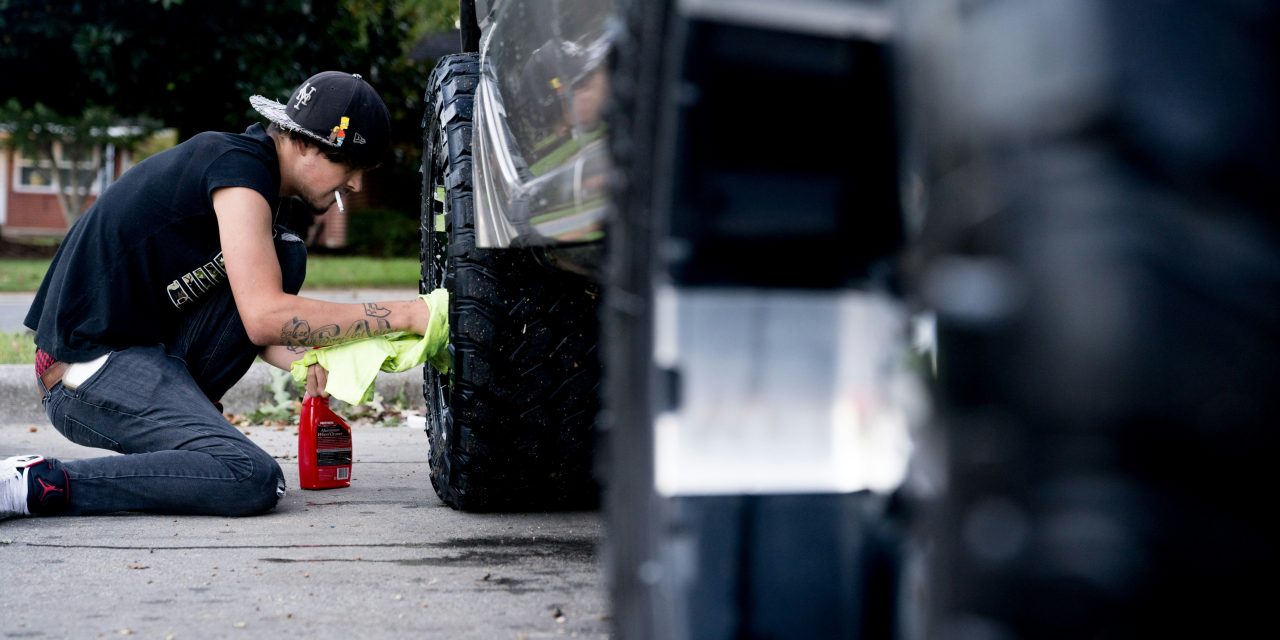
Creating a clean workspace is equally important. Remove any debris or obstacles around the tires to facilitate easy access and movement. Wearing appropriate safety gear, such as gloves and safety glasses, can protect you from potential injuries while inspecting your tires. By preparing your vehicle and workspace effectively, you set the stage for a thorough and efficient inspection process.
Visual Inspection: Spotting Obvious Signs of Damage

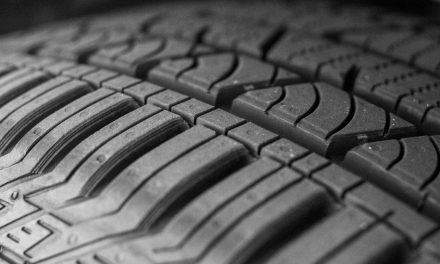
A visual inspection is often the first step in identifying slow tire leaks. Begin by examining the entire surface of each tire for visible signs of damage. Look for punctures, cuts, or bulges that may indicate structural integrity issues. Pay close attention to the tread area, as this is where most punctures occur.
Additionally, inspect the sidewalls for cracks or abrasions that could compromise the tire’s performance. If you notice any irregularities, it may be necessary to mark them for further investigation or immediate repair. A thorough visual inspection can reveal critical information about the condition of your tires and help you determine whether further testing is required.
If you’re looking to identify a slow tire leak at home, you might find it helpful to explore some practical tips that can make the process easier. One useful resource is an article that provides a step-by-step guide on how to troubleshoot common tire issues. You can read more about it in this informative guide. By following these suggestions, you can save time and potentially avoid costly repairs.
Using Soapy Water to Identify Air Bubbles
One effective method for detecting slow leaks involves using a soapy water solution. This technique is simple yet highly effective in identifying escaping air from tires. To perform this test, mix water with a few drops of dish soap in a spray bottle or bowl.
Spray or apply the soapy solution generously over the entire surface of the tire, focusing on areas where damage was previously identified during the visual inspection. As air escapes from any punctures or cracks, it will create visible bubbles in the soapy water. This method allows for precise identification of leak locations without requiring specialized equipment.
Listening for Hissing Sounds Around the Tire
Another practical approach to detecting slow tire leaks is by listening for hissing sounds around the tires. This method requires a quiet environment where external noises are minimized. With your vehicle parked securely, crouch down near each tire and listen carefully.
If there is a slow leak present, you may hear a faint hissing sound as air escapes from the tire. This auditory cue can help pinpoint the exact location of the leak, allowing for targeted repairs. Combining this technique with visual inspections enhances your ability to identify issues effectively.
Checking Tire Pressure Regularly with a Gauge
Regularly checking tire pressure with a gauge is an essential practice for maintaining optimal tire health. Under-inflated tires can lead to increased wear and reduced fuel efficiency, while over-inflated tires can compromise handling and safety. Invest in a reliable tire pressure gauge to ensure accurate readings.
To check tire pressure, remove the valve cap from each tire and press the gauge onto the valve stem firmly. Read the pressure displayed on the gauge and compare it to the manufacturer’s recommended specifications, typically found on a sticker inside the driver’s door jamb or in the owner’s manual. If you notice significant discrepancies, it may indicate a slow leak that requires further investigation.
Inspecting the Valve Stem for Leaks
The valve stem is a critical component that often goes unnoticed during routine inspections. It serves as the entry point for air inflation and can be susceptible to damage over time due to exposure to environmental factors such as moisture and road debris. Inspecting the valve stem for leaks is essential in identifying potential issues.
Begin by visually examining the valve stem for cracks or signs of corrosion. If any damage is detected, consider replacing the valve stem promptly to prevent air loss. Additionally, applying soapy water around the base of the valve stem can help identify leaks; if bubbles form, it indicates that air is escaping from this area.
Submerging the Tire in Water to Detect Escaping Air
For a more thorough leak detection method, submerging the tire in water can be highly effective. This technique allows for visual confirmation of air escaping from any punctures or cracks that may not be easily detectable through other methods.
To perform this test, remove the tire from the vehicle and submerge it in a large container filled with water or use a kiddie pool if available. Rotate the tire slowly while observing for any bubbles forming on its surface. The presence of bubbles indicates an air leak that requires immediate attention.
Utilizing DIY Tools and Kits for Leak Detection
In addition to traditional methods, various DIY tools and kits are available specifically designed for leak detection in tires. These kits often include specialized sealants that can temporarily fix minor punctures until professional repairs can be made.
When using these kits, follow manufacturer instructions carefully to ensure proper application. While DIY solutions can be effective for minor issues, they should not replace professional assessments for more significant damage or structural concerns.
When to Seek Professional Help After Home Testing
While many slow tire leaks can be identified and addressed through home testing methods, there are instances when seeking professional assistance is necessary. If you have conducted thorough inspections and testing but are still unable to locate or resolve the leak, it may be time to consult a qualified technician.
Additionally, if you discover significant damage such as deep punctures or sidewall bulges during your inspections, professional intervention is crucial for ensuring safety on the road. Technicians possess specialized equipment and expertise to diagnose complex issues accurately and recommend appropriate repairs or replacements.
In summary, detecting slow tire leaks is vital for maintaining vehicle safety and performance. By understanding common causes, preparing adequately for inspections, and utilizing various detection methods such as visual checks, soapy water tests, and auditory cues, drivers can effectively identify potential issues before they escalate into serious problems. Regular maintenance practices like checking tire pressure and inspecting valve stems further enhance overall tire health. While DIY methods are valuable tools in leak detection, professional assistance should be sought when necessary to ensure optimal safety on the road.
FAQs
What are the common signs of a slow tire leak?
Common signs of a slow tire leak include a gradual loss of tire pressure, visible bulges or cracks on the tire surface, uneven tire wear, and the need to frequently inflate the tire. Additionally, you may hear a hissing sound when the tire is inflated, indicating air escaping.
How can I check for a slow tire leak at home?
You can check for a slow tire leak by visually inspecting the tire for any obvious damage, using soapy water to identify air bubbles, or submerging the tire in water to see if any bubbles form. Additionally, you can use a tire pressure gauge to monitor the tire’s pressure over time.
What materials do I need to find a slow tire leak?
To find a slow tire leak, you will need soapy water (mix dish soap with water), a spray bottle or sponge, a tire pressure gauge, and possibly a bucket of water if you choose to submerge the tire. A flashlight may also be helpful for inspecting the tire in low light conditions.
Can I fix a slow tire leak myself?
Yes, many slow tire leaks can be fixed at home, especially if they are caused by punctures or small damages. You can use a tire repair kit to patch the leak or apply a tire sealant. However, if the damage is severe or if you are unsure, it is best to consult a professional tire technician.
When should I seek professional help for a slow tire leak?
You should seek professional help if you are unable to locate the leak, if the tire has significant damage such as sidewall punctures or large cracks, or if the tire continues to lose pressure despite your attempts to repair it. Additionally, if you feel uncomfortable performing the inspection or repair yourself, it’s advisable to consult a professional.