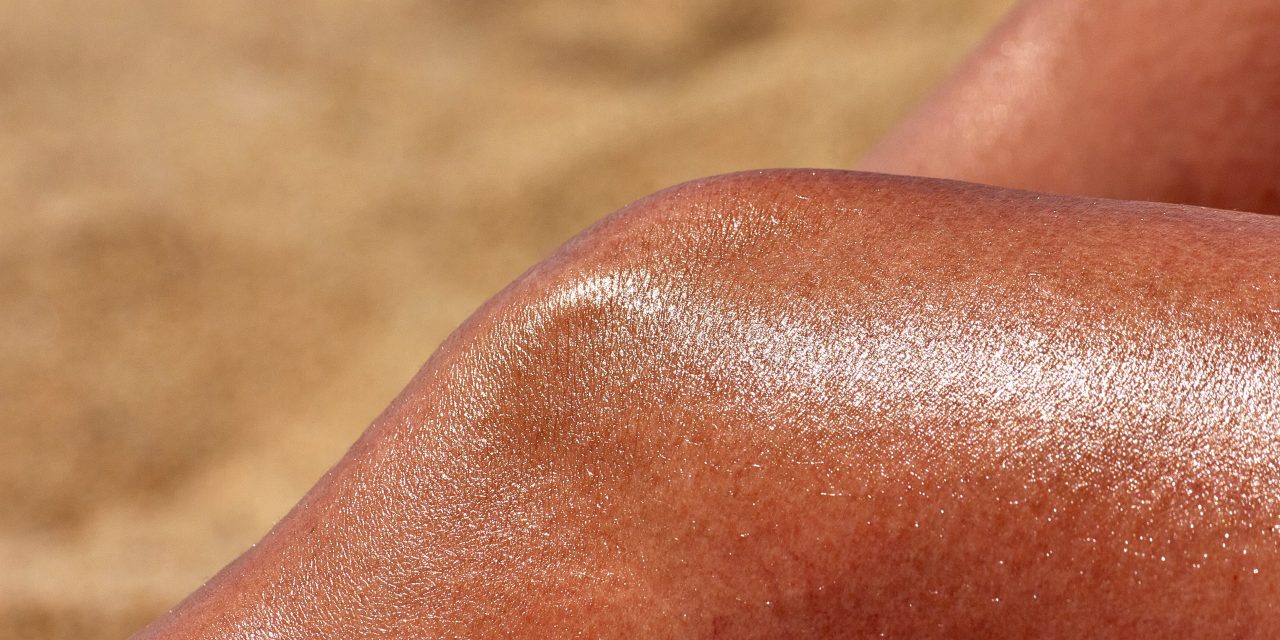
Dry skin, medically referred to as xerosis, is a prevalent dermatological condition characterized by a lack of moisture in the epidermis, the outermost layer of skin. This condition can manifest as roughness, scaling, and itching, significantly impacting an individual’s quality of life. The etiology of dry skin is multifactorial, encompassing intrinsic and extrinsic factors. Intrinsic causes include genetic predispositions, age-related changes, and underlying health conditions, while extrinsic factors often involve environmental influences and lifestyle choices.
Age plays a pivotal role in skin hydration; as individuals age, sebaceous gland activity diminishes, leading to reduced oil production. This natural decline in sebum can exacerbate dryness, particularly in older adults. Additionally, certain medical conditions such as eczema, psoriasis, and diabetes can compromise the skin’s barrier function, further contributing to moisture loss. Understanding these common causes is essential for effective management and treatment of dry skin.
If you’re wondering why your skin remains dry even after applying lotion, you might find it helpful to explore related topics on skin care and hydration. For instance, understanding the factors that contribute to skin dryness can provide valuable insights. You can read more about this in the article found here: Is it Safe to Eat Food Left Out Overnight?. While the article focuses on food safety, it highlights the importance of maintaining proper conditions for health, which can also be applied to skin care routines.
Using the Wrong Type of Lotion for Your Skin
Selecting an inappropriate lotion can significantly hinder efforts to alleviate dry skin. The vast array of moisturizers available on the market can be overwhelming, but understanding the specific needs of one’s skin type is crucial. For instance, individuals with oily or acne-prone skin may benefit from lightweight, non-comedogenic formulations that hydrate without clogging pores. Conversely, those with severely dry skin may require thicker creams or ointments containing occlusive agents like petrolatum or dimethicone to lock in moisture effectively.
Moreover, it is essential to consider the ingredients in lotions. Products containing alcohol or fragrances can exacerbate dryness and irritation for sensitive skin types. Instead, look for formulations rich in humectants such as glycerin or hyaluronic acid, which attract moisture to the skin. By choosing the right type of lotion tailored to individual skin needs, one can significantly improve hydration levels and overall skin health.
The timing and technique of lotion application can greatly influence its efficacy. Research indicates that applying moisturizer on damp skin—immediately after bathing or washing—can enhance absorption and retention of moisture. When the skin is slightly wet, it is more permeable, allowing hydrating ingredients to penetrate more effectively. This practice helps to seal in water content and prevent transepidermal water loss (TEWL), a common issue for individuals with dry skin.
In contrast, applying lotion on completely dry skin may not yield optimal results. Without the presence of moisture, the lotion may sit on the surface rather than being absorbed, leading to a less effective moisturizing experience. Therefore, it is advisable to gently pat the skin dry after cleansing and apply lotion while the skin is still slightly damp to maximize hydration benefits.
Environmental Factors Contributing to Dryness

Environmental factors play a significant role in skin hydration levels. Low humidity environments, particularly during winter months or in arid climates, can lead to increased evaporation of moisture from the skin’s surface. Additionally, exposure to harsh weather conditions such as wind and extreme temperatures can compromise the skin barrier, resulting in dryness and irritation.
Indoor heating systems can also contribute to low humidity levels, exacerbating dry skin conditions. To combat these environmental challenges, individuals can utilize humidifiers in their living spaces to maintain optimal moisture levels in the air. Furthermore, protective clothing during outdoor activities can shield the skin from harsh elements and minimize moisture loss.
Overwashing and Its Impact on Skin Moisture

Overwashing is a common habit that can severely impact skin hydration. Frequent cleansing strips the skin of its natural oils, disrupting the lipid barrier that protects against moisture loss. This practice is particularly detrimental for individuals with dry or sensitive skin types who may already struggle with maintaining adequate hydration levels.
To mitigate the effects of overwashing, it is advisable to limit cleansing to once or twice daily using gentle, hydrating cleansers free from sulfates and harsh chemicals. Incorporating a nourishing body wash or oil-based cleanser can help preserve the skin’s natural moisture while effectively removing dirt and impurities. Additionally, following up with a moisturizer immediately after cleansing can help replenish lost hydration.
If you’ve ever wondered why your skin remains dry even after applying lotion, you might find it helpful to explore various factors that contribute to skin hydration. One insightful article discusses essential tips for maintaining healthy habits, which can be surprisingly relevant to skincare as well. You can check it out for more information on how to improve your overall well-being and potentially enhance your skin’s moisture retention. For more details, visit this link.
The Role of Dehydration in Skin Dryness
Dehydration is another critical factor contributing to dry skin. When the body lacks adequate fluids, it prioritizes hydration for vital organs over peripheral tissues such as the skin. This physiological response can lead to visible signs of dryness, including flakiness and tightness. Factors such as inadequate water intake, excessive caffeine consumption, and certain medications can exacerbate dehydration.
To combat dehydration-related dryness, individuals should prioritize adequate fluid intake by consuming at least eight 8-ounce glasses of water daily—commonly referred to as the “8×8 rule.” Additionally, incorporating hydrating foods such as fruits and vegetables into one’s diet can provide essential vitamins and minerals that support overall skin health.
If you’re wondering why your skin remains dry even after applying lotion, you might find it helpful to explore related factors that can affect skin hydration. For instance, environmental conditions and the type of lotion you use can play significant roles in maintaining skin moisture. Additionally, understanding how to store your skincare products properly can also impact their effectiveness. You can read more about this in a helpful article on how to store potatoes to prevent sprouting, which highlights the importance of proper storage techniques that can be applied to your skincare routine as well. Check it out here.
Allergic Reactions or Sensitivities to Lotion Ingredients
Allergic reactions or sensitivities to specific ingredients in lotions can lead to exacerbated dryness and irritation. Common culprits include fragrances, preservatives like parabens, and certain botanical extracts that may trigger contact dermatitis or allergic responses in susceptible individuals. Symptoms may manifest as redness, itching, or peeling skin.
To avoid adverse reactions, it is crucial to conduct patch tests before using new products extensively. Individuals should also opt for hypoallergenic formulations specifically designed for sensitive skin types. Reading ingredient labels carefully and avoiding known allergens can help mitigate the risk of irritation while promoting healthier skin.
Underlying Medical Conditions Affecting Skin Hydration
Several underlying medical conditions can significantly impact skin hydration levels. Conditions such as atopic dermatitis (eczema), psoriasis, and hypothyroidism are known to compromise the skin’s barrier function and lead to increased dryness. These disorders often require specialized treatment approaches tailored to individual needs.
For instance, individuals with eczema may benefit from topical corticosteroids or calcineurin inhibitors to reduce inflammation and restore barrier function. In contrast, those with psoriasis may require systemic treatments or phototherapy to manage symptoms effectively. Consulting with a dermatologist is essential for accurate diagnosis and appropriate management of any underlying medical conditions affecting skin hydration.
Inadequate Exfoliation Leading to Flaky Skin
Inadequate exfoliation can contribute to the accumulation of dead skin cells on the surface, leading to a dull appearance and flaky texture. Regular exfoliation helps remove these dead cells and promotes cell turnover, allowing for better absorption of moisturizers and improved overall skin texture.
Chemical exfoliants such as alpha-hydroxy acids (AHAs) or beta-hydroxy acids (BHAs) can be particularly effective for individuals with dry skin types. These agents work by dissolving the bonds between dead skin cells, facilitating their removal without causing excessive irritation. However, it is essential to strike a balance; over-exfoliation can lead to further dryness and irritation.
Seasonal Changes and Their Effect on Skin Moisture
Seasonal changes significantly influence skin hydration levels due to variations in temperature and humidity. Winter months often bring cold air and indoor heating that strip moisture from the skin’s surface, leading to increased dryness and irritation. Conversely, summer heat may cause excessive sweating that can also disrupt the skin barrier if not managed properly.
To adapt to seasonal changes effectively, individuals should adjust their skincare routines accordingly. During winter months, incorporating richer creams and oils into daily regimens can provide additional hydration and protection against harsh elements. In contrast, lighter formulations may be more suitable during warmer months when humidity levels are higher.
Tips for Choosing and Applying Lotion Effectively
Choosing the right lotion involves understanding individual skin needs and preferences while considering factors such as texture, ingredients, and formulation type. Look for products labeled as “non-comedogenic” if prone to acne or breakouts; opt for thicker creams or ointments for severely dry areas.
When applying lotion, ensure that it is done consistently—ideally twice daily—to maintain optimal hydration levels throughout the day. Focus on areas prone to dryness such as elbows, knees, and hands during application. Additionally, consider layering products; applying a hydrating serum before lotion can enhance moisture retention further.
In conclusion, addressing dry skin requires a multifaceted approach that considers various factors contributing to moisture loss. By understanding common causes such as environmental influences, lifestyle habits, and underlying medical conditions, individuals can take proactive steps toward effective management and treatment options tailored to their unique needs.
FAQ Section:
1. What are some common symptoms of dry skin?
– Symptoms include roughness, flakiness, itching, redness, tightness, and sometimes cracking or bleeding.
2. How often should I apply lotion?
– It is recommended to apply lotion at least twice daily—after bathing and before bed—to maintain optimal hydration levels.
3. Can diet affect my skin’s hydration?
– Yes! A diet rich in fruits and vegetables provides essential vitamins and minerals that support overall skin health.
4. Are there specific ingredients I should avoid in lotions?
– Individuals with sensitive skin should avoid fragrances, alcohols, parabens, and certain botanical extracts known to cause irritation.
5. How do I know if my dry skin is due to an underlying medical condition?
– If you experience persistent dryness despite proper skincare routines or have accompanying symptoms like redness or inflammation, consult a dermatologist for evaluation.
6. What are some effective home remedies for dry skin?
– Natural oils like coconut oil or olive oil can provide additional moisture; oatmeal baths may also soothe irritated skin.
7. Is it necessary to use sunscreen if I have dry skin?
– Absolutely! Sunscreen protects against UV damage that can exacerbate dryness; opt for hydrating formulations with SPF included.
8. Can stress contribute to dry skin?
– Yes! Stress can trigger inflammatory responses in the body that may worsen existing dry skin conditions.
9. How do I choose a moisturizer based on my skin type?
– For oily skin types: lightweight gels; for normal/combination: lotions; for dry/sensitive: creams or ointments with occlusive ingredients.
10. When should I seek professional help for my dry skin?
– If over-the-counter treatments do not improve your condition within a few weeks or if you experience severe symptoms like cracking or bleeding.
In summary, understanding the multifaceted nature of dry skin allows individuals to implement effective prevention strategies and treatment options tailored to their unique needs while promoting overall dermatological health through informed choices regarding skincare products and routines.
FAQs
Why is my skin still dry after applying lotion?
There are several reasons your skin may still feel dry after applying lotion. It could be due to the type of lotion used, as some formulations may not provide adequate hydration. Additionally, environmental factors such as low humidity or harsh weather conditions can strip moisture from the skin. Skin conditions like eczema or psoriasis may also contribute to persistent dryness.
What ingredients should I look for in a lotion to combat dry skin?
To effectively combat dry skin, look for lotions that contain hydrating ingredients such as glycerin, hyaluronic acid, ceramides, and natural oils like jojoba or almond oil. These ingredients help to lock in moisture and create a barrier on the skin to prevent further dryness.
How often should I apply lotion to keep my skin hydrated?
For optimal hydration, it is recommended to apply lotion at least twice a day, especially after bathing or washing your hands. Applying lotion immediately after showering can help seal in moisture while your skin is still damp.
Can my diet affect the dryness of my skin?
Yes, your diet can significantly impact your skin’s hydration levels. Consuming a balanced diet rich in omega-3 fatty acids, vitamins A, C, and E, and staying hydrated by drinking plenty of water can help improve skin moisture. Conversely, a diet high in processed foods and sugars may exacerbate dryness.
Is it possible that I am using too much lotion?
Using too much lotion can sometimes lead to a greasy feeling without effectively hydrating the skin. It’s important to apply a sufficient amount to cover the skin without overdoing it. If your skin still feels dry, consider switching to a thicker cream or ointment that provides better moisture retention.