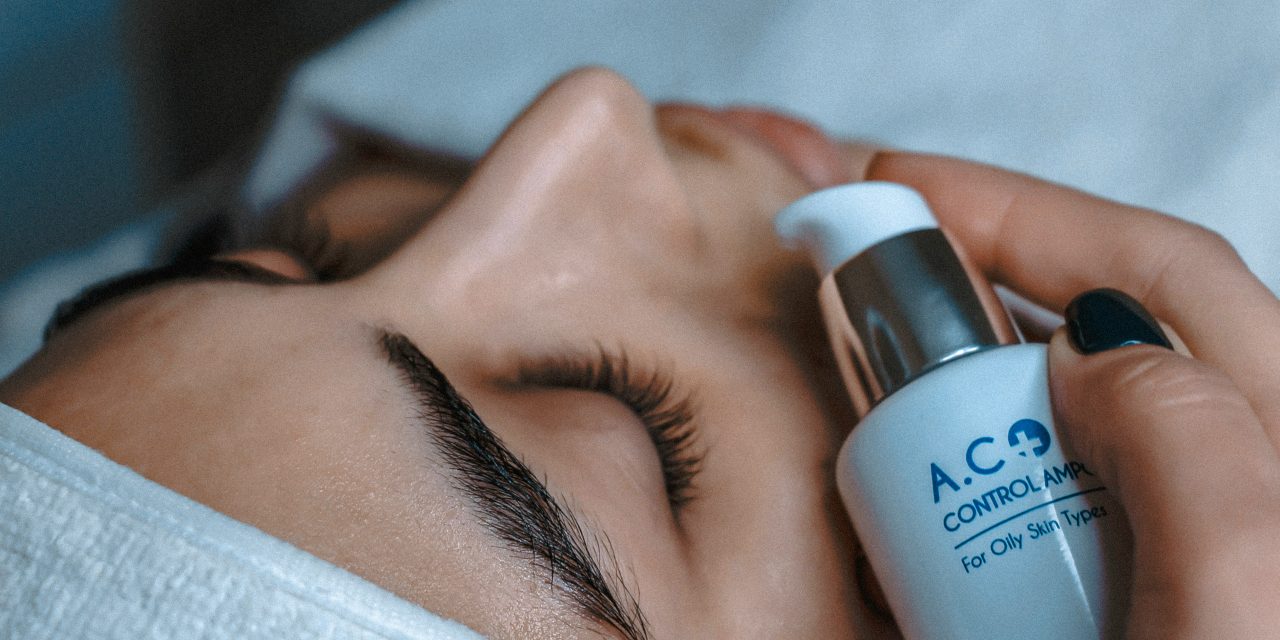
Understanding your skin type is the cornerstone of effective skincare. Skin types can generally be categorized into four primary classifications: normal, oily, dry, and combination. Normal skin is characterized by a balanced moisture level, minimal blemishes, and a smooth texture. Oily skin, on the other hand, tends to produce excess sebum, leading to a shiny appearance and a propensity for acne. Dry skin often feels tight, rough, or flaky due to insufficient moisture levels, while combination skin exhibits characteristics of both oily and dry skin in different areas of the face.
To accurately determine your skin type, consider conducting a simple test. After cleansing your face, refrain from applying any products for about an hour. Observe how your skin reacts during this time. If it feels tight and looks dull, you likely have dry skin. If it appears shiny, particularly in the T-zone (forehead, nose, and chin), you may have oily skin. A mix of both sensations indicates combination skin, while a balanced feel suggests normal skin. Understanding these nuances allows for tailored skincare regimens that address specific needs effectively.
To maintain hydrated and healthy skin throughout the day, it’s essential to adopt a consistent moisturizing routine and choose the right products for your skin type. For more insights on how to effectively care for your skin, you might find this article helpful: How to Keep Your Skin Moisturized All Day. It offers practical tips and tricks that can make a significant difference in your skincare regimen.
Choose the Right Moisturizer
Selecting an appropriate moisturizer is crucial for maintaining optimal skin hydration and health. The market offers a plethora of options, each formulated with distinct ingredients targeting various skin concerns. For individuals with dry skin, look for moisturizers containing occlusive agents such as petrolatum or dimethicone that create a barrier to prevent moisture loss. Those with oily skin should opt for lightweight, non-comedogenic formulations that hydrate without clogging pores; gel-based moisturizers often fit this criterion perfectly.
Additionally, consider the inclusion of active ingredients in your moisturizer. Hyaluronic acid is renowned for its ability to attract and retain moisture, making it an excellent choice for all skin types. For aging or sun-damaged skin, products enriched with antioxidants like vitamin C or E can provide protective benefits while promoting a more youthful appearance. Ultimately, the right moisturizer should align with your specific skin type and concerns to ensure maximum efficacy.
Apply Moisturizer on Damp Skin

The timing and technique of moisturizer application can significantly influence its effectiveness. Applying moisturizer on damp skin—immediately after cleansing or showering—can enhance absorption and lock in moisture more effectively. When the skin is slightly wet, it creates an optimal environment for the moisturizer to penetrate deeper layers, thereby maximizing hydration levels.
To implement this technique effectively, gently pat your face with a towel after cleansing, leaving it slightly moist. Then, apply your chosen moisturizer using upward strokes to promote circulation and encourage lymphatic drainage. This method not only enhances hydration but also contributes to a more radiant complexion over time.
Use a Hydrating Serum Before Moisturizer

Incorporating a hydrating serum into your skincare routine can provide an additional layer of moisture and nourishment. Serums are typically lightweight formulations that contain a higher concentration of active ingredients compared to traditional moisturizers. They are designed to penetrate deeply into the skin, delivering targeted benefits such as hydration, brightening, or anti-aging effects.
When selecting a hydrating serum, look for key ingredients such as hyaluronic acid, glycerin, or aloe vera. These components are known for their ability to attract and retain moisture within the skin. Apply the serum after cleansing and before your moisturizer to create a powerful hydrating duo that enhances overall skin texture and appearance.
To maintain hydrated and healthy skin throughout the day, it’s essential to adopt a consistent skincare routine that includes the right moisturizers and techniques. For more tips on effective skincare practices, you can check out this informative article on keeping your skin moisturized. Remember, the key to lasting moisture lies in choosing products that suit your skin type and applying them regularly.
Avoid Hot Showers and Baths
While hot showers may feel soothing, they can wreak havoc on your skin’s moisture barrier. Exposure to high temperatures can strip away natural oils, leading to dryness and irritation. Instead of indulging in scalding baths or showers, opt for lukewarm water to cleanse your body without compromising your skin’s hydration levels.
Additionally, limit the duration of your showers to 10-15 minutes to minimize moisture loss. After bathing, promptly apply moisturizer to damp skin to seal in hydration and restore any lost moisture. This simple adjustment can significantly improve your skin’s overall health and appearance.
To maintain a radiant complexion, it’s essential to keep your skin moisturized throughout the day. One effective way to achieve this is by incorporating a quality moisturizer into your daily routine and reapplying it as needed. Additionally, you might find it helpful to explore related tips on skin care. For instance, check out this insightful article on pet grooming, which, while focused on pets, offers valuable insights into maintaining overall hygiene and care that can inspire your own skincare practices.
Drink Plenty of Water Throughout the Day
Hydration begins from within; therefore, maintaining adequate water intake is essential for healthy skin. The human body is composed of approximately 60% water, and proper hydration plays a vital role in maintaining elasticity and suppleness in the skin. Aim for at least eight 8-ounce glasses of water daily—this is often referred to as the “8×8 rule.” However, individual needs may vary based on factors such as activity level and climate.
Incorporating hydrating foods into your diet can also contribute to overall hydration levels. Fruits and vegetables with high water content—such as cucumbers, watermelon, oranges, and strawberries—can supplement your fluid intake while providing essential vitamins and minerals that promote healthy skin.
Use a Humidifier in Dry Environments
Environmental factors can significantly impact skin hydration levels. In dry climates or during winter months when indoor heating systems are in use, humidity levels can plummet, leading to increased moisture loss from the skin. Utilizing a humidifier in your living space can help counteract these effects by adding moisture back into the air.
By maintaining optimal humidity levels (ideally between 30-50%), you can create a more favorable environment for your skin to thrive. This simple addition can alleviate dryness and irritation while promoting overall comfort in your home.
Reapply Moisturizer as Needed
Skin hydration is not a one-time event; it requires ongoing attention throughout the day. Depending on individual factors such as climate and activity level, you may need to reapply moisturizer multiple times daily to maintain optimal hydration levels. Carrying a travel-sized moisturizer or hydrating mist can make this process convenient.
Pay attention to areas that may become particularly dry or irritated—such as elbows, knees, or hands—and apply additional product as needed. This proactive approach ensures that your skin remains nourished and protected against environmental stressors.
Protect Your Skin from Harsh Weather
Extreme weather conditions can pose significant challenges to maintaining healthy skin. Cold winds can strip moisture away from the surface, while excessive sun exposure can lead to dehydration and damage over time. To protect your skin from these harsh elements, consider implementing a few key strategies.
During colder months, wear protective clothing such as scarves and gloves to shield exposed areas from windburn and dryness. In warmer months, apply broad-spectrum sunscreen with an SPF of at least 30 daily—even on cloudy days—to prevent UV damage that can compromise your skin’s integrity.
Incorporate Healthy Fats into Your Diet
Diet plays an integral role in maintaining healthy skin from the inside out. Incorporating healthy fats into your meals can enhance your skin’s barrier function and improve overall hydration levels. Foods rich in omega-3 fatty acids—such as fatty fish (salmon, mackerel), walnuts, flaxseeds, and chia seeds—are particularly beneficial for promoting supple skin.
Additionally, avocados are an excellent source of monounsaturated fats that support moisture retention within the skin. By prioritizing these nutrient-dense foods in your diet, you can foster a healthier complexion while enjoying various culinary delights.
Avoid Harsh Soaps and Cleansers
Cleansing is an essential step in any skincare routine; however, using harsh soaps or cleansers can disrupt the delicate balance of your skin’s natural oils. Opt for gentle formulations that are free from sulfates and artificial fragrances to avoid stripping away essential moisture.
Look for cleansers containing hydrating ingredients such as glycerin or ceramides that help maintain the skin’s barrier function while effectively removing impurities. A balanced cleansing routine will ensure that your skin remains clean without compromising its hydration levels.
In summary, understanding your unique skin type is fundamental for effective skincare management. Choosing the right moisturizer tailored to your needs is essential for maintaining hydration levels while applying it on damp skin enhances absorption. Incorporating hydrating serums before moisturizers provides additional nourishment; avoiding hot showers preserves natural oils; drinking ample water supports internal hydration; using humidifiers combats dry environments; reapplying moisturizers ensures continuous hydration; protecting against harsh weather prevents damage; incorporating healthy fats nourishes from within; and avoiding harsh soaps maintains balance—all contribute significantly to achieving healthy, radiant skin.
FAQ Section:
1. **How do I determine my specific skin type?**
– Conduct a simple test by cleansing your face and observing how it feels after an hour without products: tightness indicates dryness; shine suggests oiliness; mixed sensations indicate combination skin; balanced feelings suggest normality.
2. **What ingredients should I look for in moisturizers?**
– For dry skin: occlusives like petrolatum; for oily skin: lightweight gels; for aging: antioxidants like vitamin C or E; for all types: hyaluronic acid for hydration.
3. **How often should I reapply moisturizer?**
– Reapply as needed throughout the day based on environmental conditions or personal comfort—especially after washing hands or exposure to harsh elements.
4. **Can diet really affect my skin’s hydration?**
– Yes! Consuming foods rich in healthy fats (like avocados and fatty fish) supports moisture retention and overall skin health.
5. **Is it necessary to use a serum before moisturizer?**
– While not mandatory, serums provide concentrated active ingredients that enhance hydration and target specific concerns effectively when layered beneath moisturizers.
6. **What should I do if my skin feels irritated after using certain products?**
– Discontinue use immediately and consult with a dermatologist if irritation persists; they may recommend alternative products suited for sensitive skin types.
7. **How does weather affect my skincare routine?**
– Cold weather can lead to dryness while sun exposure can dehydrate; adjust your routine accordingly by using heavier moisturizers in winter and sunscreen in summer.
8. **Are there any specific products recommended for sensitive skin?**
– Look for fragrance-free formulations with soothing ingredients like aloe vera or chamomile that minimize irritation while providing hydration.
9. **How does using a humidifier help my skincare?**
– A humidifier adds moisture back into dry air environments which helps prevent excessive moisture loss from the skin’s surface.
10. **What are some signs that my skincare routine needs adjustment?**
– Signs include persistent dryness or irritation, increased breakouts despite moisturizing efforts, or changes in texture indicating potential product incompatibility.
By following these comprehensive guidelines and addressing common concerns through informed choices, individuals can cultivate healthier skincare habits that promote lasting radiance and vitality in their complexion.
FAQs
What are the best types of moisturizers for all-day hydration?
The best types of moisturizers for all-day hydration typically include those that contain humectants, emollients, and occlusives. Humectants like glycerin and hyaluronic acid draw moisture into the skin, emollients such as shea butter and oils soften and smooth the skin, while occlusives like petrolatum and beeswax create a barrier to prevent moisture loss.
How often should I apply moisturizer to keep my skin hydrated?
To keep your skin hydrated throughout the day, it is generally recommended to apply moisturizer at least twice a day—once in the morning and once at night. Additionally, you may need to reapply during the day, especially if you are in a dry environment or after washing your hands or face.
Can drinking water help keep my skin moisturized?
Yes, drinking water is essential for overall hydration and can contribute to skin moisture. While topical moisturizers are crucial for maintaining skin hydration, adequate water intake helps support skin elasticity and overall health from the inside out.
What ingredients should I look for in a moisturizer for dry skin?
For dry skin, look for moisturizers that contain ingredients such as ceramides, glycerin, hyaluronic acid, urea, and natural oils like jojoba or almond oil. These ingredients help to restore the skin barrier, attract moisture, and provide long-lasting hydration.
Are there any lifestyle changes that can help improve skin hydration?
Yes, several lifestyle changes can improve skin hydration. These include maintaining a balanced diet rich in omega-3 fatty acids, avoiding excessive sun exposure, using a humidifier in dry environments, and limiting hot showers, which can strip the skin of its natural oils.