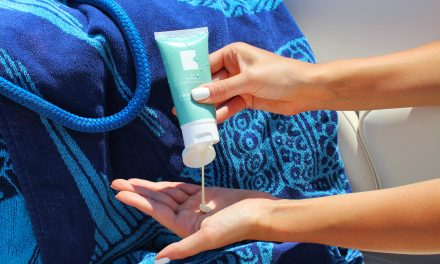
Understanding your skin type is a fundamental step in establishing an effective skincare regimen. Skin types can generally be categorized into five primary classifications: normal, oily, dry, combination, and sensitive. Each type exhibits distinct characteristics that influence how it reacts to various products. For instance, oily skin tends to produce excess sebum, leading to a shiny appearance and a propensity for acne. Conversely, dry skin may feel tight and exhibit flakiness due to insufficient moisture levels. Combination skin presents a unique challenge, displaying characteristics of both oily and dry skin in different areas of the face.
Identifying your skin type involves assessing its behavior under various conditions. Factors such as climate, hormonal fluctuations, and diet can significantly impact skin characteristics. A thorough examination can be conducted by observing how your skin feels after cleansing. If it feels tight or rough, you may have dry skin; if it appears shiny shortly after washing, you likely have oily skin. Understanding these nuances is crucial before introducing new products, as using the wrong formulation can exacerbate existing issues or create new ones.
When considering how to introduce new skincare products safely, it’s essential to approach the process with care to avoid potential reactions. A helpful resource that outlines a step-by-step method for gradually incorporating new items into your routine can be found in this article. For additional insights on starting new projects, you might also find inspiration in this article about gardening: 10 Easy Steps to Start a Beautiful Native Plant Garden Today.
Conducting Patch Tests to Prevent Allergic Reactions
Before incorporating any new skincare product into your routine, conducting a patch test is essential to prevent potential allergic reactions. A patch test involves applying a small amount of the product to a discreet area of skin, typically on the inner forearm or behind the ear, and observing for any adverse reactions over 24 to 48 hours. This method allows you to gauge your skin’s tolerance to the ingredients without subjecting your entire face to potential irritation.
During the patch test, it is crucial to monitor for signs of redness, swelling, itching, or burning sensations. If any of these symptoms occur, it is advisable to discontinue use immediately and consult with a dermatologist if necessary. This precautionary measure can save you from experiencing severe allergic reactions that may require medical intervention. Additionally, understanding the ingredients in your products can help you avoid known allergens and irritants specific to your skin type.
Introducing One Product at a Time for Accurate Assessment

When expanding your skincare routine, introducing one product at a time is vital for accurate assessment of its effects on your skin. This approach allows you to isolate the impact of each product and determine whether it benefits or aggravates your skin condition. By limiting the number of new products introduced simultaneously, you can more easily identify which formulation may be causing any adverse reactions.
For optimal results, it is recommended to wait at least one week before introducing another product after the initial application. This waiting period provides ample time for your skin to adjust and respond to the new formulation. If any negative reactions occur during this time, you will have a clearer understanding of which product is responsible. This methodical approach not only enhances the effectiveness of your skincare routine but also minimizes the risk of overwhelming your skin with multiple active ingredients.
Starting with a Small Amount to Minimize Irritation

When incorporating new products into your skincare regimen, starting with a small amount is an effective strategy to minimize irritation. Applying a pea-sized amount or even less allows your skin to acclimate gradually to the active ingredients without overwhelming it. This technique is particularly beneficial for potent formulations containing acids or retinoids, which can cause redness or peeling if introduced too aggressively.
In addition to reducing the risk of irritation, using a smaller quantity enables you to assess how your skin reacts without wasting product. If no adverse effects are observed after several applications, you can gradually increase the amount used until you reach the recommended dosage. This incremental approach fosters a more harmonious relationship between your skin and the new product while ensuring that you achieve optimal results without compromising skin health.
When considering the introduction of new skincare products into your routine, it’s essential to do so safely to avoid adverse reactions. A gradual approach can help you monitor how your skin responds to each product. For more tips on managing changes in your routine, you might find this article on removing set-in stains useful, as it emphasizes the importance of careful testing and gradual adjustments, which can be applied to skincare as well. Always patch test new products and pay attention to your skin’s reactions to ensure a smooth transition.
Monitoring Your Skin’s Reaction Over Several Days
Monitoring your skin’s reaction over several days is crucial when introducing new skincare products. Observing changes in texture, tone, and overall appearance allows you to gauge whether the product is beneficial or detrimental to your skin health. Keeping track of any fluctuations in oiliness, dryness, or breakouts can provide valuable insights into how well your skin tolerates the new formulation.
During this observation period, it is essential to maintain consistency in your skincare routine by avoiding other new products that could confound results. Documenting daily observations in a skincare journal can help you identify patterns and correlations between product use and skin behavior. If any adverse reactions occur, such as increased redness or irritation, it may be necessary to discontinue use and consult with a dermatologist for further evaluation.
When considering the introduction of new skincare products into your routine, it’s essential to do so safely to avoid irritation or adverse reactions. A helpful resource on this topic can be found in an article that discusses the gradual approach to incorporating new items into your regimen. For more insights, you can read about effective strategies in this related article that emphasizes the importance of patch testing and monitoring your skin’s response. By following these guidelines, you can ensure a smoother transition to healthier skin.
Avoiding Mixing Too Many New Products Simultaneously
Mixing too many new products simultaneously can lead to overwhelming your skin and complicating the assessment of each formulation’s effectiveness. When multiple active ingredients are introduced at once, it becomes challenging to determine which product is responsible for any positive or negative reactions. This practice can also increase the likelihood of irritation or allergic responses due to ingredient interactions.
To avoid this pitfall, it is advisable to limit the introduction of new products to one at a time. This strategy not only simplifies the evaluation process but also allows for a more tailored approach to skincare based on individual needs and concerns. By focusing on one product at a time, you can better understand how each formulation interacts with your unique skin type and make informed decisions about future additions to your routine.
Incorporating New Products into Your Routine Gradually
Incorporating new products into your skincare routine gradually is essential for achieving optimal results while minimizing potential irritation. A gradual approach allows your skin to adapt to new formulations without overwhelming its natural barrier function. This method is particularly important when introducing potent ingredients such as retinoids or exfoliating acids that may cause sensitivity if applied too frequently.
To implement this gradual incorporation effectively, consider starting with applications every other day or even once a week before increasing frequency as tolerated. This strategy not only helps prevent irritation but also allows you to assess how well your skin responds over time. By taking this measured approach, you can build a comprehensive skincare routine that addresses specific concerns while maintaining overall skin health.
Being Patient and Allowing Time for Results to Show
Patience is a critical component of any successful skincare regimen. Many products require consistent use over several weeks or even months before visible results become apparent. Understanding that immediate changes are unlikely can help manage expectations and prevent premature discontinuation of potentially beneficial formulations.
During this waiting period, it is essential to remain committed to your routine while continuing to monitor your skin’s response. Documenting progress in a skincare journal can provide motivation and clarity regarding what works best for your unique needs. Remember that achieving healthy, radiant skin is often a gradual process that requires dedication and perseverance.
Consulting a Dermatologist for Personalized Advice
Consulting a dermatologist is an invaluable step in developing an effective skincare regimen tailored specifically to your needs. Dermatologists possess extensive knowledge of various skin types and conditions, enabling them to provide personalized recommendations based on individual concerns and goals. Whether dealing with acne, rosacea, hyperpigmentation, or signs of aging, professional guidance can help navigate the myriad of available products and treatments.
A dermatologist can also conduct thorough assessments of your skin’s health and recommend appropriate treatments or procedures that may enhance results beyond topical applications alone. Additionally, they can help identify any underlying conditions that may require specialized care or intervention. Seeking professional advice ensures that you are making informed decisions about your skincare routine while prioritizing overall skin health.
Keeping a Skincare Journal to Track Changes and Reactions
Keeping a skincare journal is an effective way to track changes and reactions as you introduce new products into your routine. Documenting daily observations regarding product use, application techniques, and any noticeable effects allows for greater insight into what works best for your unique skin type. This practice fosters accountability and encourages consistency in maintaining an effective regimen.
In addition to recording observations about individual products, consider noting external factors such as diet, stress levels, and environmental changes that may influence your skin’s behavior. Over time, this comprehensive record can reveal patterns that inform future decisions regarding product selection and application techniques. A skincare journal serves as both a valuable resource for personal reflection and an educational tool for optimizing your skincare routine.
Knowing When to Discontinue Use if Adverse Effects Occur
Recognizing when to discontinue use of a product is crucial for maintaining healthy skin and preventing further irritation or damage. If you experience persistent redness, swelling, itching, or other adverse reactions after introducing a new formulation, it is essential to stop using the product immediately. Continuing use despite negative effects can exacerbate existing issues and lead to long-term damage.
In cases where adverse reactions occur, consulting with a dermatologist may be necessary for further evaluation and guidance on alternative options that align with your skincare goals. Understanding that not every product will work for every individual is key; finding formulations that complement your unique skin type may require some trial and error but ultimately leads to healthier outcomes.
In summary, understanding your skin type is paramount before introducing new products into your regimen. Conducting patch tests helps prevent allergic reactions while introducing one product at a time allows for accurate assessment of its effects on your skin. Starting with small amounts minimizes irritation, while monitoring reactions over several days provides valuable insights into product efficacy. Avoiding simultaneous introduction of multiple products simplifies evaluation processes and incorporating new formulations gradually fosters better adaptation by the skin.
Being patient is essential as results take time; consulting with dermatologists ensures personalized advice tailored specifically for individual needs while keeping a skincare journal aids in tracking changes effectively over time. Finally, knowing when to discontinue use if adverse effects occur protects overall skin health while promoting informed decision-making regarding future product selections.
By following these guidelines diligently, individuals can cultivate an effective skincare routine that enhances their natural beauty while prioritizing long-term health and wellness.
FAQs
What is the patch test method for introducing new skincare products?
The patch test method involves applying a small amount of the new skincare product to a discreet area of skin, such as the inside of your wrist or behind your ear. You should leave it on for 24 to 48 hours to monitor for any adverse reactions, such as redness, itching, or swelling. If no reaction occurs, it is generally safe to use the product on your face or other areas.
How should I introduce multiple new skincare products at once?
It is advisable to introduce one new skincare product at a time, allowing a gap of at least a week between each introduction. This approach helps you identify which product may be causing any irritation or adverse reactions. If you introduce multiple products simultaneously, it can be challenging to determine which one is responsible for any negative effects.
What should I do if I experience irritation after using a new skincare product?
If you experience irritation, such as redness, burning, or itching, you should immediately stop using the product. Rinse the affected area with lukewarm water and apply a gentle moisturizer to soothe the skin. If the irritation persists or worsens, consult a dermatologist for further advice.
How can I determine if a skincare product is suitable for my skin type?
To determine if a skincare product is suitable for your skin type, check the product’s ingredients and claims. For example, if you have oily skin, look for non-comedogenic products that are oil-free. If you have dry or sensitive skin, opt for products with hydrating and soothing ingredients. Additionally, reading reviews and seeking recommendations can help you find products that work well for your specific skin concerns.
Is it necessary to consult a dermatologist before trying new skincare products?
While it is not always necessary to consult a dermatologist before trying new skincare products, it is highly recommended if you have specific skin concerns, conditions, or sensitivities. A dermatologist can provide personalized advice and recommend products that are safe and effective for your skin type, helping you avoid potential adverse reactions.