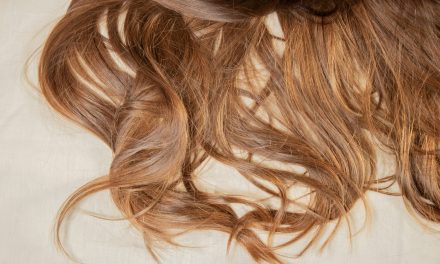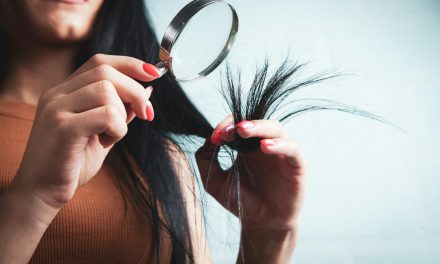
Frizz is a common hair concern that many individuals face, particularly after washing their hair. This phenomenon occurs when the hair cuticle, the outermost layer of the hair shaft, becomes raised or damaged, allowing moisture from the environment to penetrate the hair. When this happens, the hair swells and appears unruly, leading to a frizzy texture. The underlying causes of frizz can be multifaceted, ranging from environmental factors to hair care practices. Understanding these causes is essential for developing effective strategies to combat frizz and maintain smooth, healthy hair.
The structure of hair is composed of keratin, a fibrous protein that provides strength and resilience. When hair is washed, especially with harsh shampoos or in hard water, the cuticle can become compromised. This damage can lead to increased porosity, making it difficult for the hair to retain moisture. Consequently, frizz becomes more pronounced as the hair struggles to maintain its natural hydration levels. Additionally, factors such as humidity and temperature fluctuations can exacerbate this issue, leading to a cycle of frizz that can be challenging to manage.
If you’ve ever wondered why your hair becomes frizzy after washing, you might find it helpful to explore related topics that discuss hair care and maintenance. For instance, understanding the importance of proper storage for hair products can significantly impact their effectiveness. You can read more about this in the article on the best containers for food storage, which emphasizes the significance of freshness and durability in maintaining product quality. Check it out here: Best Containers for Food Storage.
The Role of Hard Water in Hair Frizz
Hard water is characterized by high mineral content, particularly calcium and magnesium ions. When hair is washed with hard water, these minerals can accumulate on the hair shaft, leading to a buildup that weighs down the hair and disrupts its natural moisture balance. This buildup can create a barrier that prevents moisture from penetrating the hair, resulting in dryness and increased frizz. Furthermore, hard water can interact with shampoos and conditioners, rendering them less effective and contributing to an overall lack of hydration.
To mitigate the effects of hard water on hair health, individuals can consider using a water softener or installing a shower filter designed to reduce mineral content. Additionally, chelating shampoos can help remove mineral buildup from the hair shaft, restoring its natural shine and smoothness. Regular use of these products can significantly improve hair texture and reduce frizz over time.
How Overwashing Strips Natural Oils and Causes Frizz

Overwashing is a common practice among individuals seeking to maintain cleanliness and freshness in their hair. However, frequent washing can strip the scalp and hair of essential natural oils produced by sebaceous glands. These oils play a crucial role in maintaining moisture levels and protecting the hair from environmental stressors. When these oils are depleted due to excessive washing, the hair becomes dry and brittle, leading to increased frizz.
To combat this issue, it is advisable to limit washing frequency based on individual hair type and lifestyle. For instance, individuals with oily hair may require more frequent washing than those with dry or curly hair. Incorporating dry shampoos between washes can help absorb excess oil without stripping the hair of its natural moisture. Additionally, using sulfate-free shampoos can minimize damage and preserve essential oils, promoting healthier hair overall.
The Impact of Using the Wrong Shampoo and Conditioner

Selecting appropriate hair care products is vital for maintaining healthy hair and preventing frizz. Using shampoos and conditioners that contain harsh sulfates or alcohol can lead to dryness and damage. These ingredients strip away natural oils and moisture, exacerbating frizz and leaving the hair looking dull and lifeless. Conversely, products formulated with nourishing ingredients such as oils, proteins, and humectants can help hydrate and smooth the hair.
When choosing shampoo and conditioner, it is essential to consider individual hair type and specific needs. For example, individuals with curly or textured hair may benefit from products designed for moisture retention and curl definition. On the other hand, those with fine or straight hair may prefer lightweight formulations that provide hydration without weighing the hair down. Reading product labels and seeking recommendations from professionals can help individuals make informed choices that promote healthy, frizz-free hair.
If you’ve ever wondered why your hair becomes frizzy after washing, you might find it helpful to explore some related topics on hair care. For instance, understanding the impact of humidity and hair texture can provide insights into managing frizz effectively. Additionally, you can learn about the importance of using the right products and techniques to keep your hair smooth and manageable. To delve deeper into caring for your furry friends, you can check out this article on how to calm a stressed cat at home by following this link.
Why Towel-Drying Can Lead to Frizzy Hair
Towel-drying is a common practice after washing hair; however, it can inadvertently contribute to frizz if not done correctly. The friction created by rubbing wet hair with a towel can cause the cuticle to lift, leading to increased porosity and frizz. Additionally, traditional cotton towels may absorb too much moisture too quickly, leaving the hair dry and prone to damage.
To minimize frizz caused by towel-drying, individuals should consider using a microfiber towel or an old cotton t-shirt instead of a standard bath towel. These materials are gentler on the hair and help absorb excess moisture without causing friction. Furthermore, gently squeezing or patting the hair rather than rubbing it can help maintain smoothness while reducing the risk of damage.
The Effect of Heat Styling on Hair Texture
Heat styling tools such as flat irons, curling wands, and blow dryers are popular for achieving various hairstyles; however, excessive heat exposure can lead to significant damage over time. High temperatures can weaken the protein structure of the hair, resulting in dryness, brittleness, and increased frizz. Moreover, heat styling can exacerbate existing damage caused by environmental factors or improper hair care practices.
To protect against heat-related damage, it is crucial to use heat protectant sprays or serums before styling. These products create a barrier between the hair and heat sources, minimizing damage while allowing for desired styling results. Additionally, opting for lower heat settings and limiting the frequency of heat styling can help preserve hair health and reduce frizz.
Environmental Factors That Contribute to Post-Wash Frizz
Environmental factors play a significant role in determining how hair behaves after washing. Humidity is one of the primary culprits behind post-wash frizz; when humidity levels rise, moisture in the air can penetrate the cuticle of the hair shaft, causing it to swell and become frizzy. Similarly, exposure to harsh weather conditions such as wind or extreme temperatures can lead to dryness and damage.
To combat environmental factors contributing to frizz, individuals should consider using protective hairstyles or products designed to shield against humidity. Anti-frizz sprays or serums containing silicones or oils can create a barrier that helps lock in moisture while repelling humidity. Additionally, wearing hats or scarves during adverse weather conditions can provide an extra layer of protection for vulnerable strands.
The Importance of Proper Hair Moisturization
Moisturization is essential for maintaining healthy hair and preventing frizz. Well-hydrated hair is less prone to damage and breakage, resulting in a smoother texture overall. Incorporating deep conditioning treatments into a regular hair care routine can significantly improve moisture levels and enhance overall health.
Individuals should seek out moisturizing products containing ingredients such as shea butter, argan oil, or glycerin that provide hydration without weighing down the hair. Additionally, leave-in conditioners or hydrating sprays can offer ongoing moisture throughout the day while helping to tame frizz. Regularly assessing individual moisture needs based on seasonal changes or lifestyle factors will ensure optimal hydration levels are maintained.
How Lack of Regular Hair Trims Causes Split Ends and Frizz
Regular trims are crucial for maintaining healthy hair by removing split ends that can lead to further damage if left untreated. Split ends occur when the protective cuticle wears away due to various factors such as heat styling or environmental stressors. Once split ends form, they can travel up the hair shaft, causing additional frizz and breakage.
To prevent split ends from becoming a significant issue, individuals should aim for trims every six to eight weeks based on their specific hair type and growth rate. Regular maintenance not only promotes healthier-looking hair but also helps maintain an overall polished appearance by reducing frizz caused by damaged ends.
Benefits of Using Anti-Frizz Products and Serums
Anti-frizz products have gained popularity for their ability to combat unruly strands effectively. These formulations often contain silicones or oils that coat the hair shaft, providing a protective barrier against humidity while smoothing down raised cuticles. As a result, they help reduce frizz while enhancing shine and manageability.
When selecting anti-frizz products or serums, individuals should consider their specific needs based on their hair type and texture. Lightweight serums may be ideal for fine or straight hair types seeking smoothness without added weight; conversely, thicker creams may be more suitable for coarse or curly textures requiring extra hydration and control.
Practical Tips and Techniques to Keep Hair Smooth After Washing
Maintaining smoothness after washing requires a combination of effective techniques and product choices tailored to individual needs. Here are several practical tips:
1. **Limit Washing Frequency**: Adjust washing frequency based on individual scalp oiliness; consider using dry shampoo between washes.
2. **Choose Sulfate-Free Products**: Opt for gentle shampoos that preserve natural oils while effectively cleansing.
3. **Use Cold Water Rinse**: Finish washing with a cold water rinse to help seal the cuticle and enhance shine.
4. **Gentle Drying Techniques**: Use microfiber towels or t-shirts for drying; avoid vigorous rubbing.
5. **Incorporate Leave-In Treatments**: Apply leave-in conditioners or anti-frizz serums post-wash for added hydration.
6. **Protect Against Heat**: Always use heat protectants before styling; limit heat exposure when possible.
7. **Regular Trims**: Schedule trims every six to eight weeks to prevent split ends from worsening.
8. **Environmental Protection**: Use protective hairstyles or products during humid weather; wear hats in harsh conditions.
In summary, understanding why hair becomes frizzy after washing involves recognizing various contributing factors such as hard water quality, overwashing habits, product choices, drying techniques, heat styling practices, environmental influences, moisturization needs, trimming schedules, and effective use of anti-frizz products. By implementing targeted strategies tailored to individual needs while prioritizing proper care routines—individuals can achieve smoother strands post-wash while promoting overall health within their locks.
### FAQ Section
1. **What causes frizzy hair after washing?**
– Frizzy hair after washing is primarily caused by raised cuticles allowing moisture penetration from humidity or environmental factors.
2. **How does hard water affect my hair?**
– Hard water contains high mineral content that builds up on your strands leading to dryness and increased frizz.
3. **Is it bad to wash my hair every day?**
– Daily washing may strip natural oils from your scalp leading to dryness; adjust frequency based on your specific scalp type.
4. **What ingredients should I avoid in shampoos?**
– Avoid sulfates (like sodium lauryl sulfate) and alcohols which can dry out your strands.
5. **How often should I get my haircut?**
– Regular trims every six to eight weeks are recommended to prevent split ends which contribute to frizz.
6. **Can I use anti-frizz products on all hair types?**
– Yes! However, choose formulations suited for your specific texture—lightweight serums for fine hair; thicker creams for coarse textures.
7. **What’s the best way to dry my hair without causing frizz?**
– Use a microfiber towel or t-shirt; gently squeeze excess water instead of rubbing vigorously.
8. **Are there any home remedies for frizzy hair?**
– Yes! Natural oils like coconut oil or argan oil applied as leave-in treatments can help hydrate strands effectively.
9. **Does humidity really affect my frizz levels?**
– Absolutely! High humidity levels cause moisture absorption leading to swelling of strands resulting in increased frizziness.
10. **What role does diet play in maintaining healthy hair?**
– A balanced diet rich in vitamins (like biotin), minerals (like zinc), proteins (like keratin), omega-3 fatty acids supports overall scalp health promoting smoother locks.
In conclusion, addressing post-wash frizz requires an understanding of various contributing factors along with implementing effective strategies tailored specifically towards individual needs—ultimately leading towards healthier-looking smoother strands over time!
FAQs
What causes frizz after washing hair?
Frizz after washing hair is primarily caused by a lack of moisture in the hair. When hair is dry, the cuticles lift, allowing moisture from the air to enter and swell the hair strands, resulting in frizz. Other factors include humidity, the use of harsh shampoos, and damage from heat styling or chemical treatments.
How can I prevent frizz after washing my hair?
To prevent frizz, use a moisturizing shampoo and conditioner, and consider incorporating a leave-in conditioner or anti-frizz serum. Additionally, avoid washing your hair with hot water, as it can strip natural oils. Instead, use lukewarm or cool water to help seal the cuticles.
Does the type of towel I use affect frizz?
Yes, the type of towel can significantly affect frizz. Traditional bath towels can create friction and roughen the hair cuticles, leading to frizz. Instead, opt for a microfiber towel or a cotton t-shirt to gently blot excess water without causing damage.
Can hair products contribute to frizz after washing?
Absolutely. Products that contain alcohol or sulfates can dry out the hair, leading to frizz. It’s important to choose hair products that are sulfate-free and designed for your hair type, as they can help maintain moisture and reduce frizz.
Is humidity a factor in hair frizz?
Yes, humidity is a significant factor in hair frizz. When the air is humid, it contains more moisture, which can cause the hair to absorb this moisture and swell, leading to frizz. Using anti-humidity products can help combat this effect and keep hair smooth.