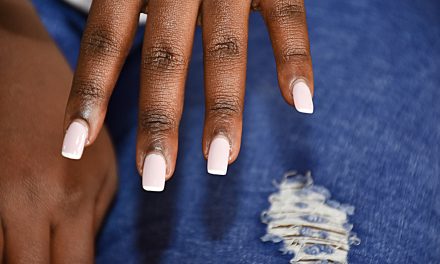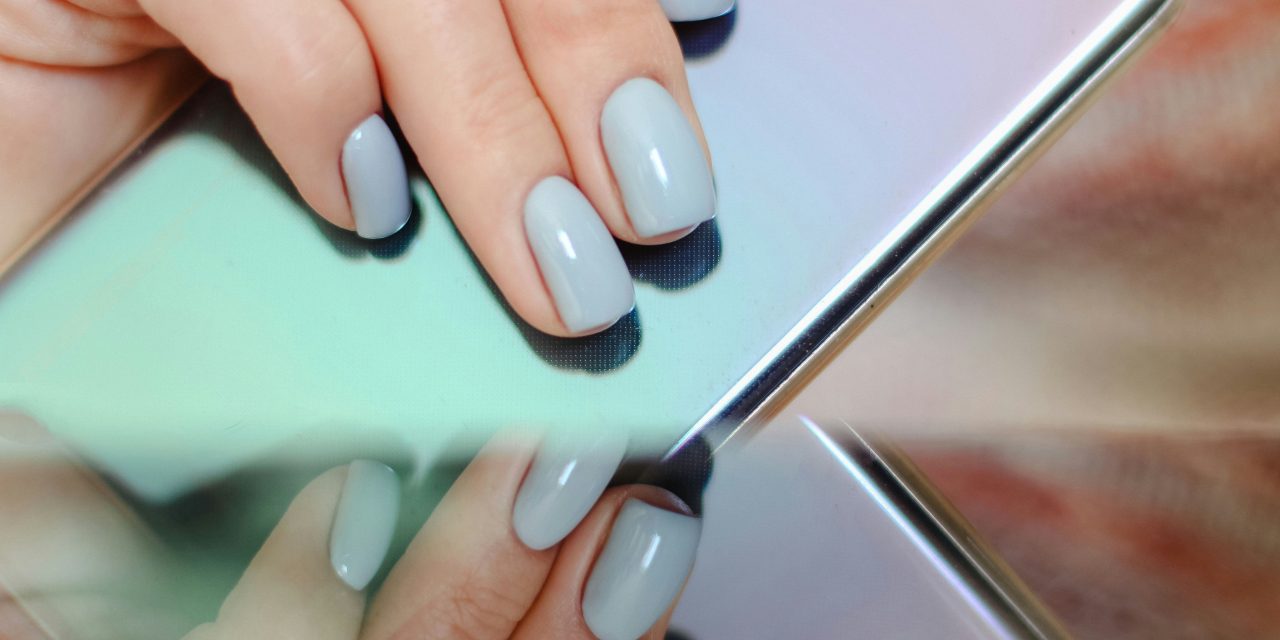
Press-on nails have surged in popularity as a convenient and stylish alternative to traditional nail enhancements. These artificial nails, typically made from acrylic or plastic, are designed to be easily applied and removed without the need for professional assistance. They come in various shapes, sizes, and designs, catering to diverse aesthetic preferences. The appeal of press-on nails lies not only in their versatility but also in their ability to provide an instant manicure without the commitment of gel or acrylic applications.
The history of press-on nails dates back to the 1970s, but recent advancements in materials and adhesive technology have significantly improved their quality and durability. Modern press-on nails are often pre-decorated with intricate designs, glitter, or even nail art, allowing users to achieve salon-quality results at home. With the right application techniques and maintenance, press-on nails can last for several days to weeks, making them an attractive option for those seeking temporary nail enhancements.
If you’re curious about how long press-on nails typically last, you might find it helpful to explore related topics such as nail care and maintenance. For instance, understanding the importance of proper cleaning and care for your nails can significantly impact their longevity. You can read more about this in the article on choosing a safe dog ear cleaning solution, which emphasizes the importance of selecting the right products for maintaining health and hygiene. Check it out here: dog ear cleaning solution.
Factors Influencing the Longevity of Press-On Nails
Several factors play a crucial role in determining how long press-on nails will last once applied. One of the primary influences is the quality of the product itself. High-quality press-on nails are typically made from durable materials that can withstand daily wear and tear. Additionally, the type of adhesive used during application significantly impacts longevity; stronger adhesives tend to provide better adhesion and resistance to lifting.
Environmental factors also contribute to the lifespan of press-on nails. Exposure to water, humidity, and extreme temperatures can weaken the bond between the nail and the adhesive, leading to premature lifting or detachment. Furthermore, individual lifestyle choices, such as frequent handwashing or engaging in activities that put stress on the nails, can affect how long press-ons remain intact. Understanding these factors can help users make informed decisions about their nail care routine.
Choosing the Right Size for a Perfect Fit

Selecting the appropriate size of press-on nails is essential for achieving a natural appearance and ensuring longevity. Most brands offer a variety of sizes to accommodate different nail beds. To find the perfect fit, users should measure their natural nails using a ruler or a sizing chart provided by the manufacturer. It is crucial to choose a size that closely matches the width of each natural nail to prevent gaps that can lead to lifting.
In addition to width, users should also consider the shape of their natural nails when selecting press-ons. Some brands offer various shapes, including almond, square, and stiletto. Choosing a shape that complements one’s natural nail shape can enhance the overall look and feel of the manicure. A well-fitted press-on nail not only looks more aesthetically pleasing but also provides better adhesion, ultimately extending its lifespan.
Preparing Your Natural Nails Before Application

Proper preparation of natural nails is a critical step that can significantly influence the adhesion and longevity of press-on nails. Before application, it is essential to clean the natural nails thoroughly to remove any oils, dirt, or residue that may interfere with adhesion. Users can achieve this by washing their hands with soap and water or using an alcohol wipe to ensure a clean surface.
Additionally, it is advisable to gently buff the surface of each natural nail using a fine-grit nail file. This process creates a slightly rough texture that enhances adhesion by providing more surface area for the adhesive to bond with. After buffing, it is important to remove any dust created during this process by wiping the nails with a lint-free cloth or cotton pad soaked in alcohol. This meticulous preparation sets the foundation for a successful application.
If you’re curious about how long press on nails usually last, you might find it interesting to explore related beauty tips that enhance your overall look. For instance, maintaining your nails can be as crucial as knowing how to brine chicken for juicier, more flavorful results. You can read more about this in the article here. By taking care of your nails and understanding the best practices, you can ensure they look fabulous for as long as possible.
Proper Application Techniques for Maximum Adhesion
To achieve maximum adhesion and longevity with press-on nails, users must employ proper application techniques. First, it is crucial to apply the adhesive evenly across the entire surface of the press-on nail. Many brands provide pre-glued options that simplify this process; however, if using separate adhesive, ensure that it is applied generously but not excessively.
Once the adhesive is applied, position the press-on nail carefully over the natural nail, aligning it at the cuticle area before pressing down firmly. It is essential to hold the nail in place for at least 10-15 seconds to allow the adhesive to bond effectively. For added security, users can consider using a UV lamp if using gel adhesives, as this can further enhance curing time and adhesion strength.
If you’re curious about how long press-on nails usually last, you might find it interesting to explore related topics that enhance your beauty routine. For instance, maintaining healthy nails can significantly impact the longevity of your press-ons. You can read more about nurturing your garden and growing healthy cucumbers, which can be a fun way to unwind and take care of yourself, in this article on growing cucumbers. This connection between gardening and self-care highlights the importance of a holistic approach to beauty.
Tips for Maintaining Press-On Nails Daily
Maintaining press-on nails requires consistent care to ensure they remain intact and visually appealing throughout their wear time. One of the most effective tips is to avoid exposing them to excessive moisture or harsh chemicals found in cleaning products or detergents. Wearing gloves during household chores can protect both the nails and adhesive from damage.
Additionally, users should avoid using their nails as tools for opening packages or performing tasks that could cause stress on the nails. Instead, opt for proper tools designed for such purposes. Regularly moisturizing cuticles with cuticle oil can also help maintain nail health and prevent dryness around the edges of press-ons, which can lead to lifting.
Common Mistakes That Shorten Press-On Nail Lifespan
Several common mistakes can inadvertently shorten the lifespan of press-on nails. One prevalent error is neglecting proper nail preparation before application. Failing to clean and buff natural nails can lead to poor adhesion and premature lifting. Additionally, applying press-ons over damaged or unhealthy natural nails can exacerbate issues and lead to further complications.
Another mistake is applying excessive pressure during daily activities or exposing press-ons to extreme temperatures. Users should be mindful of their activities and avoid situations that could compromise their nails’ integrity. Lastly, ignoring signs of wear or damage can lead to further issues; timely removal or replacement is crucial for maintaining healthy natural nails.
How to Handle Press-On Nails During Water Exposure
Water exposure is one of the most significant challenges faced by individuals wearing press-on nails. While modern adhesives are designed to withstand some moisture, prolonged exposure can weaken their bond over time. To mitigate this risk, users should limit direct contact with water whenever possible.
When washing hands or engaging in activities involving water, it is advisable to wear gloves as an added precaution. If water exposure occurs, gently pat dry rather than rubbing vigorously, which could dislodge the press-ons. Additionally, applying a top coat specifically designed for press-ons can create a protective barrier against moisture while enhancing shine.
When and How to Reapply Press-On Nails
Reapplication of press-on nails may be necessary if they become loose or damaged during wear. Users should monitor their nails regularly for signs of lifting or detachment. If any issues arise, it is best to remove the affected nail promptly to prevent further damage to natural nails.
To reapply press-ons, follow similar preparation steps as before: clean and buff natural nails thoroughly before applying fresh adhesive. If using reusable press-ons, ensure they are cleaned properly before reapplication to remove any residual adhesive or oils that may hinder bonding.
Signs It’s Time to Remove or Replace Press-On Nails
Recognizing when it’s time to remove or replace press-on nails is essential for maintaining healthy natural nails. Signs that indicate removal may be necessary include visible lifting at the edges, discomfort or pain around the cuticle area, or noticeable wear on the surface of the press-ons.
If any signs of infection occur—such as redness, swelling, or discharge—it is crucial to seek medical attention immediately and remove any artificial enhancements promptly. Regularly assessing the condition of press-ons ensures that users prioritize their nail health while enjoying beautiful manicures.
Comparing Press-On Nails Longevity to Other Nail Enhancements
When comparing press-on nails’ longevity with other nail enhancements such as gel manicures or acrylics, several factors come into play. Typically, high-quality press-on nails can last anywhere from 5-14 days with proper care and maintenance—significantly shorter than gel manicures which can last up to three weeks or acrylics which may last several weeks with regular fills.
However, press-ons offer unique advantages such as ease of application and removal without damaging natural nails when done correctly. They also provide flexibility for those who prefer changing their nail designs frequently without committing long-term like traditional enhancements require.
In summary, understanding how to effectively use press-on nails involves recognizing their benefits while being aware of factors influencing their longevity and maintenance requirements. By following proper preparation techniques and daily care tips while avoiding common mistakes, users can enjoy beautiful manicures without compromising their natural nail health.
FAQs
How long do press on nails typically last?
Press on nails usually last anywhere from 5 to 14 days, depending on the quality of the nails, the adhesive used, and how well they are applied and maintained.
What factors can affect the longevity of press on nails?
Several factors can influence how long press on nails last, including the type of adhesive used, the condition of your natural nails, daily activities, and exposure to water or harsh chemicals.
Can I extend the wear time of my press on nails?
Yes, you can extend the wear time by avoiding excessive exposure to water, using gloves while cleaning, and applying a top coat to seal the edges of the nails.
Are there specific brands of press on nails known for their durability?
Some popular brands known for their durable press on nails include Kiss, Impress, and Dashing Diva, which often receive positive reviews for their longevity and quality.
What should I do if my press on nails start to lift?
If your press on nails start to lift, you can carefully reapply adhesive to the lifted area or use nail glue to secure them back in place. If they continue to lift, it may be best to remove them to prevent damage to your natural nails.