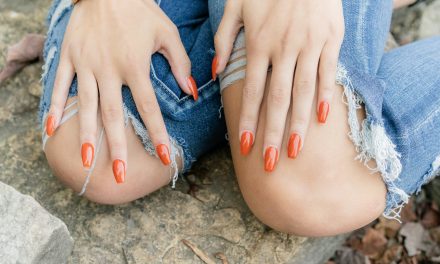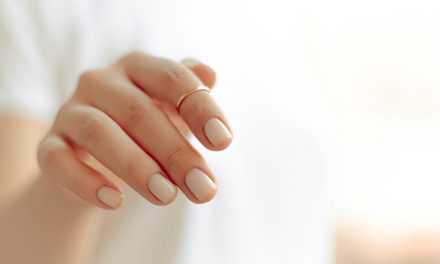
Acrylic nails have gained immense popularity in the beauty industry, offering a durable and aesthetically pleasing alternative to natural nails. However, the application and maintenance of acrylics can significantly impact the health of natural nails. Acrylics are created by combining a liquid monomer with a powdered polymer, forming a hard protective layer over the natural nail. While this enhancement can provide a beautiful finish, it can also lead to various complications if not applied or maintained correctly.
The primary concern with acrylic nails is the potential for damage to the underlying natural nail. Prolonged use can lead to thinning, brittleness, and even fungal infections if moisture becomes trapped beneath the acrylic layer. Additionally, improper application techniques can result in lifting, which exposes the natural nail to environmental factors that may cause further harm. Understanding these risks is crucial for anyone considering acrylic enhancements, as it allows for informed decisions regarding their nail care regimen.
To ensure the health and longevity of your natural nails while wearing acrylics, it’s essential to follow proper care techniques. For more tips on enhancing your outdoor space, you might find inspiration in this article about stunning garden design ideas. Check it out here: 10 Stunning Garden Design Ideas to Transform Your Outdoor Space.
Choosing a Reputable Nail Technician
Selecting a qualified and experienced nail technician is paramount in ensuring the health of your natural nails during acrylic application. A reputable technician should possess proper certifications and training in nail care and acrylic application techniques. It is advisable to seek recommendations from friends or family members who have had positive experiences with specific technicians.
When evaluating potential nail technicians, consider visiting their salon to observe cleanliness and hygiene practices. A professional environment should adhere to strict sanitation protocols, including the use of sterilized tools and disposable items where applicable. Furthermore, a skilled technician will conduct a thorough consultation to assess your nail health and discuss your desired outcome, ensuring that your needs are prioritized throughout the process.
Preparing Your Natural Nails Properly Before Application
Proper preparation of natural nails is essential for achieving optimal results with acrylics. This process begins with a thorough cleaning of the nails and surrounding skin to remove any oils or debris that could interfere with adhesion. A reputable technician will typically use an antiseptic solution to cleanse the area before proceeding.
Next, the technician should gently push back cuticles and trim any excess skin without causing trauma to the nail bed. This step is crucial as it creates a clean canvas for acrylic application. Additionally, buffing the surface of the natural nail lightly can enhance adhesion; however, this must be done with caution to avoid excessive thinning. Proper preparation not only ensures a smooth application but also minimizes the risk of lifting and other complications.
Opting for High-Quality Acrylic Products
The quality of acrylic products used during application plays a significant role in determining the longevity and safety of your enhancements. High-quality acrylics are formulated with superior ingredients that promote better adhesion and flexibility while minimizing the risk of allergic reactions or adverse effects on natural nails. It is advisable to inquire about the brands used by your technician and opt for those that are well-regarded in the industry.
In addition to selecting high-quality products, it is essential to ensure that the technician follows proper mixing ratios and application techniques. Using subpar materials or incorrect ratios can lead to issues such as lifting, chipping, or premature wear. Investing in quality products not only enhances the aesthetic appeal of your nails but also contributes to their overall health and resilience.
If you’re looking to maintain the health of your natural nails while wearing acrylics, it’s essential to follow some protective measures. One helpful resource is an article that provides tips on how to care for your nails effectively. You can find it here: how to protect natural nails under acrylics. By incorporating these strategies into your nail care routine, you can enjoy beautiful acrylics without compromising the integrity of your natural nails.
Avoiding Over-Filing and Excessive Buffing
One of the most common mistakes made during acrylic application is over-filing and excessive buffing of natural nails. While some filing is necessary to create a rough surface for better adhesion, excessive filing can lead to significant damage. Over-filing thins the natural nail plate, making it more susceptible to breakage and infection.
To prevent this issue, technicians should use appropriate tools and techniques that minimize trauma to the natural nail. A fine-grit file should be employed sparingly, focusing only on areas that require smoothing or shaping. Educating yourself about proper filing techniques can empower you to communicate effectively with your technician and ensure that your nails remain healthy throughout the acrylic application process.
If you’re looking to maintain the health of your natural nails while enjoying the beauty of acrylics, it’s essential to follow some protective measures. One helpful resource is an article that offers tips on how to protect natural nails under acrylics, ensuring they remain strong and healthy. You can find valuable insights and advice in this informative piece, which can guide you through the process of caring for your nails. For more related information, check out this article that discusses various aspects of nail care and maintenance.
Maintaining Proper Acrylic Nail Thickness
The thickness of acrylic nails is another critical factor in their longevity and overall appearance. While thicker acrylics may seem more durable, they can also lead to increased stress on the natural nail, resulting in potential damage over time. Conversely, overly thin acrylics may not provide adequate protection or support.
A skilled technician will assess your natural nail strength and recommend an appropriate thickness for your acrylic enhancements. It is essential to strike a balance between durability and flexibility, allowing for natural movement without compromising nail integrity. Regular maintenance appointments should also be scheduled to address any lifting or wear that may occur over time, ensuring that your acrylics remain in optimal condition.
Keeping Nails and Cuticles Hydrated
Hydration is vital for maintaining healthy nails and cuticles, especially when wearing acrylics. Acrylic enhancements can lead to dryness due to their occlusive nature, which may inhibit moisture retention in the natural nail bed. To combat this issue, it is essential to incorporate a regular moisturizing routine into your nail care regimen.
Using cuticle oils or creams enriched with nourishing ingredients such as jojoba oil or vitamin E can help restore moisture levels and promote healthy growth. Additionally, drinking plenty of water and maintaining a balanced diet rich in vitamins and minerals will support overall nail health from within. By prioritizing hydration, you can mitigate potential damage caused by acrylics while enhancing the appearance of your nails.
Giving Your Nails Regular Breaks from Acrylics
While acrylic nails can provide a stunning aesthetic, it is crucial to allow your natural nails periodic breaks from enhancements. Continuous wear of acrylics can lead to thinning and weakening of the natural nail plate, making it more susceptible to damage over time. Scheduling regular breaks allows your nails to recover and regenerate.
During these breaks, focus on nurturing your natural nails by incorporating strengthening treatments and maintaining proper hydration. This period can also serve as an opportunity to assess any underlying issues that may have arisen during acrylic wear. By giving your nails time to breathe, you can promote healthier growth patterns and reduce the risk of long-term damage.
Using Gentle Removal Techniques to Prevent Damage
When it comes time to remove acrylic nails, employing gentle techniques is essential for preserving the health of your natural nails. Avoiding aggressive methods such as prying or pulling off acrylics can prevent significant trauma to the underlying nail bed. Instead, opt for professional removal services provided by trained technicians who utilize safe practices.
Common removal methods include soaking the nails in acetone or using specialized removal solutions designed for acrylics. After soaking, technicians will gently file away any remaining product without causing harm to the natural nail underneath. If you choose to remove acrylics at home, ensure you follow proper guidelines and take your time to minimize damage.
Incorporating Nail Strengtheners and Treatments
To support optimal nail health after acrylic wear, incorporating nail strengtheners and treatments into your routine is highly beneficial. These products are formulated with ingredients designed to fortify the natural nail structure, promoting resilience against breakage and peeling.
Look for strengtheners containing keratin, biotin, or calcium, as these components are known for their ability to enhance nail strength and growth. Regular application of these treatments can help restore vitality after extended periods of acrylic wear while providing essential nutrients that support overall nail health.
Monitoring Nail Health and Seeking Professional Advice When Needed
Regular monitoring of your nail health is crucial for identifying any potential issues early on. Pay attention to changes in color, texture, or growth patterns that may indicate underlying problems such as fungal infections or nutritional deficiencies. If you notice any concerning symptoms, seeking professional advice from a dermatologist or licensed nail technician is advisable.
Professional assessments can provide valuable insights into your nail health status and recommend appropriate treatments or interventions if necessary. By staying proactive about your nail care, you can ensure that any issues are addressed promptly, allowing you to maintain beautiful and healthy nails over time.
In summary, understanding the impact of acrylics on natural nails is essential for anyone considering enhancements. Choosing a reputable technician, preparing nails properly before application, opting for high-quality products, avoiding over-filing, maintaining proper thickness, keeping nails hydrated, giving breaks from acrylics, using gentle removal techniques, incorporating strengtheners, and monitoring health are all critical components of maintaining healthy nails while enjoying the aesthetic benefits of acrylic enhancements. By following these guidelines diligently, individuals can achieve beautiful results without compromising their natural nail integrity.
FAQs
What are acrylic nails and how do they affect natural nails?
Acrylic nails are artificial nail enhancements made from a mixture of liquid monomer and powder polymer that create a hard protective layer over the natural nails. While they can enhance the appearance of nails, improper application or removal can lead to damage, weakening, or thinning of the natural nails underneath.
How can I prepare my natural nails before applying acrylics?
To prepare your natural nails for acrylic application, start by cleaning and sanitizing your hands and nails. Gently push back the cuticles, file the nails to your desired shape, and buff the surface lightly to remove any shine. This helps the acrylic adhere better and reduces the risk of lifting.
What steps can I take to protect my natural nails while wearing acrylics?
To protect your natural nails under acrylics, ensure that the acrylics are applied correctly by a professional. Regular maintenance, such as fills every 2-3 weeks, is essential to prevent lifting. Additionally, avoid using your nails as tools, and keep them moisturized with cuticle oil to maintain nail health.
How should I remove acrylic nails to minimize damage to my natural nails?
To minimize damage when removing acrylic nails, it is best to have them removed by a professional. If you choose to do it at home, soak the nails in acetone for about 15-20 minutes, gently file off the top layer, and then wrap each nail in acetone-soaked cotton. Avoid pulling or prying the acrylics off, as this can cause significant damage to the natural nails.
What aftercare should I follow for my natural nails post-acrylic removal?
After removing acrylic nails, it’s important to care for your natural nails to help them recover. Moisturize your nails and cuticles with oils or creams, avoid nail polish for a few days to let them breathe, and consider using a strengthening nail treatment. Keeping your nails trimmed and filed can also promote healthy growth.