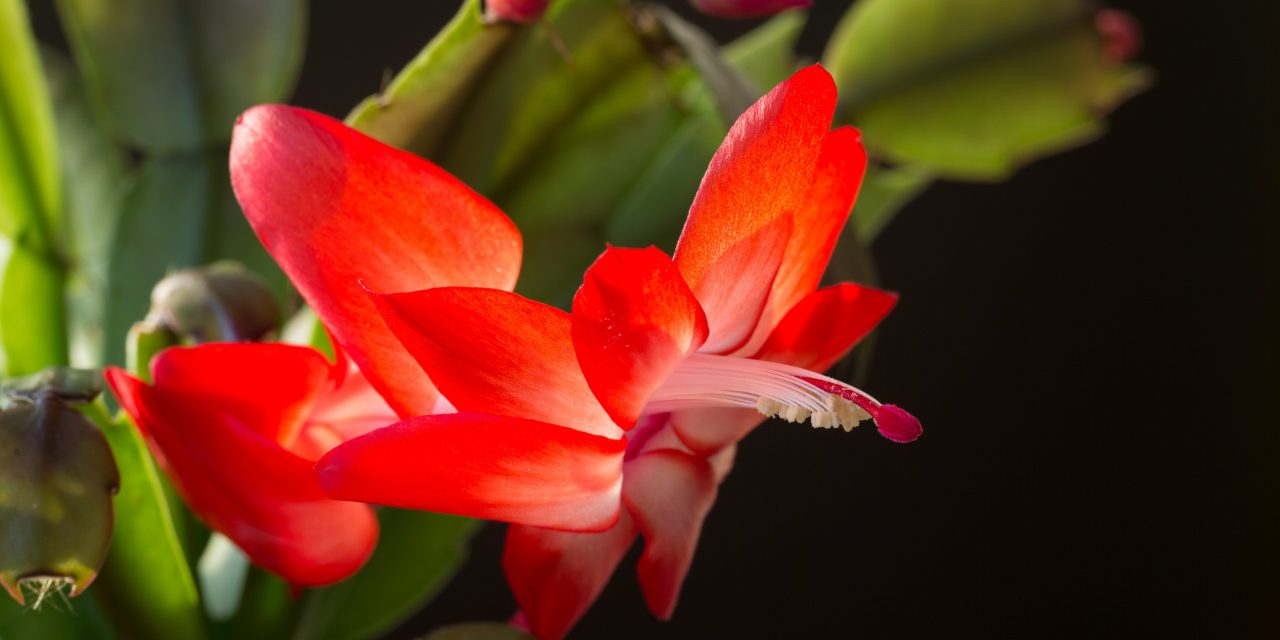
The Christmas cactus, scientifically known as *Schlumbergera*, is a popular houseplant renowned for its vibrant blooms that typically appear during the holiday season. Unlike traditional cacti, which thrive in arid environments, the Christmas cactus is native to the humid rainforests of Brazil. This epiphytic plant grows on trees and rocks, absorbing moisture and nutrients from the air and surrounding organic matter. Its unique growth habit and stunning flowers make it a cherished addition to many households during the festive period.
The Christmas cactus is characterized by its segmented stems, which can grow up to 24 inches long. The plant produces tubular flowers in various colors, including pink, red, white, and purple, depending on the cultivar. These blooms emerge from the leaf segments, creating a striking display that can last for several weeks. Understanding the biology and natural habitat of the Christmas cactus is crucial for successful cultivation, as it informs the care requirements necessary for optimal growth.
If you’re interested in cultivating a Christmas cactus from seeds, you might find it helpful to read about general plant care techniques that can enhance your gardening skills. A related article that provides valuable insights is titled “10 Easy Tips to Care for Your Monstera Deliciosa Indoors.” You can check it out for practical advice that can be applied to various houseplants, including your Christmas cactus. For more information, visit this link.
Choosing the Right Seeds for Successful Growth
Selecting high-quality seeds is paramount for cultivating a thriving Christmas cactus. When sourcing seeds, it is advisable to choose reputable suppliers who specialize in succulent and tropical plants. Look for seeds that are fresh and have a high germination rate, typically indicated on the packaging. The viability of seeds can diminish over time, so purchasing seeds that have been harvested recently increases the likelihood of successful germination.
In addition to seed quality, consider the specific variety of Christmas cactus you wish to grow. There are several cultivars available, each with distinct flower colors and growth habits. For instance, *Schlumbergera truncata* is known for its serrated leaf edges and vibrant blooms, while *Schlumbergera x buckleyi* features smoother leaf segments and a more delicate appearance. By selecting the right seeds tailored to your aesthetic preferences and growing conditions, you set the foundation for a flourishing plant.
Preparing the Ideal Soil Mix for Seed Germination

Creating an optimal soil mix is essential for promoting healthy seed germination in Christmas cacti. A well-draining medium is crucial, as excessive moisture can lead to root rot—a common issue in succulent plants. A recommended soil mix consists of equal parts potting soil, perlite, and orchid bark. This combination provides adequate aeration while retaining enough moisture to support germination.
Before sowing seeds, it is advisable to sterilize the soil mix to eliminate any potential pathogens or pests. This can be achieved by baking the soil in an oven at 180°F (82°C) for about 30 minutes. Allow the soil to cool before use. Additionally, incorporating a small amount of slow-release fertilizer into the mix can provide essential nutrients during the early stages of growth, ensuring that seedlings have access to the necessary elements for robust development.
Selecting the Best Containers for Seed Starting

Choosing appropriate containers for seed starting is critical for ensuring successful germination and healthy growth of Christmas cacti. Seed trays or small pots with drainage holes are ideal, as they allow excess water to escape and prevent waterlogging. Containers made from biodegradable materials, such as peat pots or coconut coir pots, are also excellent options as they can be planted directly into larger pots without disturbing the roots.
When selecting container size, consider that each seedling will require adequate space for root development. A depth of at least 2-3 inches is recommended to accommodate initial root growth. Additionally, ensure that containers are clean and free from any residues that could harbor diseases or pests. Proper container selection lays the groundwork for healthy seedlings and minimizes transplant shock later on.
If you’re interested in growing your own Christmas cactus from seeds, you might find it helpful to read about the best practices for seed germination and care. This related article provides insights into maintaining optimal conditions for various plants, which can also be beneficial for nurturing your Christmas cactus seedlings. Understanding the right environment and care techniques can make a significant difference in the success of your gardening endeavors.
Proper Seed Sowing Techniques for Christmas Cactus
Sowing seeds correctly is vital for maximizing germination rates in Christmas cacti. Begin by filling your chosen containers with the prepared soil mix, leaving about half an inch of space at the top. Lightly moisten the soil before sowing to create a conducive environment for seed germination. Scatter seeds evenly across the surface of the soil, ensuring they are not overcrowded.
After sowing, gently press down on the soil surface to ensure good seed-to-soil contact without burying them too deeply; a light dusting of soil over the seeds is sufficient. Covering seeds too deeply can hinder their ability to sprout. Finally, label your containers with the date of sowing and the specific variety of seeds planted to keep track of your progress.
Maintaining Optimal Temperature and Humidity Levels
Temperature and humidity play crucial roles in the germination process of Christmas cactus seeds. Ideally, maintain a temperature range between 70°F to 80°F (21°C to 27°C) during germination. This warm environment encourages seed activation and promotes faster sprouting. Using a heat mat can help maintain consistent temperatures if your home is cooler than this range.
Humidity levels should also be monitored closely; Christmas cactus seeds thrive in high humidity environments. To achieve this, cover your containers with a clear plastic dome or plastic wrap to create a mini greenhouse effect. Ensure that there are small ventilation holes to prevent mold growth while retaining moisture. Regularly check humidity levels and remove covers once seedlings emerge to acclimate them gradually to lower humidity conditions.
Watering Tips to Encourage Healthy Seedling Development
Watering practices significantly influence seedling health in Christmas cacti. After sowing seeds, it is essential to keep the soil consistently moist but not soggy. Overwatering can lead to fungal infections or root rot, while underwatering can cause seedlings to wilt and die. A fine mist spray bottle is an effective tool for watering seedlings gently without displacing them.
As seedlings grow, gradually reduce watering frequency while ensuring that they do not dry out completely. Allow the top inch of soil to dry out between waterings; this encourages deeper root growth as seedlings search for moisture. Monitoring soil moisture levels with your finger or a moisture meter can help you determine when it’s time to water again.
Providing Adequate Light for Young Christmas Cactus Plants
Light exposure is critical for young Christmas cactus plants as they develop their foliage and prepare for future blooming cycles. Ideally, seedlings should receive bright but indirect sunlight for at least 12 hours a day. Direct sunlight can scorch delicate leaves; therefore, placing them near a north or east-facing window is often ideal.
If natural light is insufficient, consider using grow lights specifically designed for seedlings. These lights should be positioned about 6-12 inches above the plants and kept on for approximately 12-16 hours daily to mimic natural daylight conditions. Regularly rotating seedlings can also ensure even light distribution and prevent them from becoming leggy as they reach toward light sources.
Fertilizing Seedlings for Robust Growth
Fertilization plays an essential role in promoting healthy growth in young Christmas cacti. Once seedlings develop their first set of true leaves—typically around 4-6 weeks after germination—begin applying a diluted liquid fertilizer every two weeks during their active growing season (spring through summer). A balanced fertilizer with an N-P-K ratio of 20-20-20 or a specialized cactus fertilizer can provide essential nutrients.
When fertilizing, dilute the fertilizer to half strength to avoid overwhelming young plants with excessive nutrients. Monitor seedlings closely for signs of nutrient deficiencies or excesses; yellowing leaves may indicate a lack of nitrogen, while burnt leaf tips could signal over-fertilization. Adjust your fertilization regimen accordingly to ensure optimal growth.
Transplanting Seedlings to Larger Pots Successfully
Transplanting seedlings into larger pots is a crucial step in their development as they outgrow their initial containers. This process typically occurs when seedlings have developed several sets of true leaves and roots begin to emerge from drainage holes—usually around 2-3 months after germination. Choose pots that are one size larger than their current containers to provide ample room for continued growth.
Before transplanting, prepare fresh potting soil similar to what was used initially—ensuring it remains well-draining yet nutrient-rich. Gently remove seedlings from their original containers by grasping them by their leaves rather than stems to avoid damage. Place each seedling into its new pot at the same depth it was previously growing and fill in around it with soil, lightly pressing down to eliminate air pockets.
Common Challenges and How to Overcome Them
Growing Christmas cacti from seeds can present various challenges that require proactive solutions. One common issue is poor germination rates due to inadequate moisture or temperature conditions; ensuring consistent warmth and humidity levels can mitigate this problem significantly. If mold appears on the soil surface, reduce watering frequency and improve air circulation around seedlings.
Pest infestations may also pose challenges during seedling development; aphids and spider mites are common culprits that can weaken young plants. Regularly inspect seedlings for signs of pests and treat infestations promptly with insecticidal soap or neem oil as needed. Additionally, maintaining cleanliness around your growing area helps prevent pest outbreaks.
In summary, cultivating Christmas cacti from seeds requires careful attention to detail throughout each stage of growth—from selecting quality seeds and preparing suitable soil mixes to providing optimal light conditions and addressing common challenges effectively. By following these guidelines diligently, you can enjoy vibrant blooms during the holiday season while nurturing healthy plants year-round.
In conclusion, understanding the intricacies of growing Christmas cacti from seeds involves knowledge about their natural habitat, careful selection of seeds, preparation of ideal growing conditions, and ongoing maintenance practices that promote robust growth and flowering potential. With patience and diligence, you can successfully cultivate these beautiful plants that bring joy during festive celebrations and beyond.
FAQs
What are Christmas cactus seeds?
Christmas cactus seeds are the reproductive seeds produced by the Schlumbergera plant, commonly known as the Christmas cactus. These seeds can be used to propagate new plants, although the process is less common than propagating through cuttings.
How are Christmas cactus seeds produced?
Christmas cactus seeds are produced after the plant flowers and undergoes pollination. The flowers can be pollinated by insects or manually by gardeners, leading to the formation of seed pods that contain the seeds.
Can Christmas cactus seeds be purchased?
Yes, Christmas cactus seeds can be purchased from various gardening supply stores, online retailers, and specialty plant nurseries. However, they may not be as readily available as seeds for other more common plants.
How do you germinate Christmas cactus seeds?
To germinate Christmas cactus seeds, plant them in a well-draining soil mix and lightly cover them with soil. Keep the soil moist and provide warmth and indirect light. Germination typically takes several weeks, and maintaining humidity can help improve success rates.
What is the best time to plant Christmas cactus seeds?
The best time to plant Christmas cactus seeds is in the spring or early summer when temperatures are warmer and daylight hours are longer. This timing helps to mimic the natural growing conditions of the plant.