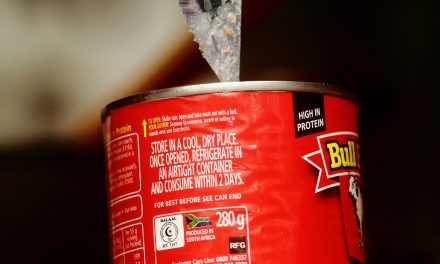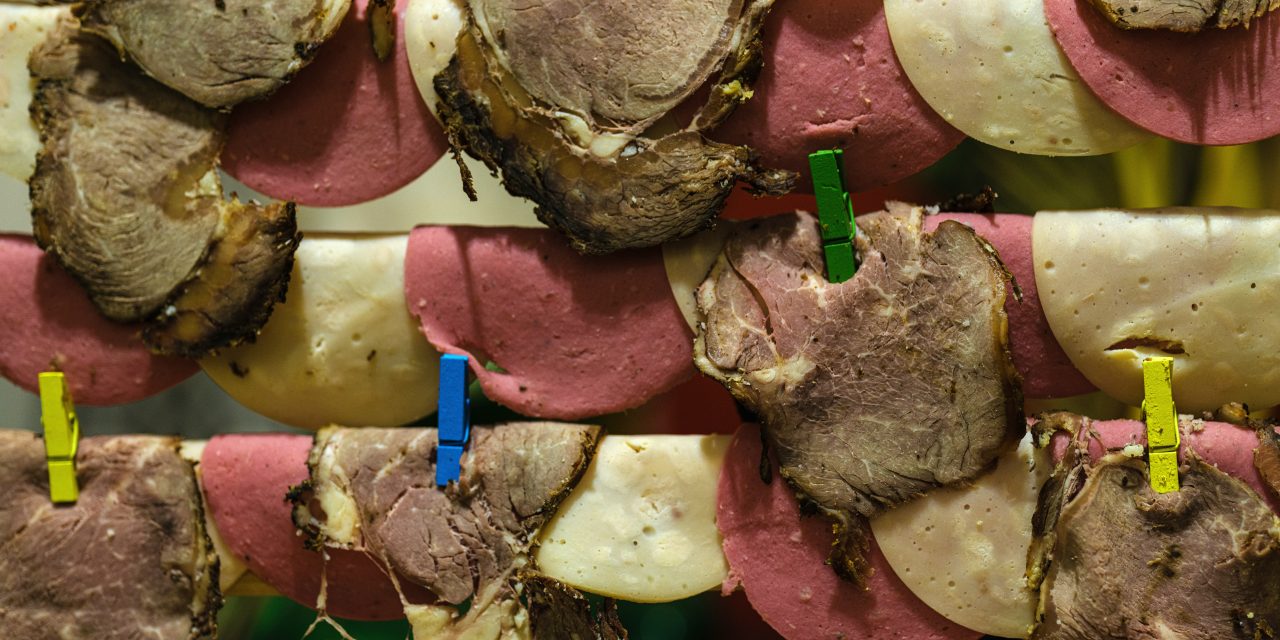
Deli meat, also known as lunch meat or cold cuts, encompasses a wide range of processed meats that are typically sliced thin and served cold. These products are often used in sandwiches, salads, and charcuterie boards. The most common varieties include turkey, ham, roast beef, salami, bologna, and pastrami. Each type of deli meat is prepared through various methods such as curing, smoking, or cooking, which not only enhances flavor but also contributes to preservation.
Turkey deli meat is a popular choice for those seeking a leaner option, often favored for its lower fat content compared to other meats. Ham, on the other hand, is celebrated for its sweet and savory profile, making it a staple in many households. Salami and bologna are typically seasoned with spices and may contain a blend of meats, offering a robust flavor that appeals to many palates. Understanding the different types of deli meats available can help consumers make informed choices based on dietary preferences and nutritional needs.
When considering the shelf life of deli meats, it’s essential to be aware of proper storage practices to ensure food safety. For those looking to explore healthier alternatives, you might find inspiration in a related article that features a variety of vegetarian recipes. Check out this article for some delicious ideas: 10 Delicious Vegetarian Recipes You Need to Try Today.
Factors Affecting the Shelf Life of Deli Meat
The shelf life of deli meat is influenced by several critical factors, including the type of meat, processing methods, packaging, and storage conditions. For instance, meats that are cured or smoked generally have a longer shelf life due to the preservation techniques employed during processing. Conversely, fresh deli meats that are minimally processed tend to spoil more quickly.
Packaging plays a significant role in maintaining freshness. Vacuum-sealed packages can extend shelf life by reducing exposure to air and bacteria. Additionally, the temperature at which deli meat is stored is paramount; meats stored at temperatures above 40°F (4°C) are more susceptible to bacterial growth. Understanding these factors can aid consumers in selecting and storing deli meats effectively to maximize their freshness and safety.
How Long Does Unopened Packaged Deli Meat Last?

Unopened packaged deli meat can last significantly longer than opened varieties due to the protective packaging that inhibits bacterial growth. Generally, unopened deli meats can be stored in the refrigerator for about two weeks past the sell-by date if kept at a consistent temperature below 40°F (4°C). However, this duration can vary depending on the specific type of meat and its processing method.
For example, pre-packaged turkey or chicken deli meats may last up to 14 days unopened, while cured meats like salami or pepperoni can remain safe for consumption for several weeks due to their lower moisture content and higher salt levels. It is essential to check the packaging for specific expiration dates and adhere to proper storage guidelines to ensure safety.
Shelf Life of Opened Packaged Deli Meat

Once deli meat packaging has been opened, its shelf life diminishes considerably. Typically, opened deli meat should be consumed within three to five days when stored in the refrigerator at temperatures below 40°F (4°C). This shorter timeframe is due to increased exposure to air and potential contamination from handling.
To maximize freshness after opening, it is advisable to rewrap deli meat tightly in plastic wrap or aluminum foil or transfer it to an airtight container. This minimizes exposure to air and moisture, which can accelerate spoilage. Regularly checking for any signs of spoilage is crucial during this period to ensure food safety.
When considering the shelf life of deli meats, it’s essential to understand how proper storage can significantly extend their freshness. For more insights on maintaining the quality of various food items, you might find this article on stunning flowering kalanchoe varieties interesting, as it highlights the importance of care and attention in preserving the beauty of plants, much like how we should treat our food. You can read more about it here.
Freshly Sliced Deli Meat: What You Need to Know
Freshly sliced deli meat from a deli counter offers a unique flavor profile and texture that pre-packaged options may lack. However, it is essential to understand that freshly sliced meats have a shorter shelf life compared to their packaged counterparts. Typically, freshly sliced deli meats should be consumed within three days if stored properly in the refrigerator.
When purchasing freshly sliced deli meat, it is advisable to request that it be sliced thinly for optimal freshness and flavor retention. Additionally, consumers should inquire about the meat’s preparation date to gauge its freshness accurately. Proper storage techniques are vital; placing freshly sliced meats in airtight containers or tightly wrapping them can help extend their usability.
When considering the shelf life of deli meats, it’s important to understand how proper storage can significantly extend their freshness. For those interested in maximizing the longevity of various food items, you might find it helpful to read an article about cooking techniques that can enhance flavor and texture, such as air frying. You can check out this informative piece on cooking chicken wings in an air fryer for some great tips that could inspire your next meal.
Proper Storage Tips to Extend Deli Meat Freshness
To prolong the freshness of deli meat, proper storage techniques are essential. First and foremost, always store deli meats in the refrigerator at temperatures below 40°F (4°C). Utilizing airtight containers or vacuum-sealed bags can significantly reduce exposure to air and moisture, which are primary contributors to spoilage.
It is also advisable to keep deli meats away from strong-smelling foods in the refrigerator, as they can absorb odors that may alter their flavor. Labeling containers with purchase dates can help track freshness and ensure timely consumption. For those who purchase larger quantities of deli meat, consider portioning it into smaller servings before freezing for extended storage.
Signs Your Deli Meat Has Gone Bad
Recognizing signs of spoilage in deli meat is crucial for food safety. Common indicators include changes in color, texture, and odor. Fresh deli meat should have a vibrant color; if it appears dull or has developed a grayish hue, it may be time to discard it. Additionally, any slimy or sticky texture is a clear sign of spoilage.
Odor is another critical factor; fresh deli meat should have a mild scent. If it emits a sour or rancid smell, it is best not to consume it. Always trust your senses—when in doubt about the freshness of deli meat, err on the side of caution and dispose of it.
The Role of Temperature in Deli Meat Preservation
Temperature plays a pivotal role in preserving the quality and safety of deli meat. The USDA recommends keeping deli meats at temperatures below 40°F (4°C) to inhibit bacterial growth effectively. When deli meats are left at room temperature for more than two hours, they become susceptible to harmful bacteria such as Listeria monocytogenes and Salmonella.
For optimal preservation, consumers should utilize thermometers to monitor refrigerator temperatures regularly. Additionally, during transportation from the store to home, it is advisable to keep deli meats insulated in coolers or bags with ice packs if there will be delays before refrigeration.
Can You Freeze Deli Meat? Guidelines and Tips
Freezing deli meat is an effective method for extending its shelf life beyond refrigeration limits. Most types of deli meat can be frozen without significant loss of quality; however, it is essential to follow specific guidelines for optimal results. Before freezing, ensure that the meat is tightly wrapped in plastic wrap or aluminum foil and placed in airtight freezer bags or containers.
When freezing deli meat, it is advisable to portion it into smaller servings for easier thawing later on. Label each package with the date of freezing to track storage time; generally, frozen deli meats can maintain quality for up to two months. When ready to use, thaw frozen deli meat in the refrigerator rather than at room temperature to minimize bacterial growth.
Food Safety Tips When Handling Deli Meat
Food safety is paramount when handling deli meat to prevent foodborne illnesses. Always wash hands thoroughly with soap and water before and after handling any food products. Use separate cutting boards for raw meats and ready-to-eat foods like deli meats to avoid cross-contamination.
Additionally, ensure that any utensils used are clean and sanitized before contact with deli meats. When serving sandwiches or platters containing deli meats at gatherings, keep them refrigerated until serving time and avoid leaving them out for extended periods.
Frequently Asked Questions About Deli Meat Shelf Life
1. **How long can I keep unopened deli meat in the fridge?**
Unopened deli meat can typically last up to two weeks past the sell-by date if stored properly.
2. **Can I eat deli meat after the expiration date?**
It depends on storage conditions; if unopened and kept refrigerated properly, it may still be safe but always check for signs of spoilage.
3. **How long does opened deli meat last?**
Opened deli meat should be consumed within three to five days when stored correctly in the refrigerator.
4. **Is it safe to freeze deli meat?**
Yes, most types of deli meat can be frozen; ensure they are well-wrapped and labeled with freezing dates.
5. **What are signs that my deli meat has gone bad?**
Look for changes in color (dullness), texture (slimy), or odor (sour smell) as indicators of spoilage.
6. **How should I store freshly sliced deli meat?**
Store freshly sliced deli meat in airtight containers or tightly wrapped in plastic wrap in the refrigerator.
7. **What temperature should I store deli meat at?**
Deli meats should be stored at temperatures below 40°F (4°C) for optimal safety.
8. **Can I eat leftover sandwiches with deli meat?**
If sandwiches have been stored properly in the refrigerator and consumed within three days, they should be safe.
In summary, understanding the various aspects of deli meat—from types and shelf life to proper storage techniques—is essential for ensuring food safety and quality. By adhering to recommended guidelines regarding temperature control and recognizing signs of spoilage, consumers can enjoy their favorite cold cuts while minimizing health risks associated with improper handling or storage practices.
FAQs
What is the typical shelf life of deli meat?
The typical shelf life of deli meat varies depending on the type and how it is stored. Generally, unopened deli meat can last 2-3 weeks in the refrigerator, while opened deli meat should be consumed within 3-5 days for optimal freshness and safety.
How can I tell if deli meat has gone bad?
Signs that deli meat has gone bad include a sour smell, a slimy texture, discoloration, or the presence of mold. If you notice any of these signs, it is best to discard the meat to avoid foodborne illness.
Can deli meat be frozen to extend its shelf life?
Yes, deli meat can be frozen to extend its shelf life. When properly wrapped and sealed in an airtight container or freezer bag, deli meat can last for 1-2 months in the freezer. However, it may lose some texture and flavor upon thawing.
What is the best way to store deli meat?
The best way to store deli meat is to keep it in its original packaging or transfer it to an airtight container. It should be stored in the coldest part of the refrigerator, ideally at a temperature below 40°F (4°C), to maintain freshness.
Does the type of deli meat affect its shelf life?
Yes, the type of deli meat can affect its shelf life. Processed meats like turkey and ham may have a shorter shelf life compared to salami or pepperoni, which often contain preservatives that help them last longer. Always check the packaging for specific expiration dates.