Hydrangeas are beloved for their stunning blooms and lush foliage, but as winter approaches, these beautiful plants require special attention to ensure their survival through the colder months. Understanding the specific needs of your hydrangeas during winter is crucial for their health and vitality. Different species of hydrangeas have varying levels of hardiness, which influences how they should be cared for in winter. For instance, Hydrangea macrophylla, commonly known as bigleaf hydrangea, is particularly sensitive to frost and requires more protection compared to the more resilient Hydrangea paniculata.
During winter, hydrangeas enter a dormant phase where their metabolic processes slow down significantly. This dormancy is essential for the plant’s survival, allowing it to conserve energy until the warmer months return. However, this does not mean that hydrangeas can be left entirely unprotected. Factors such as temperature fluctuations, moisture levels, and exposure to harsh winds can all impact the plant’s health. Therefore, understanding these needs is the first step in ensuring your hydrangeas thrive come spring.
As winter approaches, many gardeners wonder how to care for their hydrangea bushes to ensure they thrive in the coming seasons. Proper winterization techniques, such as pruning and mulching, can significantly impact the health of these beautiful plants. For more information on how to protect your garden during winter, you might find this article helpful: How Long Will Food Stay Safe During a Power Outage?. While it primarily focuses on food safety, it also touches on the importance of maintaining a stable environment for all living things, including your beloved hydrangeas.
Choosing the Right Location for Winter Protection
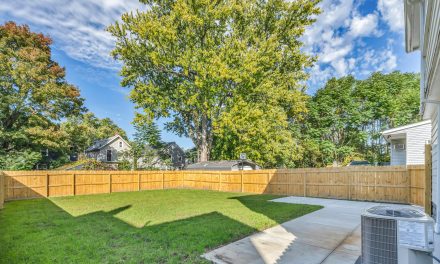
Selecting an appropriate location for your hydrangeas is paramount in providing them with adequate winter protection. Ideally, hydrangeas should be planted in a spot that offers some natural shelter from harsh winter elements. Areas that are shielded from strong winds, such as near a wall or fence, can help mitigate the effects of cold gusts that can desiccate the plant. Additionally, choosing a location that receives some sunlight during the day can help warm the soil and encourage healthy root systems.
When considering location, it is also essential to assess drainage. Hydrangeas are susceptible to root rot if they sit in waterlogged soil during winter. Therefore, planting them in well-draining areas or raised beds can prevent excess moisture accumulation. Furthermore, if you live in an area with particularly harsh winters, consider grouping your hydrangeas with other plants that can provide additional insulation and protection from the elements.
Pruning Tips Before the First Frost

Pruning is a critical aspect of hydrangea care that should be performed before the onset of frost. Proper pruning not only helps maintain the shape and size of the plant but also promotes healthy growth in the following season. The timing of pruning varies depending on the type of hydrangea you have. For instance, bigleaf hydrangeas should be pruned immediately after flowering in late summer or early fall, while panicle and smooth hydrangeas can be pruned in late winter or early spring.
When pruning, it is essential to remove dead or damaged wood to prevent disease and encourage new growth. Use sharp, clean pruning shears to make clean cuts at a 45-degree angle just above a node or bud. This technique minimizes damage to the plant and promotes healing. Additionally, thinning out crowded branches allows for better air circulation and sunlight penetration, which are vital for overall plant health.
Applying Mulch to Insulate the Roots

Applying mulch around your hydrangeas is an effective strategy for insulating their roots during winter months. Mulch acts as a protective barrier against extreme temperature fluctuations and helps retain soil moisture. Organic mulches such as shredded bark, straw, or wood chips are excellent choices as they decompose over time, enriching the soil with nutrients.
When applying mulch, aim for a thickness of 2 to 4 inches around the base of the plant, ensuring that it does not touch the stems directly to prevent rot. This layer of mulch will help regulate soil temperature and protect the root system from freezing temperatures. Additionally, mulch can suppress weed growth, reducing competition for nutrients and water during the growing season.
As winter approaches, many gardeners wonder how to care for their hydrangea bushes to ensure they thrive in the coming seasons. Proper winter care is essential, including pruning and protecting the plants from harsh weather conditions. For those looking for more tips on maintaining their garden during the colder months, you might find this article on winter gardening particularly helpful, as it covers various strategies that can benefit a range of plants, including hydrangeas.
Wrapping Your Hydrangea for Extra Warmth
For added protection against severe cold, wrapping your hydrangeas can provide an extra layer of warmth. This method is particularly beneficial for more delicate varieties that may struggle in frigid temperatures. Use materials such as burlap or frost cloth to wrap around the plant loosely, allowing for some airflow while still providing insulation.
When wrapping your hydrangea, ensure that you cover the entire plant but avoid tightly binding it, as this can trap moisture and lead to mold growth. Secure the wrapping with twine or garden ties to keep it in place during windy conditions. Additionally, consider placing stakes around the plant to support the wrapping material and prevent it from collapsing under heavy snow or ice.
Using Burlap Screens to Shield from Harsh Winds
Burlap screens are an excellent solution for shielding hydrangeas from harsh winter winds that can cause desiccation and damage to foliage. Creating a burlap windbreak involves constructing a frame around your hydrangeas and attaching burlap fabric to it. This barrier will deflect cold winds while allowing sunlight to filter through.
To create an effective burlap screen, use wooden stakes or metal posts to form a rectangular frame around your hydrangeas. Attach burlap securely to the frame using staples or ties, ensuring that it is taut but not overly tight. Positioning the screen on the side of prevailing winds will maximize its effectiveness in protecting your plants from cold gusts.
Watering Strategies During Winter Months
While hydrangeas require less water during their dormant phase, it is crucial not to neglect their hydration needs entirely throughout winter. Inadequate moisture can lead to desiccation and stress on the plant when spring arrives. Therefore, monitoring soil moisture levels is essential during this time.
Watering should be done sparingly but consistently when temperatures are above freezing. Aim to provide deep watering sessions every few weeks if there has been little precipitation. This practice ensures that roots remain hydrated without saturating the soil. Additionally, avoid watering when temperatures are extremely low, as this can lead to ice formation around the roots.
Avoiding Fertilization Late in the Season
Fertilization plays a vital role in promoting healthy growth; however, applying fertilizer late in the season can be detrimental to hydrangeas preparing for dormancy. Late-season fertilization can stimulate new growth that may not have enough time to harden off before frost sets in, leading to potential damage.
To avoid this issue, cease fertilization by late summer or early fall. Instead, focus on providing a balanced fertilizer earlier in the growing season when plants are actively developing foliage and blooms. This approach ensures that your hydrangeas receive adequate nutrients without risking damage from late-season growth spurts.
Monitoring for Pests and Diseases in Cold Weather
Even during winter months, it is essential to remain vigilant against pests and diseases that may threaten your hydrangeas’ health. Common pests such as aphids and spider mites can survive in sheltered areas of your garden and may emerge when temperatures rise slightly during winter thaws.
Regularly inspect your plants for signs of infestation or disease symptoms such as discoloration or wilting leaves. If you notice any issues, consider using organic insecticidal soap or neem oil as a treatment option. Additionally, maintaining good garden hygiene by removing fallen leaves and debris can help reduce pest populations and minimize disease risk.
Preparing for Early Spring Growth
As winter begins to wane and temperatures start to rise, preparing your hydrangeas for early spring growth becomes essential. This preparation involves gradually removing protective coverings such as burlap or mulch once the threat of frost has passed. Doing so allows your plants to acclimate to changing temperatures and encourages new growth.
In early spring, assess your hydrangeas for any signs of damage from winter conditions. Prune away any dead or damaged branches while promoting healthy buds for optimal blooming potential. Additionally, consider applying a balanced fertilizer formulated for flowering plants to support robust growth as they emerge from dormancy.
Additional Tools and Materials for Winter Care
To effectively care for your hydrangeas during winter months, having the right tools and materials on hand is crucial. Essential items include sharp pruning shears for clean cuts, burlap fabric for wrapping and windbreaks, mulch materials such as wood chips or straw, and stakes for supporting protective coverings.
Additionally, consider investing in moisture meters to monitor soil hydration levels accurately and frost cloths for added insulation on particularly cold nights. Having these tools readily available will streamline your winter care routine and ensure that your hydrangeas remain healthy throughout the colder months.
In summary, caring for hydrangeas during winter requires a comprehensive understanding of their specific needs and vulnerabilities. By choosing appropriate locations for planting, implementing effective pruning techniques, applying mulch for insulation, wrapping plants for warmth, using burlap screens against wind exposure, monitoring hydration levels carefully, avoiding late-season fertilization, keeping an eye out for pests and diseases, preparing for spring growth proactively, and utilizing essential tools and materials effectively—gardeners can ensure their hydrangeas thrive year after year despite harsh winter conditions.
FAQs
How do hydrangea bushes survive winter?
Hydrangea bushes survive winter by entering a dormant state, where their metabolic processes slow down significantly. This dormancy helps them conserve energy and withstand cold temperatures. The plant’s woody stems and buds are designed to endure frost, while the roots remain protected underground.
Should I prune my hydrangea bush in winter?
Pruning hydrangea bushes in winter is generally not recommended, as it can remove flower buds that have formed for the upcoming spring. Instead, it’s best to wait until late winter or early spring, depending on the specific variety of hydrangea, to prune and shape the plant while minimizing damage to potential blooms.
How can I protect my hydrangea bush during winter?
To protect hydrangea bushes during winter, you can apply a layer of mulch around the base to insulate the roots and retain moisture. Additionally, wrapping the bush with burlap or using protective plant covers can shield it from harsh winds and extreme cold. Ensuring proper drainage around the plant can also help prevent root rot.
What happens to hydrangea leaves in winter?
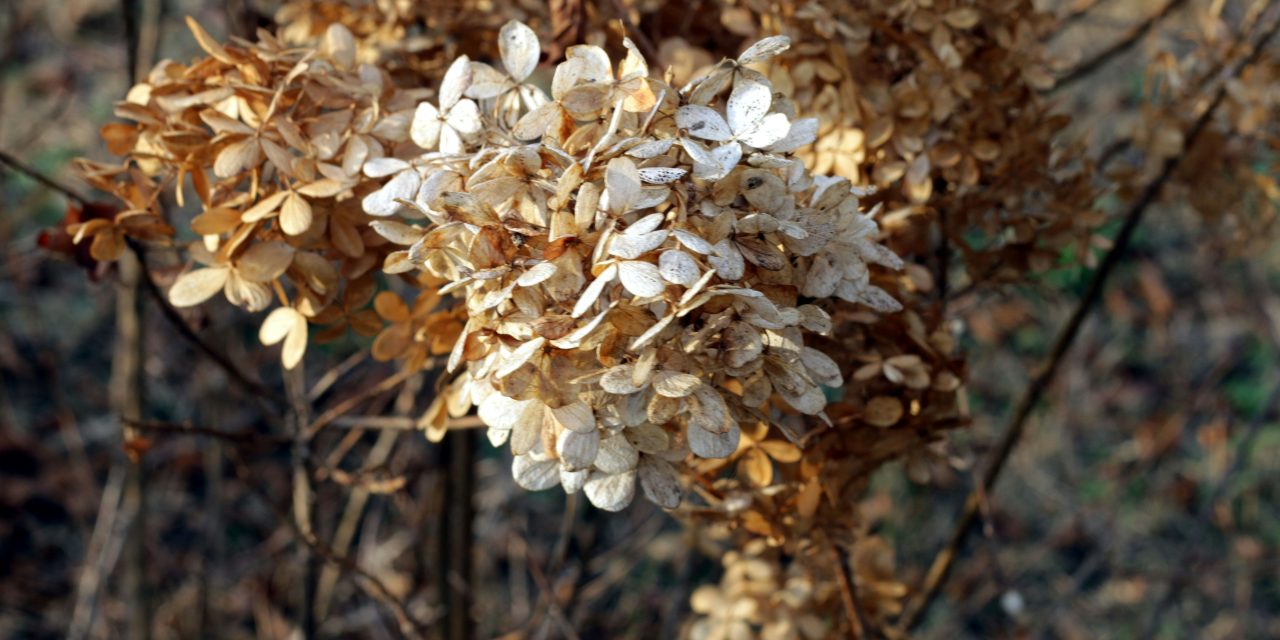
In winter, hydrangea leaves typically turn brown and fall off as the plant enters dormancy. This is a natural process that allows the plant to conserve energy and focus on root health during the colder months. Some varieties may retain dried leaves, which can provide some winter interest in the garden.
When will my hydrangea bush start to bloom again after winter?
Hydrangea bushes typically start to bloom again in late spring to early summer, depending on the variety and local climate conditions. The timing of blooming can vary, with some types, like the bigleaf hydrangea, blooming on old wood, while others, like the panicle hydrangea, bloom on new growth. Proper care during winter can help ensure a healthy blooming season.