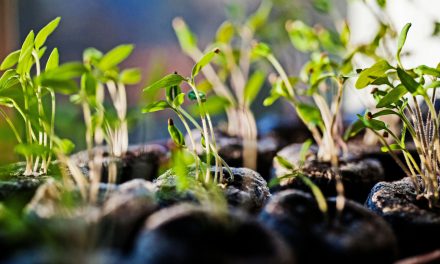
Indoor gardening has surged in popularity, particularly among novice horticulturists. The allure of nurturing plants within the confines of one’s home offers not only aesthetic enhancement but also a plethora of psychological and physiological benefits. For beginners, the prospect of cultivating indoor plants can seem daunting; however, selecting the right species can simplify the process significantly. Indoor plants serve as a gateway to understanding plant care, fostering a sense of responsibility, and enhancing one’s living environment.
Choosing indoor plants as a beginner is advantageous for several reasons. Firstly, they require minimal maintenance compared to outdoor gardening, making them ideal for individuals with busy lifestyles or limited gardening experience. Secondly, many indoor plants possess air-purifying qualities, contributing to improved indoor air quality. Lastly, the act of caring for plants can be therapeutic, reducing stress and promoting mental well-being. With the right guidance and selection, anyone can embark on a rewarding journey into the world of indoor gardening.
If you’re looking for the easiest indoor plants to care for, you might find it helpful to read about the signs of a dirty mass airflow sensor, as maintaining a healthy environment for your plants can sometimes be similar to ensuring your home systems are running smoothly. For more information on this topic, check out the article on 7 Signs Your Mass Airflow Sensor is Dirty and How to Check It.
Benefits of Growing Indoor Plants
The benefits of cultivating indoor plants extend beyond mere aesthetics. Numerous studies have demonstrated that indoor greenery can significantly enhance mental health by reducing stress levels and promoting relaxation. The presence of plants has been linked to increased productivity and creativity, making them an excellent addition to home offices or study areas. Furthermore, indoor plants can improve air quality by absorbing toxins and releasing oxygen, creating a healthier living environment.
In addition to psychological benefits, indoor plants can also contribute to physical health. Certain species have been shown to increase humidity levels, which can alleviate respiratory issues and dry skin. Moreover, engaging in plant care can encourage physical activity, as it involves tasks such as watering, pruning, and repotting. This combination of mental and physical benefits makes indoor gardening an appealing pursuit for individuals seeking a holistic approach to well-being.
Criteria for Selecting Easy-to-Grow Indoor Plants

When selecting indoor plants suitable for beginners, several criteria should be considered to ensure success. Firstly, assess the light conditions in your home; some plants thrive in bright light while others prefer low-light environments. Understanding your space’s natural light will help narrow down your options effectively. Secondly, consider the level of humidity and temperature fluctuations in your home. Some plants are more tolerant of dry air or cooler temperatures than others.
Another important factor is the plant’s watering needs. Beginners should opt for species that are forgiving of occasional neglect or overwatering. Additionally, consider the growth rate and size of the plant; smaller varieties may be more manageable for those with limited space or experience. Lastly, research the plant’s susceptibility to pests and diseases; choosing resilient species can minimize potential challenges for novice gardeners.
Snake Plant (Sansevieria)

The Snake Plant, scientifically known as Sansevieria, is an exemplary choice for beginners due to its remarkable resilience and adaptability. This hardy succulent can thrive in various lighting conditions, from low light to bright indirect sunlight. Its upright, sword-like leaves add a striking architectural element to any room while requiring minimal care.
One of the most appealing aspects of the Snake Plant is its infrequent watering needs; it is drought-tolerant and prefers to dry out between waterings. This characteristic makes it an ideal candidate for those who may forget to water regularly. Additionally, the Snake Plant is known for its air-purifying properties, effectively removing toxins such as formaldehyde and benzene from indoor environments.
If you’re looking for the easiest indoor plant to care for, you might find it helpful to explore some related topics, such as how to maintain a healthy environment for your pets. For instance, keeping your indoor plants thriving can also contribute to a better living space for your furry friends. You can read more about this in the article on maintaining a healthy coat on a pet rat by following this link.
Spider Plant (Chlorophytum comosum)
The Spider Plant (Chlorophytum comosum) is another excellent option for novice gardeners. Renowned for its cascading green leaves adorned with white stripes, this plant is not only visually appealing but also incredibly easy to care for. Spider Plants thrive in a variety of light conditions but prefer bright, indirect sunlight for optimal growth.
One of the most fascinating features of the Spider Plant is its ability to produce “pups,” or small offshoots that can be propagated easily. This characteristic allows beginners to expand their indoor garden without significant investment or effort. Furthermore, Spider Plants are known for their air-purifying abilities, making them a beneficial addition to homes with pets or children.
If you’re looking to brighten up your living space with minimal effort, you might want to explore the world of easy-to-care-for indoor plants. A great resource for this is an article that discusses the best options for beginners, offering insights into plants that thrive with little maintenance. For more information, you can check out this helpful guide on indoor plants that are perfect for any home. These plants not only enhance your decor but also improve air quality, making them a fantastic addition to your indoor environment.
Pothos (Epipremnum aureum)
Pothos (Epipremnum aureum), often referred to as Devil’s Ivy, is a popular choice among indoor gardeners due to its stunning heart-shaped leaves and trailing vines. This plant is exceptionally forgiving and thrives in various lighting conditions, although it prefers bright, indirect light for optimal growth. Pothos is also known for its ability to tolerate neglect; it can survive in low-light environments and requires infrequent watering.
The versatility of Pothos makes it suitable for various decorative arrangements, whether cascading from a hanging basket or climbing up a trellis. Additionally, Pothos has been recognized for its air-purifying properties, effectively removing pollutants such as formaldehyde and xylene from indoor air. Its rapid growth rate allows beginners to witness their gardening efforts flourish quickly.
ZZ Plant (Zamioculcas zamiifolia)
The ZZ Plant (Zamioculcas zamiifolia) is a standout choice for those seeking an exceptionally low-maintenance indoor plant. With its glossy, dark green leaves that grow from thick stems, the ZZ Plant adds a touch of elegance to any space while requiring minimal care. This plant thrives in low-light conditions and is highly tolerant of drought, making it perfect for beginners who may struggle with consistent watering.
One of the most remarkable features of the ZZ Plant is its ability to withstand neglect; it can survive in various environments and does not require frequent fertilization. Additionally, the ZZ Plant has been recognized for its air-purifying qualities, contributing to improved indoor air quality by filtering out harmful toxins.
Peace Lily (Spathiphyllum)
The Peace Lily (Spathiphyllum) is celebrated not only for its striking white blooms but also for its air-purifying capabilities. This plant thrives in low-light conditions and prefers consistently moist soil, making it an excellent choice for beginners who want a visually appealing addition to their indoor garden without excessive maintenance.
Peace Lilies are known for their ability to remove common indoor pollutants such as ammonia and benzene from the air. While they do require regular watering to maintain their lush foliage and blooms, they are forgiving if you occasionally forget to water them. The Peace Lily’s elegant appearance combined with its health benefits makes it a popular choice among novice gardeners.
Aloe Vera
Aloe Vera is not only a popular succulent but also a versatile plant known for its medicinal properties. This hardy species thrives in bright light but can tolerate lower light conditions as well. Aloe Vera requires minimal watering; allowing the soil to dry out between waterings is essential for preventing root rot.
Beyond its aesthetic appeal, Aloe Vera is renowned for its soothing gel found within its leaves, which can be used topically to treat minor burns and skin irritations. This dual-purpose plant serves both decorative and practical functions in any home, making it an ideal choice for beginners interested in both gardening and natural remedies.
Philodendron
Philodendrons are beloved houseplants characterized by their lush foliage and adaptability to various indoor environments. These tropical plants thrive in bright indirect light but can also tolerate lower light conditions, making them suitable for diverse spaces within the home.
Philodendrons are relatively low-maintenance; they prefer consistently moist soil but can withstand occasional drying out between waterings. Their rapid growth rate allows beginners to witness their gardening efforts flourish quickly while providing ample opportunities for propagation through cuttings or division.
Jade Plant (Crassula ovata)
The Jade Plant (Crassula ovata), often referred to as the “money tree,” is a popular succulent known for its thick, fleshy leaves that resemble coins—symbolizing prosperity in many cultures. This plant thrives in bright light but can adapt to lower light conditions as well.
Jade Plants require infrequent watering; allowing the soil to dry out completely between waterings is crucial for their health. They are relatively pest-resistant and can live for many years with proper care, making them an excellent choice for beginners seeking longevity in their indoor garden.
Rubber Plant (Ficus elastica)
The Rubber Plant (Ficus elastica) is an attractive option for those looking to add height and drama to their indoor space. With its large, glossy leaves that range from deep green to burgundy hues, this plant makes a bold statement while being relatively easy to care for.
Rubber Plants thrive in bright indirect light but can tolerate lower light conditions as well. They prefer consistently moist soil but should not be overwatered; allowing the top inch of soil to dry out between waterings is ideal. Additionally, Rubber Plants are known for their air-purifying properties, making them a beneficial addition to any home.
Chinese Evergreen (Aglaonema)
Chinese Evergreen (Aglaonema) is celebrated for its stunning variegated leaves that come in various shades of green and silver. This plant thrives in low-light conditions and is highly tolerant of neglect, making it an excellent choice for beginners who may struggle with consistent care.
Chinese Evergreens prefer consistently moist soil but should not be overwatered; allowing the top inch of soil to dry out between waterings is essential for their health. Additionally, these plants are known for their air-purifying qualities, effectively removing toxins from indoor environments while adding beauty to any space.
Tips for Maintaining Healthy Indoor Plants
To ensure the longevity and health of your indoor plants, several maintenance tips should be followed diligently:
1. **Watering**: Understand each plant’s specific watering needs; overwatering is one of the most common causes of plant failure.
2. **Lighting**: Position plants according to their light requirements; rotate them periodically to ensure even growth.
3. **Humidity**: Monitor humidity levels; some plants thrive in higher humidity environments.
4. **Fertilization**: Use appropriate fertilizers during the growing season; avoid over-fertilizing.
5. **Pest Control**: Regularly inspect plants for pests; early detection allows for effective treatment.
6. **Pruning**: Remove dead or yellowing leaves promptly; this encourages new growth and maintains aesthetics.
7. **Repotting**: Repot plants every couple of years or when they outgrow their containers; this promotes healthy root development.
Getting Started with Your Indoor Garden
Embarking on an indoor gardening journey offers numerous benefits that extend beyond mere aesthetics—enhancing mental well-being and improving air quality are just a few advantages that come with nurturing plants indoors. By selecting easy-to-grow species such as Snake Plants, Spider Plants, Pothos, ZZ Plants, Peace Lilies, Aloe Vera, Philodendrons, Jade Plants, Rubber Plants, and Chinese Evergreens, beginners can cultivate a thriving indoor garden with minimal effort.
With proper care and attention to specific needs regarding light, water, and humidity levels, anyone can successfully grow beautiful indoor plants that enrich their living spaces while promoting overall health and happiness. So gather your pots and soil—your indoor garden awaits!
FAQs
What are some of the easiest indoor plants to care for?
Some of the easiest indoor plants include pothos, snake plants, ZZ plants, peace lilies, and spider plants. These plants are known for their resilience and ability to thrive in various indoor conditions.
How often should I water my indoor plants?
The watering frequency for indoor plants varies depending on the type of plant and environmental conditions. Generally, it’s best to water when the top inch of soil feels dry. Overwatering can lead to root rot, so it’s important to ensure proper drainage.
Do indoor plants need sunlight?
Yes, most indoor plants require some level of sunlight to thrive. However, many of the easiest indoor plants can tolerate low light conditions. It’s essential to place them in a location where they can receive indirect sunlight or filtered light.
Can indoor plants improve air quality?
Yes, many indoor plants can improve air quality by filtering toxins and releasing oxygen. Plants like peace lilies and snake plants are particularly effective at removing pollutants from the air, making them great choices for indoor environments.
Are there any indoor plants that are safe for pets?
Yes, there are several indoor plants that are safe for pets, including spider plants, Boston ferns, and bamboo palms. It’s important to research and choose pet-friendly plants if you have cats or dogs to avoid any potential toxicity.