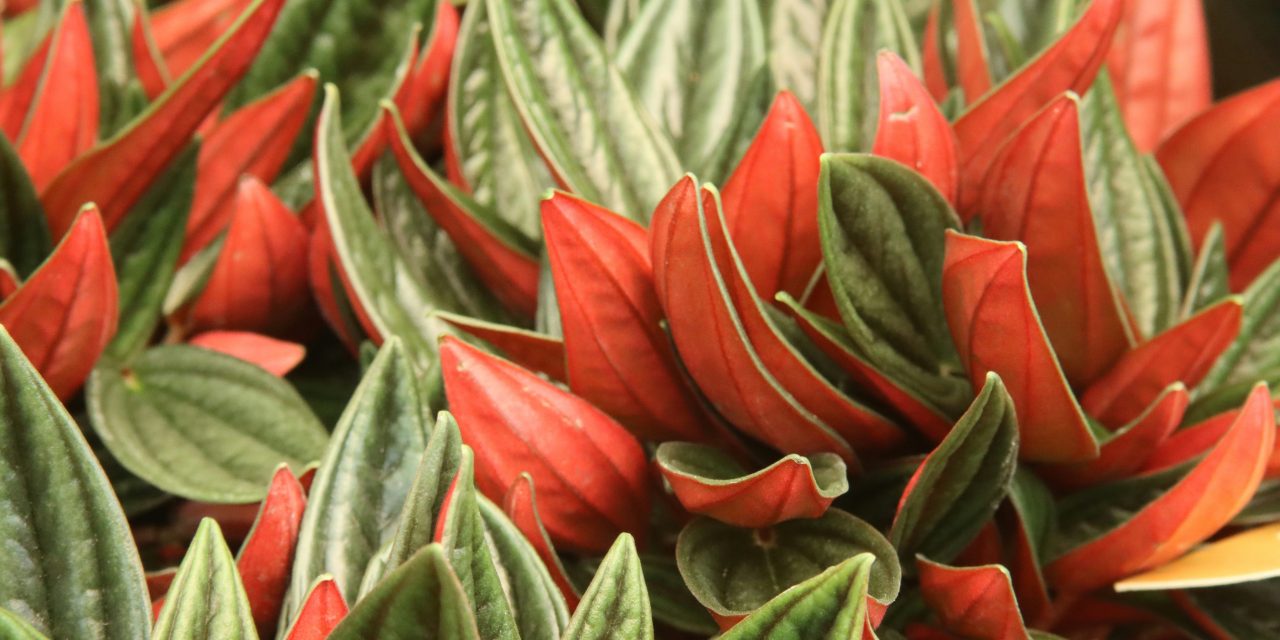
Peperomia, a genus belonging to the family Piperaceae, encompasses over 1,000 species of perennial plants, making it a diverse and captivating choice for indoor gardening enthusiasts. These charming plants are native to tropical and subtropical regions, primarily found in Central and South America. Their compact size, unique foliage, and low maintenance requirements make them ideal candidates for indoor environments. Peperomias are particularly appealing to those who may not have a green thumb, as they thrive in various conditions and can adapt to different light levels.
The aesthetic appeal of Peperomia lies in its diverse leaf shapes, colors, and textures. From glossy, succulent-like leaves to intricate patterns reminiscent of marbling, these plants offer a visual feast for plant lovers. Additionally, Peperomias are known for their air-purifying qualities, contributing to a healthier indoor atmosphere. With their ability to tolerate neglect and thrive in low-light conditions, Peperomias are perfect for busy individuals or those new to plant care.
If you’re looking to enhance your indoor gardening experience, you might find it helpful to read about the care and maintenance of peperomia houseplants. These charming plants are not only easy to care for but also add a touch of greenery to your home. For more tips on creating a beautiful living space, you can check out this related article on cleaning your home: How to Clean an Area Rug at Home Without Ruining It.
Peperomia Obtusifolia: The Baby Rubber Plant
Peperomia obtusifolia, commonly referred to as the Baby Rubber Plant, is a popular choice among indoor gardeners due to its thick, glossy leaves that resemble those of its larger cousin, the rubber tree (Ficus elastica). This species typically grows to a height of 12 inches and features round, fleshy leaves that can vary in color from deep green to variegated shades of cream and yellow. The Baby Rubber Plant is particularly well-suited for beginners, as it requires minimal care and can thrive in various lighting conditions.
In terms of care, Peperomia obtusifolia prefers bright, indirect sunlight but can tolerate lower light levels. It thrives in well-draining potting soil and should be watered only when the top inch of soil feels dry to the touch. Overwatering can lead to root rot, a common issue with this species. Fertilizing every four to six weeks during the growing season with a balanced liquid fertilizer will promote healthy growth and vibrant foliage.
Peperomia Rosso: Vibrant Red Undersides

Peperomia rosso is a striking species known for its unique leaf structure and vibrant coloration. The leaves are dark green on the top with a stunning red underside, creating a dramatic contrast that adds visual interest to any indoor space. This plant typically grows up to 12 inches tall and features thick, succulent-like leaves that store water, making it drought-tolerant.
To care for Peperomia rosso, it is essential to provide bright, indirect light to enhance its vibrant colors. While it can tolerate lower light conditions, insufficient light may result in diminished coloration and growth. Watering should be done when the top inch of soil is dry, ensuring that excess water drains away to prevent root rot. Regularly wiping the leaves with a damp cloth will help maintain their glossy appearance and remove dust buildup.
Peperomia Prostrata: The String of Turtles

Peperomia prostrata, affectionately known as the String of Turtles, is a delightful trailing plant characterized by its small, round leaves adorned with intricate patterns resembling turtle shells. This species is perfect for hanging baskets or as a cascading centerpiece on shelves or tabletops. Typically reaching lengths of up to 12 inches, the String of Turtles adds a whimsical touch to any indoor garden.
Caring for Peperomia prostrata involves providing bright, indirect light while avoiding direct sunlight that can scorch its delicate leaves. This species prefers well-draining soil and should be watered when the top inch of soil feels dry. As a succulent-like plant, it is crucial not to overwater; allowing the soil to dry out between waterings will promote healthy growth. Fertilizing every four to six weeks during the growing season will encourage lush foliage and vibrant patterns.
Peperomia houseplants are a popular choice for indoor gardening enthusiasts due to their unique foliage and low maintenance requirements. If you’re interested in learning more about caring for these charming plants, you might find this article on plant care particularly helpful. It provides insights into the best practices for keeping your peperomia healthy and thriving in your home environment.
Peperomia Caperata: The Emerald Ripple
Peperomia caperata, commonly known as the Emerald Ripple, is celebrated for its textured leaves that exhibit deep ridges and an attractive ripple effect. The heart-shaped leaves are typically dark green with lighter green veins, creating an eye-catching display that adds depth to any indoor setting. This species generally grows up to 12 inches tall and is well-suited for terrariums or as a standalone specimen.
To ensure the health of Peperomia caperata, it is essential to provide bright, indirect light while avoiding direct sunlight that can cause leaf burn. This plant thrives in well-draining potting soil and should be watered when the top inch of soil is dry. Overwatering can lead to root rot; therefore, it is crucial to monitor moisture levels closely. Fertilizing every four to six weeks during the growing season will support robust growth and enhance the plant’s unique texture.
Peperomia Argyreia: Watermelon Peperomia Delight
Peperomia argyreia, commonly referred to as the Watermelon Peperomia due to its striking leaf pattern resembling watermelon rind, is a visually stunning addition to any indoor garden. The leaves are thick and fleshy with dark green stripes running parallel along the leaf surface, creating an appealing contrast against the lighter green background. This species typically grows up to 12 inches tall and is perfect for adding a pop of color to your space.
Caring for Peperomia argyreia involves providing bright, indirect light while avoiding direct sunlight that can scorch its leaves. It thrives in well-draining potting soil and should be watered when the top inch of soil feels dry. As with other Peperomia species, overwatering can lead to root rot; therefore, it is essential to monitor moisture levels closely. Fertilizing every four to six weeks during the growing season will promote healthy growth and vibrant foliage.
Peperomia Scandens: Trailing Vine Elegance
Peperomia scandens, also known as the Trailing Jade or Cupid Peperomia, is a charming trailing plant characterized by its heart-shaped leaves that can vary in color from deep green to variegated shades of cream and yellow. This species typically grows up to 12 inches tall but can trail several feet long when allowed to cascade from hanging baskets or shelves.
To care for Peperomia scandens effectively, provide bright, indirect light while avoiding direct sunlight that can scorch its delicate leaves. This plant prefers well-draining potting soil and should be watered when the top inch of soil feels dry. Overwatering can lead to root rot; therefore, it is crucial to monitor moisture levels closely. Fertilizing every four to six weeks during the growing season will support robust growth and enhance the plant’s trailing habit.
Peperomia Graveolens: Succulent-Like Beauty
Peperomia graveolens is an intriguing species known for its succulent-like appearance and unique leaf coloration. The leaves are thick and fleshy with a striking reddish hue on their undersides and a greenish top surface adorned with subtle patterns. This species typically grows up to 12 inches tall and is perfect for adding texture and color to your indoor garden.
Caring for Peperomia graveolens involves providing bright, indirect light while avoiding direct sunlight that can scorch its leaves. It thrives in well-draining potting soil and should be watered when the top inch of soil feels dry. As with other Peperomia species, overwatering can lead to root rot; therefore, it is essential to monitor moisture levels closely. Fertilizing every four to six weeks during the growing season will promote healthy growth and enhance the plant’s unique coloration.
Peperomia Polybotrya: The Raindrop Plant
Peperomia polybotrya, commonly known as the Raindrop Plant due to its distinctive teardrop-shaped leaves that resemble raindrops on a windowpane, is an eye-catching addition to any indoor garden. This species typically grows up to 12 inches tall and features thick, glossy leaves that store water efficiently.
To care for Peperomia polybotrya effectively, provide bright, indirect light while avoiding direct sunlight that can scorch its delicate leaves. This plant prefers well-draining potting soil and should be watered when the top inch of soil feels dry. Overwatering can lead to root rot; therefore, it is crucial to monitor moisture levels closely. Fertilizing every four to six weeks during the growing season will support robust growth and enhance the plant’s unique leaf shape.
Peperomia Clusiifolia: Variegated Leaf Charm
Peperomia clusiifolia is a captivating species known for its variegated leaves that display an array of colors ranging from deep green to creamy white or yellow edges. This plant typically grows up to 12 inches tall and adds visual interest with its striking foliage patterns.
To ensure the health of Peperomia clusiifolia, provide bright, indirect light while avoiding direct sunlight that can cause leaf burn. This plant thrives in well-draining potting soil and should be watered when the top inch of soil is dry. Overwatering can lead to root rot; therefore, it is essential to monitor moisture levels closely. Fertilizing every four to six weeks during the growing season will support robust growth and enhance the plant’s unique coloration.
Care Tips to Keep Your Peperomia Thriving Indoors
To ensure your Peperomia thrives indoors, consider implementing several key care tips:
1. **Lighting**: Most Peperomia species prefer bright, indirect light but can tolerate lower light conditions. Avoid placing them in direct sunlight as this can scorch their delicate leaves.
2. **Watering**: Allow the top inch of soil to dry out before watering again; overwatering can lead to root rot—a common issue among these plants.
3. **Soil**: Use well-draining potting soil enriched with organic matter for optimal growth.
4. **Humidity**: While Peperomias are relatively tolerant of varying humidity levels, they thrive in moderate humidity environments typical of most homes.
5. **Fertilization**: Feed your plants with a balanced liquid fertilizer every four to six weeks during the growing season (spring through summer) for optimal growth.
6. **Pest Management**: Regularly inspect your plants for pests such as spider mites or aphids; if detected early, they can often be managed with insecticidal soap or neem oil.
7. **Repotting**: Repot your Peperomias every couple of years or when they outgrow their containers; this will refresh their soil and provide more space for growth.
In summary, Peperomias are an excellent choice for indoor gardening enthusiasts due to their diverse range of species, unique foliage characteristics, and low maintenance requirements. From the Baby Rubber Plant (Peperomia obtusifolia) with its glossy leaves to the vibrant Watermelon Peperomia (Peperomia argyreia), each variety offers something special for plant lovers. By following proper care guidelines—such as providing adequate lighting, watering appropriately, and monitoring humidity levels—these charming plants can thrive indoors while enhancing your living space’s aesthetic appeal.
FAQs
What is a Peperomia houseplant?
Peperomia is a genus of small, perennial plants that are native to tropical and subtropical regions. They are popular as houseplants due to their attractive foliage, which comes in various shapes, sizes, and colors. Peperomias are known for their low maintenance requirements and ability to thrive in indoor environments.
How do you care for a Peperomia houseplant?
Caring for a Peperomia involves providing bright, indirect light, watering when the top inch of soil feels dry, and ensuring good drainage. They prefer temperatures between 65°F and 80°F (18°C to 27°C) and should be kept away from drafts and extreme temperature changes. Fertilizing every 4-6 weeks during the growing season can also promote healthy growth.
Are Peperomia houseplants pet-friendly?
Yes, Peperomia plants are considered non-toxic to pets, including cats and dogs. This makes them a safe choice for households with furry companions. However, it’s always a good idea to monitor pets around any houseplants to prevent any potential chewing or ingestion.
What are common pests that affect Peperomia plants?
Common pests that can affect Peperomia houseplants include spider mites, mealybugs, and aphids. These pests can cause damage by sucking the sap from the leaves. Regularly inspecting the plants and maintaining good air circulation can help prevent infestations. If pests are detected, they can often be treated with insecticidal soap or neem oil.
How often should you repot a Peperomia houseplant?
Peperomia plants generally do not require frequent repotting due to their slow growth rate. It is recommended to repot them every 2-3 years or when they outgrow their current pot. Signs that a repotting is needed include roots growing out of the drainage holes or the plant becoming top-heavy.