The Christmas cactus, scientifically known as Schlumbergera, is a popular houseplant renowned for its vibrant blooms that typically appear during the holiday season. Unlike traditional cacti, which thrive in arid environments, the Christmas cactus is native to the humid rainforests of Brazil. This unique origin contributes to its distinctive characteristics, including flattened stems and a propensity for epiphytic growth, where it naturally grows on trees rather than in soil. The plant’s resilience during winter months makes it an ideal choice for indoor decoration, providing a splash of color when most other plants are dormant.
Understanding the biology of the Christmas cactus is crucial for successful cultivation. This succulent plant stores water in its stems, allowing it to survive periods of drought. Its flowers, which can range from white to vibrant pink and red, emerge from the tips of its segmented stems, creating a stunning visual display. The Christmas cactus is also known for its relatively low maintenance requirements, making it suitable for both novice and experienced gardeners. However, to ensure optimal growth and flowering during the winter months, specific care practices must be implemented.
If you’re looking to enhance your gardening skills, particularly with Christmas cacti, you might find this article on outdoor gardening techniques helpful. It provides valuable insights into how to care for various plants, ensuring they thrive in their environment. For more information, check out this related article on outdoor gardening tips here.
Selecting the Ideal Outdoor Location for Your Christmas Cactus
When considering outdoor placement for your Christmas cactus, it is essential to choose a location that mimics its natural habitat. Ideally, this plant thrives in partial shade, as direct sunlight can scorch its delicate leaves. A spot that receives filtered light or dappled shade is optimal, allowing the plant to photosynthesize without suffering from sunburn. Additionally, consider the microclimate of your garden; areas that are sheltered from harsh winds and extreme temperature fluctuations will provide a more stable environment for your cactus.
Furthermore, the proximity to other plants can influence the health of your Christmas cactus. Positioning it near taller plants can provide necessary shade while also creating a more humid microenvironment, which is beneficial for its growth. However, ensure that there is adequate air circulation to prevent fungal diseases. Regularly assess the location throughout the day to monitor light exposure and adjust as necessary to maintain ideal growing conditions.
Preparing the Soil for Optimal Winter Growth

Soil composition plays a pivotal role in the health of your Christmas cactus. A well-draining potting mix is essential to prevent root rot, a common issue caused by excess moisture. A blend of potting soil, perlite, and orchid bark can create an ideal substrate that allows for proper drainage while retaining some moisture. The pH level should ideally be between 5.5 and 6.5, which is slightly acidic to neutral, promoting nutrient availability.
Before planting or repotting your Christmas cactus, it is advisable to amend the soil with organic matter such as compost or well-rotted manure. This addition enriches the soil with essential nutrients and improves its structure. Additionally, consider incorporating slow-release fertilizers into the mix to provide a steady supply of nutrients throughout the winter months. Regular soil testing can help monitor nutrient levels and pH balance, ensuring optimal conditions for growth.
Protecting Your Christmas Cactus from Frost and Freezing Temperatures

As winter approaches, safeguarding your Christmas cactus from frost and freezing temperatures becomes paramount. While this plant can tolerate cooler conditions, prolonged exposure to sub-zero temperatures can lead to significant damage or even death. If you live in an area prone to frost, consider bringing your cactus indoors or providing protective coverings such as frost cloths or blankets during particularly cold nights.
If your Christmas cactus is planted outdoors in a garden bed, consider using row covers or cloches to create a microclimate that retains warmth. Additionally, mulching around the base of the plant can help insulate the roots from extreme cold. It is crucial to monitor weather forecasts regularly during winter months to anticipate any sudden drops in temperature and take appropriate action to protect your plant.
If you’re considering moving your Christmas cactus outdoors for the warmer months, it’s important to understand how to care for it in a different environment. A related article discusses the intriguing behavior of cats and their kneading habits, which can be quite fascinating to observe while tending to your plants. You can read more about this topic and its connection to pet behavior by visiting this article. Taking the time to learn about both your Christmas cactus and your furry companions can enhance your gardening experience.
Proper Watering Techniques During Cold Weather
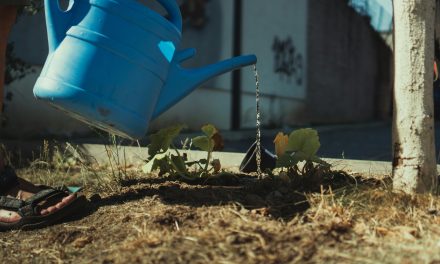
Watering practices during winter months require careful consideration to avoid overwatering or underwatering your Christmas cactus. During this period of dormancy, the plant’s water requirements decrease significantly. It is advisable to allow the top inch of soil to dry out before watering again; this prevents root rot while ensuring that the plant receives adequate hydration.
When watering your Christmas cactus, use room-temperature water to avoid shocking the roots with cold water. Water thoroughly until it drains from the bottom of the pot, ensuring that all roots receive moisture. However, refrain from letting the plant sit in standing water, as this can lead to detrimental effects on root health. Monitoring soil moisture levels with a moisture meter can provide additional assurance that you are meeting your plant’s hydration needs appropriately.
Using Mulch to Insulate the Roots
Mulching serves as an effective strategy for insulating the roots of your Christmas cactus during winter months. A layer of organic mulch—such as shredded leaves, straw, or wood chips—can help regulate soil temperature and retain moisture while preventing weed growth. This protective barrier acts as an insulator against fluctuating temperatures and minimizes stress on the plant.
When applying mulch, ensure that it is spread evenly around the base of the plant but not piled against the stems, as this can promote rot. A thickness of 2-3 inches is generally sufficient for effective insulation without suffocating the roots. Regularly check the mulch layer throughout winter to maintain its effectiveness and replenish it as necessary.
Shielding Your Plant from Harsh Winds and Excessive Moisture
Wind exposure can pose a significant threat to your Christmas cactus during winter months. Strong gusts can desiccate leaves and stems, leading to stress and potential damage. To mitigate this risk, consider placing windbreaks such as fences or taller plants around your cactus to shield it from harsh winds.
Excessive moisture can also be detrimental during winter; therefore, ensuring proper drainage is crucial. If your Christmas cactus is in a pot, select one with drainage holes and elevate it slightly off the ground using pot feet or bricks to facilitate airflow beneath it. If planted in a garden bed, ensure that surrounding soil drains well and does not become waterlogged after heavy rains.
Monitoring Light Exposure in Winter Conditions
Light exposure is critical for maintaining the health of your Christmas cactus during winter months. While this plant prefers indirect light, it still requires adequate illumination to thrive and produce blooms. During winter, natural light levels decrease significantly; therefore, consider relocating your cactus closer to windows or areas that receive bright but filtered light.
If natural light is insufficient, supplemental grow lights can be employed to provide additional illumination. LED grow lights are particularly effective due to their energy efficiency and ability to mimic natural sunlight wavelengths essential for photosynthesis. Aim for 12-14 hours of light exposure daily during winter months to support healthy growth and flowering.
Fertilizing Your Christmas Cactus for Winter Health
Fertilization plays a vital role in promoting robust growth and vibrant blooms in your Christmas cactus during winter months. While this plant does not require heavy feeding during its dormant phase, a balanced fertilizer with equal parts nitrogen, phosphorus, and potassium can be beneficial when applied sparingly every four to six weeks.
Opt for a diluted liquid fertilizer at half strength to avoid over-fertilization, which can lead to salt buildup in the soil and root damage. Additionally, consider using fertilizers specifically formulated for cacti and succulents; these products often contain micronutrients tailored to meet their unique needs.
Identifying and Managing Common Winter Pests
Winter months can bring about various pests that may threaten your Christmas cactus’s health. Common pests include mealybugs, spider mites, and aphids, which can cause significant damage if left unchecked. Regularly inspect your plant for signs of infestation such as webbing or sticky residue on leaves.
To manage pests effectively, consider using insecticidal soap or neem oil as organic treatment options. These products disrupt pest life cycles without harming beneficial insects or pollinators. For severe infestations, isolating affected plants may be necessary to prevent spreading pests to other plants in your collection.
When to Bring Your Christmas Cactus Indoors for Safety
Timing is crucial when deciding to bring your Christmas cactus indoors for protection against harsh winter conditions. Generally, if nighttime temperatures consistently drop below 50°F (10°C), it is advisable to relocate your plant indoors. This transition should be gradual; acclimatize your cactus by bringing it indoors for short periods before permanently relocating it.
Once indoors, place your Christmas cactus in a location that receives bright but indirect light while maintaining stable temperatures away from drafts or heating vents. Monitor humidity levels indoors; if necessary, use a humidifier or pebble tray filled with water to maintain adequate moisture levels around your plant.
In summary, caring for a Christmas cactus during winter requires understanding its unique needs and adapting care practices accordingly. By selecting an appropriate outdoor location, preparing optimal soil conditions, protecting against frost and pests, and monitoring light exposure and watering techniques, you can ensure that your Christmas cactus thrives throughout the colder months while providing beautiful blooms during the holiday season.
FAQs
Can Christmas cactus survive outdoors?
Yes, Christmas cactus can survive outdoors in suitable climates. They thrive in USDA hardiness zones 9 to 11, where temperatures do not drop below 30°F (-1°C). In cooler climates, they should be brought indoors during winter.
What are the ideal outdoor conditions for Christmas cactus?
Christmas cactus prefers bright, indirect sunlight and well-draining soil. It thrives in temperatures between 60°F to 70°F (15°C to 21°C) during the day and slightly cooler at night. Avoid placing it in direct sunlight, as this can scorch the leaves.
How often should I water my Christmas cactus when it’s outside?
When grown outdoors, Christmas cactus should be watered when the top inch of soil feels dry. Typically, this means watering every 2-3 weeks during the growing season (spring and summer) and reducing frequency in the fall and winter months.
Can I fertilize my Christmas cactus while it’s outside?
Yes, you can fertilize your Christmas cactus while it’s outside. Use a balanced, water-soluble fertilizer every 4-6 weeks during the growing season to promote healthy growth and blooming. Avoid fertilizing during the dormant winter months.
What pests should I watch for on outdoor Christmas cactus?
Common pests that may affect outdoor Christmas cactus include mealybugs, spider mites, and aphids. Regularly inspect your plant for signs of infestation and treat with insecticidal soap or neem oil if necessary.