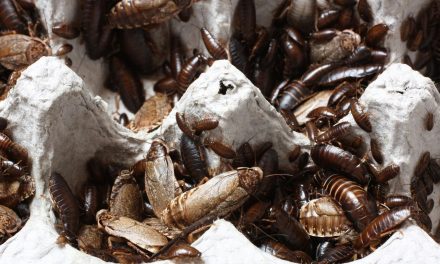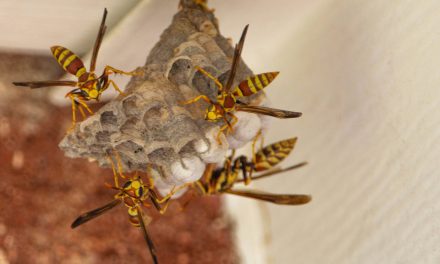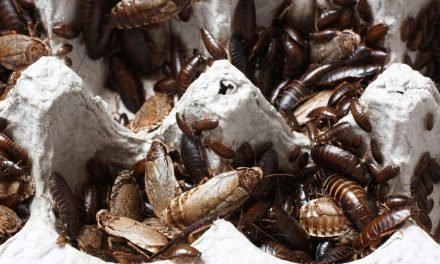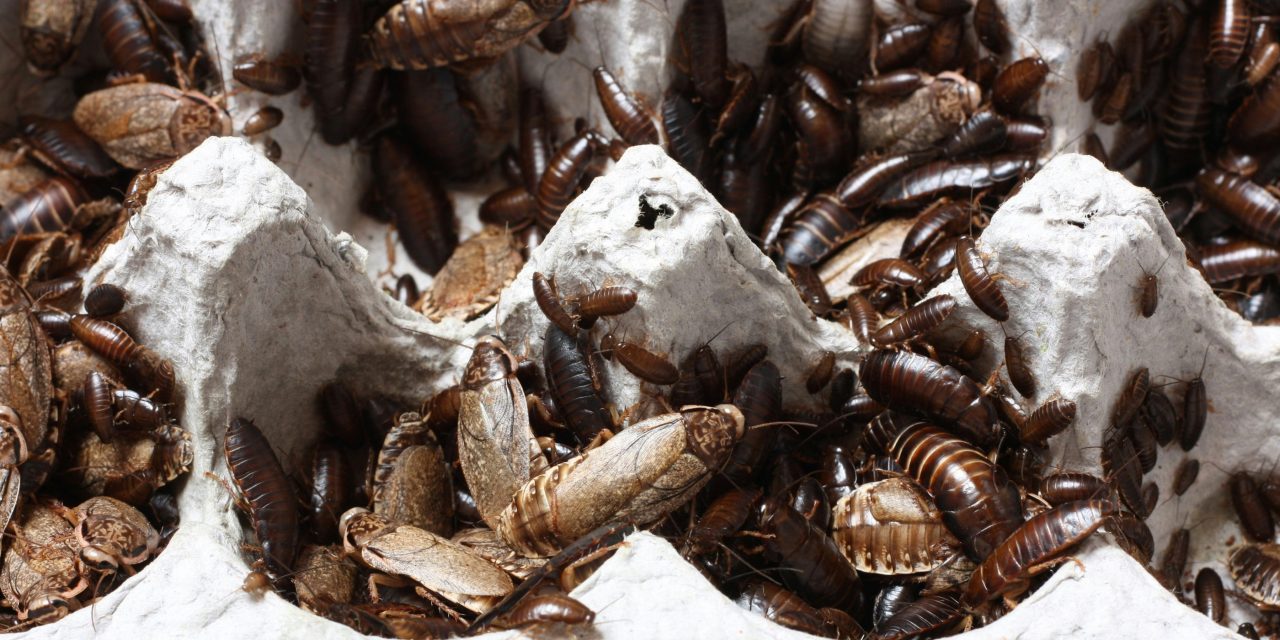
Household pests are a significant concern for homeowners, as they can cause damage to property, contaminate food, and pose health risks. Common pests include rodents such as mice and rats, insects like cockroaches, ants, and termites, as well as arachnids such as spiders. Each of these pests has unique behaviors and habitats that make them particularly troublesome. For instance, rodents are known for their ability to reproduce rapidly, with a single pair of mice capable of producing up to 200 offspring in a year under optimal conditions. Cockroaches, on the other hand, thrive in warm, humid environments and can survive for weeks without food, making them particularly resilient.
Understanding the biology and behavior of these pests is crucial for effective management. For example, termites can cause extensive structural damage to homes, consuming wood and cellulose materials. Their colonies can number in the thousands, making eradication challenging without proper intervention. Similarly, ants exhibit complex social structures and can infiltrate homes in search of food. Recognizing these characteristics allows homeowners to implement targeted strategies for prevention and control.
For those interested in effective methods of insect and vermin control, a related article can provide valuable insights into natural pest deterrents and management strategies. You can read more about these techniques in this informative piece on pest control. For further details, check out the article here: Insect and Vermin Control Strategies.
Identifying Signs of Infestation Early
Early detection of pest infestations is vital for minimizing damage and health risks. Homeowners should be vigilant for signs such as droppings, gnaw marks, and nests. Rodent droppings are typically small, dark pellets found near food sources or nesting areas. In contrast, cockroach droppings resemble coffee grounds or black pepper and can be found in hidden corners or under appliances. Additionally, the presence of shed skins or egg cases can indicate an infestation of insects like bedbugs or cockroaches.
Another critical sign is the presence of unusual odors. For instance, a musty smell may suggest a rodent infestation, while a sweet, pungent odor could indicate a cockroach problem. Homeowners should also be aware of physical damage to structures or belongings, such as chewed wires or holes in walls. Regular inspections of commonly infested areas—such as kitchens, basements, and attics—can help identify these signs early and facilitate prompt action.
Maintaining Cleanliness to Deter Pests

Maintaining a clean living environment is one of the most effective deterrents against household pests. Regular cleaning routines should include vacuuming floors, wiping down surfaces, and decluttering spaces to eliminate potential hiding spots. Special attention should be given to areas where food is prepared or consumed, as crumbs and spills can attract pests. It is advisable to clean under appliances and furniture regularly to remove hidden debris.
In addition to routine cleaning, proper waste management is essential. Garbage should be stored in sealed containers and disposed of regularly to prevent attracting pests. Compost bins should be kept away from the home’s foundation and managed carefully to avoid attracting rodents or insects. By fostering a clean environment, homeowners can significantly reduce the likelihood of pest infestations.
Sealing Entry Points to Prevent Intrusion

Preventing pests from entering the home is crucial for effective pest management. Homeowners should conduct thorough inspections of their property to identify potential entry points. Common vulnerabilities include gaps around windows and doors, cracks in foundations, and openings around utility lines. Sealing these entry points with caulk or weather stripping can significantly reduce the likelihood of pest intrusion.
Additionally, screens on windows and doors should be intact and free from tears or holes. Installing door sweeps can also help block entry from crawling insects. Regular maintenance of the exterior of the home—such as trimming overgrown vegetation and ensuring proper drainage—can further minimize access points for pests.
Effective insect and vermin control is essential for maintaining a healthy living environment, and understanding the best practices can significantly enhance your efforts. For those looking to delve deeper into related topics, you might find this article on fuel injector cleaners interesting, as it highlights the importance of maintaining various systems, much like how pest control requires regular attention. You can read more about it here.
Proper Food Storage Techniques
Proper food storage is essential in preventing pest infestations within the home. All food items should be stored in airtight containers made of glass or heavy-duty plastic to deter pests from accessing them. This includes not only pantry staples like grains and cereals but also pet food and snacks. It is advisable to keep food items off countertops and store them in cabinets or pantries that are regularly cleaned.
In addition to dry goods, perishable items should be stored in the refrigerator or freezer promptly after purchase. Leftovers should be placed in sealed containers and consumed within a few days to avoid attracting pests. By implementing effective food storage techniques, homeowners can significantly reduce the risk of attracting unwanted pests into their living spaces.
Utilizing Natural Pest Repellents
Natural pest repellents offer an eco-friendly alternative to chemical insecticides for managing household pests. Essential oils such as peppermint, tea tree, and eucalyptus have been shown to repel various insects due to their strong scents. Homeowners can create homemade sprays by diluting these oils with water and applying them to areas prone to infestations.
Additionally, diatomaceous earth—a natural powder made from fossilized algae—can be sprinkled in areas where pests are likely to travel. This substance is harmless to humans and pets but can effectively dehydrate insects like cockroaches and ants upon contact. Utilizing these natural methods not only helps control pest populations but also promotes a healthier living environment free from harsh chemicals.
Safe Use of Chemical Insecticides
While natural repellents are effective for some situations, chemical insecticides may be necessary for severe infestations. It is crucial to use these products safely and according to manufacturer instructions to minimize health risks to humans and pets. Homeowners should select insecticides specifically formulated for the target pest and apply them in targeted areas rather than widespread applications.
Before using any chemical treatment, it is advisable to read labels carefully for safety precautions and recommended protective gear. Ventilation is also essential during application; windows should be opened, and air circulation improved to dissipate fumes quickly. After treatment, areas should be cleaned thoroughly once the recommended waiting period has elapsed to ensure safety.
Managing Moisture and Humidity Levels
Moisture control is a critical aspect of pest prevention since many pests thrive in humid environments. Homeowners should regularly check for leaks in plumbing fixtures, roofs, and basements that could create damp conditions conducive to infestations. Repairing leaks promptly can significantly reduce moisture levels within the home.
Using dehumidifiers in areas prone to high humidity—such as basements or bathrooms—can also help maintain optimal moisture levels. Proper ventilation in kitchens and bathrooms is essential; exhaust fans should be used during cooking or showering to reduce humidity buildup. By managing moisture effectively, homeowners can create an environment less hospitable to pests.
Regular Inspection and Monitoring
Regular inspections are vital for maintaining a pest-free home environment. Homeowners should conduct routine checks of both interior and exterior spaces for signs of pest activity or potential vulnerabilities. This includes examining attics, crawl spaces, basements, and garages where pests may seek shelter.
Monitoring traps can also provide valuable insights into pest activity levels within the home. Sticky traps placed in strategic locations can help identify which pests are present and inform management strategies accordingly. By staying proactive with inspections and monitoring efforts, homeowners can catch infestations early before they escalate into larger problems.
When to Call Professional Pest Control Services
While many pest management strategies can be implemented by homeowners themselves, there are instances when professional pest control services are necessary. Severe infestations that pose health risks or structural damage may require expert intervention for effective eradication. Additionally, if DIY methods fail to yield results after repeated attempts, it may be time to consult professionals.
Professional pest control technicians possess specialized knowledge about pest behavior and access to advanced treatment options that may not be available to the general public. They can conduct thorough inspections, identify underlying issues contributing to infestations, and implement targeted treatments tailored to specific pest problems.
Creating a Long-Term Pest Prevention Plan
Developing a long-term pest prevention plan is essential for maintaining a pest-free home environment over time. This plan should encompass regular cleaning routines, ongoing inspections, proper food storage practices, moisture management strategies, and sealing entry points effectively. Homeowners should also stay informed about seasonal pest activity trends in their area to anticipate potential issues.
Incorporating natural repellents into routine maintenance can further enhance prevention efforts while minimizing reliance on chemical treatments. By fostering a proactive approach toward pest management through education and consistent practices, homeowners can significantly reduce the likelihood of future infestations.
In summary, understanding common household pests is crucial for effective management strategies that minimize health risks and property damage. Early identification of signs of infestation allows for prompt action while maintaining cleanliness deters unwanted visitors. Sealing entry points prevents intrusion while proper food storage techniques safeguard against attracting pests. Utilizing natural repellents offers eco-friendly alternatives alongside safe chemical insecticides when necessary.
Managing moisture levels through repairs and dehumidification creates an inhospitable environment for pests while regular inspections ensure early detection of potential issues. Professional pest control services provide expert assistance when needed, while a long-term prevention plan fosters ongoing vigilance against future infestations.
### FAQ Section
1. **What are the most common household pests?**
– The most common household pests include rodents (mice and rats), insects (cockroaches, ants, termites), and arachnids (spiders).
2. **How can I tell if I have a pest infestation?**
– Signs include droppings, nests, unusual odors, physical damage (chewed wires), or sightings of the pests themselves.
3. **What cleaning practices deter pests?**
– Regular vacuuming, wiping surfaces, decluttering spaces, proper waste management, and cleaning under appliances are effective practices.
4. **How do I seal entry points?**
– Inspect windows/doors for gaps; use caulk or weather stripping; install door sweeps; check utility line openings.
5. **What food storage techniques prevent pests?**
– Store food in airtight containers; keep perishable items refrigerated; dispose of leftovers promptly.
6. **Are natural repellents effective?**
– Yes! Essential oils like peppermint or tea tree oil can repel insects; diatomaceous earth is effective against crawling pests.
7. **How do I safely use chemical insecticides?**
– Follow manufacturer instructions; wear protective gear; ensure proper ventilation during application; clean areas afterward.
8. **What moisture management strategies should I implement?**
– Repair leaks promptly; use dehumidifiers; ensure proper ventilation in kitchens/bathrooms; regularly check plumbing fixtures.
9. **When should I call professional pest control?**
– If you have severe infestations that pose health risks or structural damage or if DIY methods fail after repeated attempts.
10. **What should my long-term pest prevention plan include?**
– Regular cleaning routines; ongoing inspections; proper food storage; moisture management; sealing entry points; using natural repellents.
By adhering to these guidelines and remaining vigilant about potential pest issues within your home environment, you can effectively manage household pests while ensuring a safe living space for you and your family.
FAQs
What are common types of insects and vermin that require control?
Common types of insects that require control include ants, cockroaches, termites, bed bugs, and mosquitoes. Vermin typically refers to rodents such as rats and mice, as well as other pests like squirrels and raccoons that can invade homes and cause damage.
What are the signs of an insect or vermin infestation?
Signs of an infestation can vary by species but often include droppings, gnaw marks, nests, and unusual noises. For insects, you may notice shed skins, live insects, or damage to food and property. In the case of rodents, you might find tracks or trails leading to food sources.
What methods are commonly used for insect and vermin control?
Common methods for control include chemical treatments such as pesticides and rodenticides, physical traps, and exclusion techniques that seal entry points. Integrated Pest Management (IPM) is also a popular approach that combines multiple strategies for effective long-term control.
Are there any natural or eco-friendly options for pest control?
Yes, there are several natural and eco-friendly options for pest control, including the use of essential oils, diatomaceous earth, and traps made from non-toxic materials. Additionally, maintaining cleanliness and proper sanitation can help deter pests without the use of chemicals.
When should I consider hiring a professional pest control service?
You should consider hiring a professional pest control service if the infestation is severe, if you are unable to identify the pest, or if DIY methods have proven ineffective. Professionals have access to specialized tools and treatments that can effectively eliminate pests while ensuring safety for your home and family.