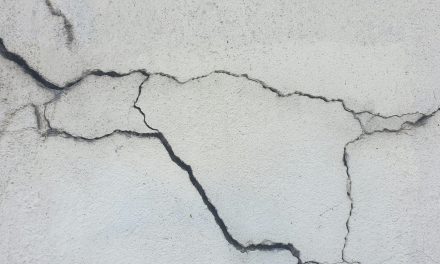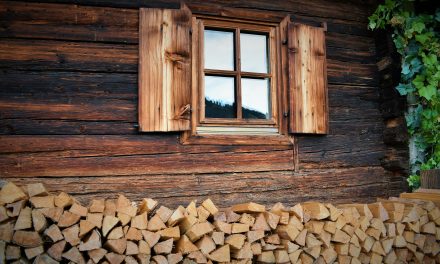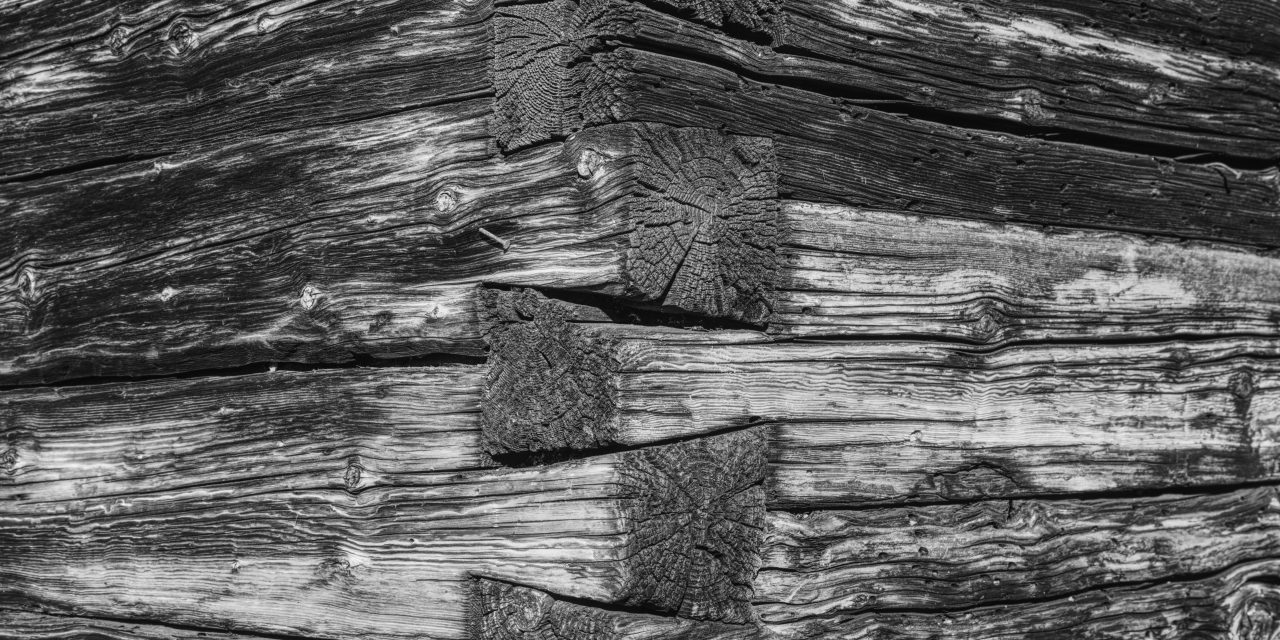
Log homes, with their rustic charm and natural aesthetics, require diligent maintenance to ensure longevity and structural integrity. One of the most critical aspects of log home upkeep is inspecting and sealing cracks that may develop over time. These fissures can arise due to natural settling, temperature fluctuations, or moisture infiltration. Regular inspections should be conducted at least twice a year, ideally in spring and fall, to identify any emerging cracks.
When inspecting, homeowners should look for signs of water damage, mold growth, or insect activity around the cracks. A thorough examination involves checking both the exterior and interior surfaces of the logs. Once identified, sealing these cracks is paramount to prevent further deterioration. High-quality sealants specifically designed for log homes should be utilized, as they provide flexibility and durability against the elements. The application process typically involves cleaning the crack thoroughly, applying a primer if necessary, and then filling it with a suitable sealant. This proactive approach not only enhances the aesthetic appeal but also fortifies the structure against moisture intrusion.
When it comes to log home repairs, it’s essential to consider not only the structural integrity of your home but also the potential for wildlife intrusions. For instance, raccoons and squirrels can cause significant damage if they gain access to your attic. To learn more about preventing these unwanted guests, check out this informative article on how to keep raccoons and squirrels out of the attic: How to Keep Raccoons and Squirrels Out of the Attic. Taking proactive measures can help protect your log home from both repairs and wildlife-related issues.
Treating and Preventing Wood Rot
Wood rot is a pervasive issue that can compromise the integrity of log structures if left untreated. It occurs when wood is exposed to excessive moisture, leading to fungal growth that breaks down the cellulose fibers in the wood. To combat this, it is essential to implement preventive measures alongside treatment strategies. Regular inspections should focus on areas prone to moisture accumulation, such as around windows, doors, and roof overhangs.
To treat existing wood rot, affected areas must be removed and replaced with sound wood. This process often involves cutting out the rotted sections and ensuring that the surrounding wood is dry and free from decay. After replacement, applying a wood preservative can help protect against future rot. Additionally, maintaining proper drainage around the home and ensuring adequate ventilation in crawl spaces can significantly reduce moisture levels, thereby preventing wood rot from occurring in the first place.
Re-caulking and Chinking for Energy Efficiency

Re-caulking and chinking are essential practices for enhancing energy efficiency in log homes. Over time, the caulking and chinking materials can degrade due to exposure to UV rays, temperature changes, and moisture. This degradation can lead to air leaks, resulting in increased energy costs and reduced comfort levels within the home.
To effectively re-calk and chink, homeowners should first remove any old or deteriorated materials using a putty knife or chisel. The surfaces must then be cleaned thoroughly to ensure proper adhesion of new materials. High-quality caulking compounds designed for log homes should be applied in a continuous bead to fill gaps effectively. For chinking, a thicker material that resembles mortar is used between logs to create a tight seal while allowing for some movement. This process not only improves energy efficiency but also enhances the overall aesthetic appeal of the home.
Repairing or Replacing Damaged Logs

Log damage can occur due to various factors such as insect infestations, moisture exposure, or physical impacts. Addressing these issues promptly is crucial to maintaining the structural integrity of the home. When repairing or replacing damaged logs, it is essential to assess the extent of the damage first. Minor surface damage may be treated with epoxy fillers or wood consolidants that restore strength without requiring full log replacement.
In cases where logs are severely compromised, replacement may be necessary. This process involves carefully removing the damaged log while ensuring minimal disruption to adjacent logs. New logs should match the original in species and dimensions for seamless integration. Once installed, they should be treated with preservatives to protect against future decay and insect activity. Regular maintenance checks can help identify potential issues early on, allowing for timely interventions.
If you’re looking to maintain the beauty and integrity of your log home, understanding the necessary repairs is essential. A helpful resource on this topic can be found in an article that discusses various techniques and tips for log home maintenance. You can read more about it in this informative piece on log home repairs, which provides insights that can help you preserve your home’s charm while ensuring its longevity.
Maintaining Roof Integrity and Gutters
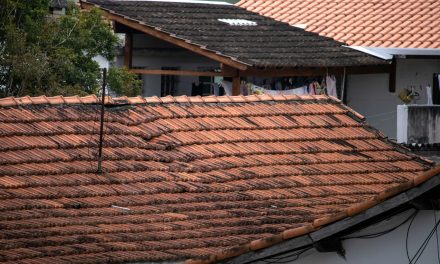
The roof of a log home plays a vital role in protecting the structure from environmental elements. Regular maintenance is essential to ensure its integrity remains intact over time. Homeowners should inspect roofs for missing shingles, signs of leaks, or sagging areas at least twice a year. Cleaning gutters is equally important; clogged gutters can lead to water overflow, which may damage both the roof and the logs below.
To maintain roof integrity, it is advisable to trim overhanging branches that could cause physical damage during storms or high winds. Additionally, applying a protective coating to shingles can extend their lifespan by providing resistance against UV rays and moisture penetration. Regularly clearing debris from gutters ensures proper drainage and prevents water from pooling around the foundation.
Addressing Foundation Settling and Cracks
Foundation settling is a common issue in log homes that can lead to significant structural problems if not addressed promptly. Signs of settling may include uneven floors, cracks in walls or ceilings, and doors that do not close properly. Homeowners should conduct regular inspections of their foundation for any visible cracks or shifts in alignment.
To address foundation issues, it may be necessary to consult with a structural engineer who can assess the extent of settling and recommend appropriate solutions. Common remedies include underpinning techniques that stabilize the foundation or installing piers to support settling areas. Additionally, ensuring proper drainage around the foundation can prevent excess moisture from exacerbating settling issues.
Cleaning and Treating Exterior Surfaces
The exterior surfaces of log homes require regular cleaning and treatment to preserve their appearance and protect against environmental damage. Accumulated dirt, mold, and mildew can detract from the home’s aesthetic appeal while also promoting decay if left untreated. A gentle cleaning solution specifically formulated for log homes should be used to avoid damaging the wood.
After cleaning, applying a protective treatment such as a stain or sealant can enhance the wood’s natural beauty while providing a barrier against moisture and UV rays. These treatments should be reapplied every few years based on exposure levels and environmental conditions. Regular maintenance not only prolongs the life of the logs but also enhances curb appeal.
Checking and Repairing Window and Door Seals
Windows and doors are critical components of any log home that contribute significantly to energy efficiency and comfort levels within the living space. Over time, seals around windows and doors may deteriorate due to weather exposure or wear and tear. Regular inspections should focus on identifying gaps or drafts that could lead to energy loss.
To repair seals effectively, homeowners should remove old caulking or weather stripping before applying new materials designed for energy efficiency. High-quality weather stripping can significantly reduce air infiltration while enhancing comfort levels indoors. Additionally, ensuring that windows are properly aligned can prevent unnecessary wear on seals.
Pest Control: Protecting Against Insects and Rodents
Pest control is an essential aspect of maintaining a log home due to its susceptibility to insect infestations such as termites or carpenter ants. Regular inspections should focus on identifying signs of pest activity, including droppings or damaged wood. Implementing preventive measures such as treating logs with insecticides can deter pests from establishing colonies.
In cases where infestations are detected, immediate action is necessary to mitigate damage. Professional pest control services may be required for effective eradication of pests while ensuring minimal disruption to the home environment. Additionally, maintaining proper ventilation and reducing moisture levels can help prevent pest attraction.
Maintaining Heating Systems and Chimneys
Heating systems are vital for comfort during colder months in log homes; therefore, regular maintenance is crucial for optimal performance. Homeowners should schedule annual inspections of heating systems by qualified technicians who can assess efficiency levels and identify potential issues before they escalate.
Chimneys also require regular cleaning to prevent creosote buildup that could lead to chimney fires or reduced airflow. A professional chimney sweep should be engaged at least once a year to ensure safe operation. Proper maintenance of heating systems and chimneys not only enhances safety but also contributes to energy efficiency.
Regular Interior Maintenance to Preserve Comfort
Interior maintenance is equally important in preserving comfort within a log home environment. Regular cleaning of surfaces helps prevent dust accumulation while promoting a healthy living space. Additionally, checking for signs of moisture intrusion or mold growth is essential for maintaining indoor air quality.
Homeowners should also consider periodic inspections of insulation levels within walls and attics to ensure optimal thermal performance throughout all seasons. Addressing any gaps in insulation can significantly enhance energy efficiency while improving overall comfort levels indoors.
In summary, maintaining a log home requires diligent attention across various aspects including inspecting seals, treating wood rot, ensuring roof integrity, addressing foundation issues, pest control measures, heating system maintenance, and regular interior upkeep. By implementing these strategies proactively, homeowners can preserve their log home’s beauty while ensuring its longevity for generations to come.
### FAQ Section
1. **How often should I inspect my log home?**
– It is recommended to inspect your log home at least twice a year—once in spring and once in fall—to identify any potential issues early on.
2. **What are signs of wood rot?**
– Signs include discoloration of wood, soft spots when pressed, mold growth, or a musty odor emanating from affected areas.
3. **How do I know if my logs need replacing?**
– If you notice extensive decay or structural compromise that cannot be repaired with fillers or consolidants, replacement may be necessary.
4. **What type of sealant is best for log homes?**
– Look for high-quality sealants specifically designed for log homes that offer flexibility and durability against environmental factors.
5. **How can I prevent pests from invading my log home?**
– Regular inspections combined with preventive treatments using insecticides can deter pests from establishing colonies within your logs.
6. **What maintenance does my heating system require?**
– Schedule annual inspections by qualified technicians who can assess efficiency levels and identify potential issues before they escalate.
7. **How often should I clean my gutters?**
– Gutters should be cleaned at least twice a year—more frequently if you have overhanging trees that shed leaves or debris.
8. **What should I do if I find cracks in my foundation?**
– Consult with a structural engineer who can assess the extent of settling and recommend appropriate solutions such as underpinning techniques.
9. **How do I maintain my roof?**
– Conduct regular inspections for missing shingles or leaks and clear debris from gutters to ensure proper drainage.
10. **What are effective treatments for wood rot?**
– Remove affected areas and replace them with sound wood; apply wood preservatives afterward to protect against future decay.
In conclusion, maintaining a log home involves comprehensive care across multiple facets—from sealing cracks to pest control—ensuring both aesthetic appeal and structural integrity are preserved over time.
FAQs
What are common issues that require log home repairs?
Common issues that require log home repairs include water damage, insect infestations, rot, cracks in the logs, and deterioration of the sealants. These problems can arise due to exposure to the elements, lack of maintenance, or poor construction practices.
How can I identify water damage in my log home?
Water damage in a log home can be identified by looking for signs such as discoloration on the logs, mold or mildew growth, soft or spongy wood, and peeling or bubbling finishes. Additionally, check for leaks around windows and doors, as well as in the roof and foundation.
What maintenance can prevent the need for log home repairs?
Regular maintenance can significantly reduce the need for repairs. This includes inspecting the logs for signs of damage, applying protective sealants, cleaning gutters and downspouts, ensuring proper drainage around the foundation, and treating the wood for pests. Regularly checking for and addressing any issues promptly can help maintain the integrity of the home.
Can I perform log home repairs myself, or should I hire a professional?
While some minor repairs can be performed by homeowners with basic DIY skills, it is often advisable to hire a professional for more extensive repairs, especially those involving structural integrity or specialized treatments. Professionals have the experience and tools necessary to ensure repairs are done correctly and safely.
What materials are typically used for log home repairs?
Materials commonly used for log home repairs include epoxy for filling cracks, wood preservatives to treat rot and insect damage, sealants for weatherproofing, and replacement logs made from similar wood species. Additionally, tools such as chisels, saws, and sanders may be needed for the repair process.