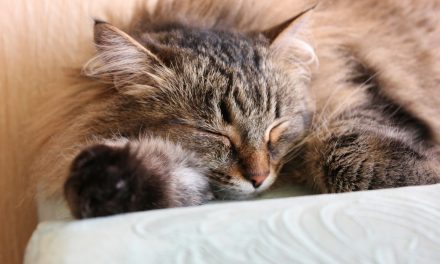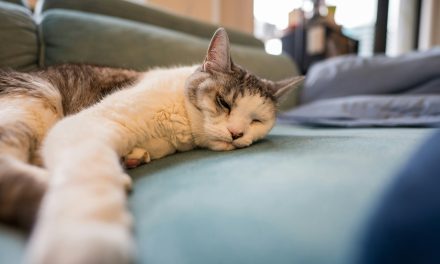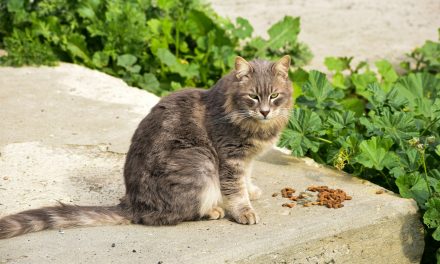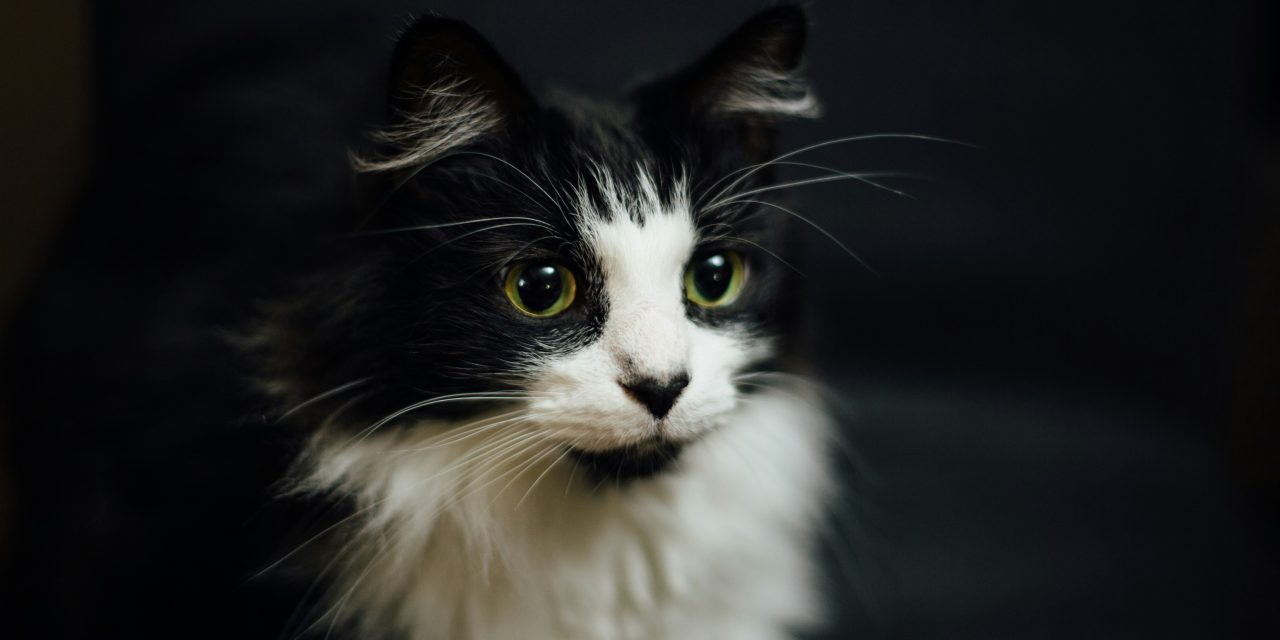
As felines age, their physiological and psychological requirements evolve significantly. Senior cats, typically defined as those aged 11 years and older, experience a range of changes that necessitate tailored care. Their metabolic rates decline, leading to potential weight gain or loss, while their sensory perceptions—such as sight and hearing—may diminish. Additionally, older cats often face an increased risk of chronic health conditions, including renal disease, hyperthyroidism, and arthritis. Understanding these unique needs is crucial for ensuring a high quality of life for our aging companions.
Moreover, senior cats may exhibit behavioral changes that reflect their physical discomfort or cognitive decline. For instance, they might become less active or more withdrawn, indicating potential pain or anxiety. Recognizing these signs early allows for timely intervention and management. Providing a supportive environment that caters to their specific needs can significantly enhance their well-being and longevity.
Regular Veterinary Check-Ups and Screenings
Routine veterinary examinations are paramount for senior cats, as they facilitate early detection of health issues that may otherwise go unnoticed. It is recommended that cats aged 11 years and older receive veterinary check-ups at least twice a year. During these visits, veterinarians can perform comprehensive physical examinations, blood tests, and urinalysis to assess organ function and detect any abnormalities. Regular screenings for common geriatric conditions such as hyperthyroidism, diabetes mellitus, and chronic kidney disease are essential components of preventive care.
In addition to physical assessments, veterinarians can provide valuable insights into behavioral changes and dietary adjustments necessary for aging cats. They may recommend specific vaccinations or parasite control measures tailored to the senior population. By establishing a consistent veterinary care routine, pet owners can ensure their feline companions receive the necessary attention to maintain optimal health throughout their golden years.
Providing a Balanced and Age-Appropriate Diet

Nutrition plays a pivotal role in the health of senior cats. As they age, their dietary requirements shift; thus, it is essential to provide a balanced diet that meets their specific needs. Senior cat food formulations typically contain lower calories to prevent obesity while ensuring adequate protein levels to maintain muscle mass. Additionally, these diets often include enhanced levels of omega-3 fatty acids, antioxidants, and fiber to support overall health and digestive function.
Hydration is another critical aspect of nutrition for older felines. Many senior cats are prone to dehydration due to decreased thirst drive or underlying health issues. Encouraging water intake can be achieved through various methods, such as providing fresh water daily, incorporating wet food into their diet, or using pet water fountains that entice them to drink more frequently. Consulting with a veterinarian about the most suitable dietary options can help ensure that senior cats receive the nutrients necessary for their well-being.
Maintaining a Comfortable and Safe Living Environment

Creating a comfortable living environment is essential for the well-being of senior cats. As they age, mobility may decline due to arthritis or other joint issues, making it crucial to provide easy access to essential areas such as litter boxes, food bowls, and resting spots. Elevating food and water dishes can alleviate strain on their joints while ensuring they remain accessible.
Safety is another critical consideration in the living environment of senior felines. Removing hazards such as toxic plants, small objects that could be ingested, or slippery surfaces can prevent accidents and injuries. Providing cozy resting areas with soft bedding can help alleviate discomfort associated with aging joints. Additionally, maintaining a calm atmosphere free from loud noises or sudden disturbances can significantly reduce stress levels in older cats.
Encouraging Gentle Exercise and Mental Stimulation
While senior cats may not exhibit the same level of energy as younger counterparts, gentle exercise remains vital for maintaining physical health and mental acuity. Engaging in low-impact activities such as interactive play sessions with feather wands or laser pointers can stimulate both physical movement and cognitive engagement. Short bursts of playtime can help prevent obesity while promoting muscle tone and joint flexibility.
Mental stimulation is equally important for senior felines. Puzzle toys that dispense treats or food can challenge their problem-solving skills while keeping them entertained. Additionally, providing opportunities for exploration—such as cat trees or window perches—can encourage curiosity and mental engagement. Regular interaction with caregivers through gentle petting or grooming sessions can also foster emotional bonds and reduce feelings of isolation.
Monitoring and Managing Chronic Health Conditions
Chronic health conditions are prevalent among senior cats and require vigilant monitoring by pet owners. Common ailments include chronic kidney disease (CKD), hyperthyroidism, diabetes mellitus, and arthritis. Regular veterinary check-ups are essential for assessing the progression of these conditions and adjusting treatment plans accordingly.
Management strategies may involve medication administration, dietary modifications, or lifestyle changes tailored to the specific condition. For instance, cats diagnosed with CKD may benefit from a specialized renal diet low in phosphorus and protein while ensuring adequate hydration. In cases of hyperthyroidism, antithyroid medications such as methimazole may be prescribed to regulate thyroid hormone levels. Collaborating closely with a veterinarian ensures that chronic health conditions are effectively managed, allowing senior cats to maintain a good quality of life.
Ensuring Proper Dental Care for Senior Cats
Dental health is often overlooked in feline care but is crucial for overall well-being, especially in senior cats. Periodontal disease is prevalent among older felines and can lead to pain, tooth loss, and systemic health issues if left untreated. Regular dental check-ups should be part of routine veterinary visits to assess oral health and identify any signs of dental disease.
At-home dental care is equally important; pet owners should consider incorporating dental treats or toys designed to promote oral hygiene into their cat’s routine. Additionally, regular tooth brushing with feline-specific toothpaste can help prevent plaque buildup and maintain healthy gums. Addressing dental issues promptly can significantly enhance a senior cat’s quality of life by alleviating pain and preventing complications associated with poor oral health.
Grooming Tips for Older Felines
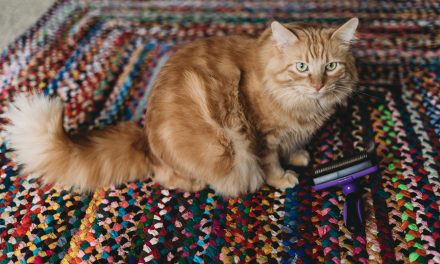
Grooming becomes increasingly important as cats age due to potential mobility limitations and decreased grooming behavior. Senior cats may struggle to groom themselves effectively, leading to matting or skin issues. Regular brushing not only helps maintain coat health but also provides an opportunity for pet owners to check for lumps, bumps, or skin irritations.
When grooming senior felines, it is essential to use gentle techniques and appropriate tools tailored to their coat type. Long-haired breeds may require more frequent brushing to prevent tangles, while short-haired cats benefit from occasional grooming sessions to remove loose fur. Bathing should be approached cautiously; if necessary, using waterless shampoos designed for cats can help maintain cleanliness without causing stress.
Recognizing Behavioral Changes and Addressing Anxiety
Behavioral changes in senior cats can often signal underlying health issues or emotional distress. Pet owners should be vigilant in observing any alterations in behavior—such as increased vocalization, hiding, or changes in litter box habits—as these may indicate discomfort or anxiety. Cognitive dysfunction syndrome (CDS) is also a concern in aging felines; symptoms may include disorientation or disrupted sleep patterns.
Addressing anxiety in senior cats requires a multifaceted approach. Providing safe spaces where they can retreat when feeling overwhelmed is essential. Environmental enrichment through interactive toys or calming pheromone diffusers can help alleviate stress levels. In some cases, veterinarians may recommend anti-anxiety medications or supplements designed specifically for feline use to support emotional well-being.
Supporting Joint Health and Mobility
Joint health is a significant concern for senior cats due to the prevalence of arthritis and other degenerative joint diseases. Signs of discomfort may include difficulty jumping or climbing stairs, reluctance to engage in play, or changes in grooming behavior due to pain. Supporting joint health involves a combination of dietary interventions, weight management, and appropriate exercise.
Veterinarians may recommend joint supplements containing glucosamine and chondroitin sulfate to promote cartilage health and reduce inflammation in affected joints. Additionally, maintaining an optimal weight is crucial; excess weight places additional strain on joints and exacerbates discomfort. Gentle exercise routines tailored to the cat’s abilities can help maintain mobility while promoting overall fitness.
Creating a Loving and Stress-Free Atmosphere for Your Senior Cat
A loving environment is fundamental for the emotional well-being of senior cats. Providing consistent routines helps create a sense of security; feeding times, play sessions, and quiet moments should occur at predictable intervals throughout the day. Offering affection through gentle petting or quiet companionship fosters emotional bonds that contribute positively to their mental state.
Minimizing stressors within the home environment is equally important; sudden changes—such as new pets or alterations in household dynamics—can be unsettling for older felines. Creating designated quiet spaces equipped with comfortable bedding allows them to retreat when feeling overwhelmed. By prioritizing emotional support alongside physical care, pet owners can significantly enhance the quality of life for their senior feline companions.
In summary, caring for senior cats requires an understanding of their unique needs encompassing regular veterinary check-ups, balanced nutrition, comfortable living environments, gentle exercise routines, chronic condition management, dental care, grooming practices, behavioral monitoring, joint support, and emotional nurturing. By addressing these aspects holistically, pet owners can ensure their aging companions enjoy fulfilling lives well into their golden years.
FAQs
What age is considered senior for cats?
A cat is generally considered a senior when they reach the age of 7 years. However, some breeds may age differently, and larger breeds may be considered senior at an earlier age.
What are common health issues in senior cats?
Senior cats are prone to various health issues, including arthritis, dental disease, kidney disease, hyperthyroidism, and diabetes. Regular veterinary check-ups are essential for early detection and management of these conditions.
How can I care for my senior cat?
Caring for a senior cat involves providing a balanced diet tailored to their age, ensuring they have comfortable resting areas, maintaining regular veterinary visits, and monitoring their behavior for any changes that may indicate health issues.
Do senior cats require special diets?
Yes, senior cats often benefit from diets formulated specifically for their age group. These diets typically have adjusted protein levels, added vitamins, and minerals to support their health and manage weight, as older cats may be less active.
How can I keep my senior cat active?
To keep a senior cat active, engage them in gentle play with interactive toys, provide climbing structures, and encourage short play sessions. It’s important to tailor activities to their physical capabilities and monitor for any signs of discomfort.