Food shelf life is a critical concept that encompasses the duration during which food remains safe to consume while retaining its optimal quality. This timeframe is influenced by various factors, including the type of food, storage conditions, and packaging. Understanding food shelf life is essential for minimizing waste, ensuring food safety, and making informed purchasing decisions. The implications of food spoilage extend beyond mere inconvenience; they can lead to foodborne illnesses and significant economic losses.
The shelf life of food products is typically categorized into three main classifications: “best by,” “sell by,” and “use by” dates. These labels serve as guidelines for consumers, but they can often lead to confusion. For instance, the “best by” date indicates when a product is expected to maintain its peak quality, while the “use by” date signifies the last day a product should be consumed for safety reasons. Understanding these distinctions can empower consumers to make better choices regarding food consumption and storage.
Understanding the shelf life of various foods is crucial for maintaining their quality and safety. For those interested in meal prep and storage, a related article that provides valuable insights is available at 7 Easy Freezer-Friendly Chili Recipes & Tips to Prepare & Store. This article not only offers delicious chili recipes but also shares essential tips on how to properly freeze and store meals to maximize their shelf life.
Fresh Fruits: How Long Do They Stay Edible?
Fresh fruits are a cornerstone of a healthy diet, packed with essential vitamins, minerals, and antioxidants. However, their shelf life can vary significantly based on the type of fruit and storage conditions. For instance, berries such as strawberries and raspberries typically last only 3 to 7 days when refrigerated due to their high moisture content and susceptibility to mold. In contrast, apples can remain fresh for several weeks to months when stored in a cool, dark place.
To maximize the longevity of fresh fruits, proper storage techniques are paramount. Fruits should be kept in breathable containers to allow for air circulation while preventing moisture accumulation. Additionally, separating ethylene-producing fruits like bananas from other produce can help slow down ripening and spoilage. Regularly inspecting fruits for signs of decay and promptly removing any spoiled items can also extend the overall shelf life of the remaining produce.
Vegetables: Shelf Life and Storage Tips

Vegetables are vital components of a balanced diet, providing essential nutrients and fiber. However, their shelf life can vary widely depending on the type of vegetable and how they are stored. Leafy greens such as spinach and lettuce typically last only 3 to 7 days in the refrigerator, while root vegetables like carrots and potatoes can remain edible for several weeks or even months under optimal conditions.
To prolong the freshness of vegetables, it is crucial to store them properly. Most vegetables should be kept in the crisper drawer of the refrigerator, where humidity levels are higher. Wrapping leafy greens in damp paper towels before placing them in a plastic bag can help maintain moisture levels. Additionally, blanching vegetables before freezing can preserve their color, texture, and nutritional value, allowing for extended storage periods.
Dairy products are staples in many households, providing essential nutrients such as calcium and protein. However, understanding expiration dates versus actual longevity is vital for ensuring safety and quality. Milk, for example, typically has a “sell by” date that indicates when it should be consumed for optimal freshness. However, if stored correctly at or below 40°F (4°C), milk can often remain safe to drink for up to a week beyond this date.
Cheeses exhibit varying shelf lives depending on their type. Hard cheeses like Parmesan can last several months when stored properly, while soft cheeses such as ricotta may only last about a week after opening. To extend the shelf life of dairy products, it is essential to keep them tightly sealed and stored at appropriate temperatures. Regularly checking for signs of spoilage, such as off odors or changes in texture, can help prevent foodborne illnesses.
Meat and Poultry: Safe Consumption Timeframes

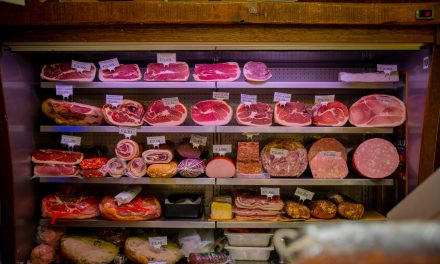
Meat and poultry are significant sources of protein but require careful handling due to their susceptibility to bacterial contamination. The shelf life of these products varies based on factors such as type and storage conditions. Fresh poultry typically lasts 1 to 2 days in the refrigerator, while beef can remain safe for 3 to 5 days when stored correctly.
To ensure safe consumption of meat and poultry, it is crucial to adhere to proper storage guidelines. Keeping these products at temperatures below 40°F (4°C) is essential for inhibiting bacterial growth. Freezing meat can significantly extend its shelf life; for instance, ground beef can be frozen for up to 4 months without compromising quality. Thawing should always be done in the refrigerator or using cold water methods to minimize the risk of bacterial proliferation.
Understanding the shelf life of various materials is crucial for maintaining their effectiveness and safety, especially in the context of home maintenance. For instance, if you’re considering the longevity of roofing materials after a severe thunderstorm, it’s important to know how to inspect your roof properly. You can find valuable insights in this article on how to inspect your roof after extreme weather, which can help you determine if your roofing materials are still reliable or if they need replacement.
Bread and Bakery Items: Preventing Mold and Staleness
Bread and bakery items are beloved staples in many diets but are prone to mold growth and staleness if not stored correctly. The shelf life of bread varies depending on its type; commercially produced white bread may last about 5 to 7 days at room temperature, while artisanal breads may have shorter lifespans due to fewer preservatives.
To prevent mold growth and staleness, it is advisable to store bread in a cool, dry place away from direct sunlight. For longer-term storage, freezing bread is an effective solution; it can maintain its quality for up to 3 months when wrapped tightly in plastic or aluminum foil. Toasting or reheating frozen bread can restore its texture and flavor upon consumption.
Canned Goods: How Long Are They Truly Safe?
Canned goods are often lauded for their long shelf life and convenience. However, understanding how long they remain safe for consumption is crucial for avoiding foodborne illnesses. Most canned goods have a shelf life of 2 to 5 years when stored in a cool, dry place; however, they can often remain safe beyond this timeframe if the cans are intact and free from rust or bulging.
To ensure safety when consuming canned goods, it is essential to inspect cans before use. Any signs of damage or bulging should prompt immediate disposal of the product. Additionally, once opened, canned goods should be transferred to airtight containers and refrigerated; they typically last about 3 to 4 days in this state.
Frozen Foods: Maintaining Quality Over Time
Frozen foods offer convenience and extended shelf life but require proper handling to maintain quality over time. Most frozen foods can remain safe indefinitely if kept at 0°F (-18°C) or lower; however, quality may deteriorate over time due to freezer burn or loss of flavor.
To preserve the quality of frozen foods, it is essential to use airtight packaging that minimizes exposure to air and moisture. Labeling items with dates can help track their storage duration effectively. Thawing frozen foods should always be done safely—preferably in the refrigerator or using microwave settings designed for defrosting—to prevent bacterial growth.
Dry Goods and Grains: Storage and Shelf Life Insights
Dry goods such as rice, pasta, and legumes are pantry staples with varying shelf lives based on their type and storage conditions. White rice can last indefinitely when stored properly in airtight containers; however, brown rice has a shorter shelf life due to its higher oil content—typically lasting about 6 months.
To maximize the longevity of dry goods and grains, it is crucial to store them in cool, dark places away from moisture and pests. Using vacuum-sealed bags or airtight containers can help prevent spoilage caused by humidity or insect infestations. Regularly checking for signs of spoilage—such as off odors or discoloration—can help ensure that these pantry staples remain safe for consumption.
Snacks and Packaged Foods: Decoding Expiration Dates
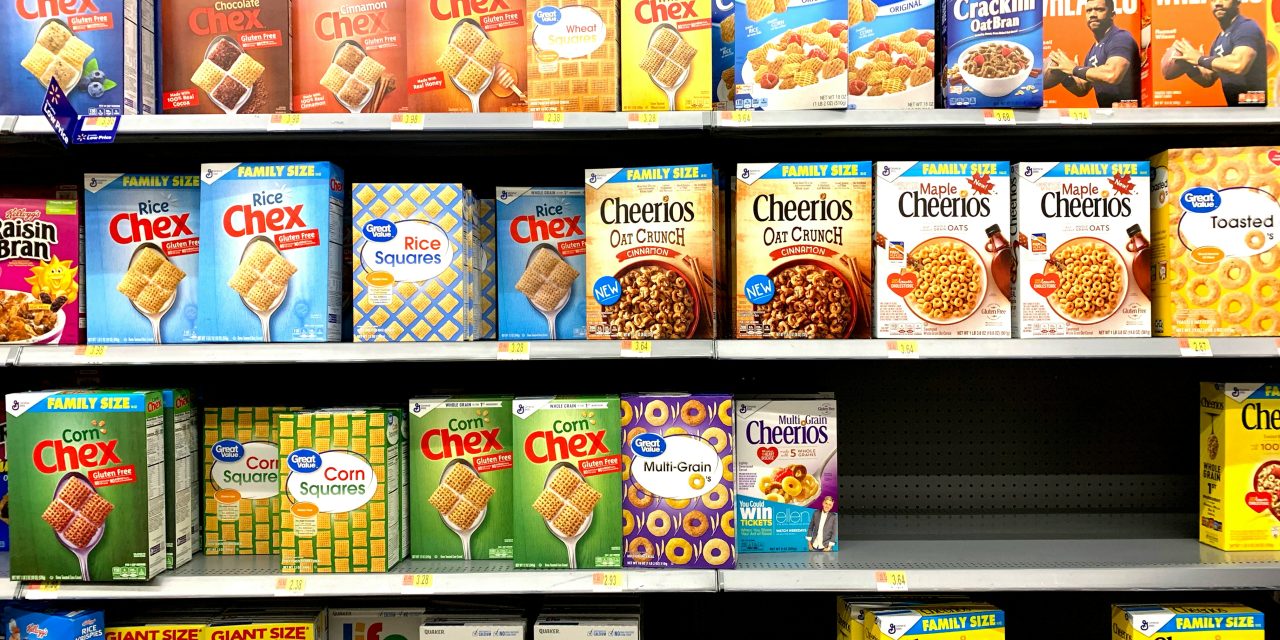
Snacks and packaged foods often come with expiration dates that can be misleading if not understood correctly. Many snacks retain their quality well beyond their “best by” dates; for instance, unopened bags of chips may remain edible for several months after this date if stored properly.
To ensure safety when consuming snacks and packaged foods, it is essential to inspect items before use. Signs of spoilage may include off odors or changes in texture. Proper storage—keeping snacks in cool, dry places—can also help extend their shelf life significantly.
Best Practices for Extending Food Shelf Life
In conclusion, understanding food shelf life is vital for ensuring safety and minimizing waste in our kitchens. By employing proper storage techniques tailored to each food category—fruits, vegetables, dairy products, meats, baked goods, canned items, frozen foods, dry goods, snacks—we can significantly extend their longevity while maintaining quality.
Regularly checking expiration dates and inspecting items for signs of spoilage will empower consumers to make informed decisions about food consumption. By adopting best practices in food storage and handling, we not only enhance our culinary experiences but also contribute positively to our health and well-being.
In summary:
– Food shelf life varies by category; understanding this helps reduce waste.
– Proper storage techniques are crucial for extending longevity.
– Regular inspections for spoilage ensure safety.
– Knowledge empowers consumers to make informed choices regarding food consumption.
By implementing these strategies into daily routines, individuals can enjoy fresher food while minimizing health risks associated with spoiled items.
FAQs
What is shelf life?
Shelf life refers to the length of time that a product, particularly food or pharmaceuticals, remains usable, safe, and effective when stored under specified conditions. It is determined by factors such as the product’s composition, packaging, and storage environment.
How is shelf life determined?
Shelf life is determined through various methods, including stability testing, which assesses how a product’s quality changes over time under different conditions. Manufacturers conduct these tests to establish expiration dates and ensure safety and efficacy for consumers.
What factors affect the shelf life of products?
Several factors can affect the shelf life of products, including temperature, humidity, light exposure, and the type of packaging used. Additionally, the chemical composition of the product, such as preservatives and moisture content, also plays a significant role in determining its longevity.
How can I extend the shelf life of food items?
To extend the shelf life of food items, store them in a cool, dry place, use airtight containers, and keep them away from direct sunlight. Additionally, freezing or canning can significantly prolong the shelf life of many foods, while regularly checking for spoilage can help prevent waste.
What is the difference between “best by,” “sell by,” and “use by” dates?
“Best by” dates indicate when a product is expected to be at its peak quality, while “sell by” dates are meant for retailers to manage inventory and ensure freshness. “Use by” dates are the last date recommended for the use of the product while it is at its best quality, particularly for perishable items. These dates are not necessarily indicators of safety but rather quality.