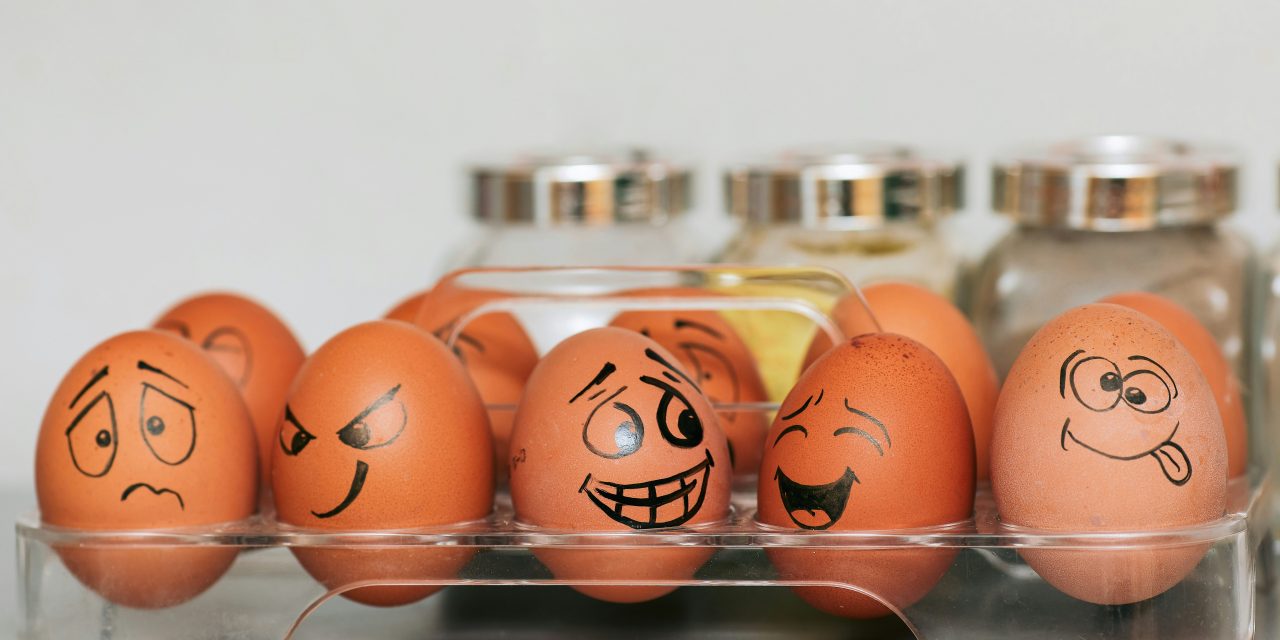
Eggs are a staple in many households, prized for their versatility and nutritional value. Understanding the shelf life of eggs is crucial for ensuring food safety and maximizing their culinary potential. The shelf life of eggs can be influenced by various factors, including storage conditions, the age of the eggs at purchase, and the method of handling. Generally, eggs can remain safe for consumption for several weeks to months if stored properly. However, it is essential to recognize that the quality of eggs diminishes over time, even if they remain safe to eat.
The concept of egg shelf life encompasses both the safety and quality aspects of eggs. While eggs may not pose a health risk after their expiration date, their taste and texture may deteriorate significantly. This article aims to provide a comprehensive understanding of egg shelf life, including how long eggs last in the refrigerator, factors affecting freshness, proper storage techniques, and methods to determine if an egg has gone bad.
When considering the shelf life of eggs, refrigeration plays a crucial role in extending their freshness and safety for consumption. A related article that explores various aspects of food preservation and safety can be found at this link. Proper storage techniques, including maintaining a consistent refrigerator temperature, can significantly impact the longevity of eggs, ensuring they remain safe to eat for a longer period.
How Long Do Eggs Last in the Fridge?
When stored in the refrigerator, eggs can maintain their quality for an extended period. Typically, fresh eggs can last anywhere from three to five weeks beyond the purchase date when kept at a consistent temperature of 40°F (4°C) or lower. The USDA recommends that consumers use eggs within three weeks of the sell-by date for optimal freshness. However, it is essential to note that eggs can still be safe to consume beyond this timeframe if they have been stored correctly.
The longevity of eggs can also depend on their initial quality at the time of purchase. Farm-fresh eggs may have a shorter shelf life compared to commercially produced eggs due to differences in handling and processing. Additionally, hard-boiled eggs can last up to one week in the refrigerator, while egg dishes such as quiches or casseroles should be consumed within three to four days after preparation.
Factors Affecting Egg Freshness

Several factors contribute to the freshness of eggs, including age, storage conditions, and handling practices. The age of the egg at the time of purchase plays a significant role; fresher eggs typically have a firmer white and a round yolk, while older eggs may exhibit a flatter white and a yolk that is less buoyant. The presence of air cells within the egg increases as it ages, leading to changes in texture and flavor.
Storage conditions are equally important in determining egg freshness. Eggs should be stored in their original carton to protect them from absorbing odors and flavors from other foods in the refrigerator. Additionally, maintaining a consistent temperature is crucial; fluctuations can lead to condensation on the shell, promoting bacterial growth. Handling practices, such as washing eggs before storage or leaving them out at room temperature for extended periods, can also negatively impact freshness.
Proper Storage Techniques for Eggs

To maximize the shelf life of eggs, proper storage techniques are essential. First and foremost, eggs should be stored in their original carton rather than transferred to a different container. The carton helps protect the eggs from light and odors while also preventing moisture loss. It is advisable to place the carton on a middle shelf in the refrigerator rather than in the door, where temperatures can fluctuate more significantly.
Additionally, it is crucial to keep eggs at a consistent temperature below 40°F (4°C). Avoid washing eggs before storage, as this can remove the protective bloom that helps keep bacteria out. If you must wash them, do so just before use and ensure they are dried thoroughly. Lastly, consider labeling your egg carton with the purchase date to keep track of freshness and ensure timely consumption.
Understanding the shelf life of eggs when refrigerated is crucial for maintaining food safety and quality. A recent article discusses various factors that influence how long eggs can last in the fridge, emphasizing the importance of proper storage techniques. For more insights on this topic, you can read the article on egg storage practices here. Proper refrigeration not only extends the freshness of eggs but also helps prevent foodborne illnesses, making it essential for every kitchen.
How to Tell if an Egg Has Gone Bad
Determining whether an egg has gone bad is vital for food safety. There are several methods to assess egg freshness visually and through sensory evaluation. First, inspect the shell for any cracks or unusual discoloration; these can indicate bacterial contamination. A fresh egg will have a clean, unblemished shell.
Another effective method is the sniff test; if an egg emits an unpleasant odor upon cracking it open, it should be discarded immediately. Additionally, examining the egg’s appearance can provide clues about its freshness. A fresh egg will have a firm white that holds its shape and a bright yellow yolk. In contrast, an older egg may have a watery white and a yolk that appears dull or flat.
The Role of Egg Cartons in Shelf Life
Egg cartons play a crucial role in preserving the quality and extending the shelf life of eggs. The design of an egg carton is specifically intended to protect each egg from physical damage while minimizing exposure to light and odors that could compromise freshness. Cartons made from materials such as cardboard or foam provide insulation against temperature fluctuations and help maintain humidity levels.
Moreover, egg cartons often feature expiration dates or sell-by dates that serve as guidelines for consumers regarding optimal usage. By keeping eggs in their original cartons, consumers can also avoid cross-contamination with other foods in the refrigerator. This simple yet effective storage solution significantly contributes to maintaining egg quality over time.
Differences Between Refrigerated and Room Temperature Eggs
The debate surrounding refrigerated versus room temperature eggs often centers on culinary applications and food safety considerations. In many countries, including the United States, eggs are typically washed and refrigerated shortly after collection to reduce the risk of Salmonella contamination. This practice extends their shelf life but requires consumers to keep them refrigerated until use.
Conversely, in countries where eggs are not washed before sale, they can be stored at room temperature without significant risk of spoilage. Room temperature eggs may be preferred for certain baking applications due to their ability to incorporate more easily into batters and mixtures. However, it is essential to note that once refrigerated, eggs should not be left out at room temperature for extended periods to prevent condensation and potential bacterial growth.
The Impact of Washing Eggs on Their Longevity
Washing eggs can significantly impact their longevity due to the removal of the natural protective coating known as the bloom or cuticle. This layer serves as a barrier against bacteria and moisture loss; when it is washed away, eggs become more susceptible to contamination and spoilage. In commercial settings where washing is standard practice, eggs are often refrigerated immediately after cleaning to mitigate these risks.
For home cooks, it is advisable to avoid washing eggs until just before use unless absolutely necessary. If washing is required due to visible dirt or debris, use warm water and dry them thoroughly afterward. This practice helps preserve the integrity of the protective coating while ensuring that any contaminants are removed before cooking.
Using the Float Test to Check Egg Freshness
The float test is a popular method for assessing egg freshness based on buoyancy principles. As an egg ages, air seeps into its porous shell, causing it to become less dense over time. To perform this test, fill a bowl with water and gently place the egg in question into it.
A fresh egg will sink and lay flat on the bottom; if it stands upright or floats, it indicates that air has entered the shell and that the egg is no longer fresh. While this test provides a quick visual assessment, it should be used in conjunction with other methods such as smell and appearance for a comprehensive evaluation.
Tips for Extending Egg Shelf Life
To extend the shelf life of eggs effectively, consider implementing several practical strategies:
1. **Store Properly**: Keep eggs in their original carton on a middle shelf in the refrigerator.
2. **Maintain Temperature**: Ensure your refrigerator remains consistently below 40°F (4°C).
3. **Avoid Washing**: Do not wash eggs until just before use to preserve their protective coating.
4. **Use Older Eggs First**: Organize your refrigerator so that older eggs are used before newer ones.
5. **Consider Freezing**: If you have excess eggs nearing their expiration date, consider cracking them open and freezing them in ice cube trays for later use.
6. **Monitor Dates**: Regularly check expiration dates on cartons and consume accordingly.
By following these tips, consumers can maximize their egg consumption while minimizing waste.
When to Discard Eggs: Food Safety Guidelines
Food safety guidelines dictate specific criteria for when to discard eggs to prevent foodborne illness. If an egg has an off-putting odor upon cracking or exhibits unusual discoloration or texture, it should be discarded immediately regardless of its expiration date. Additionally, if an egg floats during the float test or has been stored beyond its recommended timeframe (typically three weeks past the sell-by date), it is best to err on the side of caution and dispose of it.
Furthermore, any signs of spoilage such as slimy or discolored whites or yolks should prompt immediate disposal. It is essential for consumers to prioritize food safety by adhering to these guidelines and being vigilant about assessing egg quality regularly.
In summary, understanding egg shelf life involves recognizing various factors that influence freshness and safety. Proper storage techniques play a vital role in extending longevity while methods such as visual inspection and float tests help determine quality before consumption. By following food safety guidelines and implementing best practices for storage and handling, consumers can enjoy this nutritious food source while minimizing waste and health risks associated with spoiled products.
FAQs
What is the typical shelf life of refrigerated eggs?
The typical shelf life of refrigerated eggs is about 3 to 5 weeks from the date of purchase. However, they can remain safe to eat for several weeks beyond this period if stored properly in the refrigerator.
How can I tell if eggs are still good to eat?
You can check the freshness of eggs by performing the float test. Fill a bowl with water and gently place the egg in it. If the egg sinks and lays flat on the bottom, it is fresh. If it stands upright or floats, it is no longer good to eat.
Should eggs be washed before refrigeration?
No, eggs should not be washed before refrigeration. Washing can remove the protective coating on the eggshell, making them more susceptible to bacteria. It is best to wash eggs just before use.
Can I freeze eggs to extend their shelf life?
Yes, you can freeze eggs to extend their shelf life. However, it is recommended to crack the eggs and beat them before freezing, as whole eggs can expand and crack their shells during freezing.
What is the best way to store eggs in the refrigerator?
The best way to store eggs in the refrigerator is to keep them in their original carton on a middle shelf, where the temperature is most consistent. This helps protect the eggs from absorbing strong odors and flavors from other foods.