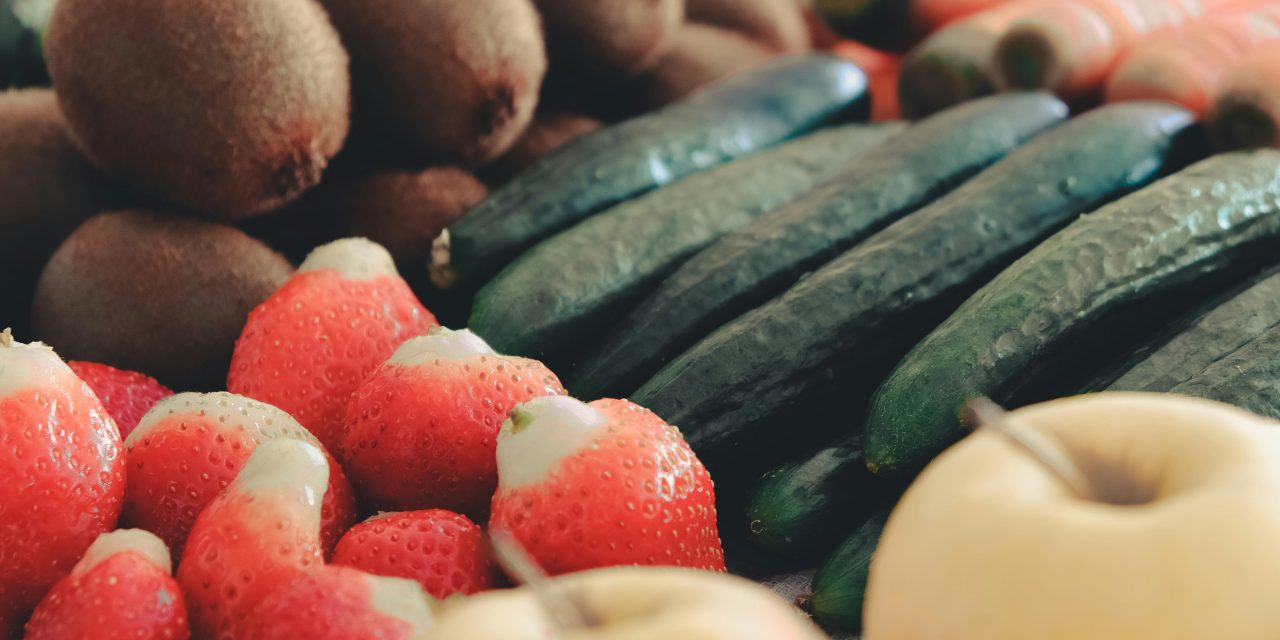
Proper storage of fruits and vegetables is essential for maintaining their freshness, flavor, and nutritional value. The degradation of produce can occur rapidly if not stored correctly, leading to spoilage and waste. Understanding the biological processes that affect fruits and vegetables is crucial. Ethylene gas, a natural plant hormone, plays a significant role in ripening and senescence. Certain fruits, such as bananas and avocados, emit higher levels of ethylene, which can accelerate the ripening of nearby produce. Therefore, recognizing which items are ethylene producers versus ethylene-sensitive is fundamental in effective storage practices.
Additionally, the cellular structure of fruits and vegetables contributes to their longevity. Fruits typically have a higher sugar content and softer texture, making them more susceptible to bruising and decay. Vegetables, on the other hand, often have a firmer structure and can last longer under appropriate conditions. Understanding these differences allows consumers to implement tailored storage strategies that maximize the shelf life of their produce.
Proper storage of fruits and vegetables is essential for maintaining their freshness and nutritional value. For those interested in understanding food storage better, you might find it helpful to read an article about the shelf life of other perishable items, such as ground beef. This article provides valuable insights into how long ground beef can be safely stored in the fridge, which can complement your knowledge of fruit and vegetable storage. You can check it out here: How Long is Ground Beef Good in the Fridge?.
Choosing the Right Storage Containers
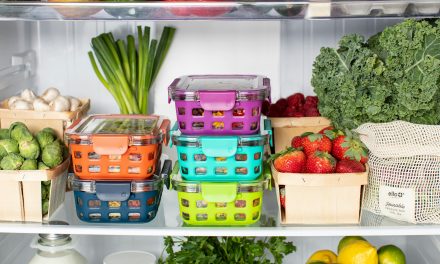
Selecting appropriate storage containers is vital for preserving the quality of fruits and vegetables. Various materials are available, including glass, plastic, and breathable bags. Glass containers are non-reactive and do not retain odors, making them ideal for storing a variety of produce. Plastic containers with ventilation holes can help regulate airflow, reducing moisture buildup that leads to mold growth. Additionally, breathable bags made from materials like mesh or perforated plastic allow for adequate air circulation while retaining moisture.
When choosing containers, consider the size and shape to accommodate different types of produce. For instance, larger items like cabbages or melons may require spacious containers, while smaller items like berries can be stored in shallow trays to prevent crushing. Furthermore, labeling containers with dates can help track freshness and ensure that older items are consumed first.
Optimal Temperature Settings for Different Produce

Temperature plays a critical role in the preservation of fruits and vegetables. Most produce thrives at temperatures between 32°F (0°C) and 41°F (5°C). However, specific items have unique temperature requirements. For example, leafy greens such as spinach and lettuce prefer cooler temperatures around 32°F (0°C), while tomatoes and peppers do best at slightly warmer temperatures around 50°F (10°C).
Understanding these temperature preferences can significantly extend the shelf life of produce. A refrigerator’s crisper drawer is typically designed to maintain optimal conditions for various fruits and vegetables. However, it is essential to monitor the temperature settings regularly to ensure they remain within the ideal range for different types of produce.
The Role of Humidity in Keeping Produce Fresh

Humidity is another critical factor influencing the freshness of fruits and vegetables. High humidity levels can help maintain moisture content in produce, preventing wilting and dehydration. Conversely, low humidity can lead to rapid moisture loss, resulting in shriveled or dried-out items. Most refrigerators have adjustable humidity settings in their crisper drawers, allowing users to create an environment conducive to specific types of produce.
For leafy greens and herbs, a high-humidity environment is beneficial as it helps retain moisture. Conversely, fruits like apples and pears thrive in lower humidity settings to prevent excessive moisture that could lead to rot. Understanding how to manipulate humidity levels can significantly enhance the longevity of stored produce.
Proper storage of fruits and vegetables is essential for maintaining their freshness and nutritional value. For those interested in enhancing their home environment, understanding how to care for houseplants can also be beneficial. You can explore this topic further in an article about low-maintenance houseplants, which can complement your efforts in creating a vibrant and healthy living space. Check out the article here: low-maintenance houseplants to discover easy-to-care-for options that can thrive alongside your fresh produce.
Storing Fruits and Vegetables Separately
One of the most effective strategies for prolonging the freshness of produce is storing fruits and vegetables separately. As mentioned earlier, many fruits emit ethylene gas during ripening, which can hasten the decay of nearby vegetables. For instance, placing apples next to leafy greens can cause the greens to wilt prematurely due to ethylene exposure.
To mitigate this issue, designate separate compartments within your refrigerator or use different storage containers for fruits and vegetables. This practice not only helps maintain the quality of each type but also minimizes waste by ensuring that items remain fresh for longer periods.
Prepping Produce Properly Before Storage
Proper preparation before storage is essential for maximizing the shelf life of fruits and vegetables. Washing produce before storage can introduce excess moisture that promotes mold growth; therefore, it is advisable to wash items just before consumption instead. Additionally, removing any damaged or bruised pieces from a batch can prevent spoilage from spreading to healthy items.
For certain vegetables like carrots or celery, trimming off any leafy tops before storage can help reduce moisture loss and prolong freshness. Wrapping delicate items like herbs in damp paper towels before placing them in a container can also help maintain their crispness.
Utilizing the Crisper Drawer Effectively
The crisper drawer in a refrigerator is specifically designed for storing fruits and vegetables under optimal conditions. To maximize its effectiveness, it is essential to understand how to utilize this space properly. Many refrigerators feature adjustable humidity settings within the crisper drawer; setting one side for high humidity (for leafy greens) and the other for low humidity (for fruits) can create an ideal environment for various produce types.
Additionally, avoid overcrowding the crisper drawer as this can restrict airflow and lead to uneven cooling. Organizing items based on their ethylene sensitivity can further enhance freshness; placing ethylene-sensitive vegetables away from ethylene-producing fruits will minimize spoilage.
Avoiding Common Storage Mistakes
Several common mistakes can undermine efforts to store fruits and vegetables effectively. One prevalent error is neglecting to check expiration dates or freshness levels regularly. Produce should be inspected frequently for signs of spoilage such as discoloration or soft spots; removing spoiled items promptly can prevent them from affecting others.
Another mistake is storing produce in plastic bags without ventilation; this can trap moisture and lead to mold growth. Instead, opt for breathable bags or containers that allow for adequate airflow while retaining necessary humidity levels.
Best Practices for Storing Herbs and Leafy Greens
Herbs and leafy greens require special attention when it comes to storage due to their delicate nature. To keep herbs fresh longer, consider placing them upright in a jar with water like a bouquet of flowers; cover loosely with a plastic bag to maintain humidity while allowing airflow. Alternatively, wrapping herbs in damp paper towels before placing them in a container can help retain moisture.
For leafy greens such as spinach or kale, storing them unwashed in a perforated bag within the crisper drawer can help maintain their crispness. If greens begin to wilt, soaking them briefly in cold water can revive their texture before consumption.
Tips for Extending Shelf Life with Freezing and Drying
Freezing and drying are excellent methods for extending the shelf life of fruits and vegetables beyond their typical storage duration. Freezing preserves nutrients effectively; however, it is essential to blanch vegetables before freezing to deactivate enzymes that may cause loss of flavor or color over time. For fruits, washing, peeling (if necessary), and cutting into appropriate sizes before freezing will yield better results.
Drying is another effective preservation method that removes moisture from produce, inhibiting microbial growth. Dehydrators or conventional ovens set at low temperatures can be used for this purpose. Properly dried fruits and vegetables should be stored in airtight containers in a cool, dark place to maintain quality.
Regularly Checking and Rotating Stored Produce
Regularly checking stored produce is crucial for maintaining freshness and minimizing waste. Implementing a rotation system—where older items are placed at the front while newer ones are stored at the back—ensures that nothing goes unnoticed until it spoils. This practice not only helps keep track of freshness but also encourages timely consumption of perishable items.
In addition to rotation, periodic inspections should be conducted to identify any signs of spoilage or decay among stored produce. Promptly removing spoiled items prevents them from affecting others and ensures that your storage practices remain effective.
In summary, understanding the intricacies of fruit and vegetable storage is essential for maximizing freshness and minimizing waste. By choosing appropriate containers, maintaining optimal temperature settings, managing humidity levels, storing items separately, prepping produce correctly before storage, utilizing crisper drawers effectively, avoiding common mistakes, implementing best practices for herbs and leafy greens, employing freezing and drying techniques, and regularly checking stored items, consumers can significantly extend the shelf life of their produce while preserving its nutritional value.
FAQs
What is the best way to store fruits and vegetables to prolong their freshness?
The best way to store fruits and vegetables is to keep them in a cool, dry place, ideally in the refrigerator for most vegetables. Some fruits, like bananas and avocados, can be stored at room temperature until they ripen, after which they should be refrigerated. Using breathable bags or containers can also help maintain humidity levels and prevent spoilage.
Should fruits and vegetables be stored together?
It is generally not recommended to store fruits and vegetables together because many fruits emit ethylene gas, which can cause vegetables to spoil faster. To maximize freshness, store them separately in appropriate conditions.
How can I tell if my fruits and vegetables have gone bad?
Signs that fruits and vegetables have gone bad include discoloration, a mushy texture, unpleasant odors, and the presence of mold. If you notice any of these signs, it is best to discard the affected produce to avoid consuming spoiled food.
What is the ideal temperature for storing fruits and vegetables?
The ideal temperature for storing most fruits and vegetables is between 32°F and 40°F (0°C to 4°C). Leafy greens and most vegetables thrive in cooler temperatures, while some fruits may prefer slightly warmer conditions. Always check specific storage recommendations for different types of produce.
Can I store cut fruits and vegetables, and if so, how?
Yes, cut fruits and vegetables can be stored, but they should be kept in airtight containers to minimize exposure to air and moisture, which can lead to spoilage. It is best to consume cut produce within a few days and store them in the refrigerator to maintain freshness.