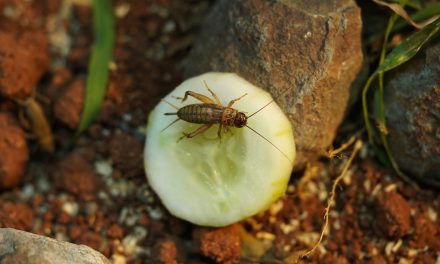
Bed bugs (Cimex lectularius) are small, nocturnal insects that feed on the blood of humans and other warm-blooded hosts. These pests are typically reddish-brown in color, oval-shaped, and can grow up to 5-7 mm in length. Their flat bodies allow them to hide in tiny crevices, making them particularly challenging to detect. Bed bugs are notorious for their ability to reproduce rapidly; a single female can lay up to 500 eggs in her lifetime, leading to infestations that can escalate quickly if not addressed promptly.
The primary threat posed by bed bugs is not just their bites, which can cause itchy welts and allergic reactions, but also the psychological distress associated with infestations. Individuals may experience anxiety, insomnia, and a general sense of unease in their living environments. Understanding the biology and behavior of these pests is crucial for effective management and prevention strategies. Bed bugs are resilient creatures that can survive for months without feeding, making them a persistent problem in homes, hotels, and other accommodations.
To effectively prevent bed bugs in your home, it is essential to understand their behavior and the best practices for keeping them at bay. Regularly inspecting your living spaces, especially after traveling, can help catch any infestations early. Additionally, maintaining cleanliness and reducing clutter can significantly decrease the likelihood of bed bugs taking up residence. For more insights on maintaining your home and preventing issues, you might find this article on heat pump maintenance helpful: Why is My Heat Pump Freezing Up in Winter?.
Regular Inspection: Spotting Bed Bugs Early
Conducting regular inspections is vital for early detection of bed bugs. Homeowners should familiarize themselves with the signs of infestation, which include not only the bugs themselves but also their exoskeletons, fecal spots, and blood stains on bedding. A thorough inspection should focus on common hiding spots such as mattress seams, bed frames, headboards, and furniture crevices. It is advisable to use a flashlight to illuminate dark areas where these pests may be lurking.
In addition to visual inspections, utilizing tools such as bed bug monitors can enhance detection efforts. These devices attract bed bugs using heat and carbon dioxide, allowing for early identification of an infestation before it becomes widespread. Regular inspections should be part of a comprehensive pest management strategy, ensuring that any signs of bed bugs are addressed immediately to prevent further proliferation.
Decluttering Your Home to Eliminate Hiding Spots

Decluttering is an essential step in managing bed bug infestations. These pests thrive in cluttered environments where they can easily find hiding spots. By reducing clutter, homeowners can minimize potential habitats for bed bugs and make inspections more manageable. Items such as stacks of newspapers, magazines, and clothing should be organized or removed from living spaces.
Additionally, it is important to store items in sealed containers rather than cardboard boxes, which can provide easy access for bed bugs. Regularly cleaning and organizing spaces not only helps in reducing hiding spots but also promotes overall hygiene within the home. A systematic approach to decluttering can significantly decrease the likelihood of an infestation taking hold.
Washing and Drying Bedding at High Temperatures

One of the most effective methods for eliminating bed bugs is through the washing and drying of bedding and clothing at high temperatures. Bed bugs are sensitive to heat; washing items in hot water (at least 60°C or 140°F) followed by drying on a high heat setting for at least 30 minutes can kill all life stages of these pests. This method should be applied to all bedding materials, including sheets, pillowcases, blankets, and mattress covers.
In addition to bedding, any clothing that may have come into contact with infested areas should also be treated similarly. It is advisable to place items in sealed plastic bags before transporting them to the laundry to prevent spreading bed bugs throughout the home. Regularly washing and drying bedding not only helps in controlling infestations but also contributes to a cleaner living environment.
To effectively prevent bed bugs in your home, it’s essential to adopt a proactive approach that includes regular inspections and proper cleaning techniques. One useful resource that offers valuable insights on maintaining cleanliness in your living space is an article that discusses essential tips for ear cleaning in pets. While it may seem unrelated, keeping your home clean and free of clutter can significantly reduce the chances of a bed bug infestation. You can read more about it in this informative piece on ear cleaning for dogs and cats.
Using Protective Mattress and Pillow Covers
Investing in protective mattress and pillow covers is a proactive measure against bed bugs. These encasements are designed to create a barrier that prevents bed bugs from entering or escaping mattresses and pillows. High-quality covers are typically made from durable materials that are both bite-proof and waterproof, ensuring that any existing bed bugs trapped inside cannot feed or reproduce.
When selecting protective covers, it is essential to choose those that have been specifically tested for bed bug resistance. Once installed, these covers should remain on mattresses and pillows for at least a year to ensure any trapped bed bugs are eliminated over time. This preventative measure not only protects against infestations but also prolongs the lifespan of bedding products.
Sealing Cracks and Crevices to Block Entry
Sealing cracks and crevices around the home is another critical step in preventing bed bug infestations. These pests can enter homes through tiny openings in walls, floors, and furniture. By identifying and sealing potential entry points with caulk or other appropriate materials, homeowners can significantly reduce the likelihood of bed bugs gaining access to living spaces.
Particular attention should be paid to areas around baseboards, electrical outlets, window frames, and door frames. Regular maintenance of these areas not only helps in preventing bed bugs but also improves overall energy efficiency by reducing drafts. A comprehensive sealing strategy can create a less hospitable environment for these pests.
Vacuuming Frequently and Properly Disposing of Debris
Frequent vacuuming is an effective method for controlling bed bug populations within the home. Using a vacuum equipped with a HEPA filter can capture both adult bed bugs and their eggs from carpets, upholstery, and other surfaces. It is crucial to focus on areas where bed bugs are likely to hide, such as along seams of mattresses, behind headboards, and within furniture crevices.
After vacuuming, it is imperative to dispose of the vacuum bag or empty the canister outside the home immediately to prevent any captured bed bugs from re-entering the living space. Regular vacuuming not only aids in controlling infestations but also contributes to overall cleanliness within the home.
Being Cautious with Secondhand Furniture and Clothing
Purchasing secondhand furniture or clothing can pose a risk for introducing bed bugs into your home. Before bringing any used items indoors, it is essential to inspect them thoroughly for signs of infestation. Look for visible bed bugs or their eggs, as well as fecal stains or shed skins.
If possible, consider treating secondhand items before bringing them inside by placing them in direct sunlight or using heat treatment methods. Additionally, washing any secondhand clothing at high temperatures can help eliminate potential pests before they enter your living space. Exercising caution with secondhand items can significantly reduce the risk of introducing bed bugs into your home.
Traveling Smart: Preventing Bed Bugs from Hitchhiking
Traveling poses a significant risk for bed bug infestations as these pests are adept at hitchhiking on luggage and personal belongings. To minimize this risk while traveling, it is advisable to inspect hotel rooms upon arrival carefully. Check common hiding spots such as mattress seams, headboards, and furniture for signs of bed bugs before unpacking.
When traveling, keep luggage elevated on luggage racks rather than placing it on beds or floors where bed bugs may reside. Additionally, consider using protective luggage encasements designed to deter pests during travel. Upon returning home, inspect luggage thoroughly before bringing it indoors and wash all clothing immediately at high temperatures.
Employing Natural and Chemical Bed Bug Deterrents
There are various natural and chemical deterrents available for managing bed bug populations. Natural options include diatomaceous earth (DE), which works by dehydrating insects upon contact; essential oils such as tea tree oil or lavender oil may also repel these pests due to their strong scents.
Chemical treatments often involve insecticides specifically formulated for bed bug control. Pyrethroids are commonly used due to their effectiveness against adult bed bugs; however, resistance has been reported in some populations. It is crucial to follow label instructions carefully when applying chemical treatments and consider integrating multiple methods for comprehensive control.
When to Call Professionals: Effective Pest Control Solutions
In cases where infestations become overwhelming or difficult to manage independently, seeking professional pest control services may be necessary. Pest control experts utilize advanced techniques such as heat treatments or fumigation that can effectively eliminate bed bug populations at all life stages.
Professional services often include thorough inspections followed by tailored treatment plans based on the severity of the infestation. Additionally, pest control professionals can provide valuable advice on preventative measures to avoid future infestations. Engaging experts ensures that infestations are addressed promptly and effectively.
In summary, understanding bed bugs is crucial for effective management and prevention strategies. Regular inspections, decluttering efforts, high-temperature washing of bedding, protective encasements, sealing entry points, frequent vacuuming, cautious handling of secondhand items, smart travel practices, natural deterrents, and professional pest control services all play vital roles in combating these resilient pests. By implementing these strategies diligently, homeowners can significantly reduce the risk of infestations while promoting a healthier living environment free from these unwelcome intruders.
FAQs
What are some effective ways to prevent bed bugs in my home?
To prevent bed bugs in your home, regularly inspect your sleeping areas, especially around the seams of mattresses and box springs. Use protective covers on mattresses and pillows, and keep your home clutter-free to reduce hiding spots. Vacuum frequently and seal any cracks or crevices in walls and furniture.
Can I prevent bed bugs when traveling?
Yes, you can prevent bed bugs while traveling by inspecting hotel rooms for signs of infestation, such as dark spots on bedding or furniture. Keep your luggage off the floor and use luggage racks. When returning home, wash and dry your clothes on high heat to kill any potential bed bugs.
Are there specific items that attract bed bugs?
Bed bugs are attracted to warmth and carbon dioxide, which is why they are often found near sleeping areas. They can also be drawn to clutter, as it provides hiding spots. Items like used furniture, clothing, and luggage can harbor bed bugs, so it’s important to inspect these items before bringing them into your home.
How can I tell if I have a bed bug infestation?
Signs of a bed bug infestation include small reddish-brown stains on sheets or mattresses, tiny dark spots (bed bug excrement), and the presence of shed skins or eggs. You may also experience bites on your skin, often in a line or cluster, which can cause itching and irritation.
What should I do if I suspect a bed bug infestation?
If you suspect a bed bug infestation, it’s important to act quickly. Start by thoroughly cleaning and vacuuming the affected areas. Consider using bed bug-proof encasements for mattresses and pillows. If the problem persists, contact a professional pest control service for an effective treatment plan.