Post-neutering care is a critical aspect of ensuring the well-being and recovery of your feline companion. Neutering, or castration, is a surgical procedure that involves the removal of the testicles in male cats, which not only prevents unwanted litters but also contributes to behavioral improvements and health benefits. However, the immediate aftermath of this surgery requires diligent attention to ensure a smooth recovery process. The importance of post-operative care cannot be overstated, as it directly influences the healing trajectory and overall health of your pet.
Proper post-neutering care encompasses various elements, including pain management, monitoring for complications, and providing a conducive environment for recovery. Understanding the physiological changes that occur during this period is essential for pet owners. Cats may experience discomfort, hormonal fluctuations, and behavioral changes following surgery. Therefore, being proactive in addressing these aspects can significantly enhance your cat’s recovery experience and minimize the risk of complications.
Preparing a Comfortable Recovery Space
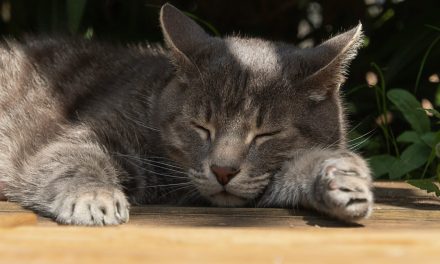
Creating a comfortable recovery space for your cat is paramount in facilitating a smooth healing process. This designated area should be quiet, warm, and free from disturbances to allow your pet to rest adequately. A cozy bed or blanket can provide comfort, while soft lighting can help create a calming atmosphere. It is advisable to choose a location away from household traffic and noise, as excessive stimulation can lead to stress and hinder recovery.
In addition to comfort, the recovery space should be equipped with essential items such as food and water bowls, a litter box, and any necessary medications. Ensuring that these items are easily accessible will minimize the need for your cat to exert unnecessary energy during the initial recovery phase. Furthermore, consider using an enclosed space or a crate to prevent your cat from wandering around too much, which can lead to complications at the surgical site.
Monitoring Your Cat’s Behavior and Vital Signs

Vigilant monitoring of your cat’s behavior and vital signs is crucial during the post-neutering recovery period. Observing changes in appetite, activity levels, and overall demeanor can provide valuable insights into your pet’s recovery status. A decrease in appetite or lethargy may indicate discomfort or complications that require immediate veterinary attention. Regularly checking vital signs such as heart rate, respiratory rate, and temperature can also help identify potential issues early on.
Normal vital signs for cats include a heart rate of 140-220 beats per minute, a respiratory rate of 20-30 breaths per minute, and a body temperature ranging from 100.5°F to 102.5°F (38°C to 39.2°C). Any significant deviations from these ranges should prompt a consultation with your veterinarian. Keeping a log of your cat’s behavior and vital signs can assist in tracking their recovery progress and provide useful information during follow-up visits.
Managing Pain and Discomfort Effectively

Effective pain management is an integral component of post-neutering care. Cats may experience varying degrees of discomfort following surgery, necessitating appropriate interventions to alleviate pain. Your veterinarian may prescribe analgesics or anti-inflammatory medications to manage pain effectively. Common medications include non-steroidal anti-inflammatory drugs (NSAIDs) such as meloxicam or carprofen, which can help reduce inflammation and provide relief.
It is essential to adhere strictly to the prescribed dosage and administration schedule for any medications. Overmedicating or underdosing can lead to adverse effects or inadequate pain control. Additionally, observing your cat for signs of pain—such as vocalization, hiding, or changes in grooming behavior—can help you assess the effectiveness of the pain management strategy in place.
Preventing Your Cat from Licking or Biting the Incision
Preventing your cat from licking or biting at the surgical incision is vital for ensuring proper healing and minimizing the risk of infection. Cats have a natural instinct to groom themselves, which can pose a threat to their surgical site if left unchecked. To mitigate this risk, consider using an Elizabethan collar (commonly known as a “cone”) or an alternative protective garment designed specifically for post-surgical recovery.
These devices serve as barriers that prevent access to the incision site while allowing your cat to eat and drink comfortably. It is crucial to monitor your cat’s behavior while wearing these devices to ensure they do not become overly stressed or agitated. If your cat shows signs of distress, consult your veterinarian for alternative solutions that may be more suitable for your pet’s temperament.
Administering Medications as Prescribed
Administering medications as prescribed by your veterinarian is essential for promoting healing and preventing complications after neutering surgery. In addition to pain relief medications, your veterinarian may prescribe antibiotics to prevent infection at the surgical site. It is important to follow the prescribed regimen meticulously, including dosage frequency and duration of treatment.
When administering oral medications, consider using pill pockets or treats designed for this purpose to make the process easier for both you and your cat. If your cat is resistant to taking medication orally, consult your veterinarian about alternative formulations such as liquid medications or injectable options that may be more manageable.
Ensuring Proper Nutrition and Hydration
Proper nutrition and hydration play a pivotal role in supporting your cat’s recovery after neutering surgery. A balanced diet rich in essential nutrients will aid in tissue repair and overall health maintenance. It is advisable to continue feeding your cat their regular diet unless otherwise directed by your veterinarian. However, some cats may experience temporary changes in appetite post-surgery; therefore, offering small, frequent meals can encourage eating.
Hydration is equally important during this recovery phase. Ensure that fresh water is readily available at all times to prevent dehydration. If your cat shows reluctance to drink water, consider offering wet food or adding water to dry kibble to increase fluid intake. Monitoring your cat’s hydration status through urine output and overall demeanor can help identify potential issues early on.
Limiting Physical Activity and Playtime
Limiting physical activity and playtime is crucial during the initial recovery period following neutering surgery. Engaging in vigorous activities can strain the surgical site and increase the risk of complications such as bleeding or infection. It is advisable to restrict jumping, running, or rough play for at least 10-14 days post-surgery or until cleared by your veterinarian.
To keep your cat entertained while minimizing physical exertion, consider providing interactive toys that encourage mental stimulation without requiring excessive movement. Puzzle feeders or treat-dispensing toys can engage your cat’s mind while keeping them relatively stationary. Gradually reintroducing physical activity under veterinary guidance will ensure a safe transition back to their normal routine.
Recognizing Signs of Infection or Complications
Being vigilant about recognizing signs of infection or complications is paramount during the post-neutering recovery phase. Common indicators of infection include redness, swelling, discharge from the incision site, or an unpleasant odor emanating from the area. Additionally, if your cat exhibits increased lethargy, loss of appetite, vomiting, or fever (temperature above 102.5°F), these may signal underlying issues that require immediate veterinary attention.
Prompt intervention is critical in addressing any complications that may arise during recovery. If you notice any concerning symptoms or changes in behavior, do not hesitate to contact your veterinarian for guidance on appropriate next steps.
Scheduling Follow-Up Veterinary Visits
Scheduling follow-up veterinary visits is an essential component of post-neutering care that should not be overlooked. These appointments allow your veterinarian to assess the healing process and ensure that no complications have developed since the surgery. Typically, follow-up visits are recommended within 7-10 days post-surgery; however, specific timelines may vary based on individual circumstances.
During these visits, your veterinarian will examine the incision site for proper healing and may remove sutures if applicable. They will also address any concerns you may have regarding your cat’s behavior or recovery progress. Maintaining open communication with your veterinarian throughout this process will foster a collaborative approach to ensuring your pet’s health.
Providing Emotional Support and Reassurance
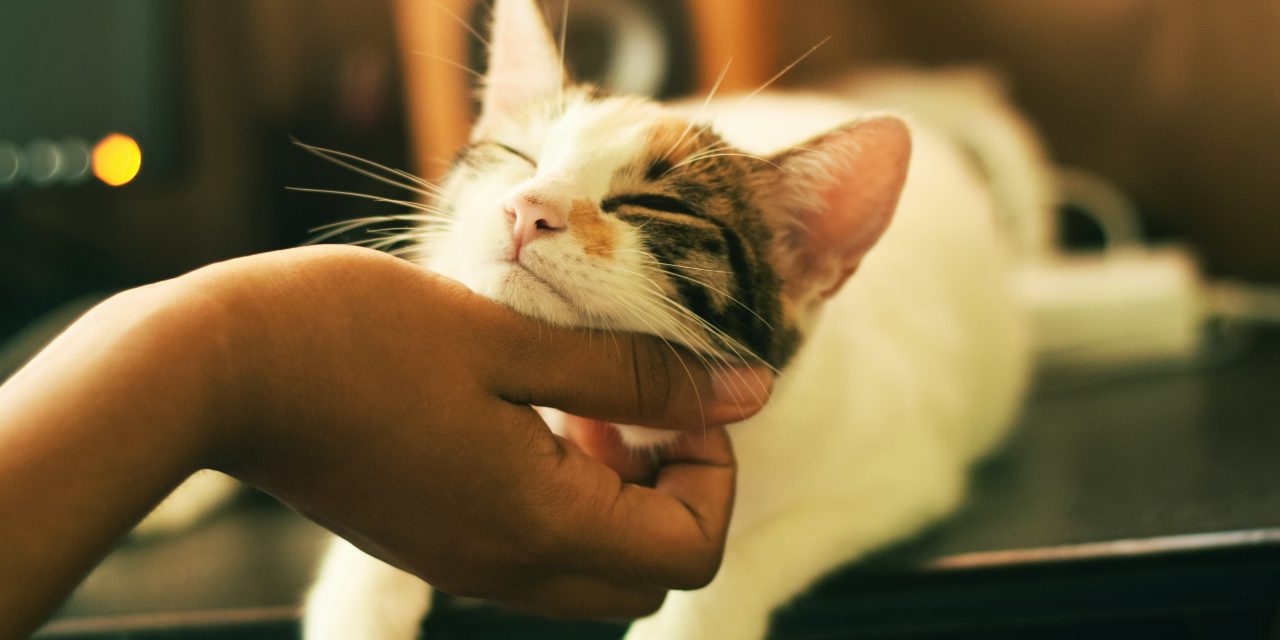
Providing emotional support and reassurance during the recovery period is equally important as addressing physical needs. Cats are sensitive creatures that can experience anxiety during times of change or discomfort. Offering gentle affection, soothing words, and a calm presence can help alleviate stress and promote a sense of security for your feline companion.
Engaging in quiet bonding activities such as gentle petting or soft talking can reinforce trust between you and your cat during this vulnerable time. Creating a peaceful environment with minimal disruptions will further enhance their emotional well-being as they navigate their recovery journey.
In summary, post-neutering care is vital for ensuring a smooth recovery for your feline companion following surgery. By preparing a comfortable recovery space, monitoring behavior and vital signs, managing pain effectively, preventing licking at incisions, administering medications properly, ensuring nutrition and hydration, limiting physical activity, recognizing signs of complications, scheduling follow-up visits, and providing emotional support, you can significantly enhance your cat’s healing process and overall well-being during this critical time.
FAQs
What should I expect after my cat is neutered?
After neutering, your cat may experience some lethargy, mild discomfort, and a decreased appetite for the first few days. It’s normal for them to be a bit groggy due to anesthesia. Monitor their behavior and ensure they are drinking water and using the litter box.
How can I care for my cat’s incision site?
Keep the incision site clean and dry. Check it daily for signs of infection, such as redness, swelling, or discharge. Prevent your cat from licking the area by using an Elizabethan collar if necessary. If you notice any concerning symptoms, contact your veterinarian.
When can my cat resume normal activities after neutering?
Most cats can return to their normal activities within 10 to 14 days after surgery, but it’s essential to limit their activity during the initial recovery period. Avoid allowing them to jump or run until your vet gives the all-clear.
What should I feed my cat after neutering?
After neutering, it’s important to provide a balanced diet that is appropriate for their age and weight. Some cats may require a lower-calorie diet to prevent weight gain, as neutering can decrease their metabolism. Consult your veterinarian for specific dietary recommendations.
When should I take my cat back to the vet after neutering?
A follow-up visit is typically recommended about 7 to 10 days after surgery to ensure proper healing and to remove any stitches if necessary. If you notice any unusual behavior or complications before this time, contact your veterinarian immediately.