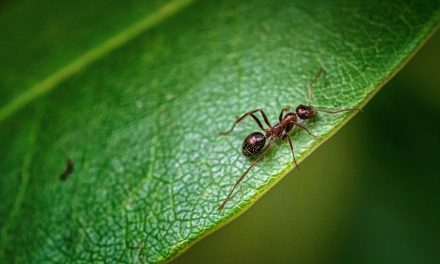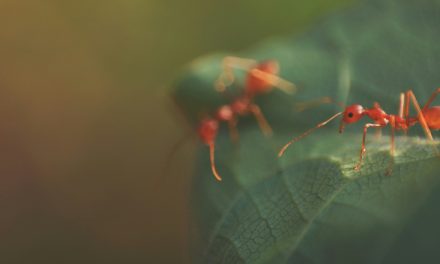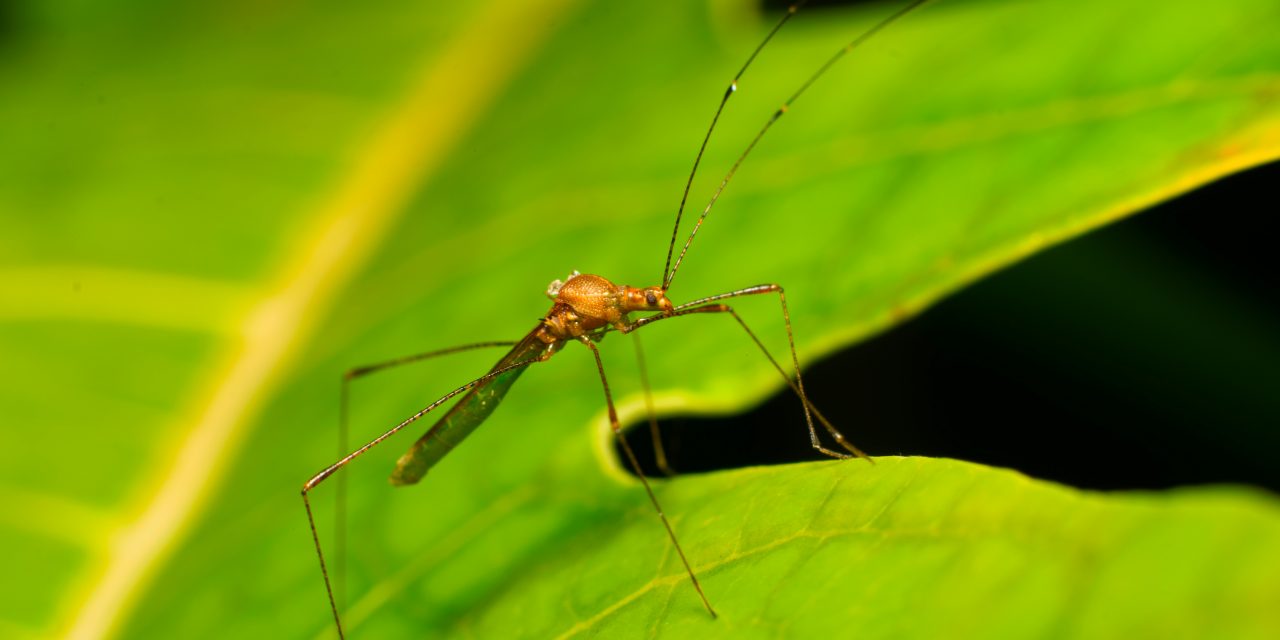
Mosquitoes are not merely a nuisance; they are vectors for numerous diseases that pose significant health risks to humans and animals alike. The World Health Organization (WHO) estimates that mosquitoes are responsible for transmitting diseases such as malaria, dengue fever, Zika virus, and West Nile virus, leading to millions of infections and hundreds of thousands of deaths annually. The urgency to eliminate these pests cannot be overstated, as their presence can severely impact public health, economic stability, and overall quality of life.
The life cycle of a mosquito consists of four stages: egg, larva, pupa, and adult. Understanding this cycle is crucial for effective control measures. Female mosquitoes require standing water to lay their eggs, making it imperative to target breeding sites. By implementing comprehensive mosquito management strategies, communities can significantly reduce mosquito populations and mitigate the associated health risks. This article will explore various methods to combat mosquitoes effectively, emphasizing the importance of prevention and control.
If you’re looking for effective ways to eliminate mosquitoes at home, you might find it helpful to explore related articles that discuss various pest control strategies. One such article provides insights into essential tools for pet owners, which can also be beneficial in creating a comfortable living environment free from pests. You can check it out here: Top 10 Must-Have Dog Training Equipment for Every Pet Owner.
Keep Your Home Dry: Eliminate Standing Water
One of the most effective strategies for mosquito control is the elimination of standing water around your home. Mosquitoes thrive in stagnant water, where they lay their eggs. Common sources include bird baths, clogged gutters, flower pots, and discarded tires. To combat this issue, homeowners should conduct regular inspections of their properties to identify and eliminate potential breeding sites.
To ensure a mosquito-free environment, it is essential to empty or treat standing water every week. For larger bodies of water that cannot be drained, consider using larvicides that target mosquito larvae without harming other wildlife. Additionally, maintaining proper drainage systems and ensuring that rainwater does not accumulate in low-lying areas can significantly reduce mosquito populations in your vicinity.
Use Natural Mosquito Repellents and Essential Oils

Natural mosquito repellents offer an eco-friendly alternative to chemical-based products. Essential oils derived from plants such as citronella, eucalyptus, lavender, and peppermint have been shown to repel mosquitoes effectively. These oils can be diluted with carrier oils and applied to the skin or used in diffusers to create a protective barrier against these pests.
In addition to topical applications, incorporating natural repellents into your outdoor activities can enhance protection. For instance, burning citronella candles or using essential oil-infused sprays can create a mosquito-free zone during gatherings or outdoor events. It is important to note that while natural repellents may not provide the same level of protection as synthetic options, they can be a valuable part of an integrated pest management strategy.
Install Mosquito Screens on Windows and Doors

Installing mosquito screens on windows and doors is a practical measure to prevent indoor mosquito access. These screens act as physical barriers, allowing fresh air to circulate while keeping pests at bay. When selecting screens, opt for fine mesh materials that can effectively block even the smallest mosquitoes.
Regular maintenance of these screens is crucial for optimal performance. Inspect them periodically for tears or gaps that could allow mosquitoes to enter your home. Additionally, consider using door sweeps and weather stripping to seal any potential entry points around doors and windows. By creating a well-sealed environment, you can significantly reduce the likelihood of indoor mosquito infestations.
If you’re looking for effective strategies to eliminate mosquitoes at home, you might find it helpful to explore various methods that can help keep these pests at bay. For instance, using natural repellents and ensuring your living space is free of standing water can significantly reduce mosquito populations. Additionally, you can learn more about maintaining a comfortable home environment by checking out this article on nail cutting training tips, which emphasizes the importance of cleanliness and organization in your home.
Maintain Your Yard: Trim Grass and Remove Debris
A well-maintained yard is less inviting to mosquitoes. Tall grass, overgrown shrubs, and piles of debris provide ideal resting spots for adult mosquitoes during the day. Regularly mowing your lawn and trimming hedges can help minimize these habitats. Furthermore, removing organic debris such as leaves and branches can eliminate potential breeding sites for mosquitoes.
Consider implementing landscaping practices that discourage mosquito habitation. For example, planting native species that do not retain water can help reduce moisture levels in your yard. Additionally, creating open spaces with sunlight exposure can deter mosquitoes from settling in your outdoor areas. By maintaining a tidy yard, you not only enhance your home’s aesthetic appeal but also contribute to effective mosquito control.
Introduce Mosquito-Eating Plants Around Your Home
Certain plants possess natural mosquito-repelling properties or attract mosquito-eating predators. Incorporating these plants into your landscaping can serve as an additional layer of defense against mosquitoes. For instance, marigolds contain compounds that repel mosquitoes, while plants like basil and rosemary emit scents that deter these pests.
Moreover, consider introducing plants that attract beneficial insects such as dragonflies and bats—natural predators of mosquitoes. By fostering a balanced ecosystem in your garden, you can enhance biodiversity while simultaneously reducing mosquito populations. This approach not only promotes environmental health but also creates a more enjoyable outdoor space for you and your family.
Utilize Mosquito Traps and Zappers Effectively
Mosquito traps and zappers are popular tools for controlling mosquito populations in residential areas. These devices work by attracting mosquitoes through various means—such as carbon dioxide emissions or ultraviolet light—and subsequently trapping or killing them. When selecting a trap or zapper, consider factors such as coverage area and effectiveness against specific mosquito species.
To maximize the efficacy of these devices, place them strategically around your property in areas where mosquitoes are most active, such as near standing water or shaded spots. Regular maintenance is essential; clean traps frequently to ensure optimal performance and replace attractants as needed. While traps and zappers can significantly reduce mosquito numbers, they should be used in conjunction with other preventive measures for comprehensive control.
Apply Safe Insecticides and Larvicides
Insecticides and larvicides can be effective tools in managing mosquito populations when used responsibly. Chemical treatments should be applied judiciously to minimize environmental impact while maximizing efficacy. When selecting insecticides, opt for products specifically designed for mosquito control that have been approved by regulatory agencies.
Larvicides target mosquito larvae in standing water before they mature into adults. These treatments can be particularly useful in areas where draining water is not feasible. Always follow label instructions carefully to ensure safe application and avoid harming non-target species. Additionally, consider consulting with pest control professionals who can provide guidance on the most effective products for your specific situation.
Seal Entry Points to Prevent Indoor Mosquito Access
Preventing indoor access is crucial for maintaining a mosquito-free home environment. Inspect your property for potential entry points such as gaps around windows, doors, vents, and utility lines. Sealing these openings with caulk or weather stripping can significantly reduce the likelihood of mosquitoes entering your living space.
Additionally, consider installing door sweeps on exterior doors to create a tight seal when closed. Regularly check screens for damage and replace them as needed to ensure they remain effective barriers against pests. By taking proactive measures to seal entry points, you can create a more comfortable indoor environment free from the annoyance of mosquitoes.
Employ Fans to Disrupt Mosquito Flight Patterns
Utilizing fans outdoors is an innovative way to disrupt mosquito flight patterns effectively. Mosquitoes are weak fliers; therefore, creating airflow with fans can make it challenging for them to navigate toward potential hosts. Positioning fans strategically around patios or outdoor seating areas can provide a comfortable environment while deterring these pests.
In addition to providing relief from mosquitoes, fans also help cool outdoor spaces during warm weather. This dual benefit makes them an excellent addition to any outdoor gathering or event. Consider using oscillating fans for broader coverage and increased airflow effectiveness.
Regularly Clean and Maintain Water Features and Gutters
Water features such as ponds or fountains can attract mosquitoes if not properly maintained. Regular cleaning is essential to prevent stagnant water accumulation where mosquitoes can breed. Consider installing pumps or aerators in ponds to keep water moving and discourage mosquito larvae from developing.
Gutters should also be inspected regularly to ensure they are free from debris that could cause water pooling. Clogged gutters create ideal breeding grounds for mosquitoes; therefore, maintaining clear drainage systems is vital for effective pest control. By prioritizing cleanliness in water features and gutters, you can significantly reduce the risk of mosquito infestations around your home.
In summary, combating the mosquito menace requires a multifaceted approach that includes eliminating standing water, utilizing natural repellents, installing screens, maintaining yards, introducing beneficial plants, employing traps and insecticides responsibly, sealing entry points, using fans effectively, and maintaining water features and gutters. By implementing these strategies collectively, homeowners can create a safer environment while minimizing the health risks associated with mosquito-borne diseases.
FAQ Section:
1. **What diseases do mosquitoes transmit?**
Mosquitoes are known vectors for diseases such as malaria, dengue fever, Zika virus, West Nile virus, chikungunya, and yellow fever.
2. **How often should I check for standing water?**
It is advisable to inspect your property weekly for standing water sources where mosquitoes may breed.
3. **Are natural repellents effective?**
Natural repellents like citronella oil can provide some level of protection but may not be as long-lasting as synthetic options.
4. **What types of plants repel mosquitoes?**
Plants such as marigolds, basil, lavender, and citronella grass are known for their mosquito-repelling properties.
5. **How do I choose the right insecticide?**
Select insecticides specifically labeled for mosquito control and follow all application instructions carefully.
6. **Can I use fans indoors?**
Yes! Fans can help disrupt mosquito flight patterns indoors as well as outdoors.
7. **What should I do if I find a mosquito breeding site?**
Eliminate standing water immediately by draining it or treating it with larvicides if draining is not possible.
8. **How do I maintain my gutters?**
Regularly clean gutters by removing debris and ensuring proper drainage to prevent water accumulation.
9. **Are there any health risks associated with insecticides?**
Yes; always follow safety guidelines when using insecticides to minimize exposure risks to humans and pets.
10. **Can I hire professionals for mosquito control?**
Yes; pest control professionals can provide tailored solutions based on your specific needs and local conditions.
In conclusion, addressing the challenges posed by mosquitoes requires diligence and proactive measures from homeowners and communities alike. By understanding their behavior and implementing effective strategies for prevention and control, we can significantly reduce their populations while safeguarding public health.
FAQs
What are some effective natural repellents for mosquitoes?
Natural repellents such as citronella oil, eucalyptus oil, and lavender oil can effectively deter mosquitoes. These oils can be applied to the skin or used in diffusers to create a mosquito-free environment.
How can I reduce standing water around my home?
To reduce standing water, regularly check and empty items that can collect water, such as flower pots, bird baths, and gutters. Ensure that any outdoor furniture or equipment is stored properly to prevent water accumulation.
What are some physical barriers to keep mosquitoes out?
Installing screens on windows and doors, using mosquito nets over beds, and sealing cracks and openings in your home can help create physical barriers that prevent mosquitoes from entering your living space.
Are there any electronic devices that can help eliminate mosquitoes?
Yes, electronic devices such as mosquito traps, bug zappers, and ultrasonic repellents can help reduce mosquito populations. These devices attract or repel mosquitoes using light, sound, or other methods.
What time of day are mosquitoes most active?
Mosquitoes are typically most active during dawn and dusk. During these times, it is advisable to take extra precautions, such as wearing protective clothing and using repellents, to minimize bites.