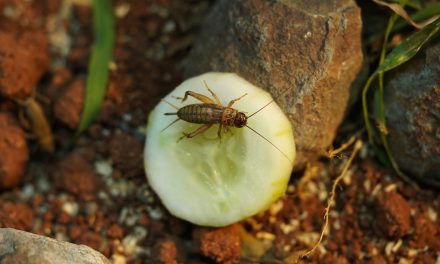
Bed bugs (Cimex lectularius) are small, nocturnal insects that feed on the blood of humans and other warm-blooded hosts. These pests are typically reddish-brown in color, oval-shaped, and can grow up to 5-7 mm in length. Their flat bodies allow them to hide in tiny crevices, making them particularly challenging to detect. Bed bugs are notorious for their ability to reproduce rapidly; a single female can lay up to 500 eggs in her lifetime, leading to significant infestations if not addressed promptly.
The primary threat posed by bed bugs is not just their bites, which can cause itchy welts and allergic reactions, but also the psychological distress associated with infestations. Individuals may experience anxiety, insomnia, and a general sense of unease in their living environments. Understanding the signs of bed bug presence—such as small blood stains on sheets, dark fecal spots, and shed exoskeletons—is crucial for early identification and intervention.
If you’re looking for effective ways to prevent bed bugs in your home, it’s essential to stay informed about various pest control strategies. One related article that might interest you is about grooming and caring for pets, which can also play a role in maintaining a clean living environment. You can read more about it in this article on how to groom a French Bulldog and care for its skin folds: how to groom a French Bulldog and care for its skin folds. Keeping your pets clean can help reduce the risk of bringing unwanted pests into your home.
Regular Inspection: Early Detection Techniques
Conducting regular inspections is vital for early detection of bed bugs. Homeowners should be vigilant, particularly in areas where these pests are known to thrive. A thorough examination of sleeping areas, including mattresses, box springs, and bed frames, should be performed at least once a month. Look for telltale signs such as live bugs, eggs, or fecal matter.
In addition to visual inspections, utilizing tools such as flashlights and magnifying glasses can enhance detection efforts. Pay close attention to seams, folds, and crevices where bed bugs may hide. Furthermore, consider employing bed bug detection dogs, trained to sniff out these pests with remarkable accuracy. Early detection is key to preventing a full-blown infestation and minimizing the need for extensive treatments.
Declutter Your Living Space to Eliminate Hiding Spots

A cluttered environment provides ample hiding spots for bed bugs, making it essential to maintain an organized living space. Reducing clutter not only minimizes potential habitats for these pests but also simplifies the cleaning process. Items such as stacks of newspapers, magazines, and clothing should be regularly sorted and stored properly.
When decluttering, consider using sealed plastic bins for storage. This not only protects belongings from potential infestations but also makes it easier to identify any signs of bed bugs. Additionally, regularly cleaning and organizing closets and drawers can help ensure that bed bugs do not find refuge in your personal items.
Use Protective Covers on Mattresses and Box Springs

Investing in high-quality protective covers for mattresses and box springs is an effective strategy for preventing bed bug infestations. These encasements create a barrier that prevents bed bugs from entering or escaping the mattress or box spring. When selecting protective covers, ensure they are specifically designed for bed bug prevention and are made from durable materials that can withstand wear and tear.
It is essential to properly install these covers and ensure they remain intact over time. Regularly inspect the encasements for any signs of damage or wear. By using protective covers, you not only safeguard your bedding but also make it easier to spot any potential infestations.
If you’re looking for effective strategies to prevent bed bugs, it’s essential to stay informed about the best practices for pest control. One helpful resource is an article that discusses various tips and techniques to enhance your skills in dealing with common household issues. You can read more about it in this related article, which offers insights that can be beneficial in maintaining a bug-free environment.
Wash and Heat-Dry Bedding and Clothing Frequently
Regular laundering of bedding and clothing is a critical component of bed bug prevention. Washing items in hot water (at least 120°F or 49°C) effectively kills bed bugs at all life stages, including eggs. After washing, it is equally important to dry items on high heat for at least 30 minutes to ensure complete eradication of any remaining pests.
In addition to bedding and clothing, consider washing curtains, throw pillows, and other fabric items that may harbor bed bugs. Establishing a routine laundry schedule can significantly reduce the risk of infestations while promoting a clean living environment.
To effectively prevent bed bugs, it’s essential to maintain a clean living environment and be aware of potential infestations. One helpful resource that offers valuable insights on maintaining cleanliness is an article that provides effective cleaning tips for allergies, which can also contribute to reducing the risk of bed bugs. You can read more about these tips in this informative piece on cleaning for allergies. By implementing these strategies, you can create a less inviting space for bed bugs and other pests.
Seal Cracks and Crevices in Walls and Furniture
Sealing cracks and crevices in walls and furniture is an essential preventive measure against bed bugs. These pests can easily infiltrate homes through tiny openings, making it crucial to identify and seal potential entry points. Inspect baseboards, electrical outlets, and wall voids for any gaps that may allow bed bugs access.
Utilizing caulk or other sealants can effectively close off these entry points. Additionally, consider reinforcing furniture joints and seams where bed bugs may hide. By creating a more secure environment, you reduce the likelihood of an infestation taking hold.
Be Cautious with Secondhand Furniture and Clothing
While secondhand furniture and clothing can be budget-friendly options for home decor or wardrobe updates, they can also pose significant risks regarding bed bug infestations. Before bringing any secondhand items into your home, conduct thorough inspections for signs of bed bugs. Look for live insects, eggs, or fecal stains on surfaces.
If possible, treat secondhand items with heat or steam before introducing them into your living space. High temperatures can effectively kill any hidden pests. Additionally, consider using protective covers on secondhand mattresses or upholstered furniture to further mitigate risks.
Vacuum Regularly and Dispose of Vacuum Bags Properly
Regular vacuuming is an effective method for controlling bed bug populations in your home. Use a vacuum equipped with a HEPA filter to capture both adult insects and their eggs effectively. Focus on areas where bed bugs are likely to hide, such as carpets, rugs, upholstered furniture, and along baseboards.
After vacuuming, it is crucial to dispose of vacuum bags properly. Seal them in plastic bags before discarding them outside your home to prevent any potential reinfestation. Additionally, consider vacuuming frequently during peak seasons when bed bug activity may increase.
Monitor and Treat Pets for Possible Infestations
Pets can inadvertently become carriers of bed bugs if they come into contact with infested areas or objects. Regularly inspect your pets for any signs of infestation, such as bites or unusual scratching behavior. If you suspect your pet may have been exposed to bed bugs, consult with a veterinarian for appropriate treatment options.
In addition to monitoring pets, consider using preventative treatments such as topical insecticides specifically designed for animals. These products can help protect your furry companions from becoming hosts for bed bugs while also reducing the risk of spreading infestations within your home.
Utilize Bed Bug Interceptors and Traps
Bed bug interceptors are specialized devices designed to capture bed bugs as they attempt to climb onto beds or furniture. These traps are typically placed under the legs of beds or couches and serve as an early warning system for potential infestations. By monitoring these traps regularly, homeowners can detect the presence of bed bugs before they become a larger problem.
In addition to interceptors, consider using adhesive traps placed strategically around your home to capture wandering bed bugs. These traps can provide valuable information about the extent of an infestation while aiding in control efforts.
When to Call a Professional Exterminator for Help
If you suspect a significant infestation or if DIY methods have proven ineffective, it may be time to call a professional exterminator specializing in pest control services. Professionals have access to advanced treatment options such as heat treatments, chemical insecticides, and fumigation techniques that are often more effective than over-the-counter solutions.
When selecting an exterminator, ensure they are licensed and experienced in dealing with bed bug infestations specifically. A thorough inspection will typically precede treatment recommendations tailored to your unique situation. Following professional treatment, it is essential to implement preventive measures to avoid future infestations.
In summary, understanding the threat posed by bed bugs is crucial for effective prevention and treatment strategies. Regular inspections, decluttering living spaces, using protective covers on bedding, frequent laundering of fabrics, sealing entry points, exercising caution with secondhand items, vacuuming regularly, monitoring pets, utilizing interceptors and traps are all essential components of a comprehensive approach to managing these pests. In cases of severe infestations or ineffective DIY methods, seeking professional extermination services is advisable for optimal results.
FAQs
What are bed bugs and how do they spread?
Bed bugs are small, reddish-brown insects that feed on the blood of humans and animals. They typically spread through infested luggage, clothing, used furniture, and even through cracks in walls or floors. They can easily hitch a ride on personal belongings, making them a common issue in hotels and public transportation.
How can I identify a bed bug infestation?
Signs of a bed bug infestation include small reddish-brown bugs, shed skins, and dark spots of bed bug excrement on bedding or furniture. You may also notice bite marks on your skin, often in a line or cluster. Regularly inspecting your sleeping area and belongings can help you catch an infestation early.
What preventive measures can I take to avoid bed bugs?
To prevent bed bugs, you should regularly inspect your home for signs of infestation, especially after traveling. Use protective covers on mattresses and box springs, and avoid bringing used furniture or clothing into your home without thorough inspection. Additionally, keep your living space clutter-free to reduce hiding spots for bed bugs.
How should I wash my bedding and clothing to prevent bed bugs?
To prevent bed bugs, wash your bedding and clothing in hot water (at least 120°F or 49°C) and dry them on high heat for at least 30 minutes. This will kill any bed bugs or eggs present. Regularly washing and drying your items can help minimize the risk of an infestation.
What should I do if I suspect I have bed bugs?
If you suspect a bed bug infestation, it’s important to act quickly. Isolate the affected area by removing bedding and vacuuming thoroughly. Consider using bed bug traps and consult a pest control professional for effective treatment options. Early intervention is key to preventing the spread of bed bugs throughout your home.