Food spoilage is a complex biochemical process that occurs when food is exposed to various environmental factors, leading to deterioration in quality, flavor, and safety. Microbial growth, enzymatic reactions, and oxidation are the primary culprits behind spoilage. Bacteria, molds, and yeasts thrive in moist environments, rapidly multiplying and producing byproducts that can render food inedible. For instance, pathogenic bacteria such as Salmonella and E. coli can proliferate in improperly stored food, posing significant health risks.
The rate of spoilage is influenced by several factors, including temperature, humidity, and exposure to light. For example, perishable items like dairy products and meats require refrigeration to slow down microbial growth. Conversely, fruits and vegetables may continue to ripen and eventually decay if not stored correctly. Understanding these scientific principles is crucial for implementing effective food preservation strategies that minimize waste and enhance food safety.
Proper food storage is essential for maintaining the quality and safety of your meals, especially when it comes to leftovers like homemade chicken gravy. For those looking to enhance their culinary skills, you might find this article on making homemade chicken gravy from drippings particularly useful. It provides a detailed guide on how to create a delicious sauce that can elevate your dishes. You can read more about it here: 7 Easy Steps to Make Homemade Chicken Gravy from Drippings.
Properly Organizing Your Refrigerator for Maximum Freshness
An organized refrigerator is essential for maintaining the freshness of food items. The temperature within a refrigerator should ideally be set between 32°F and 40°F (0°C to 4°C) to inhibit bacterial growth. To achieve optimal organization, it is advisable to categorize food items based on their storage requirements. For instance, raw meats should be placed on the bottom shelf to prevent cross-contamination with other foods, while dairy products can be stored on the middle shelves where temperatures are more stable.
Additionally, utilizing the crisper drawers effectively can significantly extend the shelf life of fruits and vegetables. These drawers are designed to maintain higher humidity levels, which is beneficial for produce. By separating ethylene-producing fruits like apples from sensitive vegetables such as lettuce, you can prevent premature spoilage and maintain the nutritional quality of your food.
Using Airtight Containers to Extend Shelf Life

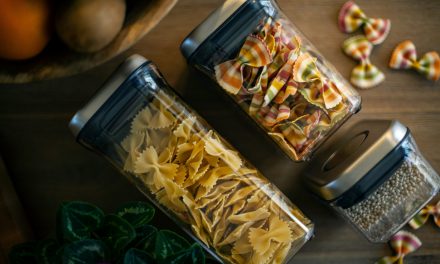
Airtight containers play a pivotal role in preserving food freshness by creating a barrier against air, moisture, and contaminants. When food is exposed to air, oxidation occurs, leading to rancidity and loss of flavor. By transferring items such as grains, nuts, and leftovers into airtight containers, you can significantly prolong their shelf life. These containers are often made from materials like glass or BPA-free plastic, which do not leach harmful chemicals into food.
Moreover, airtight storage helps maintain the texture and taste of food items. For example, cookies stored in an airtight container retain their crispness longer than those left exposed to air. It is also advisable to label containers with dates to ensure proper rotation and consumption of older items first.
The Power of Vacuum Sealing: Keeping Food Fresh Longer

Vacuum sealing is an advanced preservation technique that removes air from packaging before sealing it tightly. This method significantly reduces the growth of aerobic bacteria and molds that thrive in oxygen-rich environments. Vacuum-sealed foods can last up to five times longer than conventionally stored items, making it an invaluable tool for both home cooks and professional chefs.
This technique is particularly effective for meats, fish, and vegetables. When vacuum-sealed, these items retain their moisture and flavor while preventing freezer burn during long-term storage. Additionally, vacuum sealing can be used for marinating foods quickly; the absence of air allows marinades to penetrate more deeply into the meat or vegetables.
Proper food storage is essential for maintaining freshness and preventing foodborne illnesses, and understanding the best practices can make a significant difference in your kitchen. For those looking to enhance their food preservation techniques, a related article offers valuable insights on common household issues that can arise, including tips on how to troubleshoot problems effectively. You can read more about these helpful solutions in this informative piece on common fixes for household items. By implementing these strategies, you can ensure that your food stays safe and delicious for longer. For more details, check out the article here.
Storing Fruits and Vegetables Separately to Prevent Early Ripening
Fruits and vegetables have different storage needs due to their varying ethylene production levels. Ethylene is a natural plant hormone that accelerates ripening in fruits but can lead to premature spoilage in vegetables. For instance, apples and bananas produce significant amounts of ethylene gas; when stored alongside sensitive vegetables like broccoli or spinach, these greens may wilt or spoil faster.
To optimize freshness, it is essential to store fruits and vegetables separately. Designating specific areas in your refrigerator for each category can help maintain their quality longer. Additionally, using perforated bags for vegetables allows for proper airflow while retaining moisture levels necessary for freshness.
Utilizing Paper Towels to Absorb Moisture in Produce Storage
Moisture control is critical in prolonging the shelf life of fresh produce. Excess moisture can lead to mold growth and spoilage, particularly in leafy greens and berries. One effective method for managing moisture is by placing paper towels in produce storage bags or containers. The paper towels absorb excess moisture while allowing for adequate airflow around the produce.
For example, when storing spinach or lettuce, placing a dry paper towel in the bag can help keep the greens crisp by preventing them from becoming soggy. This simple yet effective technique can extend the freshness of your produce by several days.
Freezing Herbs and Vegetables for Long-Term Preservation
Freezing is one of the most effective methods for preserving herbs and vegetables while retaining their nutritional value. When properly frozen, these items can last for months without significant loss of flavor or texture. To freeze herbs like basil or cilantro, chop them finely and place them in ice cube trays filled with water or olive oil before freezing. This method allows for easy portioning when cooking.
Vegetables should be blanched before freezing to deactivate enzymes that can cause loss of flavor and color over time. Blanching involves briefly boiling the vegetables followed by immediate cooling in ice water. This process preserves the vibrant colors and nutrients while ensuring that frozen vegetables maintain their quality during storage.
Repurposing Ice Cube Trays for Portioning and Freezing
Ice cube trays are versatile tools that can be repurposed for various food preservation tasks beyond freezing water. They are ideal for portioning out sauces, broths, or pureed fruits and vegetables. By filling each compartment with small amounts of these liquids before freezing, you create convenient portions that can be easily thawed as needed.
This method not only minimizes waste but also allows for efficient meal preparation. For instance, if you have leftover tomato sauce from a meal, pouring it into an ice cube tray enables you to use just the right amount for future dishes without having to thaw an entire container.
Keeping Bread Fresh with Innovative Wrapping Techniques
Bread is notorious for becoming stale quickly if not stored properly. To maintain its freshness longer, consider using innovative wrapping techniques such as wrapping bread in parchment paper followed by a loose layer of aluminum foil or placing it in a breathable bag designed specifically for bread storage. This method allows for some airflow while preventing excessive moisture loss.
Alternatively, freezing bread is an excellent option for long-term storage. Slicing bread before freezing allows you to take out only what you need without defrosting the entire loaf. When ready to consume, simply toast or let it thaw at room temperature for optimal texture.
Labeling and Dating Your Food for Efficient Rotation
Labeling and dating food items is a crucial practice that promotes efficient rotation within your pantry and refrigerator. By marking containers with purchase dates or expiration dates, you can easily identify which items need to be consumed first. This practice helps reduce food waste significantly by ensuring that older items are used before they spoil.
Additionally, using a color-coded system can enhance organization further; for example, using different colored labels for different food categories (e.g., dairy, meats, produce) allows for quick identification at a glance.
Smart Pantry Storage Tips to Avoid Waste and Spoilage
Effective pantry storage is essential for minimizing waste and spoilage of dry goods such as grains, pasta, canned goods, and snacks. First and foremost, keeping your pantry cool and dry will help prevent moisture-related issues like mold growth or insect infestations. Utilizing clear containers not only enhances visibility but also helps maintain freshness by keeping air out.
Grouping similar items together—such as baking supplies or snacks—can streamline meal preparation while ensuring that nothing gets lost at the back of the pantry. Regularly checking expiration dates on canned goods or dry items will also help you stay on top of what needs to be consumed soon.
In conclusion, understanding the science behind food spoilage equips individuals with the knowledge necessary to implement effective preservation techniques that minimize waste while maximizing freshness. By organizing refrigerators properly, utilizing airtight containers and vacuum sealing methods, storing fruits and vegetables separately, absorbing excess moisture with paper towels, freezing herbs and vegetables creatively, repurposing ice cube trays for portioning, employing innovative wrapping techniques for bread storage, labeling food items efficiently, and adopting smart pantry storage practices—individuals can significantly extend the shelf life of their food while promoting sustainability in their kitchens.
FAQ Section:
1. **What are the signs of spoiled food?**
– Signs include off odors, discoloration, mold growth, slimy textures, or changes in taste.
2. **How long can I store vacuum-sealed meat?**
– Vacuum-sealed meat can last up to 2-3 years in the freezer compared to 6-12 months when stored conventionally.
3. **Can I freeze all types of vegetables?**
– Most vegetables freeze well after blanching; however, some like lettuce do not freeze well due to high water content.
4. **How do I know if my herbs are still fresh?**
– Fresh herbs should have vibrant colors and strong aromas; wilted leaves or browning indicate spoilage.
5. **Is it safe to eat expired canned goods?**
– Canned goods may still be safe after their expiration date if they show no signs of damage or spoilage; however, always check before consuming.
6. **What’s the best way to store leftover cooked meals?**
– Store leftovers in airtight containers in the refrigerator within two hours of cooking; consume within 3-4 days.
7. **How often should I clean my refrigerator?**
– It’s advisable to clean your refrigerator every 3-4 months or whenever spills occur to maintain hygiene.
8. **Can I use regular plastic bags instead of airtight containers?**
– Regular plastic bags may not provide adequate protection against air; airtight containers are recommended for optimal preservation.
9. **What’s the best way to thaw frozen foods?**
– Thaw frozen foods in the refrigerator overnight or use cold water; avoid thawing at room temperature to prevent bacterial growth.
10. **How do I prevent bread from getting moldy?**
– Store bread in a cool place away from direct sunlight; consider freezing if not consumed within a few days.
In summary, implementing effective food storage techniques based on scientific principles can significantly reduce spoilage while enhancing freshness and safety in your kitchen environment. By adopting these practices consistently, individuals can contribute positively towards reducing food waste while enjoying high-quality meals at home.
FAQs
What are the best practices for storing perishable foods?
Perishable foods should be stored in the refrigerator at temperatures below 40°F (4°C). It’s important to keep them in airtight containers to prevent contamination and moisture loss. Additionally, always check expiration dates and consume items before they spoil. Regularly cleaning your refrigerator can also help maintain a safe storage environment.
How long can I store leftovers in the fridge?
Leftovers can typically be stored in the refrigerator for 3 to 4 days. It’s essential to cool them down to room temperature before refrigerating and to store them in airtight containers. If you don’t plan to eat them within this timeframe, consider freezing them for longer storage.
What is the proper way to freeze food for long-term storage?
To freeze food properly, ensure it is cooled to room temperature before placing it in the freezer. Use airtight containers or freezer bags to prevent freezer burn. Label each item with the date and contents, and try to use the food within 3 to 6 months for optimal quality.
Are there specific foods that should not be stored together?
Yes, certain foods should not be stored together due to the risk of cross-contamination or spoilage. For example, fruits like apples and bananas can emit ethylene gas, which can cause vegetables to spoil faster. Additionally, raw meats should always be stored separately from ready-to-eat foods to prevent contamination.
What is the ideal temperature for food storage?
The ideal temperature for food storage varies by type. Refrigerators should be set at or below 40°F (4°C), while freezers should be at 0°F (-18°C) or lower. Keeping food at these temperatures helps slow down bacterial growth and preserves freshness.