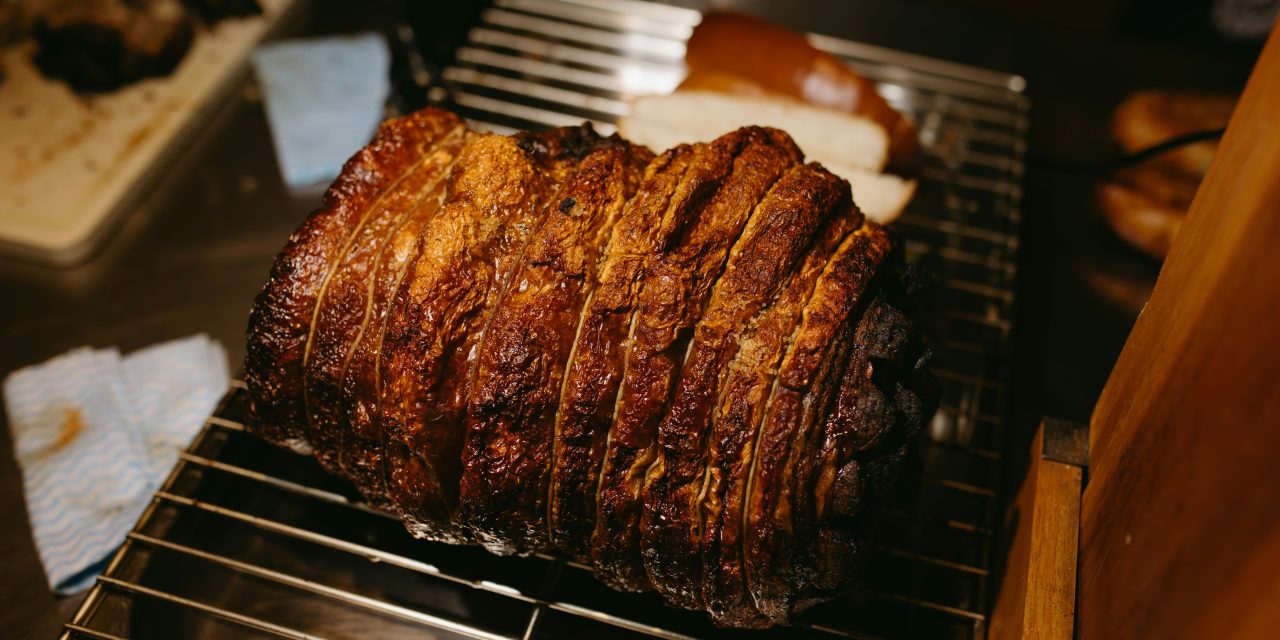
Cooked pork is a versatile and popular protein choice, often featured in various cuisines around the world. However, understanding its shelf life is crucial for ensuring food safety and maintaining quality. The shelf life of cooked pork can vary significantly based on several factors, including preparation methods, storage conditions, and the specific cut of meat. Generally, cooked pork can be safely consumed within a certain timeframe if stored correctly, but improper handling can lead to foodborne illnesses.
The USDA recommends that cooked pork be consumed within three to four days when stored in the refrigerator at temperatures below 40°F (4°C). Beyond this period, the risk of bacterial growth increases, potentially leading to food poisoning. It is essential to recognize that while cooked pork may still appear visually appealing after this timeframe, it may harbor harmful pathogens that are not detectable by sight or smell.
When considering the shelf life of cooked pork, it’s essential to understand proper storage techniques to ensure food safety. For more insights on maintaining the quality of your food, you can refer to a related article that discusses various aspects of food preservation. Check it out here: How to Groom a Persian Cat and Prevent Coat Matting.
Factors Affecting the Freshness of Cooked Pork
Several factors influence the freshness and longevity of cooked pork. One primary factor is the cooking method employed. For instance, slow-cooked pork may retain moisture better than grilled or roasted varieties, potentially extending its shelf life. Additionally, the initial quality of the meat plays a significant role; fresh, high-quality pork will generally last longer than lower-quality cuts.
Another critical aspect is the presence of additives such as preservatives or marinades. Ingredients like salt and sugar can inhibit bacterial growth, thereby prolonging the freshness of cooked pork. Conversely, if the meat is exposed to air or stored improperly, oxidation can occur, leading to spoilage. Temperature fluctuations during storage can also compromise the integrity of cooked pork, making it essential to maintain a consistent refrigeration environment.
How Long Does Cooked Pork Last in the Refrigerator?

When stored correctly in an airtight container or tightly wrapped in plastic wrap or aluminum foil, cooked pork can last in the refrigerator for approximately three to four days. This timeframe applies to various preparations, including roasted pork loin, pulled pork, and pork chops. It is important to note that leftovers should be refrigerated within two hours of cooking to minimize the risk of bacterial growth.
For optimal safety and quality, it is advisable to label containers with the date of preparation. This practice helps ensure that cooked pork is consumed within the recommended timeframe. If there are any doubts about the meat’s freshness after this period, it is prudent to err on the side of caution and discard it.
Freezing Cooked Pork: Extending Shelf Life

Freezing is an effective method for extending the shelf life of cooked pork beyond what refrigeration allows. When properly frozen, cooked pork can maintain its quality for up to three months. To freeze cooked pork effectively, it should be cooled to room temperature before being placed in airtight containers or heavy-duty freezer bags. Removing as much air as possible from the packaging helps prevent freezer burn, which can negatively impact texture and flavor.
It is essential to label frozen packages with the date of freezing to track storage time accurately. When ready to consume, cooked pork should be thawed safely in the refrigerator or using the microwave’s defrost setting. Avoid thawing at room temperature, as this can promote bacterial growth.
When considering the shelf life of cooked pork, it’s important to understand how proper storage can significantly extend its freshness. For more insights on maintaining food quality and safety, you might find this article on essential tools for basic car maintenance at home quite interesting, as it emphasizes the importance of proper care in various aspects of life. You can read it here: essential tools for basic car maintenance.
Proper Storage Techniques for Cooked Pork
Proper storage techniques are vital for maintaining the quality and safety of cooked pork. After cooking, it is crucial to allow the meat to cool slightly before transferring it to storage containers. This practice helps prevent condensation from forming inside the container, which can lead to moisture buildup and spoilage.
Cooked pork should be stored in airtight containers or wrapped tightly in plastic wrap or aluminum foil to minimize exposure to air. It is advisable to keep cooked pork on a shelf above raw meats in the refrigerator to prevent cross-contamination. Additionally, maintaining a consistent refrigerator temperature below 40°F (4°C) is essential for inhibiting bacterial growth.
When considering the shelf life of cooked pork, it’s essential to understand how proper storage can significantly extend its freshness. For more insights on food preservation and safety, you might find this article on cooked meats particularly helpful. Keeping cooked pork in the refrigerator and consuming it within a few days can help prevent foodborne illnesses, ensuring that your meals remain both delicious and safe to eat.
Signs That Cooked Pork Has Gone Bad
Identifying signs of spoilage in cooked pork is crucial for ensuring food safety. Common indicators include an off-putting odor, discoloration, and a slimy texture. Freshly cooked pork typically has a mild aroma; however, if it emits a sour or rancid smell, it is likely spoiled and should be discarded immediately.
Visual cues are also important; cooked pork should retain its natural color and moisture. If the meat appears dull or has developed a grayish hue, it may indicate spoilage. Additionally, if there is any visible mold or excessive moisture on the surface, it is best to err on the side of caution and dispose of the meat.
Food Safety Tips When Handling Cooked Pork
Food safety practices are paramount when handling cooked pork to prevent foodborne illnesses. Always wash hands thoroughly with soap and water before and after handling meat products. It is also essential to use separate cutting boards and utensils for raw and cooked meats to avoid cross-contamination.
When reheating cooked pork, ensure that it reaches an internal temperature of at least 165°F (74°C) to kill any potential bacteria that may have developed during storage. Using a food thermometer can help verify that this temperature has been achieved. Additionally, leftovers should be reheated only once; repeated heating can compromise quality and safety.
Reheating Cooked Pork Safely
Reheating cooked pork requires careful attention to ensure safety and preserve flavor and texture. The most effective method for reheating is using an oven or stovetop rather than a microwave, as these methods allow for more even heating. When using a microwave, cover the dish with a microwave-safe lid or wrap to retain moisture and promote even heating.
Regardless of the reheating method chosen, it is crucial to monitor the internal temperature closely with a food thermometer. The USDA recommends reheating all leftovers to an internal temperature of 165°F (74°C). This practice not only ensures safety but also enhances the overall eating experience by maintaining juiciness and flavor.
Differences in Shelf Life Between Pork Cuts and Preparations
The shelf life of cooked pork can vary significantly depending on the cut and preparation method used. For example, lean cuts such as tenderloin may last longer than fattier cuts like pork belly due to lower fat content, which can accelerate spoilage. Additionally, preparations involving sauces or marinades may influence shelf life; acidic marinades can help inhibit bacterial growth while adding flavor.
Ground pork has a shorter shelf life compared to whole cuts due to its increased surface area exposure during grinding, which allows for greater bacterial colonization. Therefore, ground pork should ideally be consumed within one to two days when refrigerated.
Impact of Marinades and Sauces on Cooked Pork Shelf Life
Marinades and sauces can significantly impact the shelf life of cooked pork by altering its pH levels and moisture content. Acidic marinades containing vinegar or citrus juice can create an environment less conducive to bacterial growth, thereby extending freshness. Conversely, sugary marinades may promote moisture retention but could also lead to quicker spoilage if not stored properly.
When using marinades or sauces on cooked pork, it is essential to consider their ingredients and how they interact with the meat during storage. For instance, high-sugar sauces may caramelize during cooking but could also contribute to spoilage if left on the meat for extended periods without refrigeration.
Best Practices to Maximize Cooked Pork Freshness and Safety
To maximize the freshness and safety of cooked pork, several best practices should be followed consistently. First and foremost, always cook pork thoroughly to an internal temperature of at least 145°F (63°C) followed by a three-minute rest period before slicing or serving. This practice ensures that harmful bacteria are eliminated.
Proper cooling techniques are equally important; leftovers should be refrigerated within two hours of cooking and stored in shallow containers for rapid cooling. Regularly checking refrigerator temperatures and ensuring they remain below 40°F (4°C) will help maintain food safety standards.
Additionally, labeling containers with dates will aid in tracking freshness while encouraging timely consumption of leftovers. By adhering to these best practices, individuals can enjoy delicious cooked pork while minimizing health risks associated with improper handling.
In summary, understanding the shelf life of cooked pork involves recognizing various factors that influence its freshness and safety. By implementing proper storage techniques and adhering to food safety guidelines, individuals can enjoy this delectable protein while minimizing health risks associated with spoilage.
FAQs
What is the shelf life of cooked pork in the refrigerator?
Cooked pork can typically be stored in the refrigerator for 3 to 4 days. It is important to keep it in an airtight container or tightly wrapped to maintain its quality and prevent contamination.
Can cooked pork be frozen, and if so, how long does it last?
Yes, cooked pork can be frozen. When properly stored in an airtight container or freezer bag, it can last for up to 2 to 3 months in the freezer while maintaining its best quality.
How can you tell if cooked pork has gone bad?
Signs that cooked pork has gone bad include an off smell, a slimy texture, or discoloration. If you notice any of these signs, it is best to discard the pork to avoid foodborne illness.
Is it safe to reheat cooked pork multiple times?
While it is generally safe to reheat cooked pork, it is recommended to only reheat it once. Repeated reheating can increase the risk of bacterial growth and foodborne illness.
What is the best way to store cooked pork for maximum shelf life?
The best way to store cooked pork for maximum shelf life is to refrigerate it within two hours of cooking. Use airtight containers or wrap it tightly in aluminum foil or plastic wrap to minimize exposure to air and moisture.