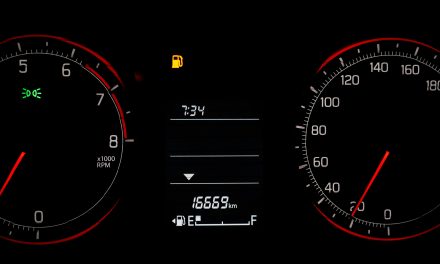
Ford dashboard warning lights serve as critical indicators of a vehicle’s operational status, alerting drivers to potential issues that may require immediate attention. These lights are designed to provide real-time feedback on various systems within the vehicle, ranging from engine performance to safety features. Understanding these warning signals is essential for maintaining vehicle integrity and ensuring driver safety. Each light has a specific meaning, and recognizing them can prevent minor issues from escalating into significant problems.
The dashboard of a Ford vehicle is equipped with a variety of warning lights, each represented by distinct symbols and colors. Typically, these lights are categorized into three groups: red, yellow/orange, and green/blue. Red lights indicate urgent issues that require immediate action, such as engine failure or brake system malfunctions. Yellow or orange lights signify cautionary alerts that may necessitate further investigation, while green or blue lights indicate that a system is functioning correctly. Familiarity with these indicators can empower drivers to take proactive measures in vehicle maintenance.
If you’re looking to understand what the various Ford dashboard warning lights mean, you might find it helpful to explore related topics that discuss vehicle maintenance and care. For instance, an interesting article on ensuring your pets are well taken care of while you’re away can be found here: Top 10 Cat Boarding Services for Your Feline’s Comfort & Care. While it may not directly relate to automotive issues, it highlights the importance of proper care and attention, whether for your vehicle or your beloved pets.
Common Ford Warning Lights and Their Meanings
Ford vehicles feature an array of warning lights, each serving a unique purpose. Among the most common are the Check Engine Light, Battery Warning Light, Oil Pressure Warning Light, Brake System Warning Light, Tire Pressure Monitoring System (TPMS) Light, Engine Temperature Warning Light, and Transmission Warning Light. Each of these indicators plays a vital role in monitoring the vehicle’s health and performance.
1. **Check Engine Light**: This light can illuminate for various reasons, ranging from minor issues like a loose gas cap to more severe problems such as engine misfires or catalytic converter failures.
2. **Battery Warning Light**: When this light appears, it indicates potential issues with the vehicle’s charging system, including battery failure or alternator problems.
3. **Oil Pressure Warning Light**: This light signals low oil pressure, which can lead to severe engine damage if not addressed promptly.
4. **Brake System Warning Light**: This indicator alerts drivers to potential brake system failures or low brake fluid levels, both of which require immediate attention.
5. **Tire Pressure Monitoring System (TPMS) Light**: This light warns of low tire pressure, which can affect vehicle handling and fuel efficiency.
6. **Engine Temperature Warning Light**: When illuminated, this light indicates that the engine is overheating, which can lead to catastrophic engine failure if not resolved.
7. **Transmission Warning Light**: This light signifies potential transmission issues that could affect vehicle performance and drivability.
Understanding these warning lights is crucial for maintaining optimal vehicle performance and ensuring safety on the road.
Check Engine Light: Causes and Immediate Actions

The Check Engine Light (CEL) is one of the most recognized warning indicators on a Ford dashboard. Its illumination can be triggered by a myriad of factors, including but not limited to faulty oxygen sensors, malfunctioning mass airflow sensors, or issues with the catalytic converter. Additionally, it may signal problems with the ignition system or fuel delivery components. Given its broad range of potential causes, it is imperative for drivers to take immediate action upon noticing this warning light.
Upon activation of the Check Engine Light, drivers should first check for any obvious issues such as loose gas caps or visible leaks under the hood. If no immediate problems are apparent, it is advisable to utilize an OBD-II scanner to retrieve diagnostic trouble codes (DTCs). These codes provide valuable insights into the specific malfunction triggering the CEL. Depending on the severity of the issue indicated by the codes, drivers may need to consult a professional mechanic for further diagnosis and repair.
Battery Warning Light: What It Indicates and How to React

The Battery Warning Light serves as an essential alert regarding the vehicle’s electrical system health. When illuminated, it typically indicates that the battery is not charging properly or that there is an issue with the alternator. This warning should not be ignored, as it can lead to complete electrical failure if left unaddressed.
Upon noticing the Battery Warning Light, drivers should first check the battery terminals for corrosion or loose connections. If connections appear secure and clean, it may be necessary to test the battery’s voltage using a multimeter or take the vehicle to an automotive service center for a comprehensive electrical system evaluation. In some cases, replacing a faulty alternator or battery may be required to restore proper functionality.
Understanding what Ford dashboard warning lights mean is crucial for maintaining your vehicle’s health and safety. These lights serve as indicators of various issues, from minor alerts to serious concerns that require immediate attention. For those looking to enhance their vehicle maintenance knowledge, you might find it helpful to read a related article on how to prevent frozen pipes and what to do if they freeze. This information can be particularly useful during colder months when vehicle performance may be affected by weather conditions. You can check out the article here for more insights.
Oil Pressure Warning Light: Signs and Safety Measures
The Oil Pressure Warning Light is a critical indicator of engine health and lubrication status. When this light illuminates, it signifies that oil pressure has dropped below safe levels, which can lead to severe engine damage if not addressed promptly. Common causes for low oil pressure include insufficient oil levels, oil leaks, or a malfunctioning oil pump.
Drivers should take immediate action upon seeing this warning light by checking the oil level using the dipstick. If oil levels are low, adding oil may resolve the issue temporarily; however, it is crucial to investigate potential leaks or mechanical failures that could be causing the drop in pressure. Continuing to drive with this warning light illuminated can result in catastrophic engine failure and costly repairs.
Brake System Warning Light: Importance and Response Steps
The Brake System Warning Light is an essential safety feature that alerts drivers to potential issues within the braking system. This light may illuminate due to low brake fluid levels, worn brake pads, or malfunctioning brake components. Ignoring this warning can compromise vehicle safety and increase the risk of accidents.
Upon activation of the Brake System Warning Light, drivers should first check the brake fluid reservoir for adequate fluid levels. If levels are low, topping off with the appropriate brake fluid type may resolve the issue temporarily; however, it is vital to investigate further for leaks or worn components that may require replacement. If the light remains illuminated after addressing fluid levels, seeking professional assistance is recommended to ensure safe braking performance.
Tire Pressure Monitoring System (TPMS) Light: What to Do
The Tire Pressure Monitoring System (TPMS) Light serves as an important alert regarding tire health and safety. When this light illuminates, it indicates that one or more tires are operating below recommended pressure levels. Low tire pressure can adversely affect handling, fuel efficiency, and overall vehicle safety.
Drivers should respond promptly by checking tire pressures using a reliable tire gauge. If any tires are found to be under-inflated, they should be inflated to the manufacturer’s recommended specifications as indicated on the driver’s side door jamb. Additionally, it is advisable to inspect tires for visible damage or punctures that may require repair or replacement. Regularly monitoring tire pressure can prevent TPMS alerts and enhance overall driving safety.
Engine Temperature Warning Light: Risks and Prevention
The Engine Temperature Warning Light is a critical indicator of engine cooling system performance. When illuminated, it signifies that the engine is overheating due to insufficient coolant levels or a malfunctioning cooling system component such as a thermostat or water pump. Ignoring this warning can lead to severe engine damage and costly repairs.
Upon noticing this warning light, drivers should immediately pull over in a safe location and turn off the engine to prevent further overheating. After allowing the engine to cool down, checking coolant levels in the reservoir is essential; if levels are low, adding coolant may be necessary. However, if overheating persists after addressing coolant levels, seeking professional assistance is crucial for diagnosing underlying issues within the cooling system.
Transmission Warning Light: Identifying Issues Early
The Transmission Warning Light serves as an important alert regarding potential transmission malfunctions that could affect vehicle performance and drivability. Common causes for this warning light include low transmission fluid levels, overheating transmission fluid, or internal transmission failures.
Upon activation of this warning light, drivers should first check transmission fluid levels using the dipstick while ensuring that the vehicle is parked on level ground. If fluid levels are low or discolored, adding fresh transmission fluid may resolve minor issues; however, persistent illumination of this light necessitates professional diagnosis and repair to prevent further damage to the transmission system.
How to Reset Ford Dashboard Warning Lights Safely
Resetting Ford dashboard warning lights should only be performed after addressing the underlying issues that triggered their illumination. To reset these lights safely, drivers can follow these general steps:
1. **Turn Off the Ignition**: Ensure that the vehicle is turned off completely before attempting any reset procedures.
2. **Disconnect Battery**: For certain models, disconnecting the negative terminal of the battery for approximately 15 minutes can reset various warning lights.
3. **Use OBD-II Scanner**: Utilizing an OBD-II scanner allows drivers to clear diagnostic trouble codes (DTCs) associated with warning lights after repairs have been made.
4. **Reconnect Battery**: After waiting for 15 minutes or clearing codes with an OBD-II scanner, reconnect the battery terminal securely.
5. **Start Vehicle**: Turn on the ignition and observe whether warning lights remain illuminated; if they do not reappear after addressing issues properly, reset was successful.
When to Seek Professional Help: Diagnosing Serious Problems
While many dashboard warning lights can be addressed through basic troubleshooting and maintenance practices, certain situations warrant professional intervention. Drivers should seek assistance from qualified automotive technicians when:
1. **Warning Lights Persist**: If warning lights remain illuminated despite attempts at resetting or addressing underlying issues.
2. **Multiple Lights Illuminate**: The simultaneous illumination of multiple warning lights may indicate systemic problems requiring expert diagnosis.
3. **Unusual Noises or Performance Issues**: Any accompanying symptoms such as strange noises or significant changes in vehicle performance should prompt immediate professional evaluation.
4. **Complex Repairs Needed**: Issues involving critical systems such as brakes or transmission often require specialized knowledge and tools for effective resolution.
In conclusion, understanding Ford dashboard warning lights is essential for maintaining vehicle safety and performance. By recognizing common indicators such as the Check Engine Light and Battery Warning Light—and knowing how to respond appropriately—drivers can prevent minor issues from escalating into serious problems. Regular maintenance checks and prompt attention to warning signals will ensure optimal vehicle operation and enhance overall driving experience.
In summary:
– Familiarize yourself with dashboard warning lights.
– Respond promptly to alerts like Check Engine and Oil Pressure warnings.
– Regularly check fluid levels and tire pressures.
– Seek professional help when necessary for complex issues.
– Maintain your vehicle regularly to prevent future warnings from occurring.
By adhering to these guidelines and understanding your Ford’s dashboard indicators thoroughly, you can ensure a safer driving experience while prolonging your vehicle’s lifespan.
FAQs
What do the different colors of Ford dashboard warning lights indicate?
The colors of Ford dashboard warning lights indicate the severity of the issue. Red lights typically signify a serious problem that requires immediate attention, such as engine failure or brake issues. Yellow or amber lights indicate a cautionary warning that should be addressed soon, like low fuel or a maintenance reminder. Green or blue lights are informational, indicating that a system is active, such as headlights or turn signals.
What should I do if a warning light comes on while driving my Ford?
If a warning light comes on while driving, you should first assess the color and type of the light. For red lights, safely pull over and turn off the engine to prevent further damage. For yellow lights, you can continue driving but should address the issue as soon as possible. Always consult your owner’s manual for specific guidance related to the warning light that has illuminated.
How can I reset the dashboard warning lights on my Ford?
To reset dashboard warning lights on your Ford, you can try disconnecting the battery for a few minutes, which may clear the codes. However, it’s essential to first resolve the underlying issue that triggered the warning light. Alternatively, using an OBD-II scanner can help reset the warning lights after the problem has been fixed.
What does the check engine light mean on my Ford dashboard?
The check engine light on your Ford dashboard indicates that the vehicle’s onboard diagnostics system has detected an issue with the engine or emissions system. This could range from a loose gas cap to more serious problems like engine misfires. It’s advisable to have the vehicle checked by a professional mechanic to diagnose and resolve the issue.
Are dashboard warning lights the same across all Ford models?
While many dashboard warning lights are standardized across Ford models, there can be variations depending on the specific model and year. Some newer models may have additional warning lights for advanced features like lane-keeping assist or adaptive cruise control. Always refer to the owner’s manual for the specific meanings of warning lights for your particular Ford vehicle.