Hair removal has become an integral part of personal grooming for many individuals, transcending cultural and societal norms. With a plethora of methods available, ranging from traditional techniques to advanced technological solutions, the choice can often be overwhelming. The most common methods include shaving, waxing, and laser hair removal, each with its unique advantages and drawbacks. This article aims to delve into the intricacies of laser hair removal and waxing, focusing particularly on the pain associated with each method and how individuals can manage it effectively.
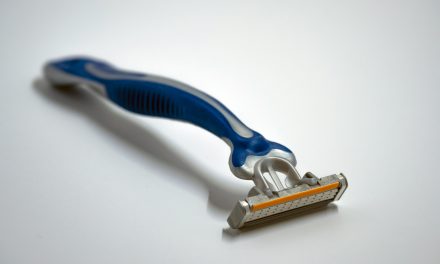
Understanding the mechanics behind these hair removal techniques is crucial for making informed decisions. While shaving offers a quick and painless solution, it often leads to stubble and requires frequent maintenance. Waxing, on the other hand, provides longer-lasting results but can be uncomfortable. Laser hair removal stands out as a more permanent solution, yet it raises concerns regarding pain levels during the procedure. By exploring these methods in detail, we can better appreciate their efficacy and the experiences of those who have undergone them.
When considering hair removal options, many people often wonder whether laser hair removal hurts more than waxing. While both methods have their pros and cons, understanding the pain levels associated with each can help in making an informed decision. For those who might be experiencing discomfort in other areas of their lives, such as hearing unsettling noises at night, it could be beneficial to explore related topics. For instance, you can read about what to do if you hear scratching in the walls at night by checking out this article: What to Do If You Hear Scratching in the Walls at Night.
How Laser Hair Removal Works
Laser hair removal employs concentrated beams of light to target and destroy hair follicles. The procedure begins with the application of a cooling gel to protect the skin and enhance the effectiveness of the laser. The laser emits a specific wavelength of light that is absorbed by the pigment in the hair follicles, leading to their destruction while sparing the surrounding skin. This selective photothermolysis is what makes laser hair removal a precise and effective method for long-term hair reduction.
Typically, multiple sessions are required to achieve optimal results, as hair grows in cycles, and not all follicles are active at the same time. The number of sessions varies depending on factors such as hair color, skin type, and the area being treated. Patients often report a gradual reduction in hair density over time, with many experiencing permanent hair loss after completing their treatment regimen. Understanding this process is essential for setting realistic expectations regarding outcomes and timelines.
The Waxing Process Explained

Waxing is a semi-permanent hair removal method that involves applying a sticky substance to the skin and then quickly removing it, pulling out hair from the root. The process begins with cleansing the area to remove any oils or impurities that could hinder adhesion. Warm wax is then applied in the direction of hair growth, followed by placing a cloth or paper strip over it. Once the wax cools slightly, the strip is pulled off rapidly against the direction of hair growth, resulting in the removal of hair along with dead skin cells.
The effectiveness of waxing largely depends on hair length; ideally, hair should be at least a quarter-inch long for optimal results. While waxing can be performed at home using kits available in stores, many individuals opt for professional services to ensure precision and minimize discomfort. The results typically last anywhere from three to six weeks, making waxing a popular choice for those seeking longer-lasting smoothness compared to shaving.
Comparing the Pain Levels: What to Expect

Pain perception varies significantly among individuals, influenced by factors such as personal pain tolerance, skin sensitivity, and the area being treated. In general, laser hair removal is often described as feeling like a rubber band snapping against the skin. While some patients report minimal discomfort during the procedure due to advancements in technology that incorporate cooling mechanisms, others may experience a higher level of pain depending on their sensitivity.
Conversely, waxing is frequently characterized as more painful due to its nature of pulling hair from the root. The sensation can range from mild discomfort to sharp pain, particularly in sensitive areas such as the bikini line or underarms. However, many individuals find that the pain diminishes with regular waxing sessions as hair becomes finer and less dense over time. Understanding these differences can help individuals prepare mentally for their chosen method.
When considering hair removal options, many people wonder whether laser hair removal hurts more than waxing. While both methods have their pros and cons, individual pain tolerance can significantly influence the experience. For those interested in exploring various hair removal techniques, a related article discusses the differences between these methods and offers insights into what to expect. You can read more about it here. Understanding the nuances of each option can help you make an informed decision that best suits your needs.
Factors Influencing Pain Sensation in Laser Hair Removal
Several factors contribute to the pain experienced during laser hair removal. Skin type plays a significant role; individuals with darker skin tones may experience more discomfort due to increased melanin absorption of the laser light. Additionally, the area being treated can influence pain levels; sensitive regions such as the face or bikini area tend to be more painful compared to less sensitive areas like the legs.
The type of laser used also impacts pain perception. Some lasers are designed with built-in cooling systems that minimize discomfort during treatment. Furthermore, individual pain thresholds vary widely; what may be tolerable for one person could be excruciating for another. Understanding these factors can help patients discuss their concerns with practitioners and choose appropriate settings for their treatments.
Factors Influencing Pain Sensation in Waxing
Similar to laser hair removal, various factors affect pain levels during waxing procedures. The thickness and density of hair play a crucial role; coarser hair tends to be more painful when removed compared to finer hair. Additionally, hormonal fluctuations can influence skin sensitivity; women may experience heightened sensitivity during menstruation or pregnancy, making waxing more uncomfortable during these times.
The technique employed by the esthetician also matters significantly; improper application or removal can lead to increased pain and irritation. Choosing a skilled professional who understands proper waxing techniques can mitigate discomfort and enhance overall satisfaction with the experience. Furthermore, pre-waxing preparations such as exfoliation can help reduce pain by minimizing dead skin buildup.
Pain Management Techniques for Laser Hair Removal
To alleviate discomfort during laser hair removal sessions, several pain management techniques can be employed. Topical anesthetics are commonly used prior to treatment; these creams numb the skin’s surface and significantly reduce pain perception during the procedure. Patients should consult with their practitioners about suitable options based on their individual needs.
Cooling devices integrated into laser systems also provide relief by lowering skin temperature during treatment. Some clinics offer ice packs or cooling gels post-treatment to soothe any residual discomfort. Additionally, practicing relaxation techniques such as deep breathing or visualization can help patients manage anxiety and pain levels effectively during their sessions.
Pain Management Techniques for Waxing
For those opting for waxing, various strategies can help minimize discomfort associated with this method. One effective approach is taking an over-the-counter pain reliever approximately 30 minutes before the appointment; this can help dull pain sensations during the procedure. Additionally, ensuring that hair is at an appropriate length—neither too short nor too long—can enhance comfort levels.
Applying soothing lotions or aloe vera gel post-waxing can alleviate irritation and redness caused by the procedure. Furthermore, maintaining regular waxing schedules can lead to reduced pain over time as hair becomes finer and less dense with each session. Educating oneself about proper aftercare can significantly enhance overall satisfaction with waxing experiences.
Long-Term Effects on Skin Sensitivity and Pain
Both laser hair removal and waxing have potential long-term effects on skin sensitivity and pain perception. Laser treatments may lead to temporary redness or swelling immediately following sessions; however, most patients find that their skin adapts over time, resulting in reduced sensitivity with subsequent treatments. In some cases, individuals may experience hyperpigmentation or hypopigmentation due to laser exposure; thus, it is essential to follow post-treatment care instructions diligently.
Waxing can also lead to changes in skin sensitivity over time. Regular waxing may result in less painful experiences as hair follicles become weaker and finer with repeated removal. However, some individuals may develop ingrown hairs or folliculitis if proper aftercare is not observed. Understanding these potential outcomes allows individuals to make informed decisions about their preferred hair removal methods.
Personal Experiences: Testimonials from Users
Personal testimonials provide valuable insights into the experiences of individuals who have undergone both laser hair removal and waxing procedures. Many users report that while initial sessions of laser treatment may be uncomfortable, subsequent visits become increasingly tolerable as they acclimate to the sensation. One user noted that “the first session felt like a series of rubber bands snapping against my skin, but by my third visit, I hardly felt anything at all.”
Conversely, waxing testimonials often highlight the immediate satisfaction of smooth skin following treatment despite initial discomfort. A frequent waxer shared that “the pain is worth it for weeks of smoothness,” emphasizing how regular sessions have made her experience less painful over time. These personal accounts underscore the importance of individual preferences and experiences when choosing between these methods.
Which Method Is More Painful?
Determining which hair removal method is more painful ultimately depends on individual preferences and experiences. Laser hair removal may present initial discomfort but often becomes more manageable over time due to advancements in technology and individual acclimatization. Waxing tends to be perceived as more painful due to its nature of pulling hair from the root but may also become less uncomfortable with regular sessions.
Ultimately, both methods have their merits and drawbacks regarding pain levels and effectiveness. Individuals should consider their pain tolerance, desired results, and long-term goals when choosing between laser hair removal and waxing. Consulting with professionals in either field can provide personalized recommendations tailored to individual needs and preferences.
In summary, understanding various hair removal methods allows individuals to make informed choices based on personal experiences and preferences regarding pain management techniques and long-term effects on skin sensitivity.
FAQs
Does laser hair removal hurt more than waxing?
Laser hair removal typically causes less pain than waxing. While both methods can cause discomfort, waxing involves pulling hair out from the root, which can be quite painful. Laser hair removal uses concentrated light to target hair follicles, resulting in a sensation that many describe as a mild snapping or tingling feeling.
What factors influence the pain level of laser hair removal?
The pain level of laser hair removal can be influenced by several factors, including the individual’s pain tolerance, the area being treated, the type of laser used, and whether a cooling system is employed during the procedure. Areas with more sensitive skin, such as the bikini line or underarms, may experience more discomfort.
Can pain relief options be used during laser hair removal?
Yes, many clinics offer pain relief options for laser hair removal. These can include topical numbing creams applied before the procedure, cooling devices that soothe the skin during treatment, or even oral pain relievers taken prior to the session to minimize discomfort.
How does the pain of waxing compare to laser hair removal?
Waxing generally causes more immediate and intense pain because it involves ripping hair out from the root. The pain is often described as sharp and brief. In contrast, laser hair removal may feel more like a series of quick snaps or a rubber band being flicked against the skin, which many find to be more tolerable.
Is there a difference in pain perception between different skin types?
Yes, pain perception can vary between different skin types. Individuals with sensitive skin may experience more discomfort during both waxing and laser hair removal. Additionally, skin tone can affect how the laser interacts with the skin, potentially influencing the sensation felt during the procedure.