Salmon, a highly sought-after fish known for its rich flavor and nutritional benefits, is a staple in many diets worldwide. Its shelf life is a critical aspect that consumers must understand to ensure both safety and quality. The longevity of salmon depends on various factors, including its freshness at the time of purchase, storage conditions, and whether it is raw or cooked. Fresh salmon, when handled correctly, can provide a delightful culinary experience, but improper storage can lead to spoilage and foodborne illnesses.
The shelf life of salmon can be categorized into two main types: fresh and cooked. Fresh salmon typically has a shorter shelf life compared to its cooked counterpart. Understanding the nuances of each type is essential for consumers who wish to enjoy this delectable fish while minimizing waste and health risks. This article will delve into the factors affecting salmon’s longevity, proper storage techniques, signs of spoilage, and best practices for extending its shelf life.
Understanding the shelf life of salmon is crucial for ensuring food safety and quality. For those interested in learning more about preserving seafood and preventing spoilage, a related article can provide valuable insights. You can read about effective methods to maintain the freshness of various foods by visiting this link: here.
Factors Affecting Fresh Salmon Longevity
Several factors influence how long fresh salmon remains safe and palatable. One of the primary determinants is the quality of the fish at the time of purchase. Salmon that has been freshly caught and handled with care will naturally have a longer shelf life than fish that has been previously frozen or improperly stored. The handling practices during processing, transportation, and display in retail environments play a significant role in determining freshness.
Another critical factor is temperature control. Salmon should be kept at temperatures below 40°F (4°C) to inhibit bacterial growth. The duration of exposure to warmer temperatures can significantly reduce its shelf life. Additionally, the presence of oxygen can lead to oxidation, which affects flavor and texture. Vacuum-sealing or wrapping salmon tightly can help mitigate this issue by limiting exposure to air.
How to Properly Store Fresh Salmon

To maximize the shelf life of fresh salmon, proper storage techniques are essential. First and foremost, it is crucial to refrigerate the fish as soon as possible after purchase. Ideally, fresh salmon should be stored in the coldest part of the refrigerator, typically at the back, where temperatures are most stable. It is advisable to keep the salmon in its original packaging if it is vacuum-sealed; otherwise, transferring it to an airtight container or wrapping it tightly in plastic wrap can help maintain freshness.
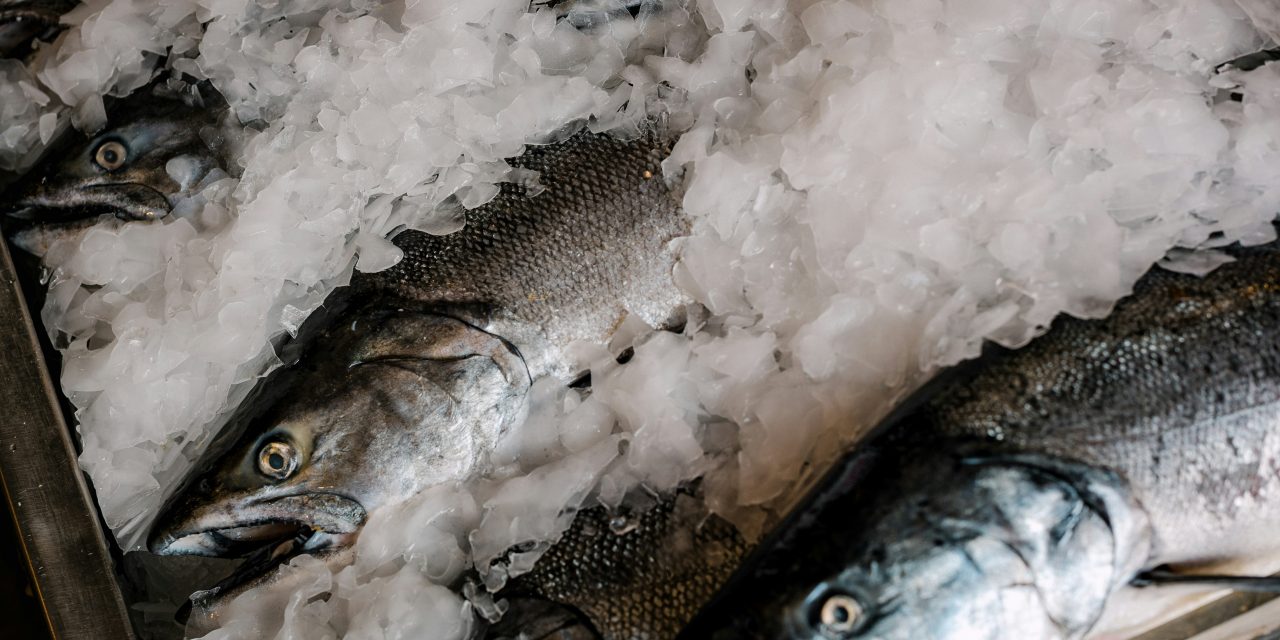
Another effective method for storing fresh salmon is to place it on a bed of ice in a shallow dish. This technique not only keeps the fish cold but also absorbs excess moisture that could lead to spoilage. It is important to change the ice regularly to ensure optimal cooling. Additionally, labeling the packaging with the purchase date can help track freshness and prevent consumption beyond its safe period.
Signs Fresh Salmon Has Gone Bad

Identifying spoiled salmon is crucial for food safety. Several indicators can signal that fresh salmon has deteriorated. One of the most apparent signs is a change in color; fresh salmon should have a vibrant pink or orange hue. If the flesh appears dull or has brown spots, it may be past its prime. Additionally, an off-putting odor is a strong indicator of spoilage; fresh salmon should have a mild scent reminiscent of the ocean rather than a strong fishy smell.
Texture is another important factor to consider when assessing freshness. Fresh salmon should feel firm to the touch and spring back when pressed. If the flesh feels mushy or leaves an indentation when touched, it is likely spoiled. Lastly, checking for sliminess on the surface can also indicate spoilage; fresh salmon should have a clean appearance without any excessive moisture or slime.
Understanding the shelf life of salmon is crucial for both safety and quality, especially for those who enjoy incorporating this nutritious fish into their meals. For more insights on maintaining freshness in your kitchen, you might find it helpful to explore an article on seasonal gardening, which discusses how to grow your own herbs and vegetables year-round. This can complement your salmon dishes beautifully. You can read more about it in this essential tips for successful seasonal gardening.
Shelf Life of Fresh Salmon in the Refrigerator
The shelf life of fresh salmon in the refrigerator varies based on several factors, including its initial quality and storage conditions. Generally, fresh salmon can last between 1 to 2 days when stored properly in the refrigerator at temperatures below 40°F (4°C). It is advisable to consume it as soon as possible for optimal flavor and texture.
For those who may not be able to consume fresh salmon within this timeframe, it is recommended to freeze it for extended storage. Freezing halts bacterial growth and preserves the fish’s quality for a longer duration. However, once thawed, it should be consumed within 1 to 2 days for safety reasons.
When considering the shelf life of salmon, it is essential to understand how proper storage techniques can significantly extend its freshness. For instance, vacuum sealing salmon can help preserve its quality for a longer period. If you’re interested in exploring more about food preservation methods, you might find this article on reliable pet sitters helpful, as it discusses the importance of maintaining a safe environment for your pets, which can also relate to keeping food items fresh. You can read more about it here.
Freezing Fresh Salmon: Tips and Duration
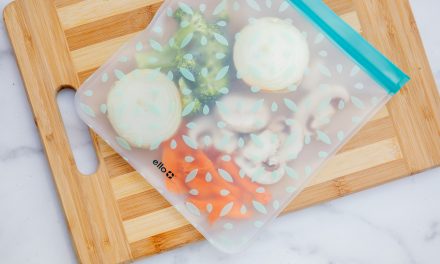
Freezing fresh salmon is an excellent way to extend its shelf life significantly. When done correctly, frozen salmon can maintain its quality for up to 6 months or even longer if stored at a consistent temperature of 0°F (-18°C) or lower. To freeze salmon effectively, it is essential to wrap it tightly in plastic wrap or aluminum foil before placing it in an airtight freezer bag or container. This method helps prevent freezer burn, which can negatively impact texture and flavor.
Before freezing, consider portioning the salmon into individual servings for convenience. This practice allows for easy thawing without compromising the entire batch. Additionally, labeling each package with the date of freezing can help keep track of storage duration and ensure that older fish is consumed first.
Cooked Salmon Shelf Life Explained
Cooked salmon has a longer shelf life compared to its raw counterpart due to the elimination of harmful bacteria during cooking. When stored properly in the refrigerator, cooked salmon can last for about 3 to 4 days. It is essential to cool cooked salmon quickly before refrigerating it; leaving it at room temperature for extended periods can promote bacterial growth.
For those who wish to extend the shelf life of cooked salmon further, freezing is an option as well. When frozen, cooked salmon can maintain its quality for up to 2 to 3 months. Similar to raw salmon, it should be wrapped tightly and stored in an airtight container or freezer bag to prevent freezer burn.
Best Storage Practices for Cooked Salmon
To ensure that cooked salmon remains safe and delicious for as long as possible, adhering to best storage practices is vital. After cooking, allow the salmon to cool down at room temperature for no more than two hours before transferring it to the refrigerator. Storing cooked salmon in shallow containers promotes faster cooling and minimizes the risk of bacterial growth.
When reheating cooked salmon, it is crucial to heat it thoroughly until it reaches an internal temperature of 165°F (74°C) to ensure any potential bacteria are eliminated. Avoid reheating multiple times; instead, only reheat what you plan to consume immediately.
Identifying Spoiled Cooked Salmon
Spoiled cooked salmon can pose health risks if consumed. Similar to fresh salmon, there are several signs that indicate cooked salmon has gone bad. A noticeable change in color or texture can be alarming; cooked salmon should retain its pinkish hue and firm texture. If it appears dull or has developed an off-color, it may no longer be safe to eat.
Additionally, an unpleasant odor is a strong indicator of spoilage; if cooked salmon emits a sour or rancid smell, it should be discarded immediately. Lastly, if there are any signs of mold or excessive moisture on the surface, these are clear indicators that the fish has spoiled and should not be consumed.
How to Extend the Shelf Life of Salmon
Extending the shelf life of salmon involves implementing several strategies that focus on proper handling and storage techniques. First and foremost, purchasing high-quality fish from reputable sources ensures that you start with fresh product. Additionally, maintaining optimal refrigeration temperatures during storage is crucial; consistently keeping your refrigerator below 40°F (4°C) will inhibit bacterial growth.
Utilizing vacuum-sealing methods can also significantly prolong freshness by reducing exposure to air and moisture. For those who frequently consume salmon, investing in a vacuum sealer may be worthwhile for preserving both raw and cooked varieties effectively.
Food Safety Tips When Handling Salmon
Food safety is paramount when handling salmon to prevent foodborne illnesses such as Salmonella or Listeria infections. Always wash your hands thoroughly with soap and water before and after handling raw fish. Use separate cutting boards and utensils for raw seafood to avoid cross-contamination with other foods.
When thawing frozen salmon, do so in the refrigerator rather than at room temperature; this practice minimizes bacterial growth during thawing periods. Lastly, always cook salmon thoroughly until it reaches an internal temperature of 145°F (63°C) for optimal safety.
In summary, understanding the shelf life of salmon—both fresh and cooked—is essential for ensuring food safety and quality consumption. By recognizing factors affecting longevity, employing proper storage techniques, identifying signs of spoilage, and adhering to food safety guidelines, consumers can enjoy this nutritious fish while minimizing waste and health risks associated with improper handling.
FAQs
What is the typical shelf life of fresh salmon?
Fresh salmon typically has a shelf life of 1 to 2 days when stored in the refrigerator at temperatures below 40°F (4°C). It is best consumed as soon as possible for optimal freshness and flavor.
How long can cooked salmon be stored in the refrigerator?
Cooked salmon can be safely stored in the refrigerator for 3 to 4 days. It should be kept in an airtight container to maintain its quality and prevent contamination.
Can salmon be frozen, and if so, how long does it last in the freezer?
Yes, salmon can be frozen to extend its shelf life. When properly wrapped and stored in an airtight container or vacuum-sealed bag, raw salmon can last for up to 6 months in the freezer, while cooked salmon can last for about 2 to 3 months.
What are the signs that salmon has gone bad?
Signs that salmon has gone bad include a sour or off smell, a slimy texture, and discoloration. Fresh salmon should have a mild scent, firm texture, and vibrant color. If any of these signs are present, it is best to discard the fish.
How should salmon be stored to maximize its shelf life?
To maximize the shelf life of salmon, it should be stored in the coldest part of the refrigerator, ideally on ice or in a sealed container. For longer storage, freezing is recommended, ensuring it is well-wrapped to prevent freezer burn.