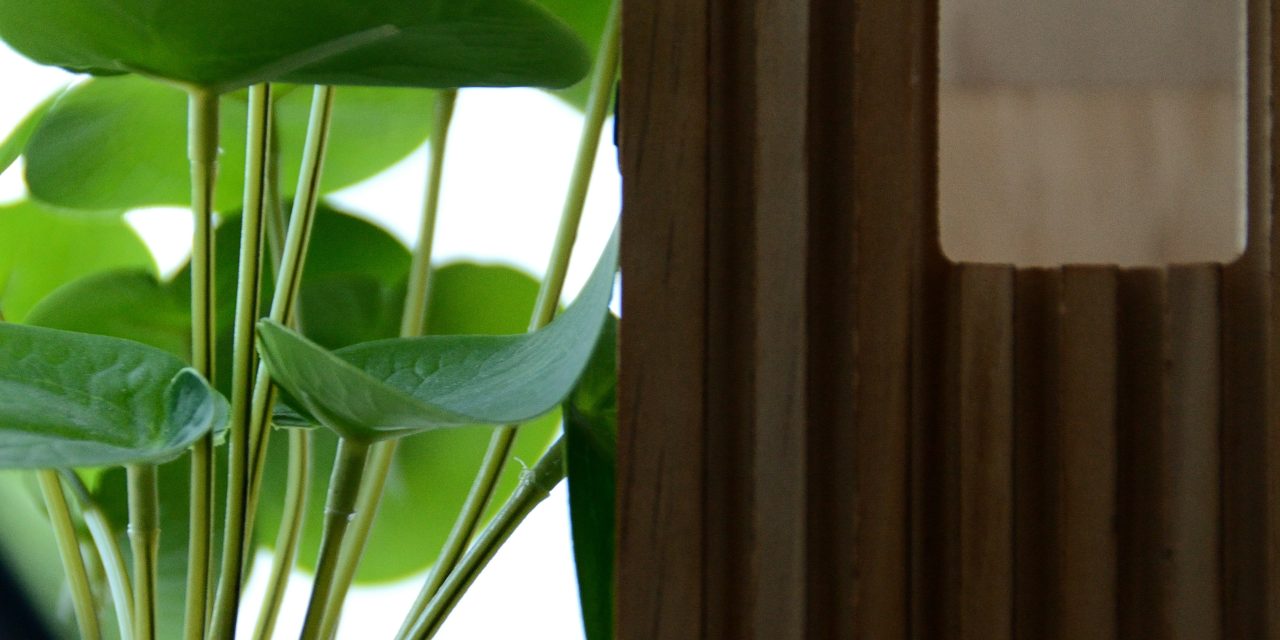
Peperomia, a genus belonging to the family Piperaceae, encompasses over 1,000 species of perennial plants, primarily native to tropical and subtropical regions. These charming plants have gained immense popularity among indoor gardening enthusiasts due to their diverse foliage, compact size, and low maintenance requirements. With their unique leaf shapes and colors, Peperomias can effortlessly enhance the aesthetic appeal of any indoor space. Their adaptability to various light conditions and humidity levels makes them an ideal choice for both novice and experienced plant caretakers.
The allure of Peperomia lies not only in its visual appeal but also in its ability to purify indoor air. Studies have shown that certain species can effectively remove toxins such as formaldehyde and benzene from the environment, contributing to a healthier living space. Furthermore, Peperomias are non-toxic to pets, making them a safe option for households with furry companions. As we delve deeper into the various species of Peperomia, it becomes evident that these plants are not just decorative; they are functional additions to any home.
Peperomia plants are a fantastic choice for indoor gardening enthusiasts due to their low maintenance and diverse varieties. If you’re interested in expanding your indoor plant collection, you might find it helpful to explore other easy-to-care-for plants. For instance, check out this article on how to grow milkweed, which not only beautifies your space but also supports monarch butterflies: 10 Easy Steps to Grow Milkweed for Monarch Butterflies at Home.
Benefits of Growing Peperomia in Your Home
Growing Peperomia in your home offers a multitude of benefits that extend beyond mere aesthetics. One of the primary advantages is their air-purifying capabilities. Research conducted by NASA’s Clean Air Study has highlighted the ability of certain houseplants, including Peperomia, to absorb harmful pollutants and improve indoor air quality. This is particularly beneficial for urban dwellers who may be exposed to higher levels of indoor toxins.
Additionally, Peperomias are remarkably resilient and can thrive in a variety of environmental conditions. They prefer indirect light but can tolerate low-light situations, making them suitable for dimly lit rooms or offices. Their drought-resistant nature means that they do not require frequent watering, allowing busy individuals to enjoy the beauty of greenery without the stress of constant upkeep. Moreover, their compact size makes them perfect for small spaces, such as apartments or office desks.
Peperomia Obtusifolia (Baby Rubber Plant)

Peperomia Obtusifolia, commonly known as the Baby Rubber Plant, is one of the most recognizable species within the Peperomia genus. Characterized by its thick, glossy leaves that resemble those of a rubber tree, this plant is a favorite among indoor gardeners. The leaves can vary in color from deep green to variegated shades of cream and green, adding visual interest to any collection.
This species thrives in bright, indirect light but can adapt to lower light conditions as well. It prefers well-draining soil and should be watered only when the top inch of soil feels dry to the touch. Overwatering can lead to root rot, a common issue with many houseplants. The Baby Rubber Plant is also known for its ability to tolerate dry air, making it an excellent choice for homes with central heating or air conditioning.
Peperomia Rosso: The Striking Red Underside

Peperomia Rosso is a stunning variety that captivates plant enthusiasts with its unique foliage. The leaves are dark green on top with a striking red underside, creating a dramatic contrast that adds depth to any indoor garden. This species is often referred to as the “Red-Leafed Peperomia” and is known for its compact growth habit.
Like other Peperomias, Rosso thrives in bright, indirect light but can tolerate lower light levels. It prefers a well-draining potting mix and should be watered when the soil feels dry about an inch deep. This plant is relatively low-maintenance and can be propagated easily through leaf cuttings or division, making it an excellent choice for those looking to expand their collection.
If you’re looking to enhance your indoor garden, the peperomia plant is a fantastic choice due to its unique foliage and low maintenance requirements. For more tips on caring for indoor plants, you can check out this insightful article that covers various aspects of plant care. It’s a great resource for anyone interested in creating a vibrant indoor space with plants like peperomia. You can read more about it here.
Peperomia Argyreia (Watermelon Peperomia)
Peperomia Argyreia, commonly known as Watermelon Peperomia due to its distinctive leaf pattern resembling that of a watermelon, is another popular choice among indoor gardeners. The leaves are round and thick with dark green stripes running across a lighter green background, creating an eye-catching appearance.
This species thrives in bright, indirect light but can also adapt to lower light conditions. It prefers a well-draining potting mix and should be watered when the top inch of soil feels dry. Watermelon Peperomia is known for its ability to tolerate neglect, making it an ideal choice for busy individuals or those new to plant care. Additionally, it can be propagated through leaf cuttings or division.
Peperomia Caperata: The Rippled Leaf Beauty
Peperomia Caperata, often referred to as the Rippled Leaf Peperomia, is distinguished by its textured leaves that feature deep ridges and valleys. The leaves are typically dark green with a glossy finish, adding a unique tactile element to any plant collection. This species is particularly popular among collectors due to its striking appearance and ease of care.
Caring for Peperomia Caperata involves providing bright, indirect light and ensuring that the soil remains well-draining. It prefers slightly higher humidity levels but can adapt to average household humidity. Watering should be done when the top inch of soil feels dry; overwatering can lead to root rot. This species can also be propagated through leaf cuttings or division.
Peperomia Prostrata (String of Turtles)
Peperomia Prostrata, commonly known as String of Turtles due to its unique leaf shape resembling turtle shells, is a trailing variety that adds a whimsical touch to any indoor garden. The small, round leaves are dark green with intricate patterns that resemble the markings on a turtle’s shell.
This species thrives in bright, indirect light but can tolerate lower light conditions as well. It prefers well-draining soil and should be watered when the top inch of soil feels dry. String of Turtles is relatively low-maintenance and can be propagated through stem cuttings or division. Its trailing growth habit makes it an excellent choice for hanging baskets or shelves.
Peperomia Scandens: The Heartleaf Peperomia
Peperomia Scandens, commonly known as Heartleaf Peperomia due to its heart-shaped leaves, is a popular choice for those seeking a trailing plant with lush foliage. The leaves are thick and glossy, typically dark green with lighter green veins running through them.
This species thrives in bright, indirect light but can adapt to lower light conditions as well. It prefers well-draining soil and should be watered when the top inch of soil feels dry. Heartleaf Peperomia is known for its ability to tolerate neglect and can be propagated easily through stem cuttings or division.
Peperomia Polybotrya (Raindrop Peperomia)
Peperomia Polybotrya, commonly referred to as Raindrop Peperomia due to its unique leaf shape resembling raindrops, is another captivating variety within the Peperomia genus. The leaves are thick and glossy with a deep green color that adds vibrancy to any indoor space.
This species thrives in bright, indirect light but can tolerate lower light conditions as well. It prefers well-draining soil and should be watered when the top inch of soil feels dry. Raindrop Peperomia is relatively low-maintenance and can be propagated through leaf cuttings or division.
Peperomia Clusiifolia: The Variegated Wonder
Peperomia Clusiifolia, often referred to as the Variegated Wonder due to its striking variegated leaves, is a popular choice among indoor gardeners seeking unique foliage. The leaves are thick and glossy with shades of green and cream or yellow variegation.
This species thrives in bright, indirect light but can adapt to lower light conditions as well. It prefers well-draining soil and should be watered when the top inch of soil feels dry. Variegated Wonder is relatively low-maintenance and can be propagated through leaf cuttings or division.
Peperomia Ferreyrae (Happy Bean)
Peperomia Ferreyrae, commonly known as Happy Bean due to its unique bean-shaped leaves, is a charming addition to any indoor garden. The leaves are thick and fleshy with a deep green color that adds vibrancy to any space.
This species thrives in bright, indirect light but can tolerate lower light conditions as well. It prefers well-draining soil and should be watered when the top inch of soil feels dry. Happy Bean is relatively low-maintenance and can be propagated through leaf cuttings or division.
Peperomia Hope: The Trailing Delight
Peperomia Hope is another delightful trailing variety that captivates plant enthusiasts with its lush foliage and compact growth habit. The leaves are thick and glossy with a deep green color that adds vibrancy to any indoor space.
This species thrives in bright, indirect light but can tolerate lower light conditions as well. It prefers well-draining soil and should be watered when the top inch of soil feels dry. Trailing Delight is relatively low-maintenance and can be propagated through stem cuttings or division.
Tips for Caring and Maintaining Your Peperomia Plants
Caring for Peperomia plants involves understanding their specific needs while providing optimal growing conditions. Here are some essential tips for maintaining healthy Peperomias:
1. **Light Requirements**: Most Peperomias thrive in bright, indirect light but can adapt to lower light conditions. Avoid direct sunlight as it may scorch the leaves.
2. **Watering**: Allow the top inch of soil to dry out before watering again; overwatering can lead to root rot.
3. **Soil**: Use a well-draining potting mix; consider adding perlite or sand for improved drainage.
4. **Humidity**: While many Peperomias tolerate average household humidity levels, providing slightly higher humidity can promote healthier growth.
5. **Fertilization**: Feed your Peperomias with a balanced liquid fertilizer every 4-6 weeks during the growing season (spring and summer).
6. **Propagation**: Most species can be easily propagated through leaf cuttings or division; ensure cuttings are taken from healthy plants.
7. **Pest Management**: Regularly inspect your plants for pests such as spider mites or mealybugs; treat infestations promptly with insecticidal soap or neem oil.
In summary, Peperomias are an excellent choice for indoor gardening enthusiasts due to their diverse range of species, low maintenance requirements, and air-purifying qualities. From the Baby Rubber Plant to the Heartleaf variety, each species offers unique characteristics that enhance any living space while promoting a healthier environment. By following proper care guidelines and understanding their specific needs, you can enjoy these delightful plants for years to come.
FAQs
What is a Peperomia plant?
Peperomia is a genus of small, perennial plants that are native to tropical and subtropical regions. They are popular as indoor houseplants due to their attractive foliage, low maintenance requirements, and ability to thrive in various indoor conditions.
How do you care for a Peperomia plant?
Peperomia plants prefer bright, indirect light but can tolerate low light conditions. They require well-draining soil and should be watered when the top inch of soil feels dry. Overwatering should be avoided, as Peperomia is susceptible to root rot.
What are the common varieties of Peperomia?
Some popular varieties of Peperomia include Peperomia obtusifolia (Baby Rubber Plant), Peperomia caperata (Ripple Peperomia), Peperomia argyreia (Watermelon Peperomia), and Peperomia prostrata (String of Turtles). Each variety has unique leaf shapes and colors.
Are Peperomia plants safe for pets?
Yes, Peperomia plants are considered non-toxic to cats and dogs, making them a safe choice for households with pets. However, it’s always best to monitor pets around any houseplants to prevent any potential chewing or ingestion.
How often should you fertilize a Peperomia plant?
Peperomia plants do not require frequent fertilization. It is recommended to fertilize them with a balanced, water-soluble fertilizer every 4-6 weeks during the growing season (spring and summer) and to avoid fertilizing in the fall and winter when the plant’s growth slows down.