The foundation of any successful jelly lies in the quality of its ingredients. Selecting fresh, ripe fruits is paramount, as they not only contribute to the flavor but also to the overall texture and color of the final product. Fruits such as strawberries, raspberries, and blackberries are excellent choices due to their high pectin content, which is essential for achieving the desired gel consistency. Additionally, opting for organic produce can enhance the purity of your jelly, minimizing exposure to pesticides and other harmful chemicals.
Moreover, the sugar used in jelly-making plays a crucial role in both preservation and flavor enhancement. Granulated sugar is commonly employed, but alternatives such as honey or agave syrup can be utilized for a unique twist. When selecting sweeteners, it is vital to consider their impact on the jelly’s consistency and taste profile. High-quality fruit juices can also serve as a base for jelly, providing a concentrated flavor that elevates the overall experience. By prioritizing premium ingredients, you set the stage for a delectable and long-lasting jelly.
When considering the shelf life of jelly, it’s important to understand how various factors can affect its longevity and quality. For more insights on related topics, you might find this article interesting: 7 Reasons Why Your Car Struggles to Accelerate Uphill. While the article primarily discusses automotive issues, it highlights the importance of maintenance and care, which can also be applied to food preservation methods, including how to properly store jelly to extend its shelf life.
Sterilize Jars and Equipment Thoroughly
Sterilization is a critical step in the jelly-making process that cannot be overlooked. Properly sterilizing jars and equipment ensures that harmful microorganisms do not compromise the integrity of your jelly. Begin by washing all utensils, pots, and jars with hot, soapy water. Rinse thoroughly to eliminate any soap residue. Following this, jars can be sterilized by placing them in a boiling water bath for at least 10 minutes or running them through a dishwasher on a high-temperature cycle.
In addition to jars, lids must also be sterilized to create an airtight seal that prevents spoilage. Submerging lids in boiling water for a few minutes is an effective method. It is essential to allow all items to cool before use to avoid thermal shock that could lead to breakage. By adhering to stringent sterilization protocols, you significantly reduce the risk of contamination and extend the shelf life of your jelly.
Use Proper Sealing Techniques

Sealing techniques are vital in preserving the freshness and quality of your jelly. After filling sterilized jars with hot jelly, it is crucial to leave appropriate headspace—typically about ¼ inch—to allow for expansion during cooling. This space helps create a vacuum seal as the jelly cools down. Once filled, wipe the rims of the jars with a clean cloth to remove any residue that could interfere with sealing.
Next, place sterilized lids on each jar and secure them with metal bands. It is important not to overtighten these bands, as this can prevent air from escaping during the cooling process. Instead, ensure they are snug but allow for some movement. For those using a pressure canner or water bath canning method, following specific guidelines regarding processing times and temperatures is essential for achieving a proper seal. By employing these sealing techniques, you enhance the longevity of your jelly while maintaining its flavor and texture.
Store Jelly in a Cool, Dark Place

Proper storage conditions are crucial for maintaining the quality of your jelly over time. A cool, dark place—such as a pantry or cellar—provides an ideal environment for preserving flavor and preventing spoilage. Exposure to light can degrade the color and taste of jelly, while high temperatures can accelerate deterioration. Aim to store jars at temperatures between 50°F and 70°F (10°C to 21°C) for optimal preservation.
Additionally, it is advisable to keep jars away from direct sunlight and heat sources such as stoves or ovens. A consistent temperature is key; fluctuations can lead to condensation inside jars, promoting mold growth and spoilage. By adhering to these storage guidelines, you can ensure that your jelly remains delicious and safe for consumption over an extended period.
Understanding the shelf life of jelly can be crucial for ensuring food safety and quality. For those interested in learning more about food preservation techniques, a related article discusses various factors that affect the longevity of different food items. You can read more about it in this insightful piece on common reasons why pets might exhibit certain behaviors, which indirectly highlights the importance of maintaining a safe environment for both food and animals. Check it out here.
Avoid Frequent Temperature Fluctuations
Temperature fluctuations can have detrimental effects on the quality of your jelly. When jars are subjected to varying temperatures, it can lead to condensation forming inside the jar, which creates an environment conducive to mold growth and spoilage. To mitigate this risk, it is essential to maintain a stable storage environment.
Avoid moving jars from cold environments to warm ones frequently; this includes taking them out of refrigeration only to return them later. If you live in an area with significant seasonal temperature changes, consider investing in climate-controlled storage solutions or utilizing insulated containers that help maintain consistent temperatures. By minimizing temperature fluctuations, you protect your jelly from spoilage and ensure its longevity.
If you’re curious about how to extend the shelf life of your homemade jelly, you might find it helpful to explore related culinary tips. For instance, an article on easy freezer meals can provide insights into food preservation techniques that complement your jelly-making endeavors. You can check out the article here: easy dump and go freezer meals. By understanding how to properly store various foods, you can ensure that your jelly remains fresh and delicious for as long as possible.
Refrigerate After Opening
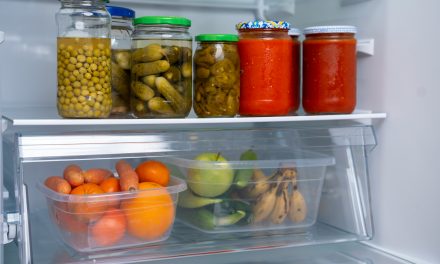
Once a jar of jelly has been opened, it becomes susceptible to contamination and spoilage due to exposure to air and potential bacteria from utensils. To prolong its shelf life after opening, refrigeration is highly recommended. Storing opened jelly in the refrigerator slows down microbial growth and helps maintain its flavor and texture.
Typically, opened jelly can last for several weeks in the refrigerator; however, it is essential to monitor it regularly for any signs of spoilage such as off odors or mold growth. If you notice any changes in appearance or smell, it is best to discard the jelly immediately. By refrigerating opened jars promptly after use, you significantly extend their usability while ensuring safety.
Avoid Contaminating the Jelly with Utensils
Preventing contamination during jelly preparation and serving is crucial for maintaining its quality and safety. Always use clean utensils when scooping out jelly from jars; this includes spoons or knives that have not been in contact with other foods or surfaces that may harbor bacteria. Cross-contamination can lead to spoilage and foodborne illnesses.
It is advisable to designate specific utensils solely for jelly use to minimize contamination risks further. Additionally, avoid double-dipping or using utensils that have been previously used for other foods when serving jelly. By adhering to these practices, you help preserve the integrity of your jelly while ensuring it remains safe for consumption.
Add Natural Preservatives When Possible
Incorporating natural preservatives into your jelly can enhance its shelf life while maintaining its flavor profile. Ingredients such as lemon juice or citric acid not only add acidity but also act as natural preservatives by inhibiting microbial growth. The acidity level in jelly plays a significant role in determining its safety and longevity.
Another option is using honey or maple syrup as sweeteners; both possess natural preservative properties due to their low moisture content and high sugar concentration. Additionally, certain spices like cinnamon or cloves can impart flavor while also acting as natural preservatives due to their antimicrobial properties. By integrating these natural preservatives into your jelly recipes, you can enhance both safety and flavor without relying on artificial additives.
Monitor Jelly for Signs of Spoilage Regularly
Regular monitoring of your jelly is essential for ensuring its safety and quality over time. Inspect jars periodically for any signs of spoilage such as mold growth, off odors, or changes in texture. If you notice any abnormalities—such as bubbling or an unusual appearance—it is best to err on the side of caution and discard the product.
Pay attention to the expiration dates labeled on jars; while homemade jellies may not have strict expiration dates like commercial products, they still have a finite shelf life based on ingredients used and storage conditions. Keeping a log of preparation dates can help track how long each jar has been stored. By routinely checking your jelly for spoilage signs, you ensure that only safe products are consumed.
Freeze Jelly for Long-Term Storage
For those looking to extend the shelf life of their jelly beyond standard storage methods, freezing presents an excellent option. Freezing preserves flavor and texture while preventing spoilage effectively. To freeze jelly, ensure it is cooled completely before transferring it into freezer-safe containers or bags.
Leave adequate headspace in containers to allow for expansion during freezing; this prevents breakage or leakage. Label containers with preparation dates for easy tracking of freshness. When ready to use frozen jelly, thaw it in the refrigerator rather than at room temperature to maintain quality. By utilizing freezing techniques, you can enjoy your homemade jelly long after its initial preparation.
Label Jars with Preparation and Expiry Dates
Labeling jars with preparation and expiry dates is an essential practice that aids in organization and ensures food safety. Clearly marking each jar allows you to keep track of when it was made and how long it has been stored. This practice helps prevent consuming expired products inadvertently.
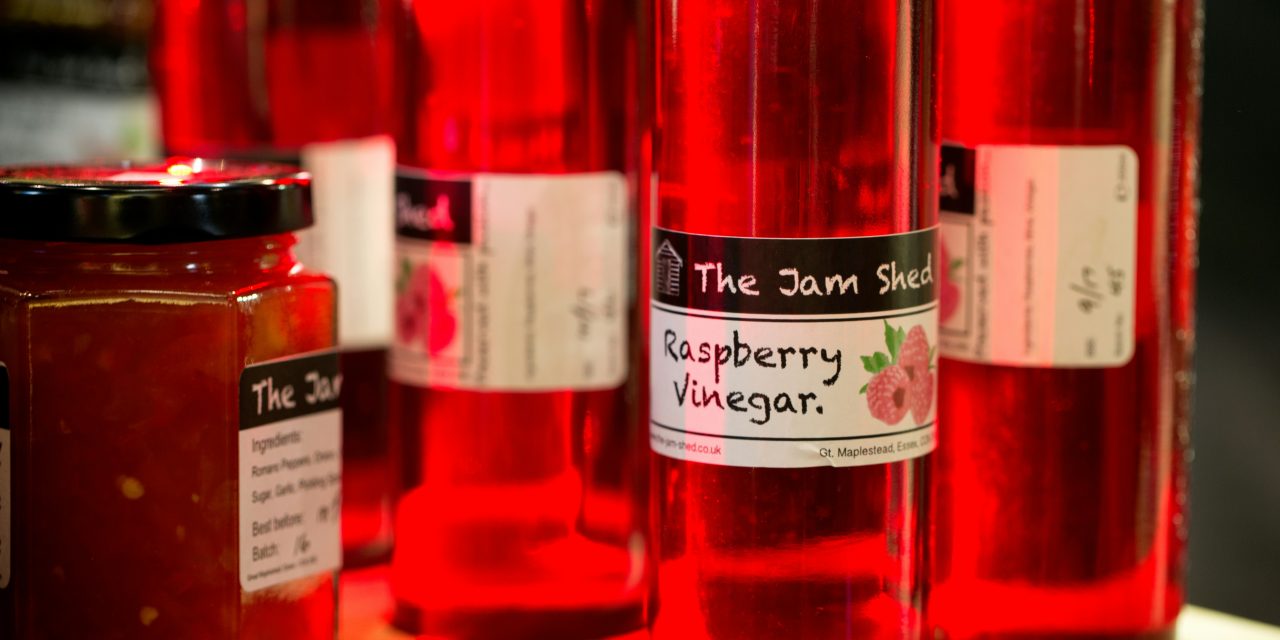
Use waterproof labels or permanent markers that withstand moisture exposure when labeling jars. Include information such as the type of jelly, preparation date, and an estimated expiry date based on storage conditions—typically around one year for unopened jars stored properly. By implementing this simple yet effective practice, you enhance food safety while simplifying inventory management.
In summary, making homemade jelly requires careful attention to detail at every stage—from selecting high-quality ingredients to proper storage techniques post-preparation. By following these guidelines diligently, you can create delicious jellies that not only tantalize taste buds but also stand the test of time against spoilage and contamination risks. Prioritizing cleanliness, monitoring storage conditions, and utilizing natural preservatives will ensure that your homemade creations remain safe and enjoyable for all who indulge in them.
FAQs
What is the typical shelf life of homemade jelly?
Homemade jelly typically has a shelf life of about 1 year when stored in a cool, dark place. However, for the best quality and flavor, it is recommended to consume it within 6 to 8 months.
How long can store-bought jelly last after opening?
Once opened, store-bought jelly can last for about 6 to 12 months in the refrigerator. Always check for signs of spoilage, such as off smells or mold, before consuming.
What factors can affect the shelf life of jelly?
Several factors can affect the shelf life of jelly, including the ingredients used, the method of preparation, storage conditions, and whether the jar has been opened. Exposure to air, light, and heat can also shorten its lifespan.
Can jelly go bad, and how can I tell?
Yes, jelly can go bad. Signs that jelly has spoiled include an off smell, changes in color, the presence of mold, or a change in texture. If any of these signs are present, it is best to discard the jelly.
Does jelly need to be refrigerated?
Unopened jelly does not need to be refrigerated and can be stored in a cool, dark place. However, once opened, it is recommended to refrigerate jelly to extend its shelf life and maintain quality.